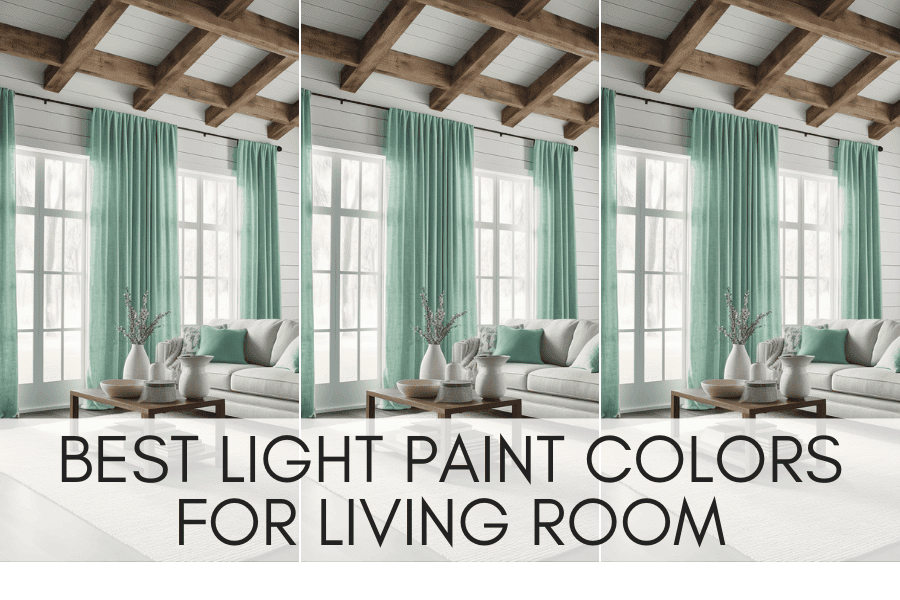
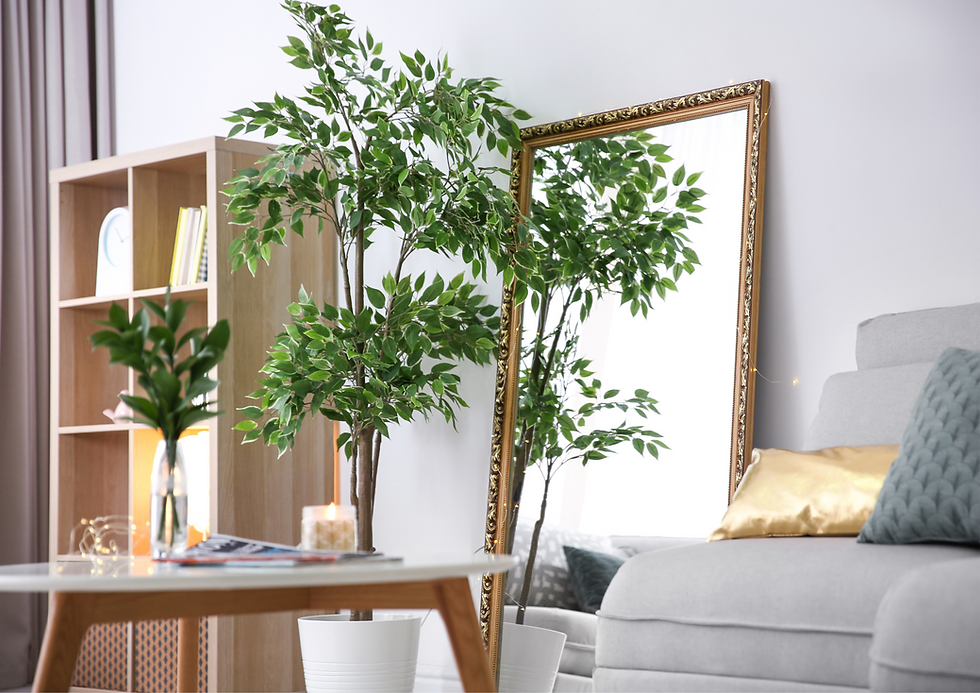
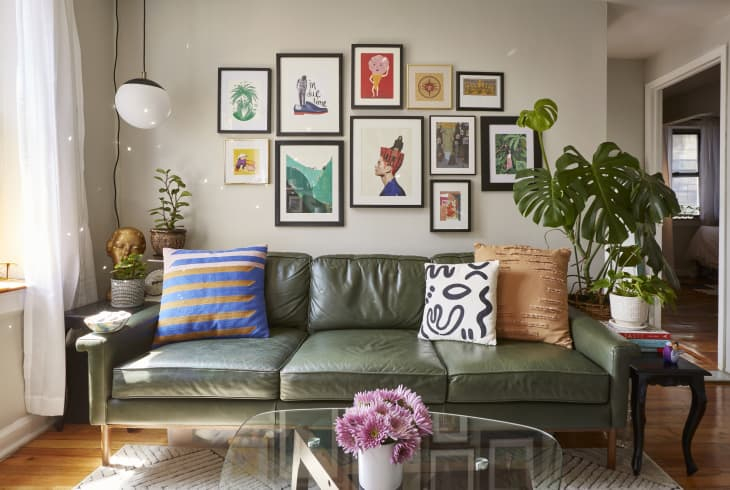
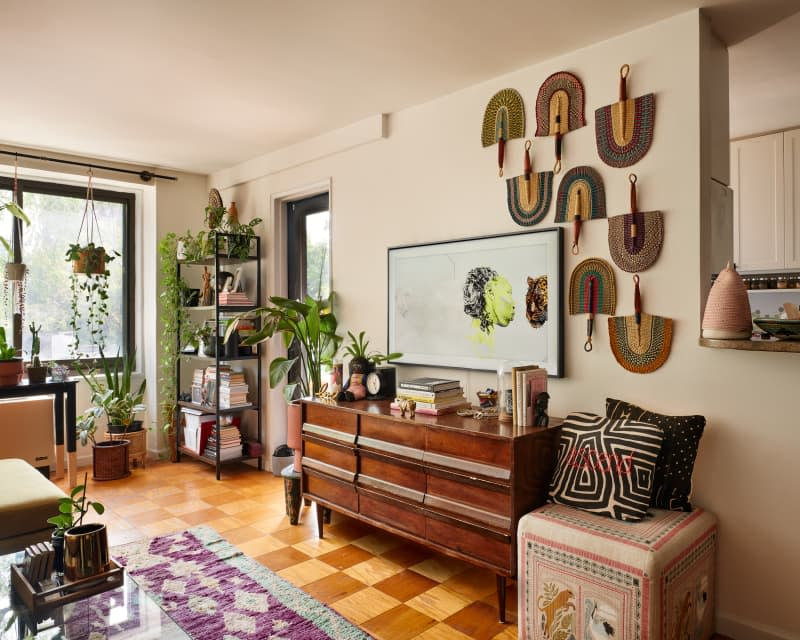
Ever walked into a cozy apartment and felt like the ceiling was pressing down on your shoulders? It’s a common complaint in modern city living, where square footage is premium and vertical space often gets ignored. You might think the only fix is a major renovation or knocking down walls, but the secret is actually much simpler. And cheaper. It hangs right in front of your windows.
Curtains are the unsung heroes of interior design. Most people treat them as an afterthought, something to just block out the sun or provide a bit of privacy. But when you choose the right fabric, length, and hanging method, they become powerful architectural tools. They can stretch a room visually, drawing the eye upward and creating an airy, expansive feel that defies the actual dimensions of the space. In 2026, with housing sizes continuing to shrink in urban centers, mastering this trick isn’t just aesthetic; it’s essential for mental comfort.
Let’s be honest, nobody wants to live in a box. We crave openness. Light. Air. The good news is that you don’t need a contractor to get it. You just need a tape measure, a drill, and a fresh perspective on how fabric interacts with light and line. This guide breaks down exactly how to pull off this illusion, step by step, so your small living room feels like a loft, not a closet.
The Golden Rule: Hang Them High and Wide
The single biggest mistake people make is hanging curtain rods directly above the window frame. It’s intuitive, sure. The window is there, so the rod goes there. But this chops your wall into sections, emphasizing the shortness of the wall rather than its height. To make a room feel taller, you need to break that horizontal line. You need to go up. Way up.
Ideally, you want to mount your curtain rod as close to the ceiling as possible. If you have crown molding, place the bracket just below it. If you don’t, aim for within two to three inches of the ceiling line. This draws the viewer’s eye from the floor all the way to the top of the room without interruption. It creates a continuous vertical line that suggests the walls are higher than they actually are. It’s a simple optical trick, but it works like magic. Studies in environmental psychology from recent years show that vertical lines in our peripheral vision significantly impact our perception of space volume.
Don’t stop at height, though. You also need to go wide. Extend the rod at least six to ten inches beyond the window frame on each side. Why? Because when the curtains are open, they should rest against the wall, not cover the glass. This lets in maximum natural light, which is another key ingredient for making a space feel big. Plus, it frames the window like a piece of art, giving it importance and presence. A cramped window looks small; a framed window looks intentional and grand.
Fabric Weight and Flow: The Physics of Drape
Not all fabrics are created equal when it comes to creating height. Heavy, stiff materials like thick velvet or brocade can look luxurious, but they often add visual weight to the sides of your windows. In a small room, this bulk can feel oppressive. You want fabric that moves. Fabric that flows. Think lightweight linens, cotton blends, or sheer synthetics that cascade smoothly from top to bottom.
The term designers use is "drape." Good drape means the fabric falls in soft, uninterrupted folds. These vertical folds reinforce the upward movement you’re trying to create. If the fabric is too stiff, it sticks out horizontally, breaking the vertical line. If it’s too thin and flimsy, it looks cheap and insubstantial. You’re looking for that sweet spot in the middle—material with enough body to hold a fold, but enough lightness to move with the air.
In 2026, sustainable textiles are huge, and many eco-friendly fabrics offer excellent drape. Bamboo silk, recycled polyester blends, and organic cotton canvases are popular choices that hang beautifully. When you’re shopping, don’t just look at the color. Grab a corner of the fabric and let it drop. Watch how it falls. Does it pool softly? Or does it stick out like a board? Trust your eyes. The way it moves in the store is how it will move in your home.
Length Matters: Kiss the Floor or Pool Slightly
Here is where things get tricky, and where many DIYers mess up. The length of your curtains is critical. Too short, and you’ve ruined the illusion. Too long, and they look sloppy. The gold standard for a tall, elegant look is either a "kiss" or a slight "break." A kiss means the fabric just barely touches the floor. A break means it pools about half an inch to an inch on the ground.
Avoid the "high-water" look. Curtains that end mid-wall or even just above the baseboard scream "I bought what was available at the store." They cut the vertical line abruptly, reminding everyone exactly how short the wall is. If you can’t find ready-made panels that are long enough, don’t settle. Buy longer ones and hem them. Or, if you’re handy, add a contrasting band of fabric to the bottom to extend the length. It adds a custom touch and solves the problem.
For a more relaxed, bohemian vibe, you can let them pool a bit more—two or three inches. This adds a sense of luxury and abundance. But be careful in high-traffic areas. Long pools collect dust and dirt, and in a small living room, every inch of floor space counts. If you have pets or kids, the "kiss" length is probably your best bet. It looks clean, tailored, and maximizes the vertical line without becoming a tripping hazard or a dust magnet.
Color and Pattern: Visual Tricks of the Trade
Color plays a massive role in how we perceive space. Light colors reflect light, making surfaces recede and feel further away. Dark colors absorb light, making surfaces feel closer and heavier. For a small living room, sticking to lighter shades for your curtains is generally the safest bet. Whites, creams, soft grays, and pale pastels blend with the walls and let light bounce around.
But what if you hate white? What if you want some personality? You can still use darker colors, but you have to be strategic. If you choose a bold navy or charcoal, make sure the rest of the room is light and airy. The contrast can actually work in your favor if the curtains are hung high and wide, creating a dramatic vertical stripe that anchors the room. Just keep the fabric lightweight so it doesn’t feel like a black hole sucking the energy out of the space.
Patterns are another tool. Vertical stripes are the classic choice for adding height. They literally guide the eye up. But you don’t have to go with literal pinstripes. Large-scale botanical prints with vertical stems, or abstract designs with upward-moving lines, can achieve the same effect. Avoid horizontal stripes or busy, chaotic patterns that draw the eye side-to-side. You want upward movement. Always. In 2026, maximalism is having a moment, but in small spaces, curated verticality is key. Choose one statement pattern and keep the rest of the decor simple.
Hardware and Details: The Devil is in the Details
It’s easy to overlook the hardware, but the rod and rings matter. A flimsy, thin rod can look cheap and get lost, failing to support the visual weight of the drapes. Choose a rod that has some substance to it. Matte black, brushed brass, or warm wood tones can add a nice accent. The finish should complement other metal or wood elements in the room, creating a cohesive look.
Rings are often better than grommets or pockets. Why? Because they allow the curtains to glide smoothly and create consistent, neat pleats. Grommets can look a bit industrial and casual, which might not fit the elegant vibe you’re going for. Pocket headers can bunch up unevenly, breaking the clean vertical lines. If you use rings, consider clip-on styles for easy washing and adjustment.
Another detail: tiebacks. Use them sparingly. If you constantly tie your curtains back, you’re breaking the vertical line again. Instead, let them hang free most of the time. If you need to hold them open for light, use discreet magnetic holdbacks mounted high on the wall, near the top of the window frame. This keeps the fabric gathered high up, maintaining the long, unbroken line from ceiling to floor. It’s a small tweak, but it preserves the illusion.
One curtain panel is fine, but two layers are better. Layering sheers with heavier drapes adds depth and texture to your windows. This complexity makes the window treatment feel more substantial and intentional. During the day, you can keep the heavy drapes open and just use the sheers for privacy. The sheers diffuse light, creating a soft, glowing ambiance that makes the room feel larger and airier.
At night, close the heavier drapes for insulation and privacy. This versatility is practical, but it’s also aesthetic. The interplay between the two layers creates shadows and highlights that change throughout the day. This dynamic quality keeps the room feeling alive and spacious. Just remember to hang both layers on the same high-mounted rod, or use a double rod system. If you use a double rod, make sure the inner rod (for sheers) is also mounted high, not at the window frame. Consistency is crucial.
In smaller rooms, transparency is your friend. Sheer fabrics allow light to penetrate deep into the space, reducing shadows in corners. Shadows make rooms feel smaller and more cramped. By maximizing light diffusion, you push the boundaries of the room outward. It’s a subtle effect, but over time, you’ll notice the difference. The room just feels… bigger. Breathing room, quite literally.
So, there you have it. The secrets to making your small living room feel taller aren’t hidden in complex architecture books. They’re hanging in the aisles of home goods stores, waiting for you to pick them out. It’s about height, flow, length, color, hardware, and layering. Get these six elements right, and you’ll transform your space.
Remember, design is personal. These are guidelines, not rigid laws. If you love dark, heavy velvet, go for it. Just hang it high. If you prefer minimalism, skip the layers. But keep the vertical line in mind. Always ask yourself: does this draw the eye up? If the answer is yes, you’re on the right track.
Your home should feel like a sanctuary, not a constraint. With the right curtains, you can steal a few feet of perceived height, letting in more light and more life. It’s a small change with a big impact. And honestly? It’s one of the most satisfying DIY projects you can tackle. Go measure those walls. Your ceiling will thank you.