Have you ever walked into a room that felt so empty it made you want to whisper. Or, on the flipsy side, a room so packed with stuff that your brain instantly felt frazzled. For years, we have been told we have to choose a side. You are either a strict minimalist who owns three books and a single chair, or you are a maximalist living in a jungle of bold patterns and vintage clutter. But honestly, who actually lives like that.
Well, welcome to 2026, where a new design movement called midimalism is taking over our homes. It is the literal middle ground between the two extremes. Think of it as a breath of fresh air that still lets you keep your favorite things. It is all about creating an intentional living room balance—a space that feels calm but has plenty of soul.
What on Earth is Midimalism Anyway?
To understand this trend, we have to look at why people got tired of the old ways. Pure minimalism can feel cold, like an upscale hotel lobby where you are afraid to spill juice. Maximalism can feel like a circus. Midimalism steps right into the center of the see-saw. It takes the clean lines, grounding shades, and breathing room of minimalism and pairs them with the personality, texture, and joy of maximalism.
It is a design style that embraces sentimentality without getting lost in total chaos. You get to keep a clean, uncluttered foundation while showcasing things that actually mean something to you.
Setting Up a Restrained yet Expressive Base
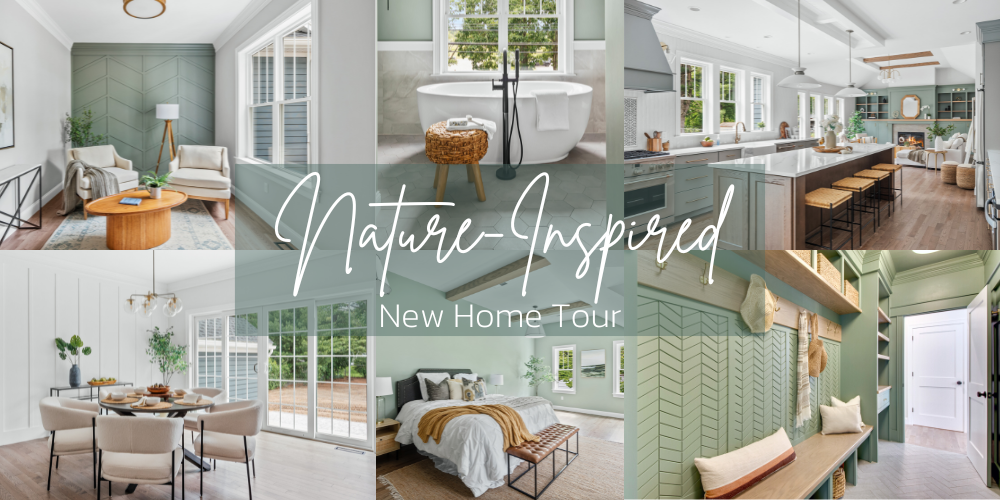
So, how do you actually start. Designers like Marissa Stokes suggest starting with a very clean, simple foundation. This means choosing a neutral or soft color palette for your walls and large furniture. A popular choice lately is a wash of sage green or warm beige, which brings a soft character to a room without screaming for attention.
Once your base is quiet, you can start building up. Instead of painting every wall a bright pattern, you choose one cool texture, like a unique tile layout or a textured plaster finish. This keeps the room feeling peaceful but far from boring.
Choosing Meaningful Curations Over Just More Stuff
Midimalism is not about buying cheap knick-knacks to fill a shelf. It is about what people call "meaningful curations." Every single artwork, vintage object, or book should feel like it belongs there. It is definitely not about having "more stuff," it’s about asking yourself what feels right.
"The goal is an intentional space, not something sparse or overwhelming."
If you have a collection of old vinyl records or some weird art you found at a garage sale, show it off. But give those items space to breathe. Surround a colorful, chaotic painting with plenty of empty wall space so your eyes can rest.
The Secret Ingredient is Textural Contrast
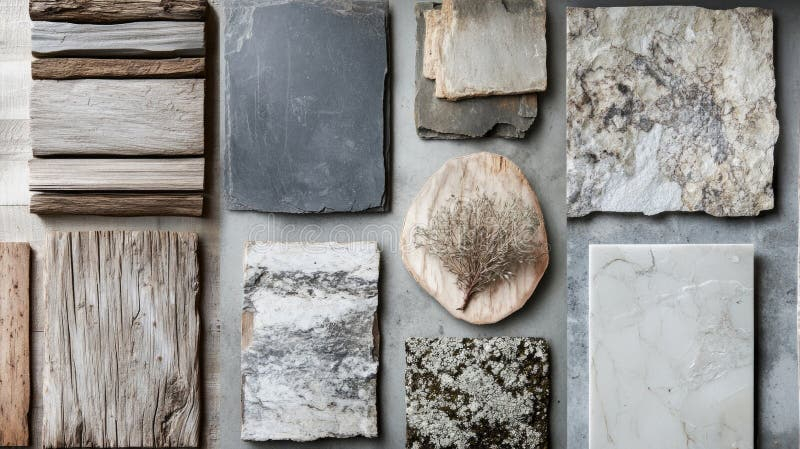
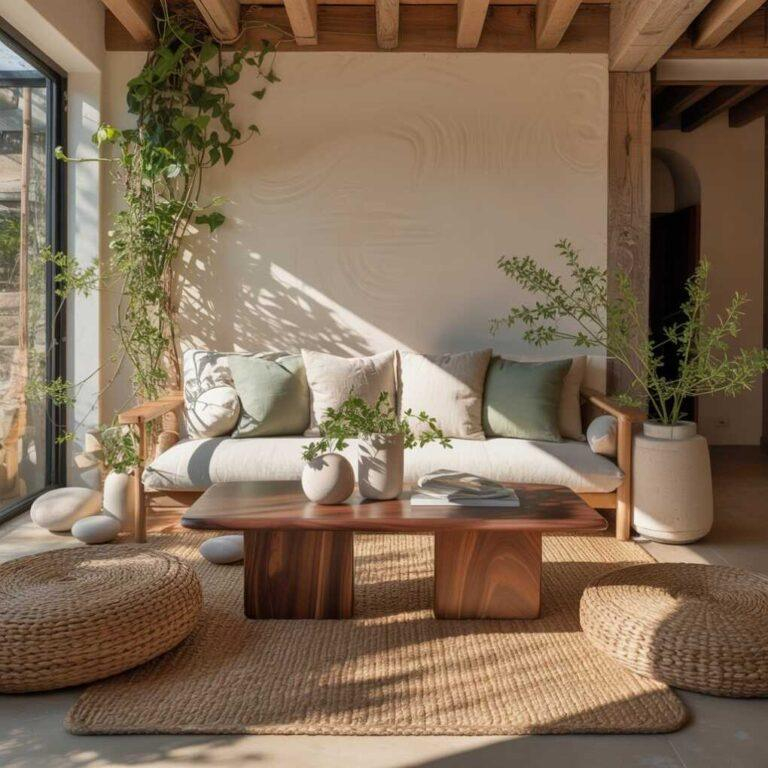
When you are working with fewer colors, texture becomes your best friend. This is how midimalist living rooms avoid looking flat. You want to mix different materials together to create warmth. Pair a sleek, smooth leather couch with a chunky knit blanket, or place a shiny ceramic vase on a rough wooden coffee table.
These subtle contrasts give the room depth. It makes people want to sit down and touch things, creating a lived-in environment that feels cozy rather than clinical.
Making It Work in Everyday Life
The best part about this design shift is how well it works for busy, everyday lives. It is incredibly practical. Because everything has a designated place and purpose, cleanup is a breeze. Yet, because the space isn’t totally bare, you don’t feel like you are breaking a rule if you leave a coffee mug on the table.
This style translates beautifully to offices and commercial spaces too, where focus and flow really matter. But in the living room, it simply creates a sanctuary where you can truly unwind after a long day.
You do not need to hire a fancy decorator or buy all new furniture to get this look. Start by clearing out the visual clutter that accumulates over time. Take everything off your shelves and only put back the items you truly love.
Next, add a pop of personality. Maybe it’s a playful pattern on a couple of throw pillows, or a bold rug that grounds the center of the room. Make small, incremental adjustments to your decor and pay close attention to how each little change impacts how the room functions and feels.
Ultimately, midimalism reminds us that our homes should serve us, not the other way around. We live in a fast world, and our living rooms should be places of comfort. By finding that sweet spot between restraint and expression, you can build a home that is both calming to the mind and deeply personal to who you are. It is all about balance, and it feels pretty great.