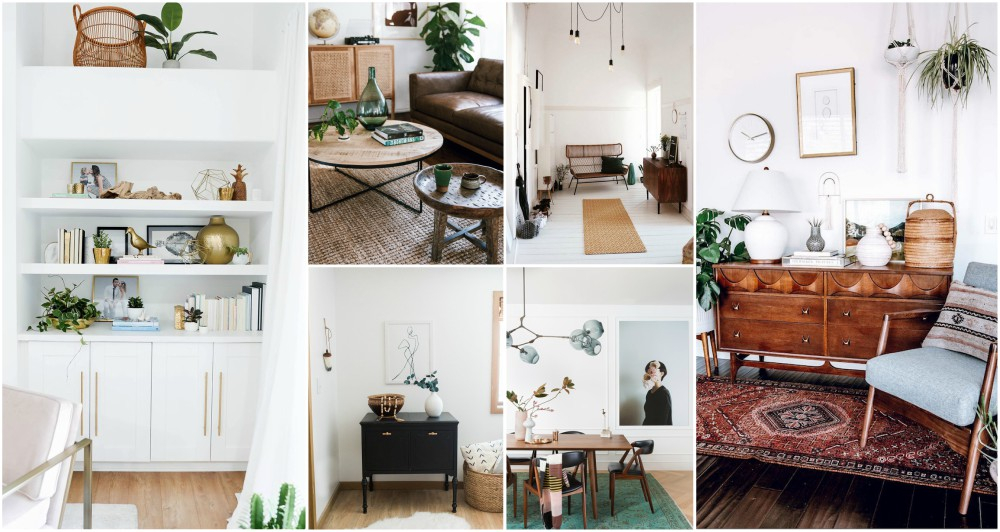
The key to unlocking a home’s personality doesn’t sit in the aisles of a high-end furniture showroom with a five-figure price tag attached. It arrives on a Tuesday afternoon in a cardboard box, smells faintly of old paper, or has spent the last decade holding canned tomatoes in someone else’s pantry. Walking into an empty first apartment for the very first time presents a peculiar kind of terror. The walls are an aggressive, flat rental-white, the floors emit a hollow echo underfoot, and your bank account is recovering from the security deposit and first month’s rent.
Yet, this sterile white box is a blank slate waiting to be written on. Professional interior stylists frequently talk about "soul" in a space—that elusive quality that separates a sterile catalog spread from a home that feels lived-in, loved, and deeply personal. You cannot buy soul. You accumulate it through objects with histories, textures, and domestic utility repurposed into art.
Transforming a raw, echoing rental unit into a cohesive sanctuary requires shifting how you look at the mundane. A cheese grater becomes a chic jewelry tower; stackable vintage cookbooks form a functional bedside nightstand; empty glass olive oil bottles morph into bud vases for stray wildflowers. Moving away from purchasing pre-packaged matching sets opens up an interior landscape that tells an honest story about who you are and what you love.
The psychological shift from "temporary living" to "home" happens the moment you stop waiting for permission or a larger budget to make your surroundings beautiful. Renters often fall into the trap of paralysis: I won’t hang art because of the security deposit, I won’t buy a rug because I might move next year, I won’t style the kitchen because the cabinets are ugly. This mindset leaves you living out of cardboard boxes and plastic bins for months, draining your daily energy.
When you start working with what is already in your hands—or available for pennies at thrift stores, yard sales, and grocery store aisles—you reclaim agency over your physical environment. Every room in a first apartment has distinct behavioral zones that demand creative solutions. By breaking down the decoration process room by room, you can systematically conquer the empty space without getting overwhelmed by the sheer volume of choices.
Unlocking the Potential of the Living Room Through Textures and Found Objects
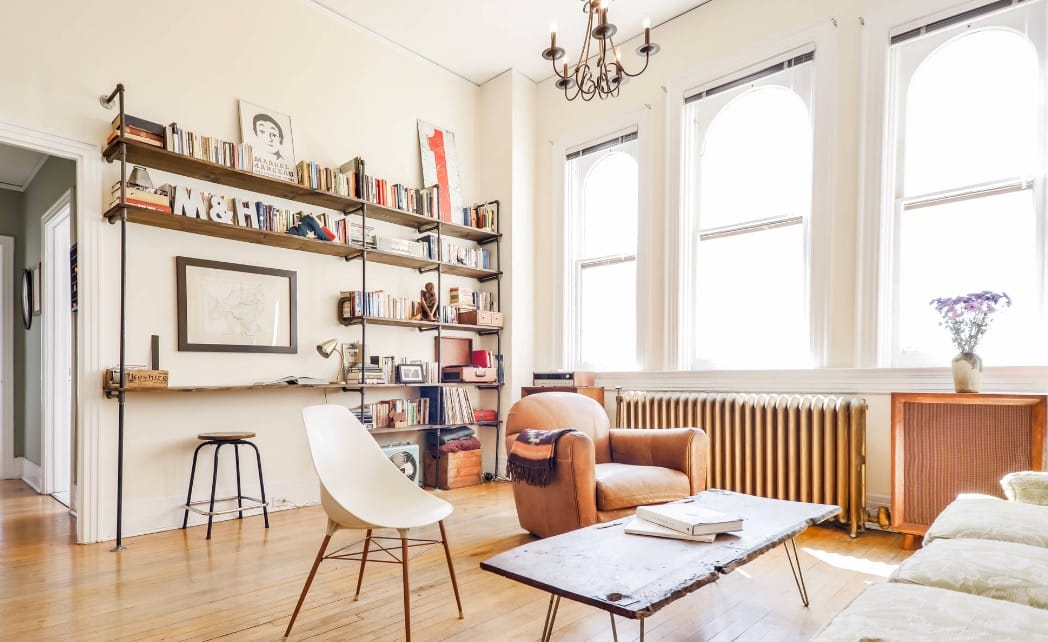
The living room is the narrative anchor of your apartment. It is where you decompress after a grueling shift, host friends for wine and pizza, and stare blankly at a laptop screen trying to answer emails. Because it carries such a heavy emotional workload, it needs to be grounded in texture. When you lack expensive statement furniture, texture is your primary design currency.
Layering raw textiles, organic materials, and everyday items alters the acoustics and visual weight of a room instantly. Instead of a bare floor, look at flat-weave cotton rugs or even layered vintage runner carpets overlapping one another. This technique hides rental flooring sins while defining the seating area without permanent installation.
Books are perhaps the most potent everyday decorating tool at your disposal. Stop hiding paperbacks in cardboard boxes; use them as architectural building blocks. A stack of three oversized art history books or worn-out novels topped with a heavy ceramic coffee mug or a smooth river stone instantly creates a dynamic display surface on the floor or atop a milk crate bookshelf.
Woven baskets, originally manufactured for laundry or grocery storage, find a brilliant second life as sculptural plant holders or catch-alls for throw blankets and extra pillows. Grouping everyday items in odd numbers—threes and fives—creates visual triangulation, drawing the human eye naturally across the room rather than letting it stall on a single awkward corner.
Wall space in a rental living room often feels intimidating due to lease restrictions against heavy hardware. Combat this by abandoning the traditional framed art approach and leaning into ephemeral displays. Use colorful washi tape or binder clips to mount vintage magazine tear sheets, postcard collections, or botanical illustrations directly onto the drywall in a gallery grid.
Hang empty wooden clothes hangers from small adhesive hooks and clip polaroids, ticket stubs, or fabric swatches to them. This creates an ever-changing art installation that costs practically nothing, weighs next to nothing, and leaves zero repair work when it is time to pack up and move on to your next chapter.
Crafting a Sanctuary Bedroom Out of Fabric and Ambient Light
The bedroom should act as an absolute decompression chamber from the outside world. If your living room is about social energy, your bedroom must be about absolute surrender. The primary challenge of a first apartment bedroom is usually a complete lack of architectural character—think blank box walls, standard-issue hollow-core doors, and unforgiving overhead lighting fixtures that make everyone look like they are auditioning for a hospital drama.
Solving the harsh lighting dilemma requires abandoning the ceiling light switch entirely. Instead, gather every task lamp, desk light, and string light you own, outfitting them with warm-toned LED bulbs (around 2200K to 2700K). Place these lamps at varying heights around the room: one on a makeshift bedside crate, another sitting directly on the floor in a dark corner casting light upward against the wall, and a third perched on a dresser. This creates layers of ambient illumination that instantly soften the room’s hard geometric edges.
Textiles do the heavy lifting in a bedroom where furniture is minimal. If you cannot afford a plush upholstered headboard, create a soft visual anchor by draping a heavy vintage quilt, a woven Turkish towel, or an oversized piece of raw linen over a simple curtain rod mounted directly above the bed.
Pillows, too, can be hacked. Instead of buying expensive decorative shams, stuff old pillowcases with spare winter coats, sleeping bags, or extra duvets you aren’t currently using. This gives your bed that luxurious, overstuffed boutique hotel look while solving the eternal apartment storage crisis for bulky seasonal gear.
Nightstands do not need to be purchased from a furniture catalog. An upside-down wooden wine crate, a sturdy stack of hardback encyclopedias, an old wooden step stool, or a vintage metal filing cabinet sprayed in a matte earth-tone color all serve as rugged, character-rich bedside tables.
Accessorize these surfaces with practical, everyday items that double as decor: a chipped ceramic bowl to catch your daily jewelry, an old glass milk bottle holding a single eucalyptus stem, and a scented candle burning down in its glass jar. These small, tactile touches transform a temporary sleeping space into a deeply personal sanctuary.
Maximizing the Kitchen and Dining Area with Functional Display
The kitchen is the hardest working space in any home, yet it is frequently the most visually sterile. Rental kitchens are usually defined by glossy laminate countertops, generic white or beige cabinetry, and very little counter space. To make a first apartment kitchen feel soulful, you must bring your storage out into the open and treat your culinary tools as decorative art.
Start by auditing your cookware and dry goods. Instead of hiding pasta, lentils, flour, and coffee beans inside dark cabinets, pour them into mismatched glass jars, recycled pasta sauce jars, and vintage canisters. Line these up on an open wire shelving unit or directly on the counter. The rich earth tones of grains and spices create a natural, colorful palette that warms up cold laminate surfaces instantly.
Hang heavy iron skillets, stainless steel pots, and wooden cutting boards from a simple wall-mounted rail using standard S-hooks. This frees up precious cabinet real estate while giving your kitchen the authentic, industrious vibe of a working professional workspace.
For the dining area—whether it’s a full kitchen table, a drop-leaf desk pushed against a wall, or a breakfast bar—focus on tabletop styling. A bare table looks institutional. Layer a simple linen tablecloth, or use a length of raw unbleached cotton fabric cut straight from a craft store bolt.
Instead of buying expensive floral arrangements, forage for wild grasses, eucalyptus branches, or seasonal flower stems and place them in empty olive oil bottles, soda glass, or vintage ceramic pitchers.
Lighting matters just as much here as it does in the bedroom. If your dining area suffers from harsh overhead glare, unscrew the bulb slightly to turn it off, and run a cluster of taper candles in mismatched brass or glass candle holders down the center of the table. Dining by candlelight instantly elevates a boxed mac-and-cheese dinner into an intimate, intentional culinary event.
Styling the Bathroom and Entryway as High-Impact Micro-Spaces
Micro-spaces like the entryway and the bathroom are often dismissed as purely utilitarian zones, yet they offer the highest return on investment when decorated thoughtfully. These are the first and last areas you experience every day; changing their energy shifts your entire psychological state as you enter and leave your apartment.
The entryway sets the psychological tone of the entire home. Even if your apartment opens directly into the living room without a proper foyer, you can carve out an entryway zone using a single small runner rug and a wall-mounted hook rack. Instead of tossing keys, mail, and sunglasses onto the kitchen counter, repurpose a shallow wooden vegetable crate mounted sideways on the wall as a drop zone.
Place a small thrifted ceramic dish inside the crate for keys, and stick a cheap full-length mirror next to it using heavy-duty double-sided mounting tape. Checking your outfit before walking out the door no longer requires a frantic sprint to the bathroom.
Bathrooms in rental units are notorious for ugly vinyl flooring, glaring Hollywood-style vanity lights, and zero character. Counteract this clinical atmosphere by introducing organic textures and scent architecture. Roll your bath towels and hand towels neatly and stack them inside a woven wicker basket or an old wooden wine crate mounted to the wall as a shelving unit.
Replace standard liquid soap dispensers with a heavy glass amber bottle featuring a metal pump, filling it with your favorite hand wash.
Plants thrive in the humid microclimate of a bathroom. Propagate a pothos vine or a snake plant in a glass jar of water sitting right on the sink counter or the edge of the bathtub. The living green foliage instantly cuts through the stark white porcelain and tile, making the room feel like a private spa rather than a public restroom.
Don’t be afraid to hang framed art in the bathroom either; a small, quirky vintage landscape print in a cheap thrift store frame adds unexpected warmth and personality to a water-prone space.
Step-by-Step Practical Implementation Guide for Your Apartment Makeover
- Step 1 (The Great Audit and Clean Slate): Clear every room completely. Scrub the baseboards, wash the windows, and inventory every single item you own that could be repurposed. Sort belongings into functional zones rather than rooms to see what items can cross boundaries (e.g., kitchen jars used in the bathroom, books used in the living room and bedroom).
- Step 2 (Zone Mapping and Focal Points): Walk through the empty apartment and identify the primary focal point of each room—usually a large window, an awkward blank wall, or the bed position. Establish what activities will happen in each zone and arrange your core functional items first before adding any decorative elements.
- Step 3 (Lighting and Ambiance Layering): Eliminate reliance on harsh overhead rental lighting. Gather every available lamp, string light, and candleholder. Position warm-bulb light sources at low, medium, and high levels throughout every room to create depth, eliminate dark corners, and establish mood.
- Step 4 (Textile and Surface Layering): Layer rugs, throw blankets, quilts, and raw fabrics across bare floors and furniture. Use stacked books, wooden crates, and woven baskets as structural stands and display units to build height variations and break up flat rental surfaces.
- Step 5 (Personal Artifact Integration): Hang temporary, damage-free wall art using washi tape, binder clips, and adhesive hooks. Display collections of everyday items, glassware, and plants. Step back, live in the space for forty-eight hours, and adjust the placement of objects until the apartment feels entirely grounded and personal.
Common Pitfalls and Field-Tested Workarounds for First-Time Decorators
- Pitfall 1 (Matching Set Syndrome): Buying entire matching bedroom or living room collections from a single big-box store leaves an apartment looking like a corporate hotel catalog devoid of individual history. Practitioner Workaround: Strict rule of thumb: never buy more than one piece of furniture from the same collection. Mix mid-century modern wooden crates with industrial metal stools, vintage velvet pillows, and modern minimalist ceramics to build a rich, collected-over-time aesthetic.
- Pitfall 2 (Ignoring Vertical Space): Focusing exclusively on floor furniture while leaving the upper two-thirds of rental walls bare and visually heavy at ground level. Practitioner Workaround: Utilize renter-safe mounting solutions like heavy-duty command hooks and tension rods to hang trailing plants, fabric panels, and wire grids high up on the walls, drawing the eye upward and making low ceilings feel expansive.
- Pitfall 3 (The Scale Disconnect): Buying tiny decor items that get lost in a room, resulting in a cluttered, visually noisy, and chaotic aesthetic. Practitioner Workaround: Group small items into intentional clusters on trays or cutting boards, and balance them out with massive singular statements—like an oversized floor mirror leaning unmounted against a wall or a giant stack of coffee table books.
- Pitfall 4 (Buying New Out of Impatience): Spending your entire decorating budget on brand-new, mass-produced flat-pack furniture that lacks durability and soul. Practitioner Workaround: Commit to the "thirty-day thrift rule." Before purchasing any new item, spend one month scouring local thrift shops, Facebook Marketplace, and curbside free piles. You will find higher-quality solid wood and vintage glassware for a fraction of the retail cost.
- Pitfall 5 (Over-Styling Without Function): Creating sterile vignettes that look good in a snapshot but make daily living inconvenient (e.g., decorative pillows you have nowhere to put at night, or fragile items blocking daily pathways). Practitioner Workaround: Every decorative object must double as something useful. If a basket holds blankets, it’s functional decor. If an object just sits there collecting dust and getting in your way, remove it from the room.
Cultivating a Sustainable, Evolving Domestic Ecosystem
Decorating your first apartment is not a one-time event that concludes the weekend you move in; it is an ongoing biological process. As your life changes, your income fluctuates, and your personal tastes evolve, your physical space should adapt right along with you. Treating your apartment as a living ecosystem rather than a static museum display relieves the paralyzing pressure to "get it right" immediately.
Embrace the beauty of patina, wear, and imperfection. A vintage wooden kitchen table with knife marks and water rings carries a rich history that a pristine, factory-sealed laminate table can never replicate. When you source everyday items from thrift stores, estate sales, and your own past experiences, you are participating in a sustainable loop of circular design. You keep materials out of landfills while investing in objects crafted with genuine human care.
This mindset also protects your mental health and financial wellbeing during a notoriously stressful life stage. Young adults frequently fall into the trap of consumer debt trying to curate an idealized, highly curated social media apartment overnight. By intentionally choosing to work with everyday items, found objects, and budget-friendly workarounds, you detach your self-worth from your net worth.
You prove to yourself that beauty, comfort, and sanctuary are not locked behind expensive paywalls. They are accessible right now through creativity, resourcefulness, and a willingness to look at the mundane world with fresh, imaginative eyes.
Actionable Recommendations and Key Takeaways for the Intentional Decorator
- Embrace the Power of Repurposing: Never buy a single-use container or organizer until you have scanned your kitchen and recycling bin for glass jars, tin cans, and cardboard boxes that can be washed, painted, or wrapped in twine.
- Prioritize Lighting Over Furniture: Invest your limited energy and budget into warm-toned lamps, smart bulbs, and candles before worrying about purchasing expensive couches or brand-new dining sets.
- Keep Scale and Proportions in Mind: Balance massive negative space with grouped clusters of small items. Let your walls breathe by leaving certain sections entirely bare to create visual relief.
- Honor the Lease Without Compromising Style: Leverage renter-safe hardware, tension rods, washi tape, and leaning floor mirrors to personalize your space intensely without risking your security deposit.
The apartment you inhabit today is merely the first chapter in a long, winding domestic journey. Years from now, when you have moved into larger spaces, purchased permanent homes, and collected heavier, more expensive possessions, you will likely look back at this first small rental with profound fondness. You will remember the milk-crate nightstand, the thrifted armchair with the quirky floral pattern, and the way the afternoon light hit the glass olive oil bottles holding wild grass on your windowsill.
That raw, imperfect, resourcefully styled space taught you something vital: that home is not defined by square footage, designer labels, or luxury finishes. Home is built entirely out of the attention, care, and creativity you pour into your surroundings.
Take a deep breath, look around your rooms as they are right now, and pick one small corner to transform today using whatever you have within arm’s reach. Your sanctuary is waiting to be built.