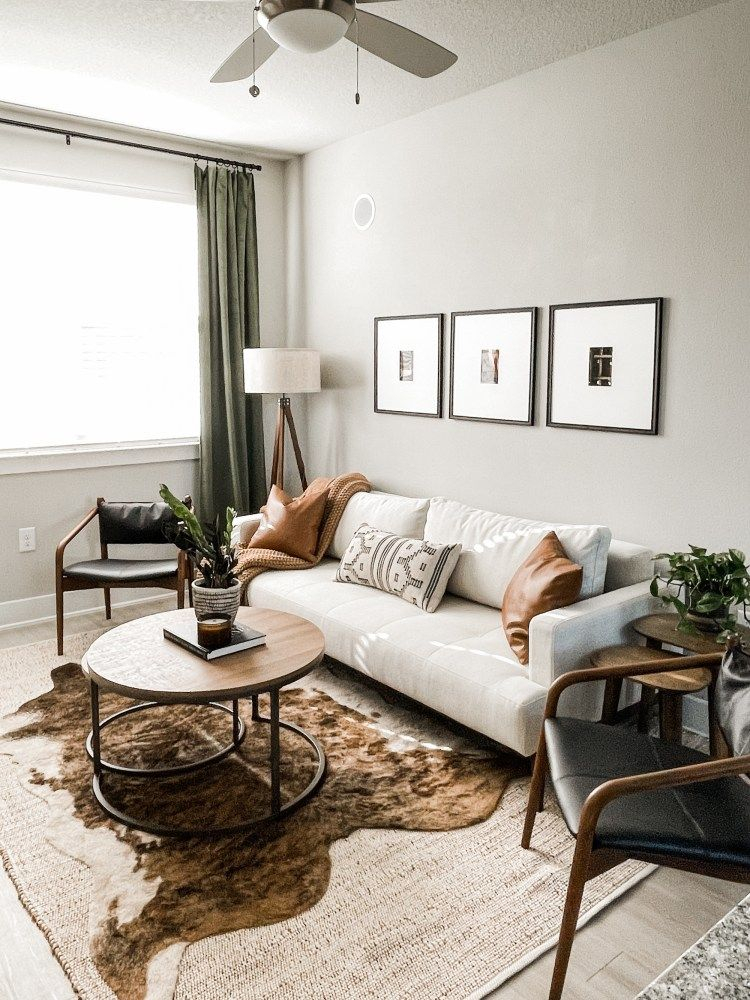
You know that feeling. You’re scrolling through your phone, maybe it’s late at night, and you see the couch. It’s perfect. Low profile, mid-century legs, that specific shade of oatmeal linen that screams "I have my life together." You click buy. Two weeks later, it arrives. And suddenly, your living room isn’t a cozy nook anymore. It’s a obstacle course. You can’t walk past it without sucking in your stomach. The coffee table is now a shin-bruising hazard.
It happens to the best of us. We buy with our eyes, not our floor plans. But here’s the thing: small spaces are tricky. They don’t forgive mistakes like big rooms do. In a large hall, a bulky armchair is a statement. In a studio apartment, it’s a wall. Before you swipe that credit card again, take a breath. There is a better way. Experts in interior design have been shouting this from the rooftops for years, yet we keep ignoring them. Let’s fix that. This isn’t about depriving yourself of style. It’s about being smart so you can actually enjoy the space you have.
Measure Twice, Buy Once (And Then Measure Again)
It sounds obvious, right? Like, duh. But you’d be shocked how many people skip this step or do it half-heartedly. Measuring the room is just the start. You need to measure the doorways, the hallways, the elevator, and the stairwell turns. Seriously. There is nothing more heartbreaking than watching delivery guys try to pivot a 90-inch sectional around a 30-inch corner and failing. It ends up on the curb. Or worse, you pay extra to have it hauled away.
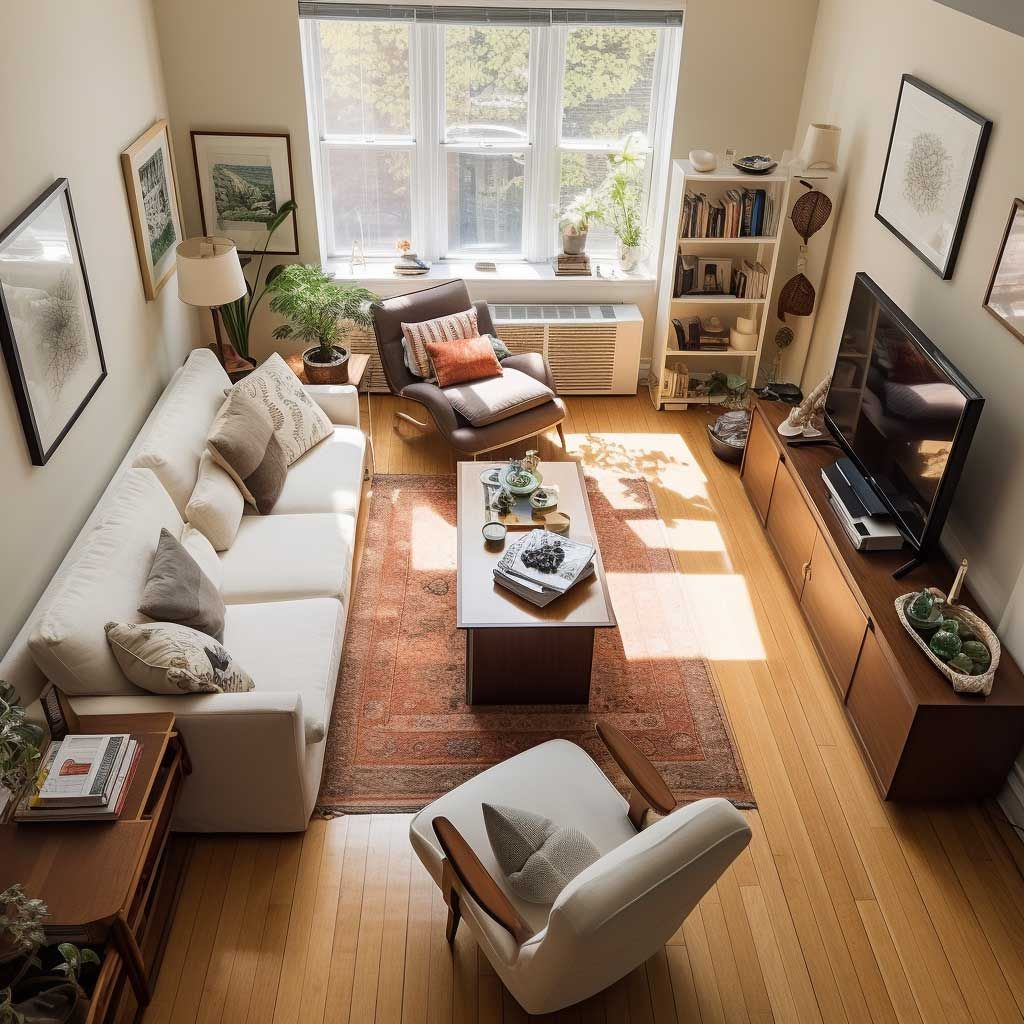
But let’s talk about the room itself. Don’t just measure the walls. Think about flow. How much space do you need to walk comfortably? Designers usually say you need about 30 to 36 inches of walking space between pieces of furniture. If you squeeze it to 24 inches, it feels cramped. Less than that? You’re shimmying sideways. Grab some painter’s tape. Go into your empty room (or move stuff aside) and tape out the footprint of the furniture you want. Live with those tape lines for a few days. Walk around them. Sit in the imaginary chair. Does it feel claustrophobic? If yes, go smaller. It’s a free test drive.
Also, consider the vertical space. We often forget to look up. Measure the height of your ceilings and the placement of windows, radiators, and outlets. A tall bookshelf might look great online, but if it blocks half your window, your room will feel dark and tiny. Light is what makes a small space feel big. So, map out where the light comes from and ensure your new purchases won’t choke it off.
Scale Is Everything (Proportion Over Size)
Here is a common myth: small rooms need small furniture. Not exactly. What they need is scaled furniture. Putting a bunch of tiny, dollhouse-sized pieces in a room actually makes it look cluttered and chaotic. It creates visual noise. Instead, look for pieces that have a lighter visual weight. What does that mean? It means furniture that doesn’t block your view across the room.
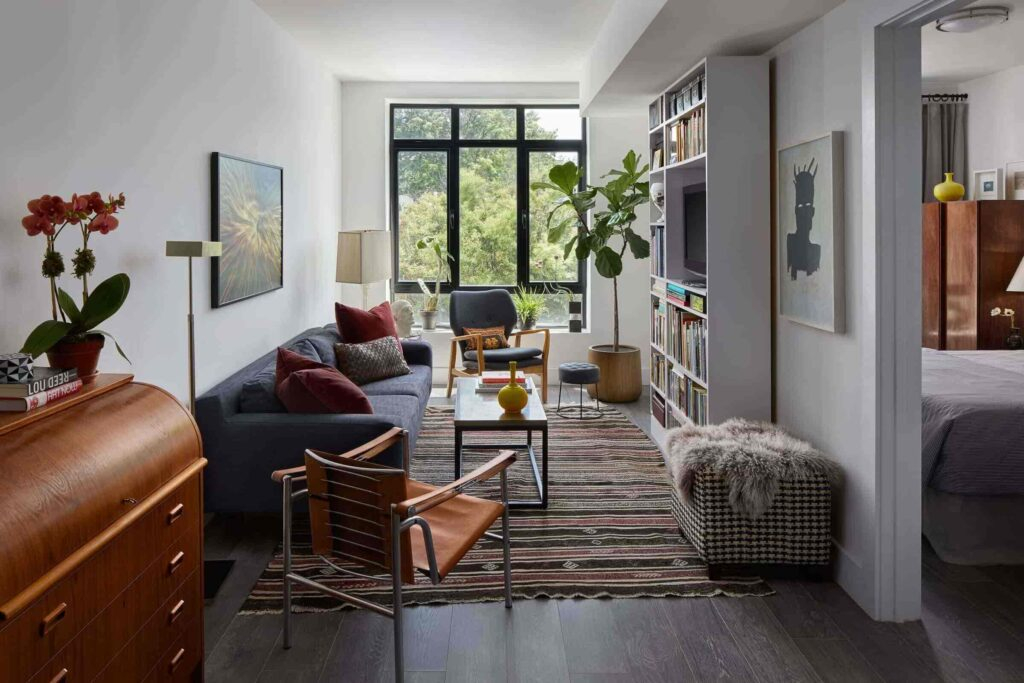
Think about legs. A sofa that sits directly on the floor looks heavy. It anchors the eye and stops your gaze. A sofa raised on slender legs lets you see the floor underneath. That visible floor space tricks your brain into thinking the room is larger than it is. It’s an optical illusion, but it works. Same goes for glass or acrylic tables. They take up physical space, sure, but visually, they disappear. You get the function without the bulk.
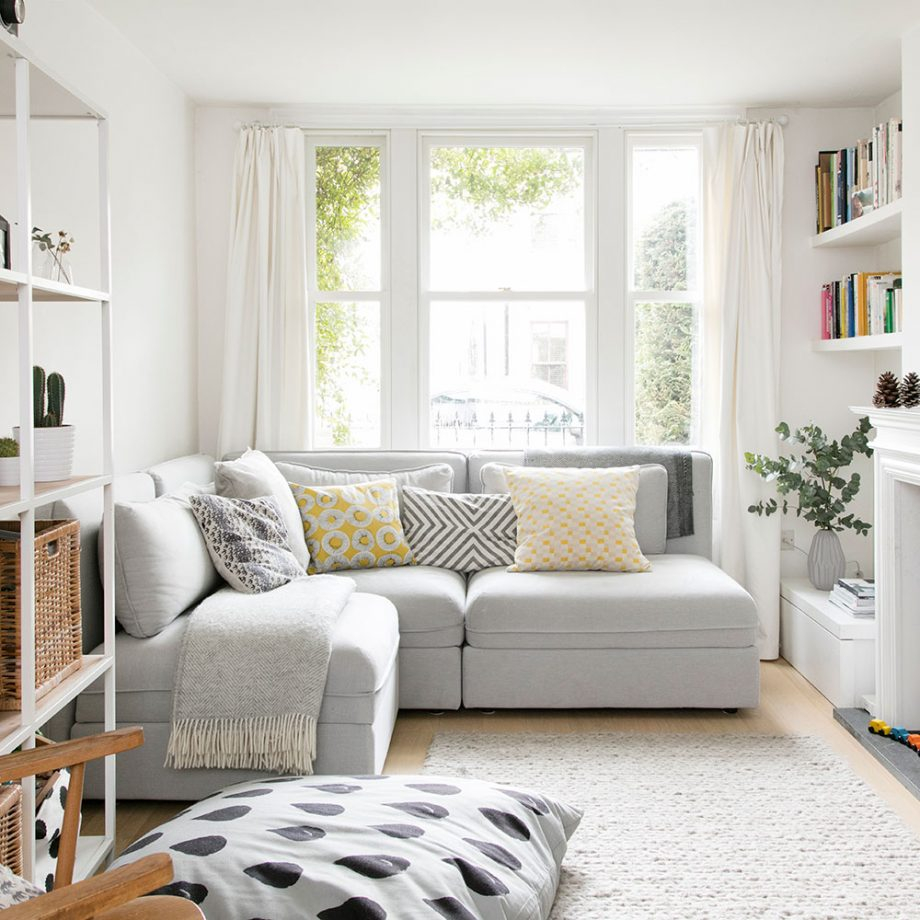
Armrests are another sneaky culprit. Wide, rolled arms on a sofa can eat up six to eight inches on each side. That’s over a foot of seating space lost! For a small living room, look for track arms or armless chairs. You can always add a pillow for comfort, but you can’t subtract wood and foam once it’s there. In 2026, we’re seeing a lot of modular designs that allow you to customize the width. This is huge for small spaces because you can build exactly what fits, rather than forcing a standard size into a non-standard spot.
The Magic of Multi-Functionality
If a piece of furniture only does one thing, it’s wasting its potential in a small home. This isn’t just about saving money; it’s about saving square footage. Every item needs to earn its rent. An ottoman shouldn’t just be a footrest. It should be a coffee table, extra seating for guests, and a storage bin for blankets. Why buy three things when one can do the job of all three?
Look for nesting tables instead of a large coffee table. When you’re hosting friends, pull them out for surface space. When you’re watching TV alone, tuck them away to open up the floor. It’s flexible. Life in a small space is dynamic, so your furniture should be too. Sofas with hidden storage under the seat are another game-changer. Where else are you going to put those board games or extra pillows? If you have to buy a separate cabinet for them, you’ve lost valuable floor real estate.
But be careful. Don’t go overboard with gadgets. A sofa that turns into a bed, has cup holders, and vibrates might sound cool, but it’s often bulky and mechanically complex. Simple is better. A sleeper sofa with a easy-to-use mechanism is great for guest rooms that double as offices. Just make sure the mattress is actually comfortable. Nothing says "you’re not welcome" like a guest sleeping on a metal bar disguised as a cushion.
Color, Texture, and Visual Breath
We’ve all heard the advice: paint small rooms white. It’s classic, but it’s not the only rule. Dark colors can actually make a room feel cozy and intimate, which can be nice. But if you want it to feel airy, light neutrals are still your best friend. However, the trick isn’t just the color of the walls. It’s the contrast. High contrast breaks up the space. If your walls are white and your sofa is black, the eye stops at the sofa. If your walls are cream and your sofa is beige, the boundaries blur, and the room feels endless.
Texture adds depth without adding visual clutter. A chunky knit throw, a velvet pillow, a wool rug. These things make the space feel rich and layered. But keep the patterns minimal. Large, busy prints on upholstery can overwhelm a small room. Stick to solids for the big pieces (sofa, armchairs) and use patterns in smaller, changeable items like cushions or art. This way, if you get bored, you swap a $20 pillow cover, not a $2,000 sofa.
Lighting plays a huge role here too. Never rely on just one overhead light. It casts shadows and makes corners disappear into darkness, which shrinks the perceived space. Use floor lamps, table lamps, and even sconces to wash the walls with light. Uplighting behind a plant or a curtain can make the ceiling feel higher. It’s subtle, but it changes the whole vibe. A well-lit room feels bigger. Period.
Layout Logic: Float and Flow
Most people push all their furniture against the walls. It feels like the logical thing to do to maximize the center of the room. But designers hate this. It creates a "dance floor" effect where everyone stands in the middle, and it actually makes the room feel smaller because you’re staring at a vast, empty expanse of carpet. Pull your furniture in. Create zones. Even in a tiny living room, you can float the sofa a few inches off the wall. It creates a sense of intention and intimacy.
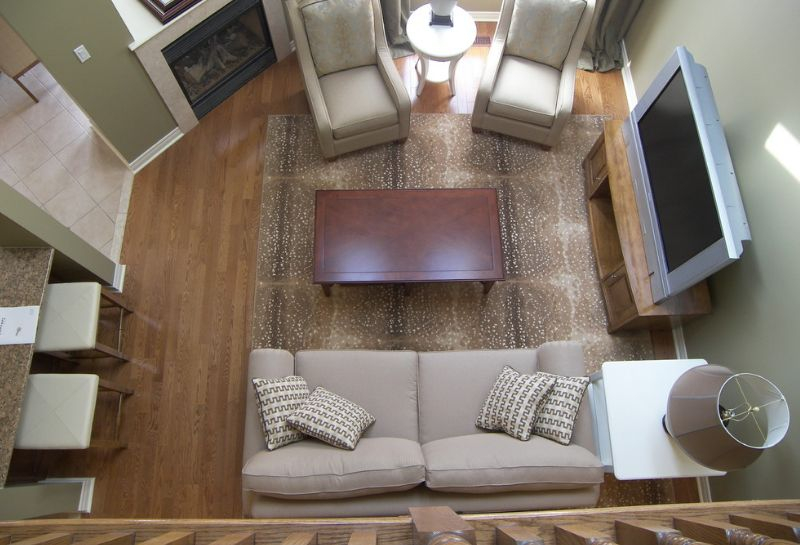
Think about conversation areas. In a small space, you don’t need a massive U-shape. Two chairs facing a small loveseat is plenty. Keep the pathways clear. If you have to step over a rug to get to the kitchen, the rug is too big or the layout is wrong. The goal is seamless movement. You shouldn’t have to announce your presence every time you walk to the fridge.
Also, consider the focal point. What draws the eye? Is it the TV? A window with a view? A fireplace? Arrange your furniture to face that, not to face each other awkwardly. If the TV is on a short wall, don’t force a layout that fights it. Work with the architecture. Sometimes, angling a chair slightly can open up a pathway and make the room feel less boxy. Play around with it. Move things. See what feels right. There’s no single correct answer, only what works for your life.
This is the hardest pill to swallow. When you have a small budget, it’s tempting to buy cheap, trendy pieces. But in a small space, you touch everything. You sit on the sofa every day. You lean on the armrest. You rest your feet on the ottoman. Cheap materials wear out fast. And replacing furniture is a hassle, especially in small apartments where getting the old stuff out is a nightmare.
Invest in the key pieces. The sofa. The main chair. Look for solid wood frames, high-density foam, and durable fabrics. Performance fabrics are amazing for small spaces because they resist stains and wear. If you spill wine on a cheap cotton blend, it’s ruined. If you spill it on a performance velvet, you blot it up and move on. Peace of mind is worth the extra cost.
For secondary items, like side tables or decor, you can go cheaper. These don’t take the same beating. But the big ticket items? Buy the best you can afford. It’s better to have one beautiful, comfortable chair than three wobbly ones that look tired after six months. Think about longevity. Will this piece still look good in five years? If the answer is no, keep looking. Trends fade. Good design lasts. And in a small space, you’re living with these choices intimately. Make them count.
So, before you hit that checkout button, pause. Measure your doorways. Tape out the floor. Think about how you actually live, not just how you want it to look on Instagram. Small spaces are a challenge, sure. But they’re also an opportunity to curate a life that’s intentional, cozy, and uniquely yours. Don’t let the size limit your style. Let it refine it. Take your time. Get it right. Your future self, sitting comfortably in a room that actually fits, will thank you.