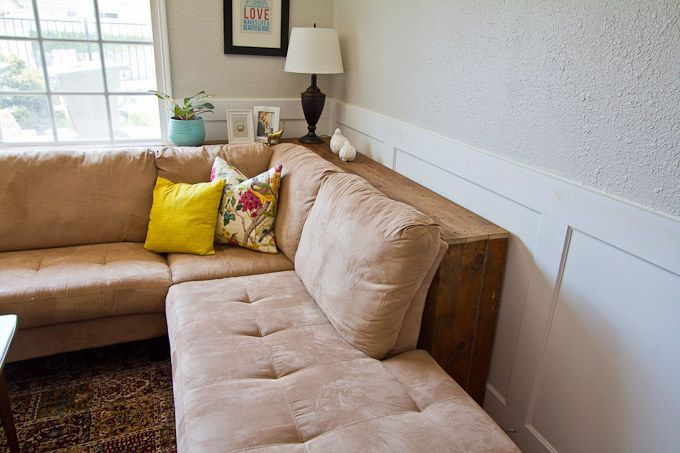
Ever walked into a tiny apartment and felt like you were stepping into a closet? It’s a common struggle. We all want our homes to feel open, airy, and inviting, but when square footage is limited, it can feel like an impossible puzzle. You buy a couch that looks perfect in the store, only to realize it swallows your living room whole. Or maybe you try to fit a dining table in the corner, and suddenly, you can’t even walk past it without doing a sideways shuffle. It’s frustrating. But here’s the good news: small spaces don’t have to mean sacrificing style or comfort. In fact, some of the most chic and cozy interiors are found in the tiniest nooks.
The secret isn’t about getting rid of everything you love. It’s about balance. It’s about understanding how pieces relate to each other and to the space itself. Think of it like a dance. If one partner takes up too much room, the other has nowhere to move. But when they work together, finding the right rhythm and spacing, it looks effortless. That’s what we’re aiming for. A room that breathes. A layout that flows. And a style that feels uniquely yours, not just a compromise because the room is small. Let’s dive into how you can achieve this delicate equilibrium, turning your compact quarters into a sanctuary of style.
Start with the Flow, Not the Furniture
Before you drag a single chair across the floor, stop. Take a breath. Look at the room. Really look at it. Most people make the mistake of starting with the biggest piece—usually the sofa—and trying to build around it. This is backwards. The first step in any successful small-space arrangement is mapping out the flow. Where do people walk? Where do they naturally gravitate? What are the entry and exit points? If you block these natural pathways, the room will always feel cramped, no matter how nice the furniture is.
Imagine drawing invisible lines on the floor. These are your traffic lanes. You want to keep them clear. A general rule of thumb is to leave at least 30 inches of walking space between major pieces of furniture. If you can’t fit that, you might need to rethink your choices. But it’s not just about walking. Think about how you use the space. Do you entertain often? Do you need a clear path to the balcony? Do you have pets that zoom around at 21.54 at night? Understanding these movement patterns helps you place furniture in a way that supports your life, rather than hindering it. Once you know where the empty space needs to be, filling it becomes much easier.
Choose Scale Over Size
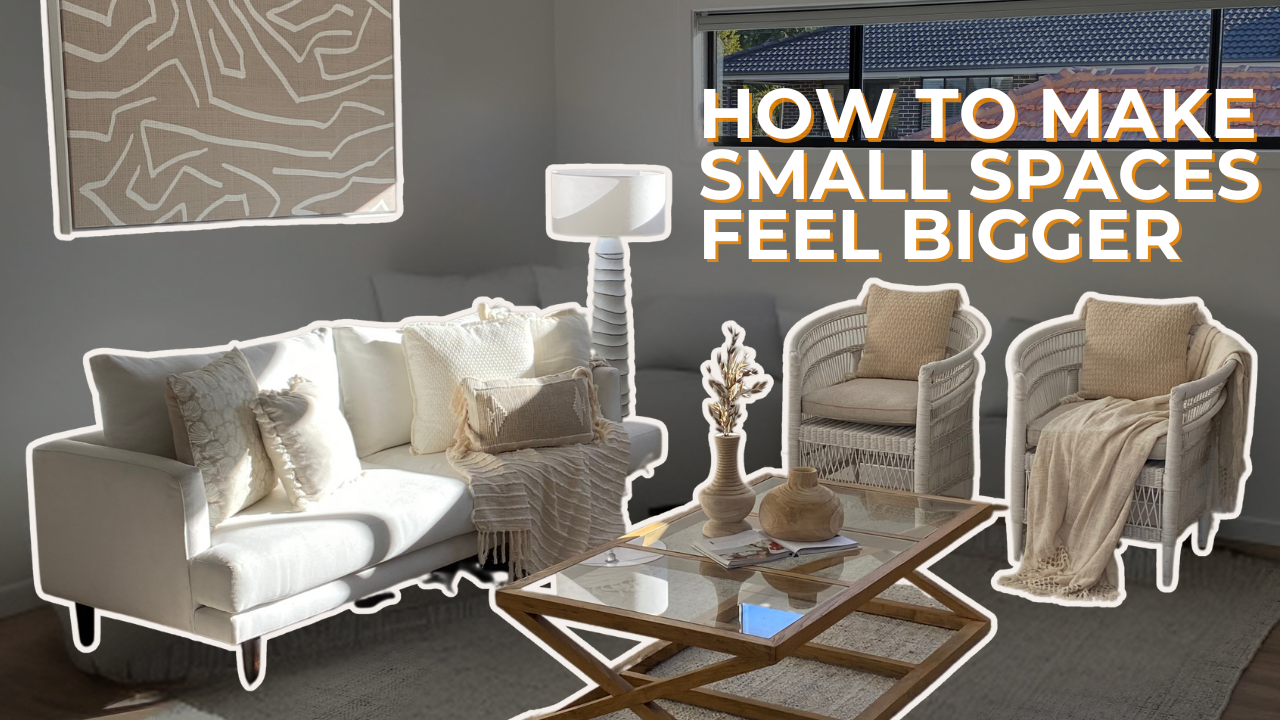
Here’s a hard truth: that oversized sectional you’ve been eyeing? It’s probably not going to work. In compact rooms, scale is everything. This doesn’t mean you have to buy flimsy, cheap-looking furniture. It means choosing pieces that are proportionate to the room. Look for sofas with exposed legs. Why? Because seeing the floor underneath creates a sense of openness. It tricks the eye into thinking there’s more space than there actually is. Bulky, skirted sofas that sit directly on the floor can make a room feel heavy and closed-in.
Consider swapping a large coffee table for two smaller nesting tables. They offer flexibility. You can pull them apart when you have guests and tuck them away when you need more floor space. Armless chairs are another great option. They take up less visual weight and can be tucked under tables or moved around easily. And don’t forget about vertical space. Tall, slender bookshelves draw the eye upward, making the ceiling feel higher. It’s about being smart with every inch. Sleek designs with smooth lines work best. They don’t compete for attention; they complement the space. Remember, it’s not about how much furniture you can cram in, but how well each piece serves its purpose without overwhelming the room.
Create Zones Without Walls
Just because a room is small doesn’t mean it has to serve just one function. In fact, many compact spaces need to multitask. Your living room might also be your dining area, your home office, and your guest room. The key is to create distinct zones without building physical barriers. You can do this through furniture placement and rugs. For example, placing a sofa with its back to a dining table can subtly separate the two areas. It defines the living space without blocking light or views.
Rugs are powerful tools for zoning. A large rug under the seating area anchors the conversation space, while a different rug under the dining table sets it apart. Lighting can also help. Use a pendant light over the dining table and floor lamps in the living area to create different moods and focal points. This layered approach makes the room feel intentional and organized, rather than chaotic. It tells your brain, “This is where I relax,” and “This is where I eat.” Even in a studio apartment, these subtle cues can make a huge difference in how spacious and functional the room feels. It’s all about creating boundaries with light, texture, and arrangement, not drywall.
Embrace the Power of Negative Space
We often think of decorating as filling empty spaces. But in small rooms, empty space is your friend. It’s called negative space, and it’s crucial for balance. If every surface is covered and every corner is filled, the room will feel cluttered and stressful. Leave some walls bare. Let some floor space remain open. This breathing room allows the eye to rest and appreciate the pieces you do have. It’s like the silence between notes in a song; without it, the music would just be noise.
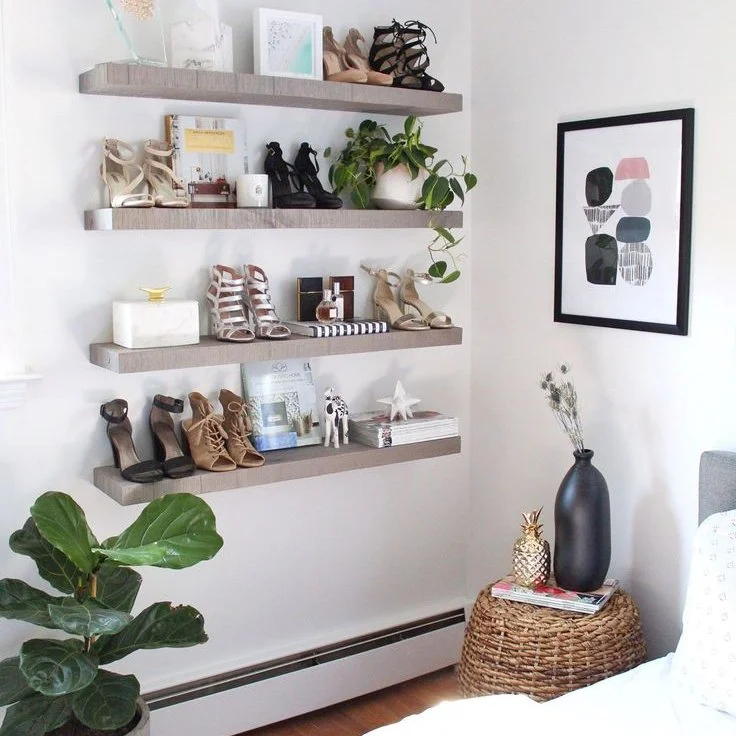
This doesn’t mean your room should look empty or sterile. It means being selective. Choose a few statement pieces instead of many small ones. A single large piece of art can have more impact than a gallery wall of tiny frames. A bold, colorful chair can be a focal point without needing five other accessories to support it. Think quality over quantity. When you leave space around an object, you highlight its importance. It becomes a feature, not just filler. This approach also makes cleaning easier, which is a nice bonus. So, resist the urge to fill every gap. Let the space speak for itself. Sometimes, less really is more.
Light It Up Strategically
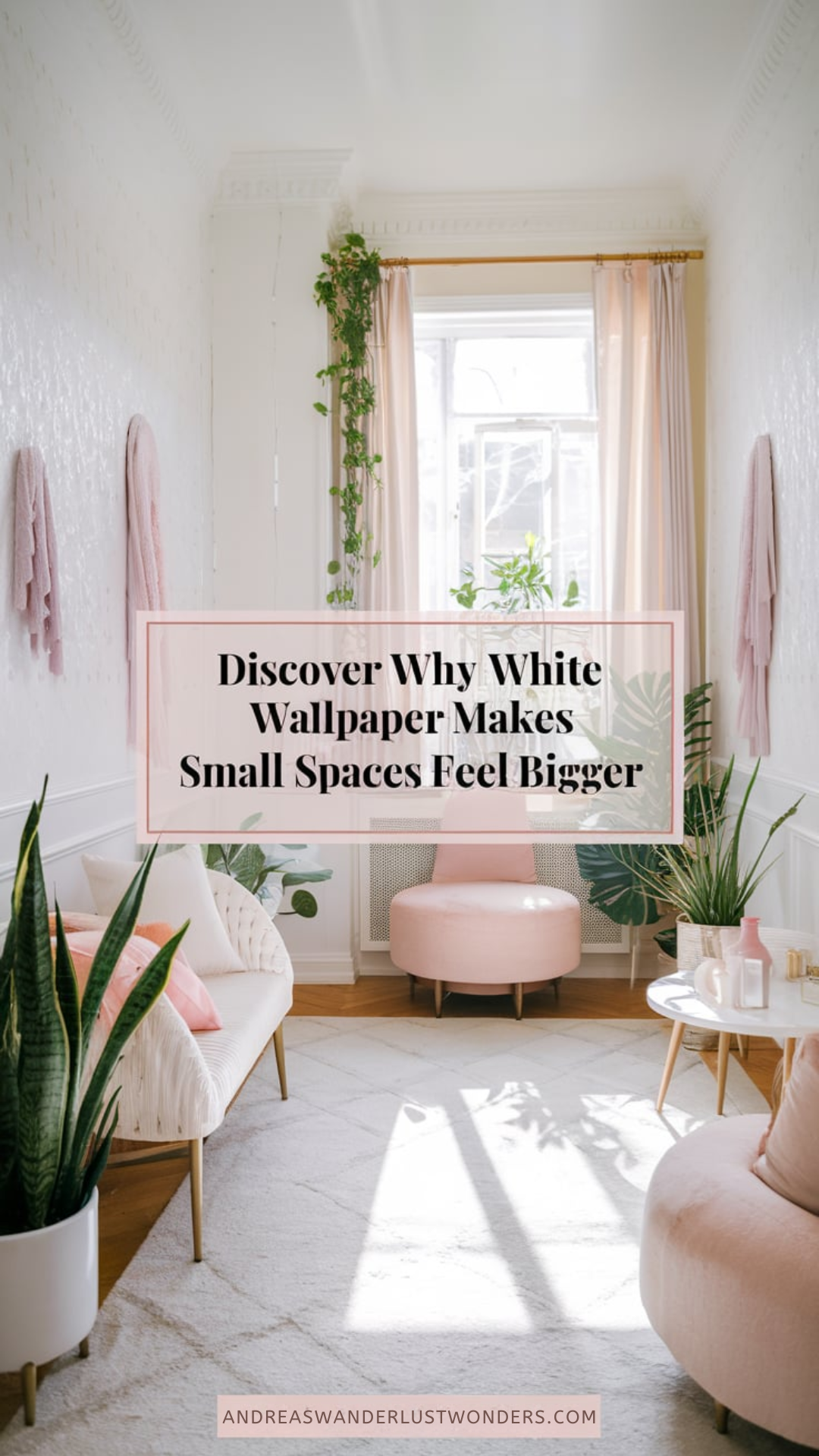
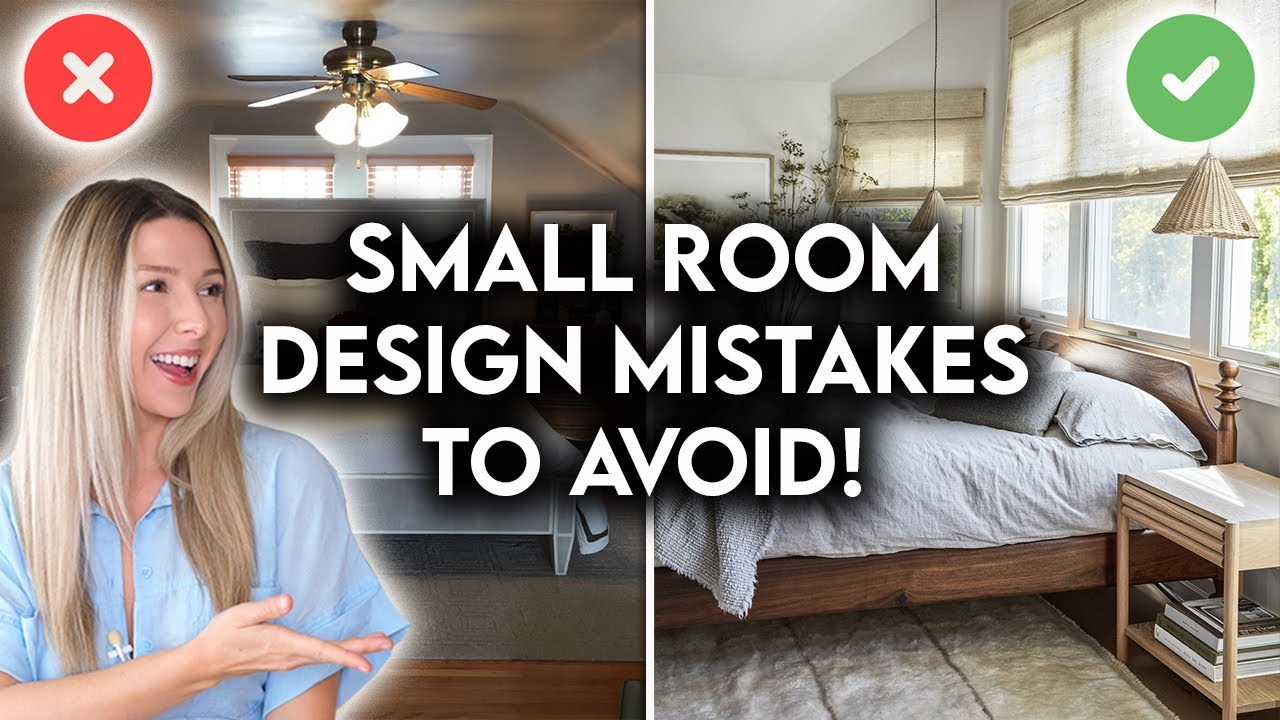
Lighting can make or break a small room. Poor lighting makes spaces feel smaller and darker, while good lighting can open them up and make them feel airy. Layer your lighting. Don’t rely on just one overhead fixture. Use a combination of ambient, task, and accent lighting. Floor lamps, table lamps, and wall sconces can add depth and dimension. Place lights in corners to push back the shadows and make the room feel larger. Mirrors are also your best friend here. Placing a mirror opposite a window reflects light and creates the illusion of depth. It’s like adding a virtual window.
In 2026, smart lighting solutions are more accessible than ever. You can adjust the color temperature and brightness to suit different times of day. Warm light in the evening creates a cozy atmosphere, while cooler light during the day keeps things energized. But even without smart tech, simple changes can have a big impact. Swap out dark lampshades for lighter ones. Use sheer curtains to let in maximum natural light. And don’t forget about under-cabinet lighting in kitchens or shelves. These small touches add glow and warmth, making the space feel inviting and expansive. Good lighting is like makeup for your room; it highlights the best features and minimizes the flaws.
Finally, remember that your home should reflect who you are. But in a small space, personalization needs to be curated. It’s easy for sentimental items to turn into clutter. Be ruthless in your editing. Keep the things that truly bring you joy or have significant meaning. Store the rest. Use hidden storage solutions like ottomans with compartments, beds with drawers, or baskets that blend with your decor. This keeps the visual noise down while still allowing you to surround yourself with things you love.
Display your personality through textiles, art, and plants. A few well-chosen throw pillows can add color and texture without taking up floor space. Hanging plants can bring life to vertical surfaces. And art doesn’t have to be expensive; it just has to resonate with you. The goal is to create a space that feels lived-in and loved, not like a showroom. It’s about balance. Too little personality feels cold; too much feels chaotic. Find that sweet spot where your style shines through without overwhelming the space. After all, your home is your sanctuary. It should feel like a hug, not a hurdle.
Arranging furniture in a compact room is indeed an art form. It requires patience, creativity, and a willingness to experiment. But the reward is a space that feels both stylish and functional, a place where you can truly relax and thrive. By focusing on flow, scale, zoning, negative space, lighting, and personal touches, you can transform even the smallest room into a haven of balance and beauty. So, grab a tape measure, move some things around, and see what happens. You might just surprise yourself with what you can create.