Have you ever walked into a tiny city apartment and felt instantly claustrophobic. For years, the standard response to cramped urban spaces was to lift everything up on skinny, toothpick legs. The idea was that seeing more floor made a room feel bigger, but instead, it often just felt fragile and cluttered. In 2026, we are completely tossing out that old playbook.
A major shift is happening right under our feet. Urbanites are universally falling in love with low-profile silhouettes and grounded furniture. It is a design movement that is less about showing off and much more about creating a true personal sanctuary. By bringing the focal point of our rooms closer to the floor, we are discovering a whole new way to experience our homes.
The Visual Magic of Horizontal Lines
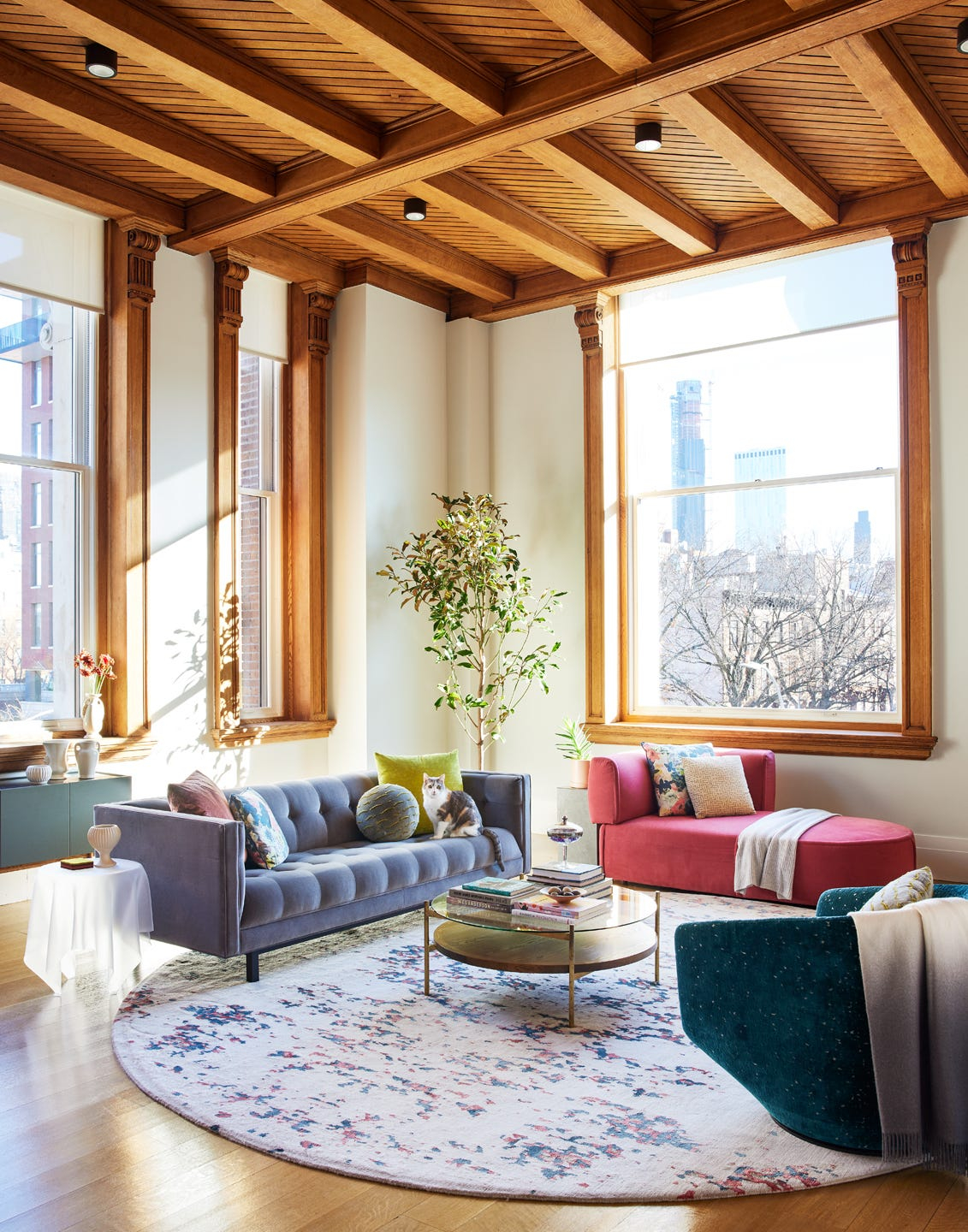
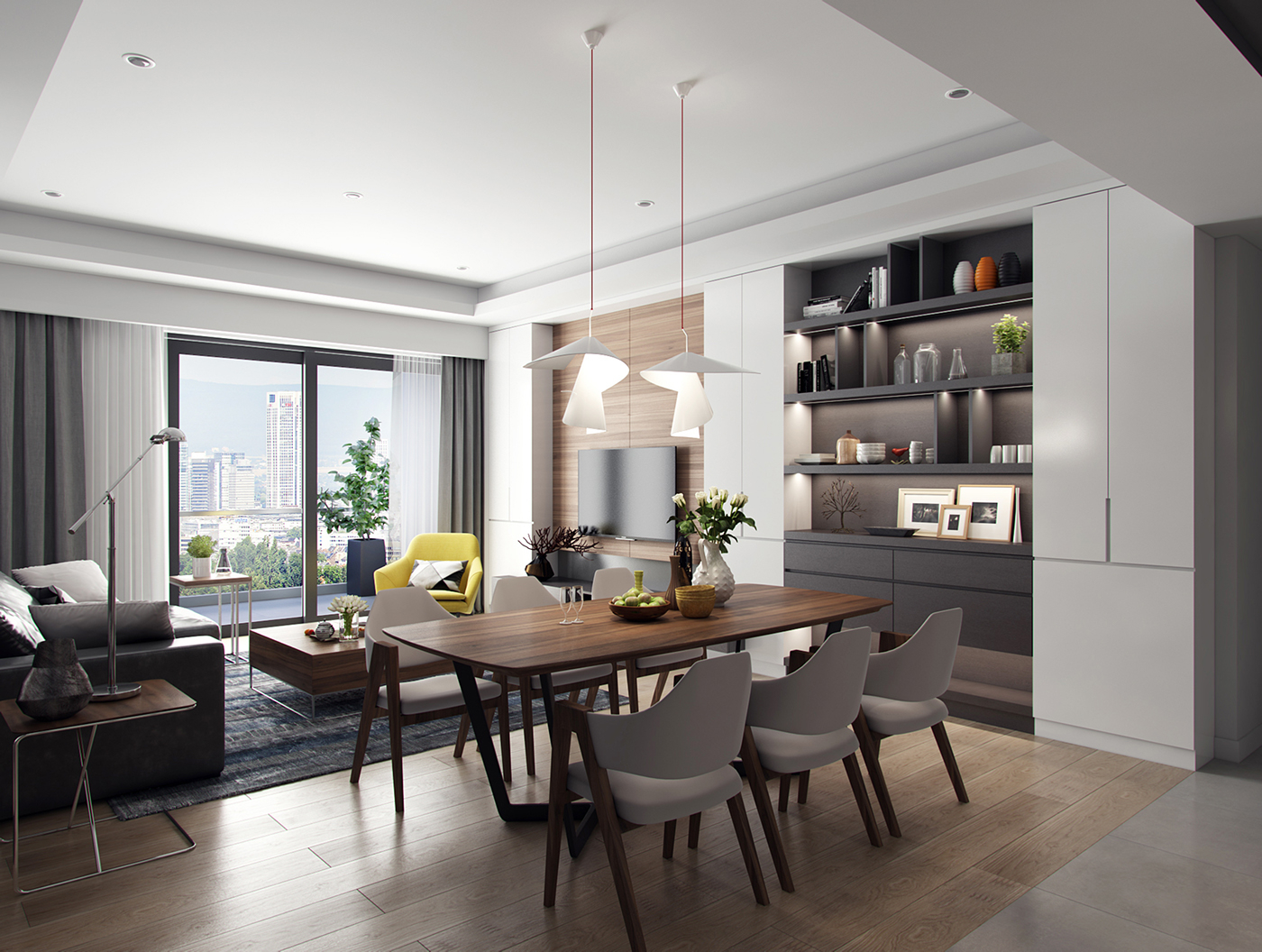
The magic of low-profile furniture lies in a pretty simple optical illusion. When your sofa, coffee table, and storage units sit close to the earth, they free up an incredible amount of overhead space. This horizontal emphasis cuts down on visual clutter dramatically. Suddenly, rooms with standard or even low ceilings feel much taller and open.
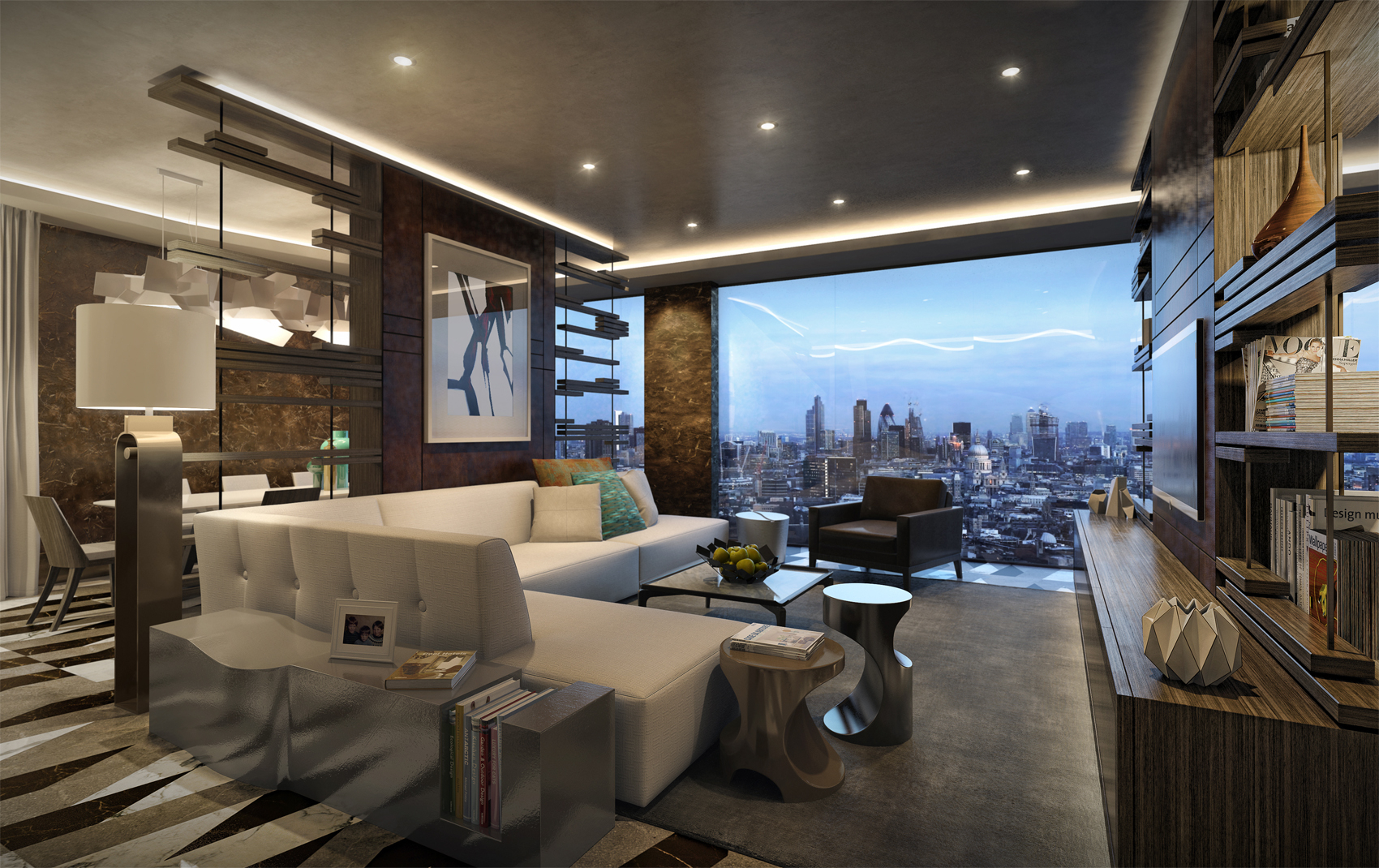
Instead of heavy pieces blocking your view or cutting across windows, these low silhouettes allow natural light to move freely across the room. It creates an uninterrupted view that makes even a compact studio feel expansive. It is not about emptying out your room like the cold minimalism of the past; it is about placing things in a way that lets the entire space breathe.
From "Show Home" to "Sink-In" Comfort
For a long time, living rooms were styled to look perfect for social media photos, but they weren’t actually comfortable to live in. This year marks the definitive end of that rigid, stiff era. Comfort has officially become a non-negotiable requirement. People want furniture that feels like an intentional hug after a long day of work.
+------------------------------------+------------------------------------+
| Old Standard Living Room           | 2026 Grounded Living Room          |
+------------------------------------+------------------------------------+
| Stiff, upright high-back sofas     | Deep, low-slung modular seating    |
| Leggy tables that mimic showrooms  | Monolithic, floor-hugging bases    |
| Cold, perfectly matching synthetics| Warm, highly tactile raw textures  |
+------------------------------------+------------------------------------+
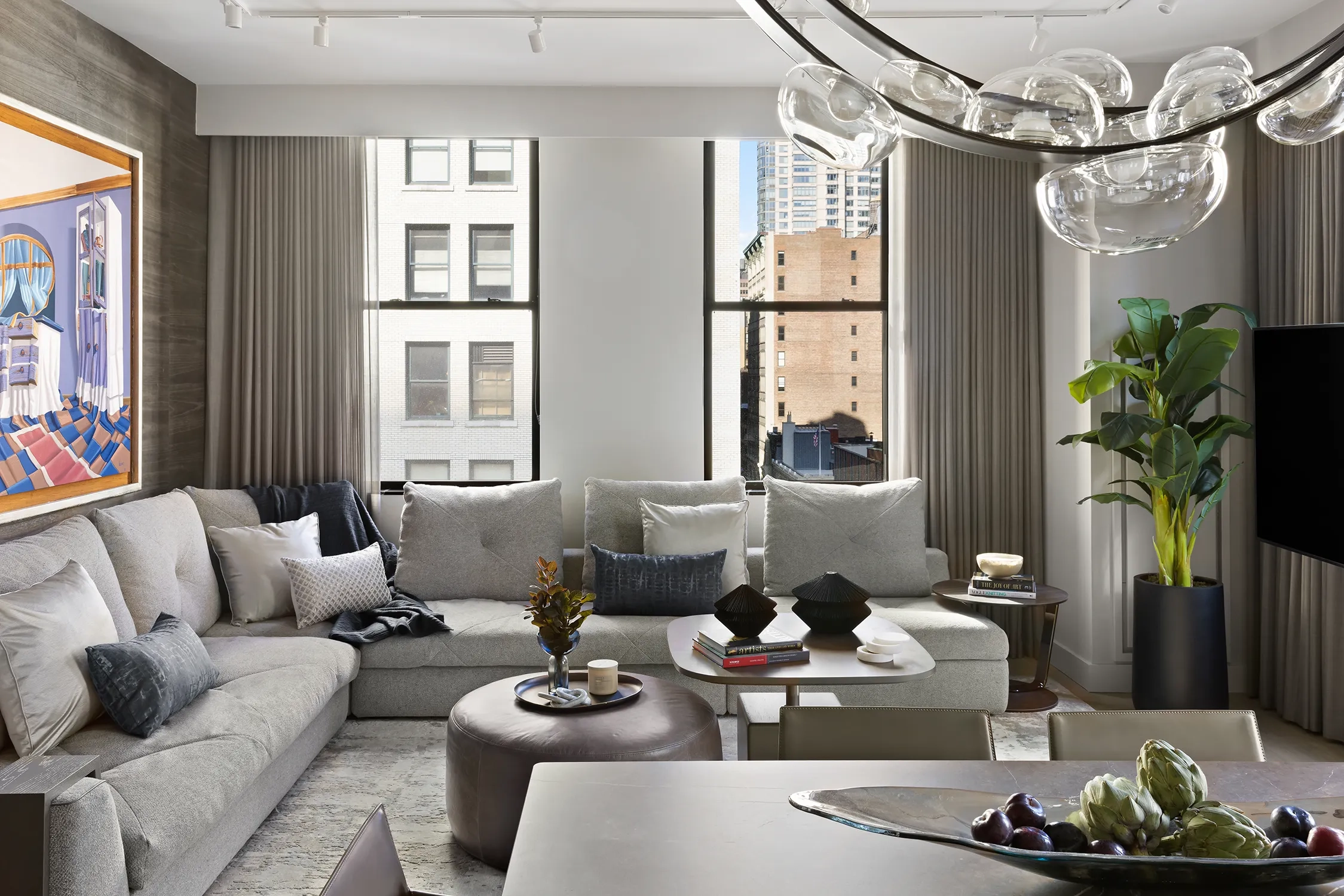
Plush, oversized "fat furniture" and deeply cushioned, low-slung sofas are leading this charge. These pieces encourage true relaxation rather than formal, upright sitting. When you are positioned lower to the ground, your body naturally relaxes, transforming the living room into a cozy cocoon built for lounging, reading, and connecting.
The Rise of the Japandi Sanctuary
You can’t discuss grounded furniture without mentioning the massive influence of Japandi design. In 2026, this blend of Japanese rustic simplicity and Scandinavian functionalism has moved from a niche look straight into the mainstream. It focuses heavily on platform structures and floor-adjacent seating like modern divans or low-profile sectionals.
- Platform Bases: Solid wood frames that ground the room visually.
- Minimalist Height: Keeping items below waist-level to increase airiness.
- Honest Craftsmanship: Prioritizing beautiful, functional joinery over shiny, fake coatings.
This aesthetic provides a direct mental break from the non-stop digital overstimulation of modern city life. It uses organic materials like light oak, ash, and bamboo to give our homes a sense of stability and peace that thin, trendy metal furniture simply cannot replicate.
Mixing Earthy Palettes and Natural Materials
As we lean further into these low-profile shapes, the colors and textures we pair them with are changing too. The era of cold, sterile grays has sailed away for good. Today, living rooms are filled with rich, earth-derived colors like mocha mousse, soft clay, terracotta, and olive green that make spaces feel instantly grounded.
Texture is also a massive deal right now. Since low furniture puts you closer to the materials, we are seeing a massive demand for highly tactile surfaces. Think nubby bouclé, rich washed linen, chunky wool rugs, and matte ceramics. People want to reach out and touch their surroundings, finding comfort in the small, imperfect details of handmade objects.
Fluid Shapes and Informal Layouts
Another exciting piece of this grounded movement is how it completely shakes up our traditional room layouts. Rigid, symmetrical arrangements are being replaced by incredibly fluid and informal setups. Rounded sofas, crescent shapes, and modular blocks allow you to piece your room together like a puzzle that works specifically for your life.
Low-profile poufs, casual floor cushions, and heavy stone coffee tables can easily be moved around depending on whether you are hosting a movie night or working from home. This flexibility makes the living room feel completely unregimented. It allows the space to evolve naturally based on how you actually live and move through it every single day.
Designing a Personal Living Space
Ultimately, lowering our furniture is part of a much bigger cultural shift toward authentic, slow living. We are no longer trying to impress visitors with pristine, untouchable spaces. Instead, we are designing homes that prioritize our own mental well-being and daily comfort.
Investing in low-slung, high-quality pieces means choosing longevity over fast furniture trends. These items are built to last and designed to age beautifully alongside us. By anchoring our furniture closer to the earth, we are quite literally grounding ourselves, creating a private retreat where we can truly rest and recharge.
If you are eager to bring this relaxed, expansive vibe into your own home, you don’t need to completely gut your room overnight. Start small by introducing a few low-profile elements to see how the energy of your space shifts.
First, try swapping out a tall, leggy coffee table for a solid, low-slung wooden or stone option. This instantly lowers the room’s visual center of gravity. Next, look into modular floor cushions or a low pouf to add casual, flexible seating. Finally, embrace warm, nature-inspired colors through tactile blankets or textured pillows, and watch how your living room slowly transforms into a calm, welcoming haven.