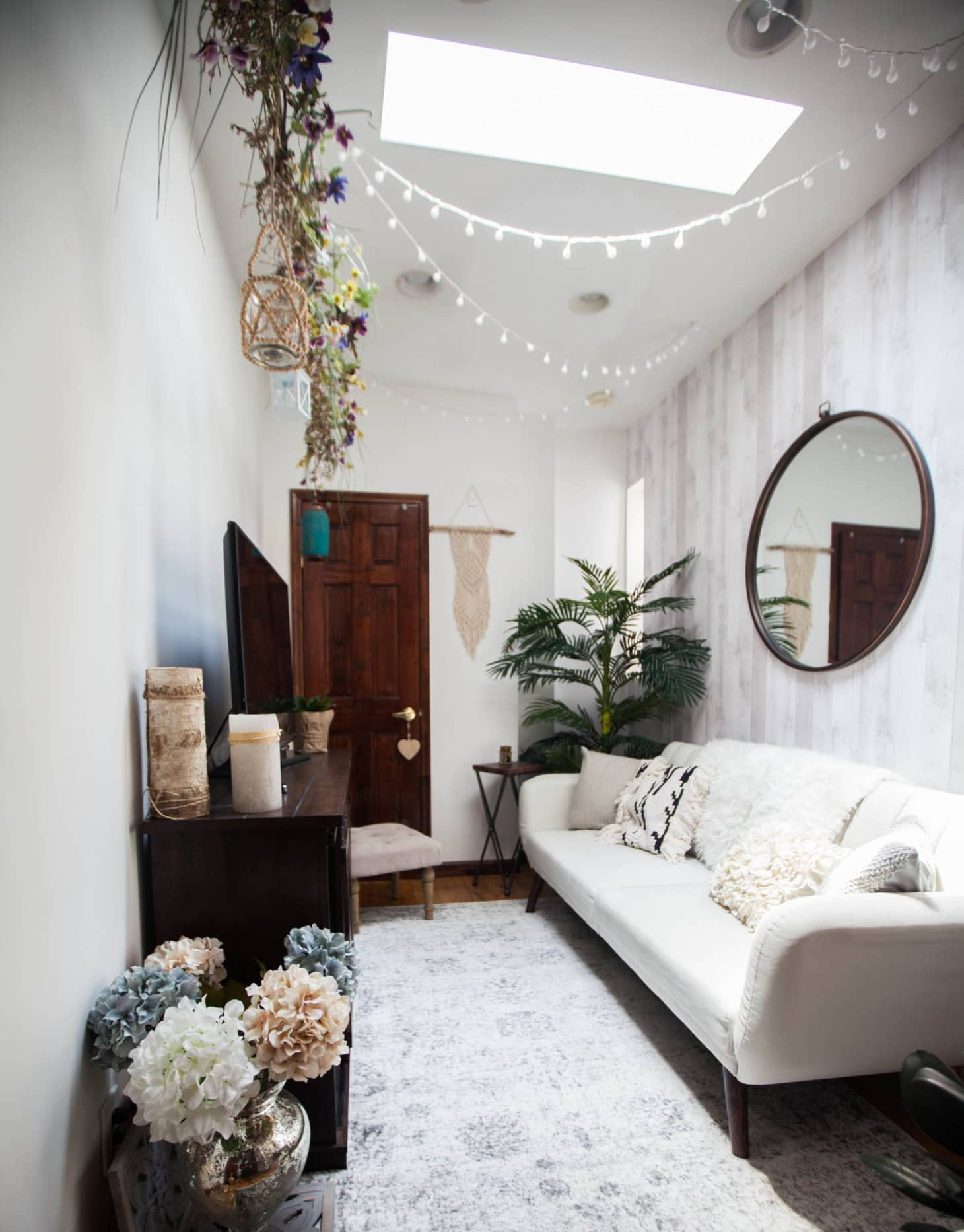
Ever walked into your living room and felt like the walls were closing in? You’re not alone. In 2026, with urban living spaces shrinking and rent prices climbing, more of us are squeezing our lives into smaller footprints. It’s easy to feel stuck. But here’s the secret nobody tells you: it’s not about the square footage. It’s about the flow. A cramped space doesn’t have to feel claustrophobic. With the right swaps, that tiny nook can become your favorite spot in the house.
We’ve all been there. Staring at a sofa that eats up half the room, wondering where to put the coffee table, let alone a guest chair. Traditional furniture was built for bigger homes, back when rooms had room to breathe. Today, we need pieces that work as hard as we do. This isn’t just about buying less stuff. It’s about choosing stuff that does double duty. Think of it as editing your home. Every piece should earn its keep. If it doesn’t serve a purpose or bring joy, it’s just clutter waiting to happen. Let’s look at how simple swaps can change everything.
Ditch the Static Sofa for a Shape-Shifter
The sofa is usually the biggest offender in a small living room. It’s heavy, bulky, and often sits there doing nothing but taking up space during the day. Swapping it for a high-quality sleeper sofa or a modular sectional changes the game entirely. Modern designs in 2026 are sleeker and more comfortable than the clunky pull-outs of the past. Look for one with hidden storage underneath for blankets or pillows.
But why stop there? Consider a daybed style if you rarely have overnight guests. It acts as a chic lounge spot during the day and a bed at night. Or, go for a modular setup where you can move pieces around. Need more floor space for yoga? Move a section to the corner. Expecting friends? Pull them out into a U-shape. This flexibility makes the room feel alive, not static. It adapts to your life, rather than forcing your life to adapt to it.
Another option gaining traction is the armless loveseat paired with lightweight accent chairs. Heavy arms on sofas visually block sightlines, making the room feel smaller. Armless designs keep the eye moving across the space, creating an illusion of depth. Plus, those accent chairs can be tucked under a side table or moved to another room when not in use. It’s about keeping options open.
Swap the Coffee Table for a Lift-Top Wonder
Traditional coffee tables are pretty, sure. But they’re also dead space. You put a magazine on them, maybe a remote, and that’s it. They don’t work for you. Enter the lift-top coffee table. This simple mechanism transforms a low surface into a dining desk or workspace instantly. For those working from home in a studio apartment, this is a lifesaver.
Imagine finishing your morning coffee, lifting the top, and having a perfect height desk for your laptop. No need to hunch over a kitchen counter. When work is done, lower it back down. Many models also come with internal compartments. Your chargers, notebooks, and coasters hide away, keeping the surface clean and minimalist. Clutter is the enemy of small spaces, and hidden storage is your best friend.
If a lift-top feels too mechanical, consider nesting tables. These are sets of two or three tables that slide under each other. When you’re alone, you only need the smallest one for your drink. When friends come over, pull them out to create extra surface area for snacks and drinks. They take up almost no floor space when stored but offer maximum utility when needed. It’s smart design that respects your footprint.
Replace the Bulky Dresser with Vertical Storage Units
Bedrooms in small apartments are often afterthoughts. We cram in a king-size bed and a massive dresser, leaving no room to walk. The fix? Go vertical. Swap that wide, horizontal dresser for a tall, narrow chest of drawers or a wall-mounted shelving unit. Floor space is premium real estate. Wall space is often wasted.
Tall units draw the eye upward, which makes ceilings feel higher and the room larger. Look for designs that anchor to the wall for safety and stability. You can even install floating shelves above the bed for books or decor, freeing up nightstand space. A single slim nightstand is often enough if you have overhead storage.
Don’t forget the space under the bed. If you don’t have a platform bed with built-in drawers, invest in rolling storage bins. They slide out easily and hold off-season clothes or extra linens. This swap clears out your closet, making it feel less chaotic. A tidy closet means a calmer mind. And in a small space, mental clarity is just as important as physical space.
Trade the Dining Set for a Drop-Leaf or Wall-Mounted Table
Do you really need a four-person dining table that sits empty most of the week? Probably not. Swapping it for a drop-leaf table or a wall-mounted fold-down table frees up huge amounts of space. Drop-leaf tables can be pushed against a wall, taking up minimal width. When you need to eat or work, flip up the leaves.
Wall-mounted tables are even more dramatic. They fold flat against the wall when not in use, disappearing completely. Some designs even include folding chairs that hang on the same panel. It’s like magic. One minute you have a dining area, the next you have an open wall for art or a mirror. This is ideal for studio apartments where every zone needs to be flexible.
If you prefer something more permanent but still small, consider a bistro set. Two small chairs and a tiny round table take up a fraction of the space of a rectangular dining set. Round tables also improve traffic flow because there are no sharp corners to bump into. It’s a small detail, but in a tight space, avoiding bruises matters. Plus, it feels cozy and intimate, perfect for quiet dinners.
Exchange Heavy Curtains for Light, Airy Window Treatments
This isn’t furniture per se, but it’s a crucial swap for visual space. Heavy, dark drapes make windows look smaller and rooms feel cave-like. Swap them for sheer curtains or light-filtering shades. Let the natural light pour in. Light makes spaces feel bigger and airier. It’s a basic principle of design, but often overlooked.
If you need privacy, layer a sheer curtain with a lightweight blind. You can close the blind at night but keep the sheers up during the day to soften the light. Avoid valances or heavy cornices that box in the window. Hang curtains high and wide, closer to the ceiling than the window frame. This trick makes the window appear taller and the ceiling higher.
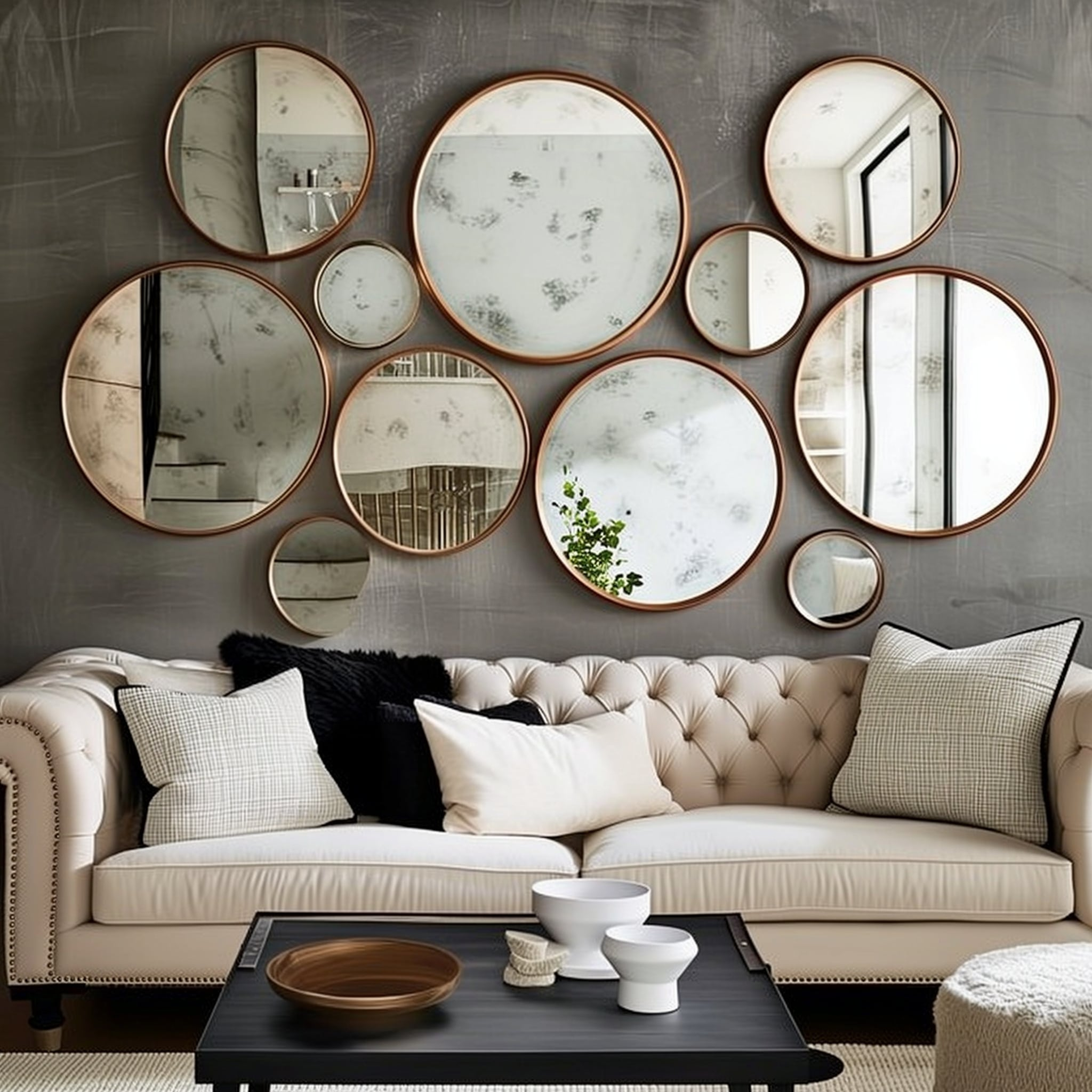
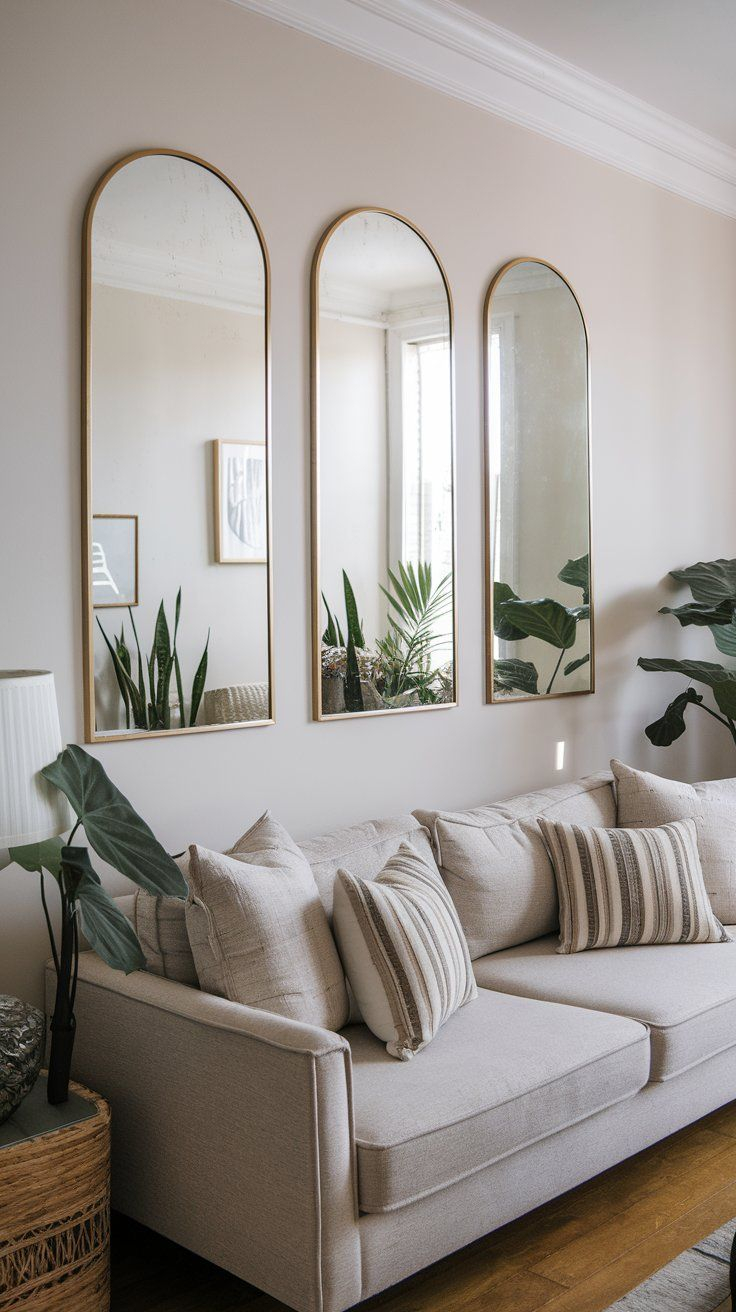
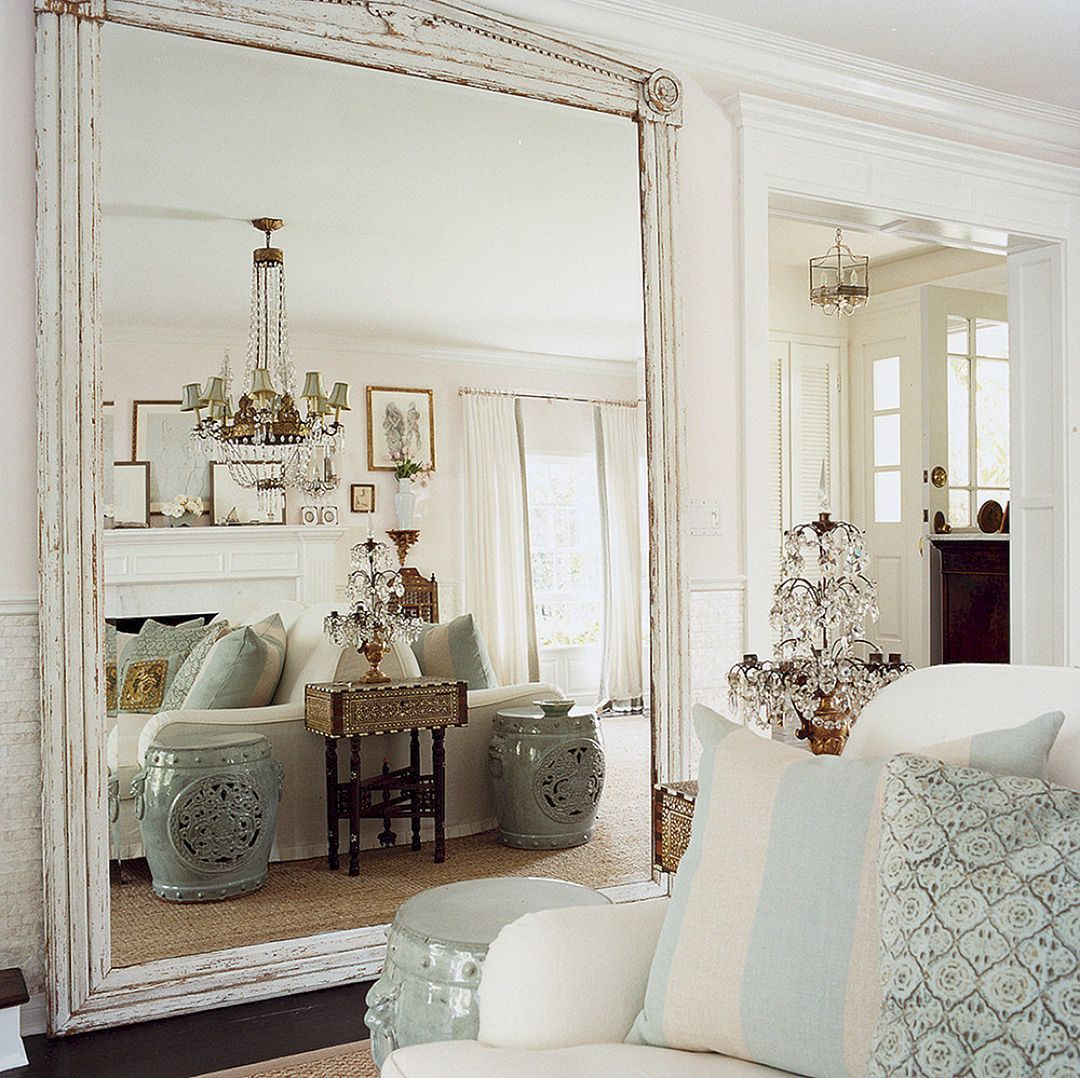
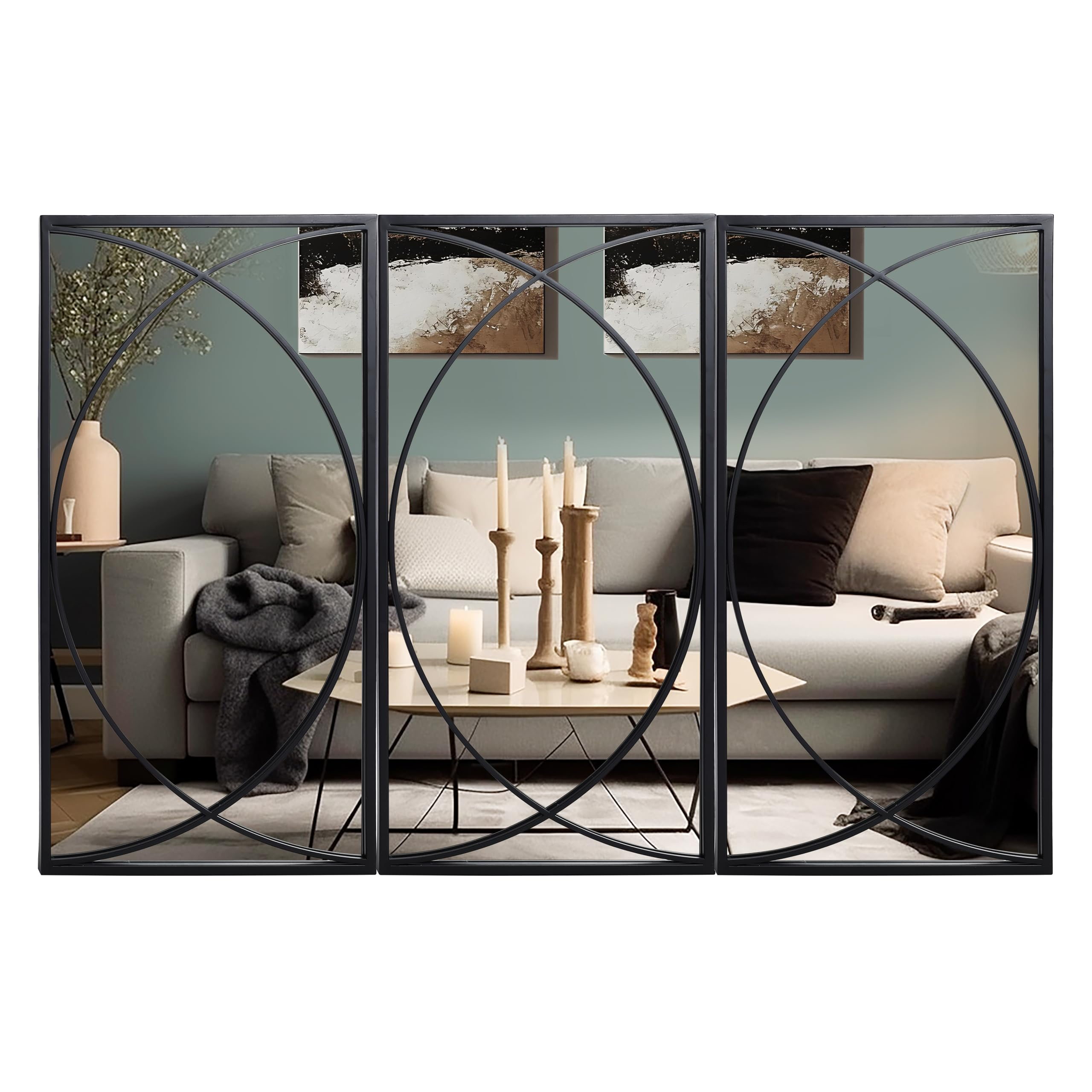
Mirrors are another powerful tool here. Swapping a blank wall for a large mirror reflects light and view, doubling the visual depth of the room. Place it opposite a window for maximum effect. It’s like adding a virtual window. Just be mindful of what it reflects. You don’t want to mirror a cluttered corner. Keep the reflection clean and bright.
Swap Cluttered Surfaces for Multi-Functional Ottomans
Ottomans are the unsung heroes of small spaces. They can be footrests, extra seating, coffee tables, or storage bins. Swapping a rigid side table for a storage ottoman adds softness and utility. Choose one with a removable lid to stash away remotes, magazines, or toys. It keeps the visual noise down.
Look for ottomans on wheels if you move things around often. They glide easily across floors, letting you reconfigure the room in seconds. A pair of small ottomans can serve as footrests for a sofa or pull up as extra seats for guests. When not in use, they tuck neatly under a console table or beside a chair.
Fabric choice matters too. Lighter colors reflect light, while darker ones absorb it. In a small room, mid-tone neutrals work well to blend in without disappearing. Texture adds interest without visual weight. A knitted or woven ottoman adds warmth and coziness, making the space feel inviting rather than just functional. It’s about balance.
Transforming a cramped space isn’t about deprivation. It’s about intention. Each swap we’ve discussed—from the shape-shifting sofa to the vanishing dining table—is designed to give you back control. Control over your environment, your comfort, and your peace of mind. In 2026, we know that home is more than a place to sleep. It’s where we work, relax, and recharge.
Start with one swap. Maybe it’s the coffee table. Maybe it’s clearing out the dresser. See how it feels. Notice the extra breath in the room. Small changes compound. Before you know it, your tiny apartment feels like a curated retreat. It’s cozy, yes, but also spacious in the ways that matter. You’ve created room to live, not just exist.
Remember, perfection isn’t the goal. Function and feeling are. If a piece doesn’t serve you, let it go. Make space for what does. Your home should support your life, not hinder it. So take a look around. What’s weighing you down? Swap it out. Breathe easier. Welcome to your new, cozy haven.