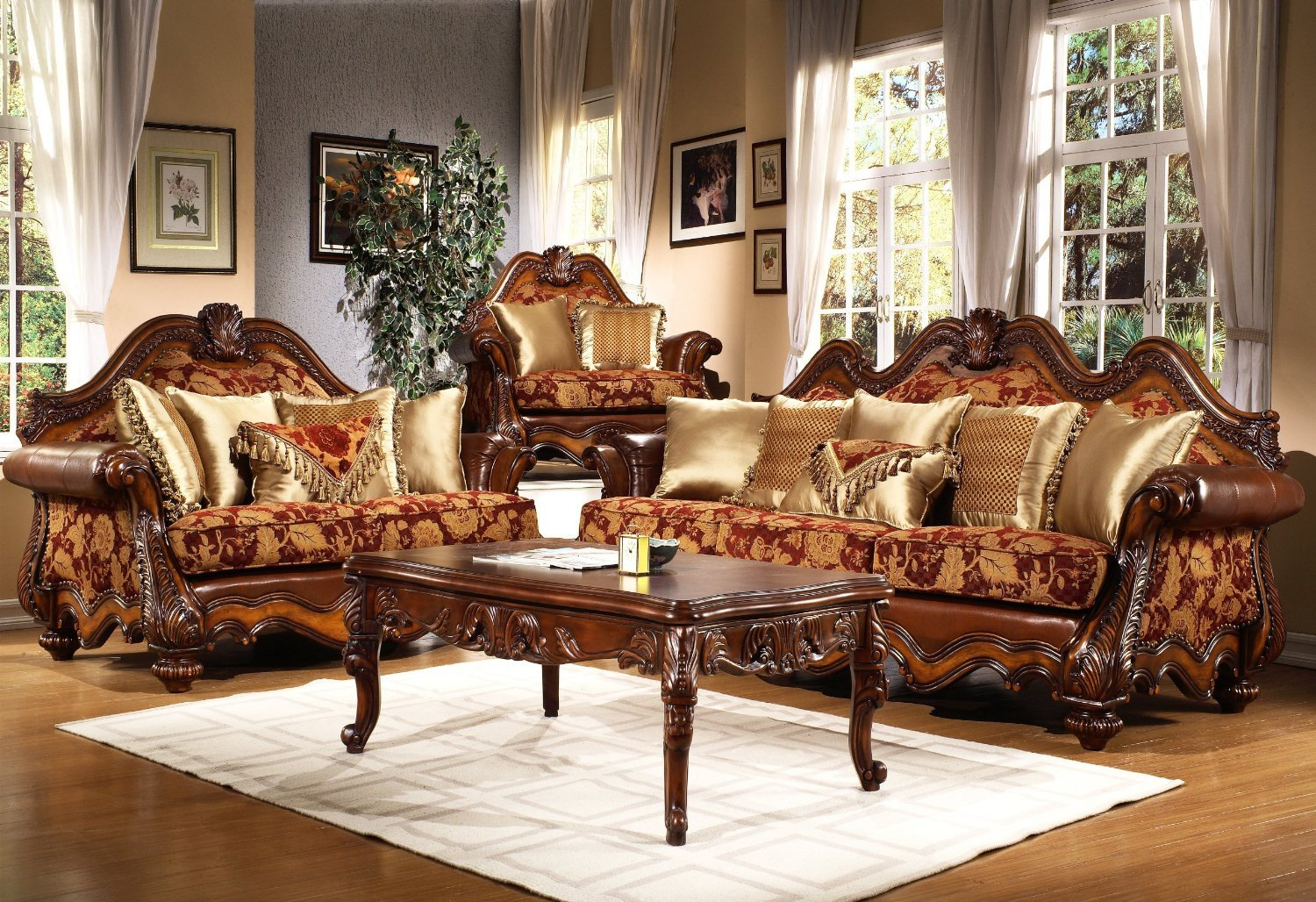
Have you ever walked into a friend’s house and felt instantly at ease? It wasn’t because everything matched perfectly or looked like it came straight out of a catalog. It was because the space felt real. It had quirks. It had history. In 2026, we are finally moving away from the sterile, showroom-perfect aesthetic that dominated the early twenties. People are tired of spaces that look good in photos but feel cold to live in. We want rooms that hug us back.
This shift isn’t just about following a new trend; it’s about reclaiming our homes as sanctuaries. The data backs this up. Recent searches on platforms like Houzz and Pinterest show a massive spike in terms like "lived-in," "eclectic," and "comfort-first." We aren’t just decorating; we are curating experiences. Your living room is the stage for your life’s quiet moments and loud celebrations. So, how do you make it feel uniquely yours without it looking like a chaotic mess? It starts with letting go of the rules.
Embracing the "Perfectly Imperfect" Aesthetic
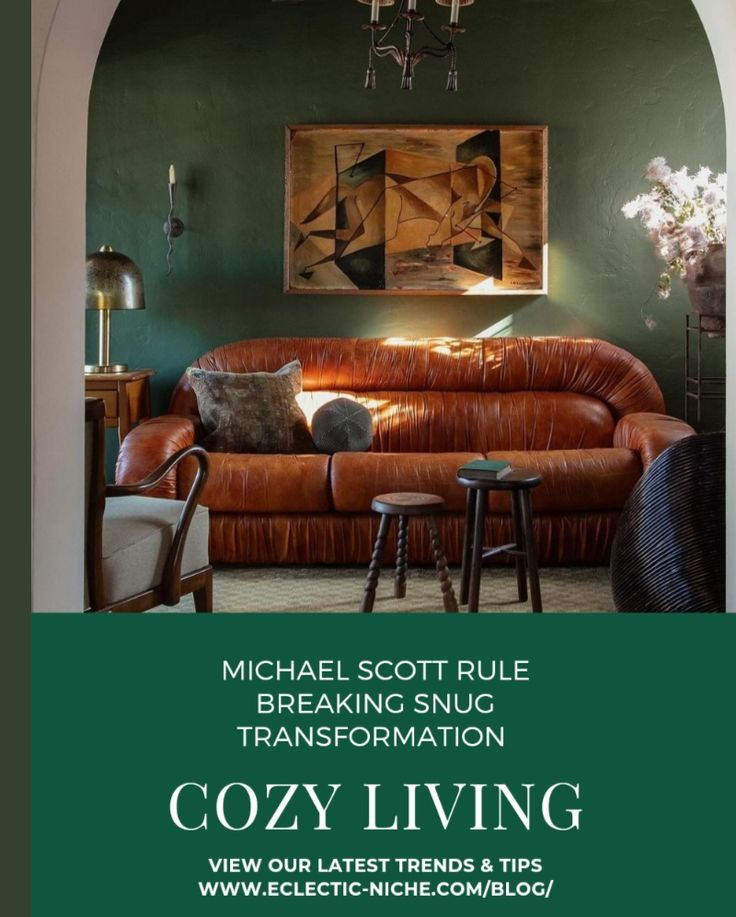
The biggest change in 2026 is the celebration of imperfection. For years, we were told to hide the wear and tear. Now, we highlight it. This concept, often called "wabi-sabi" in design circles, is all about finding beauty in things that are imperfect, impermanent, and incomplete. Think of a leather sofa that has softened and cracked slightly over time, or a wooden coffee table with visible grain and knots. These aren’t flaws; they are features. They tell a story.
When you start designing, look for pieces that have soul. Maybe it’s a vintage armchair you found at an estate sale, or a rug that’s slightly faded. Don’t be afraid to mix eras. A mid-century modern chair can sit beautifully next to a contemporary, organic-shaped sofa. The key is balance. If one piece is very structured, let the other be soft and flowing. This contrast creates visual interest and prevents the room from feeling static. It makes the space feel collected over time, rather than bought in a day.
Also, consider the textures. 2026 is big on tactile experiences. We crave connection through touch. Layer different materials like wool, linen, clay, and wood. A chunky knit throw draped over a smooth leather seat invites you to sit down and stay awhile. These layers add depth and warmth, making the room feel cozy and inviting. It’s not about having the most expensive items; it’s about choosing items that feel good to be around.
Color Palettes That Ground and Inspire
Gone are the days of stark white walls being the default choice. While white still has its place, 2026 sees a return to warmer, earthier tones. Think terracotta, olive green, deep browns, and soft greiges. These colors create a backdrop that feels calming and grounded. They mimic the natural world, which helps reduce stress and promotes relaxation. According to recent design reports, organic colors are dominating because they make spaces feel lived-in and connected to nature.
But don’t feel limited to neutrals. Playful accents are having a moment too. If you love bold colors, introduce them through accessories or a single accent wall. A vibrant blue vase or a set of yellow cushions can add a pop of personality without overwhelming the space. The trick is to use color intentionally. Ask yourself what mood you want to create. Do you want energy? Go for warmer, brighter hues. Do you want calm? Stick to cooler, muted tones.
Lighting plays a huge role in how color perceives. Natural light changes throughout the day, altering the look of your walls. Test your paint samples at different times before committing. And remember, artificial lighting matters just as much. Warm bulbs (around 2700K-3000K) enhance earthy tones and create a cozy atmosphere in the evening. Avoid harsh, cool lights in your main living area unless you’re using them for specific task lighting.
Furniture That Flows With Your Life
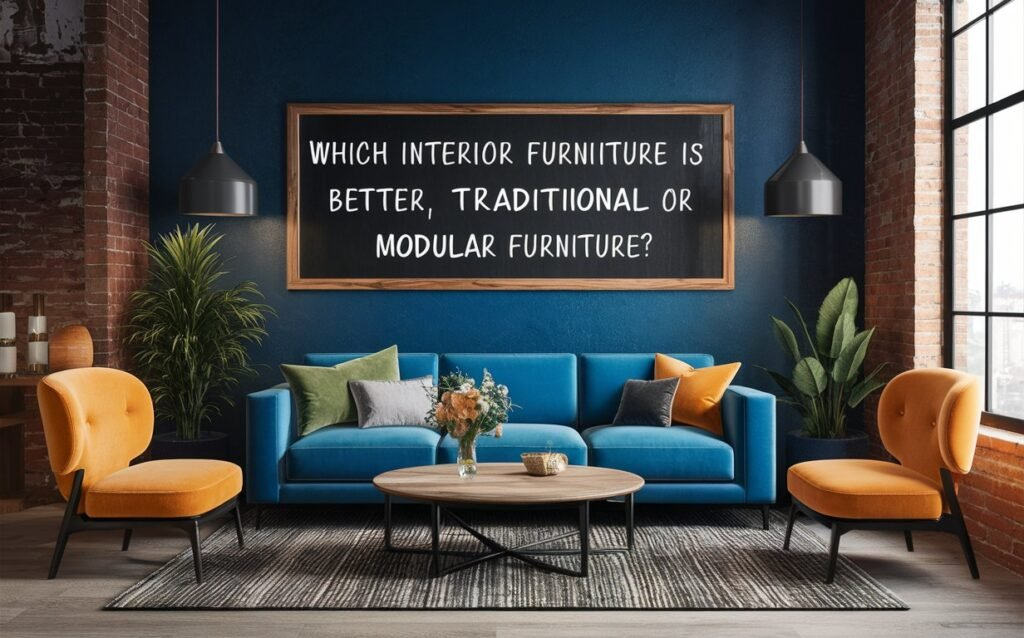
In 2026, furniture is becoming more flexible and functional. The rigid, formal living room layout is out. In its place, we see adaptable spaces that can shift to meet our needs. Modular sofas are incredibly popular because they can be rearranged for movie nights, parties, or quiet reading sessions. Look for pieces on wheels or lightweight chairs that can be easily moved. This flexibility allows the room to evolve with your daily rhythms.
Comfort is non-negotiable. Deep seats, plush cushions, and supportive backs are essential. We spend more time at home now, so our furniture needs to work harder. It’s not just about looking good; it’s about feeling good. Test everything out before you buy. Sit in it. Lie down. Does it support your body? Does it invite you to relax? If the answer is no, keep looking.
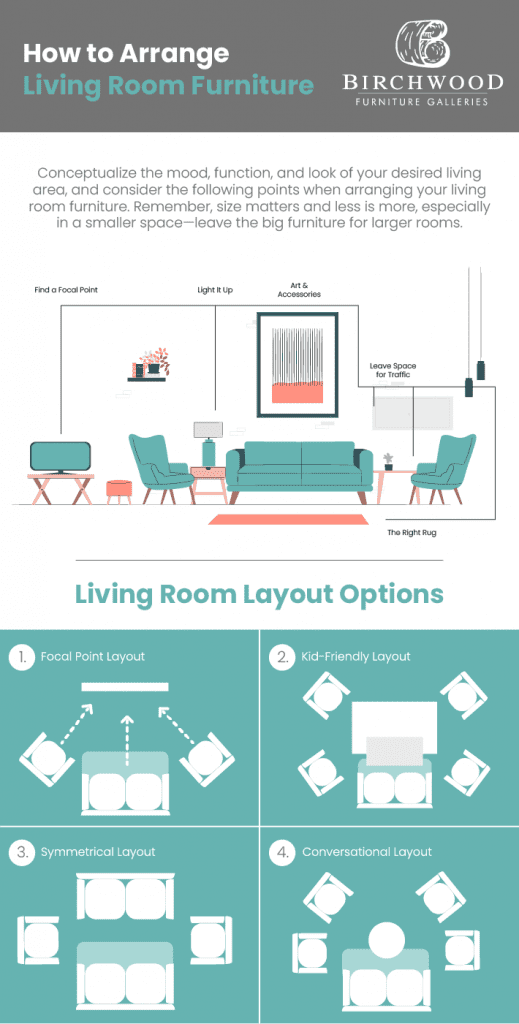
Scale is another critical factor. Many people make the mistake of buying furniture that is too big or too small for their space. Measure your room carefully and create a floor plan. Leave enough room to walk around comfortably. A cluttered room feels stressful, while a spacious one feels airy and open. If you have a small living room, opt for multi-functional pieces like ottomans with storage or nesting tables. These items save space and add utility without sacrificing style.
Curating Personal Artifacts and Stories
A truly unique living room is filled with things that mean something to you. This is where your personality shines brightest. Instead of buying generic art prints, display photos from your travels, handmade pottery from a local artist, or heirlooms passed down through generations. These items spark conversations and create emotional connections. They make the space feel authentic and deeply personal.
Shelving is a great way to showcase these treasures. Mix books with decorative objects. Stack some books horizontally and stand others vertically to create visual variety. Add plants, candles, or small sculptures. The goal is to create vignettes that draw the eye and tell a story. Don’t worry about symmetry. Asymmetrical arrangements often feel more natural and interesting.
Remember, less can be more. You don’t need to fill every surface. Leave some negative space to let your favorite pieces breathe. This also makes the room feel less cluttered and more serene. Rotate your displays seasonally or whenever you feel like a change. This keeps the room feeling fresh and dynamic without requiring a major overhaul. It’s a simple way to keep your space evolving with you.
Integrating Nature and Organic Elements
Biophilic design—bringing the outdoors in—is stronger than ever in 2026. We have a innate desire to connect with nature, and our living rooms are the perfect place to nurture this connection. Start with plants. They add life, color, and improve air quality. Choose varieties that thrive in your light conditions. Large floor plants like fiddle leaf figs or monsteras make bold statements, while smaller succulents or pothos can sit on shelves or tables.
Beyond plants, incorporate natural materials. Wood, stone, rattan, and jute add texture and warmth. A jute rug underfoot feels grounding. A stone side table adds a touch of rugged elegance. Wooden beams or accents bring warmth to ceilings and walls. These elements help blur the line between inside and outside, creating a sense of harmony and peace.
Maximize natural light whenever possible. Keep windows unobstructed or use sheer curtains that allow light to filter through. If you have a view, frame it. Make the window a focal point. If your view isn’t great, create one with a large mirror that reflects light and gives the illusion of space. The goal is to bring the calming effects of nature into your daily life, even if you live in a bustling city.
Lighting is often an afterthought, but it’s one of the most important elements in design. In 2026, we are moving away from single overhead lights toward layered lighting schemes. This means combining ambient, task, and accent lighting to create depth and flexibility. Ambient lighting provides overall illumination. Task lighting helps with specific activities like reading. Accent lighting highlights architectural features or artwork.
Use a mix of floor lamps, table lamps, and sconces. This allows you to control the mood. Dimmers are your best friend. Being able to lower the lights in the evening signals to your brain that it’s time to wind down. Warm, soft lighting creates a cozy, intimate atmosphere. Avoid harsh, bright lights in the main seating area.
Consider statement lighting fixtures as art pieces. A sculptural pendant or a unique floor lamp can serve as a focal point. But ensure it complements the rest of the room rather than overpowering it. The right lighting can transform a flat, boring room into a dynamic, inviting space. It highlights textures, enhances colors, and creates shadows that add intrigue. Take your time to get this right. It makes a huge difference in how the room feels at night.
Designing a living room that feels uniquely yours is a journey, not a destination. It’s about listening to your instincts and honoring your lifestyle. In 2026, the focus is on comfort, character, and connection. By embracing imperfection, choosing warm colors, selecting flexible furniture, curating personal items, integrating nature, and layering lighting, you can create a space that truly reflects who you are.
Don’t rush the process. Let your room evolve over time. Add pieces as you find them. Change things up as your tastes shift. The most beautiful rooms are those that grow with their owners. They are filled with memories and meaning. So, take a deep breath, trust your gut, and start creating a space that feels like home. Because at the end of the day, that’s what it’s all about.