Ever stood in your bathroom, staring at that chipped tile or outdated vanity, and wondered just how much it would cost to fix it? You aren’t alone. It’s probably the most dreaded room in the house when things go wrong, but also the one that gives you the biggest bang for your buck when done right. In 2026, the numbers have shifted again. Inflation, supply chain quirks, and a massive demand for spa-like retreats at home have changed the game.
We’re not just talking about slapping on a new coat of paint. We are diving into the nitty-gritty of what you actually pay. Whether you want a quick facelift for a guest bath or a full-blown sanctuary for your master suite, knowing the true price tag is the first step to sanity. Let’s break down the myths, the hidden costs, and the real-world figures so you can plan without panic.
The Sticker Shock Reality Check
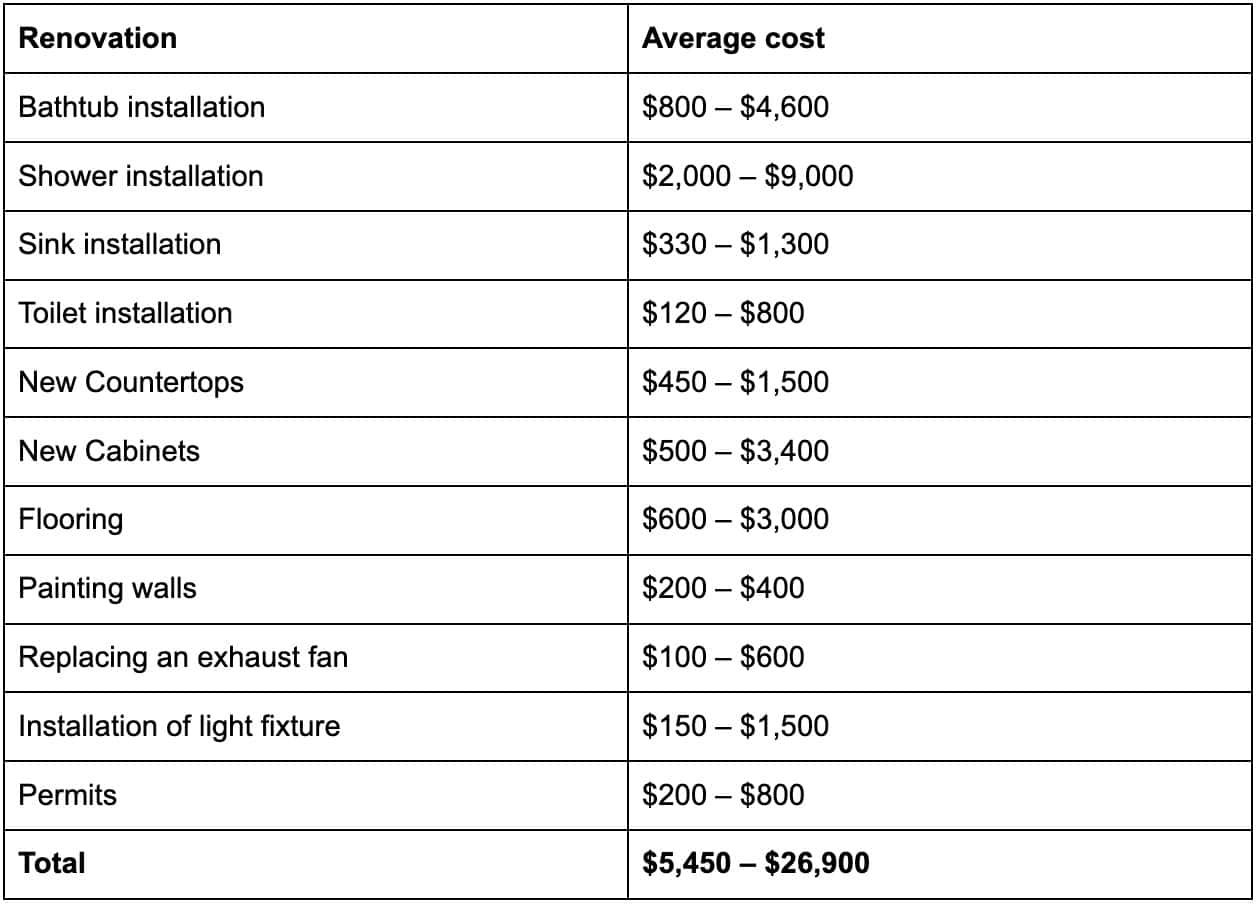
Let’s rip the band-aid off. Bathroom remodels are expensive. Like, really expensive. If you hear someone say they did a full gut renovation for five grand, they either did all the labor themselves over six months or they cut some serious corners. In 2026, the average professional bathroom remodel lands somewhere between $8,000 and $45,000 for most standard homes. That is a huge range, I know. But it makes sense when you look at the details.
For a typical 50 to 80 square-foot bathroom, mid-range updates usually sit in the low teens to mid-twenties (think $15,000 to $25,000). This gets you new fixtures, decent tile, and a fresh layout if needed. But if you start talking about luxury finishes—heated floors, custom glass showers, high-end stone—the price tag skyrockets. We are seeing luxury projects easily hit $120,000 or more. It sounds crazy, but when you add up custom cabinetry, premium materials, and specialized labor, the numbers add up fast.
The key takeaway here? Don’t compare your apple to someone else’s orange. A half-bath update might cost under $5,000, while a master suite overhaul can exceed $40,000 without blinking. Your final bill depends entirely on the size of the room, the quality of materials you pick, and how much you change the actual layout. Moving a toilet? That’s pricey. Just swapping the faucet? Much cheaper.
Cosmetic Updates: The Budget-Friendly Facelift
Not everyone needs to tear down walls. Sometimes, you just need things to look cleaner and brighter. This is where cosmetic updates shine. These are the changes that don’t involve plumbing or electrical moves. We are talking about fresh paint, new hardware, a replaced toilet, or a modern showerhead. Maybe you swap out the vanity top but keep the cabinet box. These small tweaks can make a huge visual impact without draining your savings account.
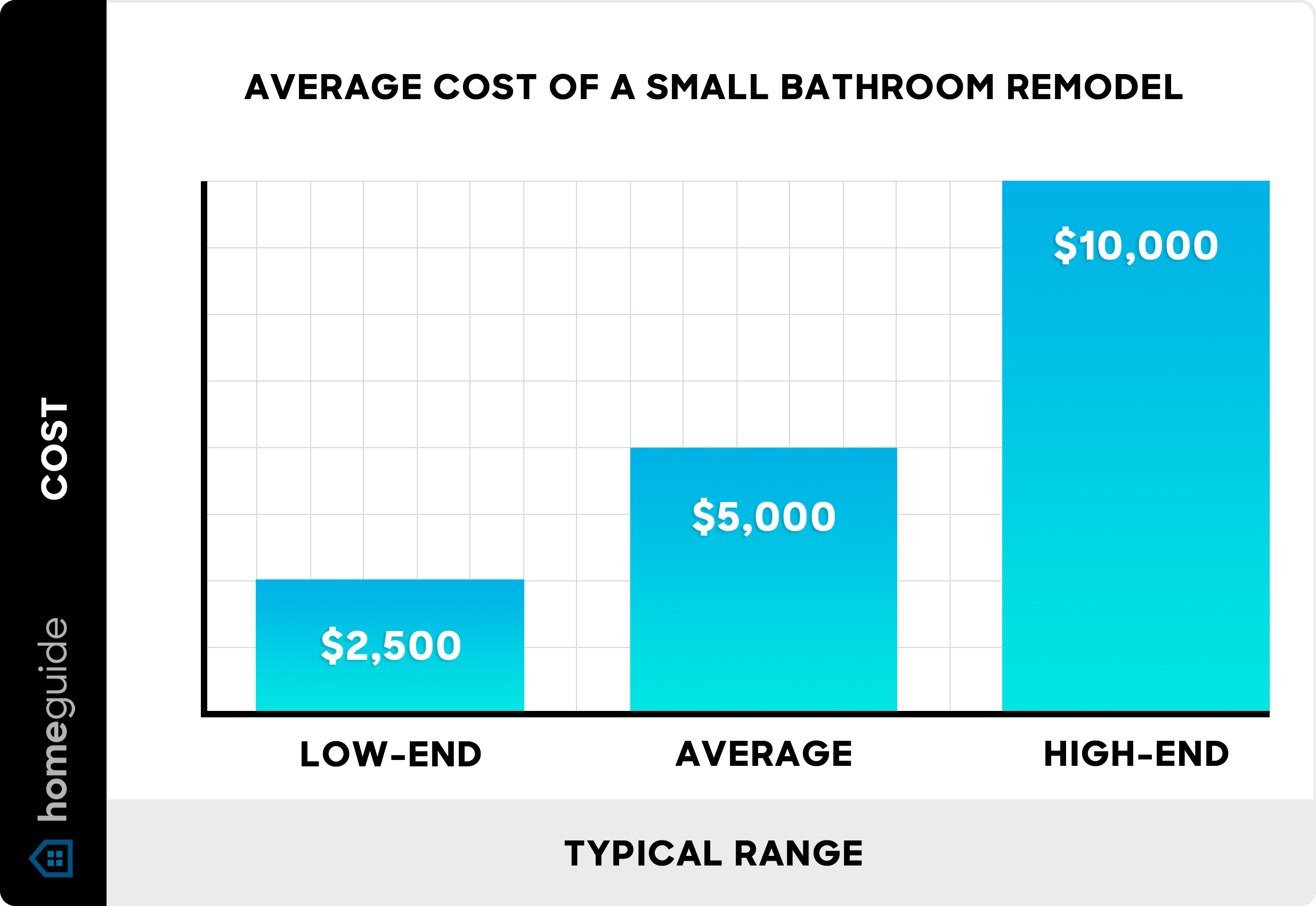
In 2026, a cosmetic refresh can often be done for $2,200 to $6,000. It’s perfect for landlords, flippers, or homeowners who are happy with the layout but hate the style. You might spend $500 on a new vanity unit, $300 on a mirror and lights, and a few hundred on paint and accessories. It’s quick, it’s less messy, and you can often do some of it yourself if you’re handy.
However, be careful. "Cosmetic" can be a trap. You might start thinking, "Well, since I’m replacing the sink, maybe I should redo the backsplash." Suddenly, you’re halfway into a bigger project. Stick to your list. If the pipes behind the wall are fine, leave them alone. This approach is all about surface-level beauty. It won’t fix a leaky drain or poor ventilation, but it will make your morning routine feel a bit more cheerful.
The Mid-Range Sweet Spot
Most folks fall into this category. You want better function. You want the tub gone and a big shower in. You need more storage. This is a standard remodel. You aren’t buying gold-plated faucets, but you aren’t buying the cheapest plastic stuff either. You’re looking for durability and style. In 2026, these projects typically run from $6,500 to $28,000, depending heavily on the square footage.
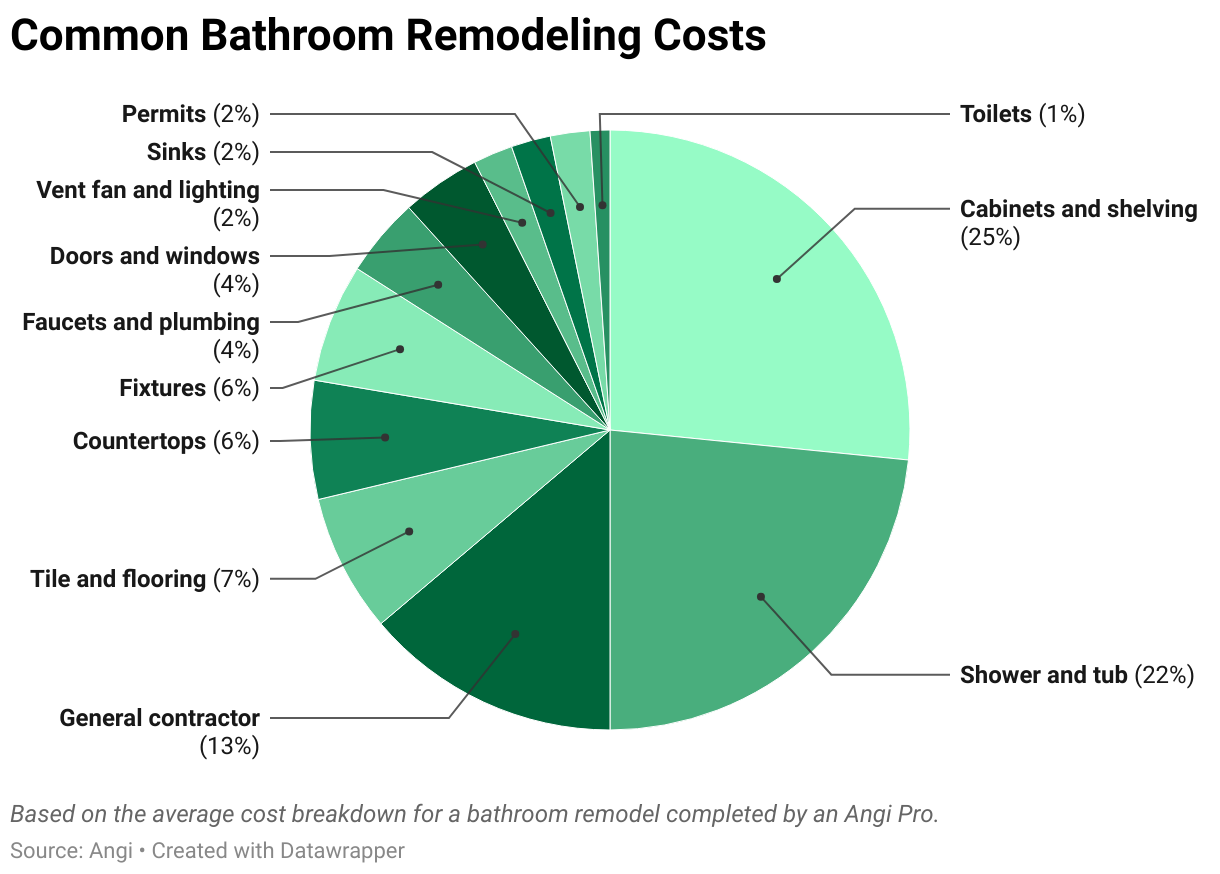
Here, labor starts to eat up a big chunk of your budget. We’re talking 40 to 60 percent of the total cost going to the pros. Plumbers, electricians, tilers—they all charge for their expertise. And rightly so. A bad tile job lasts forever, and not in a good way. You’ll likely replace the flooring, install a new vanity with a stone countertop, upgrade the lighting, and put in a efficient toilet.
This tier is where you get the best return on investment for resale value. Buyers love a clean, modern bathroom that works well. They don’t necessarily need a heated towel rack, but they do want a shower that doesn’t leak. By choosing mid-range materials like porcelain tile instead of marble, or stock cabinets instead of custom built-ins, you keep costs manageable while still getting a high-quality finish. It’s the balance point between frugal and fancy.
Going Luxury: The Spa Experience
Now we enter the realm of dreams. Luxury suites are not just bathrooms; they are experiences. Think freestanding soaking tubs, rain showers with body jets, smart mirrors, and radiant floor heating. In 2026, luxury remodels start around $25,000 and frequently climb past $40,000, with high-end custom jobs reaching six figures. Why so much? Because everything is customized.
Materials play a huge role here. Natural stone like marble or quartzite costs significantly more than ceramic. Custom cabinetry designed to fit every nook and cranny adds thousands. Then there are the tech upgrades. Digital shower controls, ambient lighting systems, and soundproofing all add to the bill. You’re paying for comfort, aesthetics, and often, exclusivity.
Labor costs also jump because the work is more intricate. Installing large-format stone tiles requires skilled craftsmen. Plumbing complex shower systems takes time and precision. If you are moving walls to expand the space, you’re adding structural engineering and carpentry costs too. It’s an investment in your daily well-being. For many, the bathroom is the only place they get true quiet. Making it luxurious is worth the price tag to them.
The Hidden Costs Nobody Talks About
Here is the part that ruins budgets. Demolition and permits. You might think tearing out old tile is easy, but disposal fees and labor for demo can run between $1,000 and $2,300. And that’s before you even buy a new sink. Then there are permits. Depending on where you live, permit fees can range from $100 to $1,000. Skipping them might save money now, but it can hurt your home’s value and insurance later.
Another sneaky cost? Water damage repair. Once you open up the walls, you might find rot, mold, or outdated wiring that needs to be brought up to code. This is why experts always recommend setting aside a contingency fund of 10 to 20 percent of your total budget. If you don’t use it, great! You can buy nicer towels. But if you do need it, you won’t be stuck stopping the project halfway through.
Also, consider the timeline. Delays cost money. If your custom vanity is backordered for eight weeks, your contractor might charge for idle time or you might have to pay for temporary housing if it’s your only bathroom. Supply chains have gotten better since the pandemic, but glitches still happen in 2026. Always ask about lead times for your specific fixtures before you commit.
So, how do you tackle this without going broke? Start by defining your "must-haves" versus your "nice-to-haves." Do you really need a bidet seat, or is that something you can add later? Prioritize the things that affect function and longevity, like good ventilation and waterproofing. Skimping on these leads to expensive repairs down the road.
Get multiple quotes. Not just one. Prices vary wildly between contractors in the same city. Make sure they are licensed and insured. Ask for a detailed breakdown of costs, not just a bottom-line number. You want to see how much is allocated for labor, materials, and permits. This transparency helps you spot where you can cut costs. Maybe you can buy the fixtures yourself to save on markup, or handle the painting to reduce labor hours.
Finally, think long-term. Energy-efficient fixtures might cost more upfront but save on water bills. Durable materials mean you won’t be remodeling again in five years. A bathroom remodel is a major project, but with careful planning and realistic expectations, it can transform your home and your daily life. Don’t rush. Take your time to choose wisely. Your future self will thank you when you step into a space that feels just right.