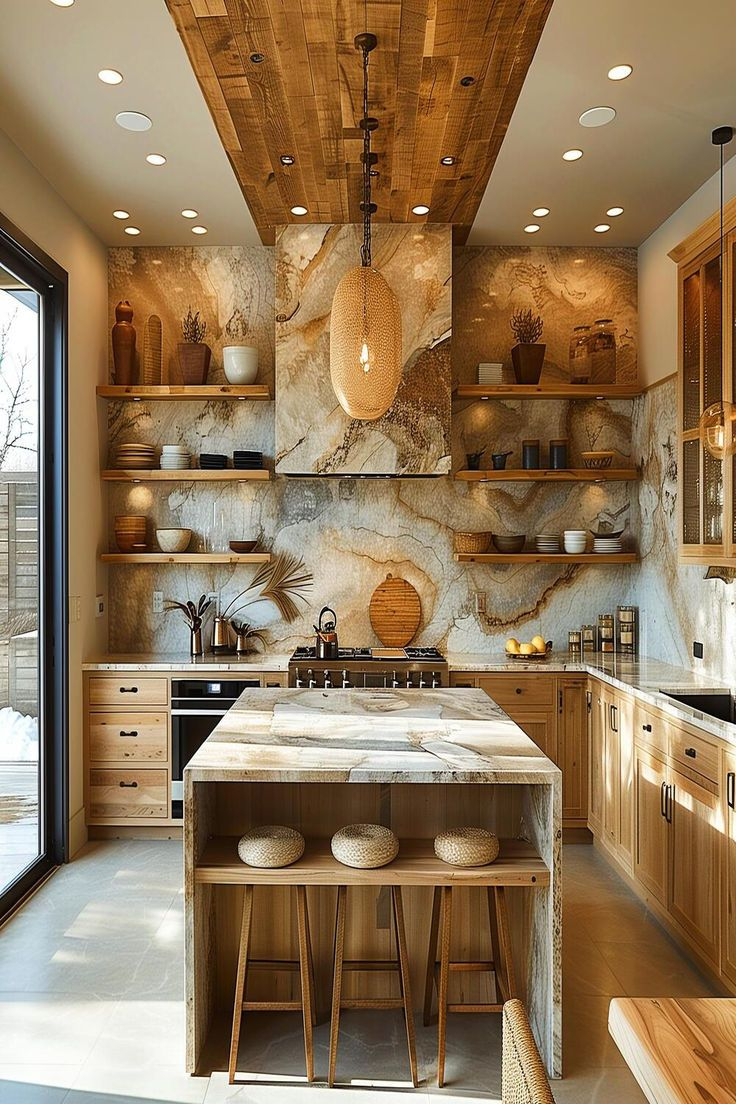
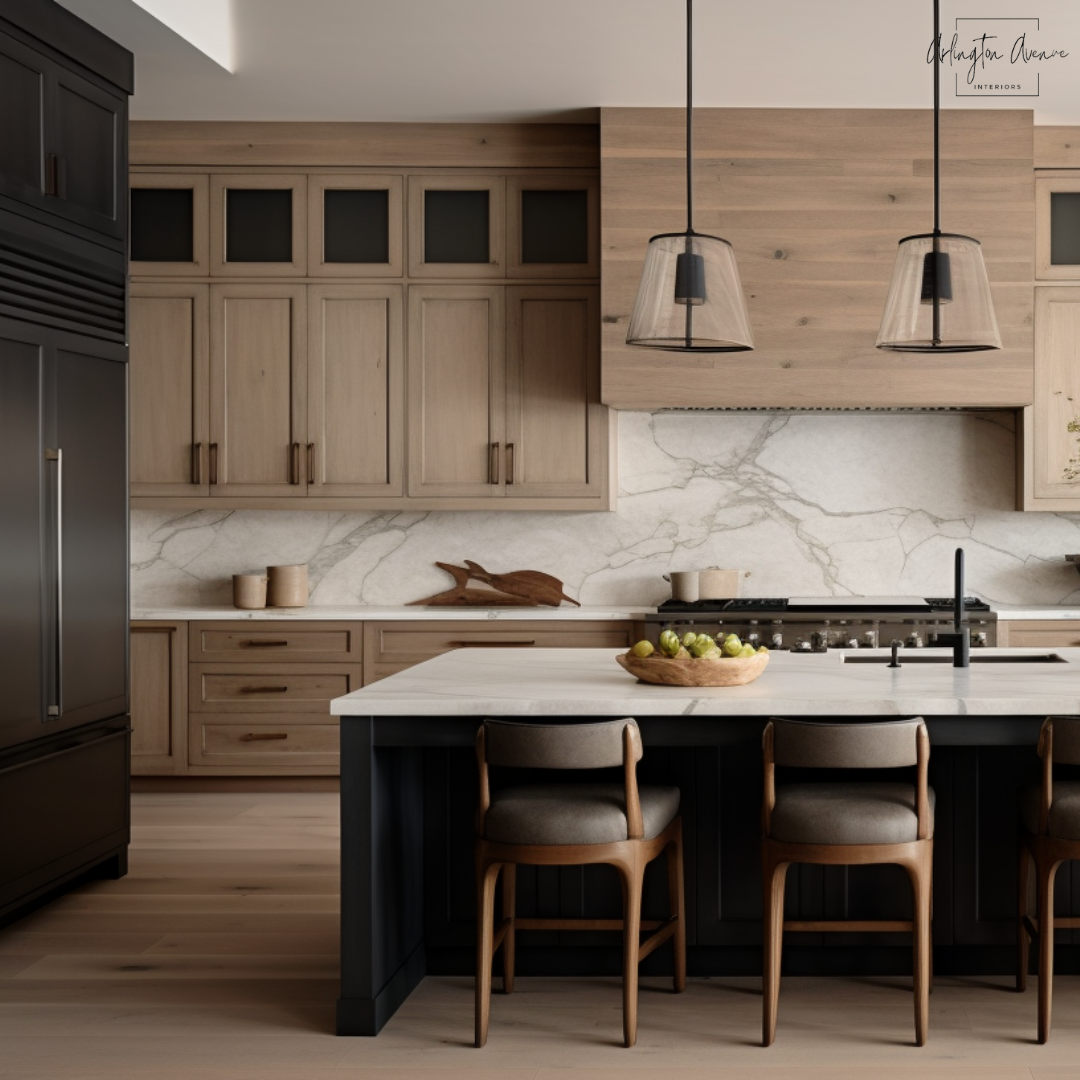
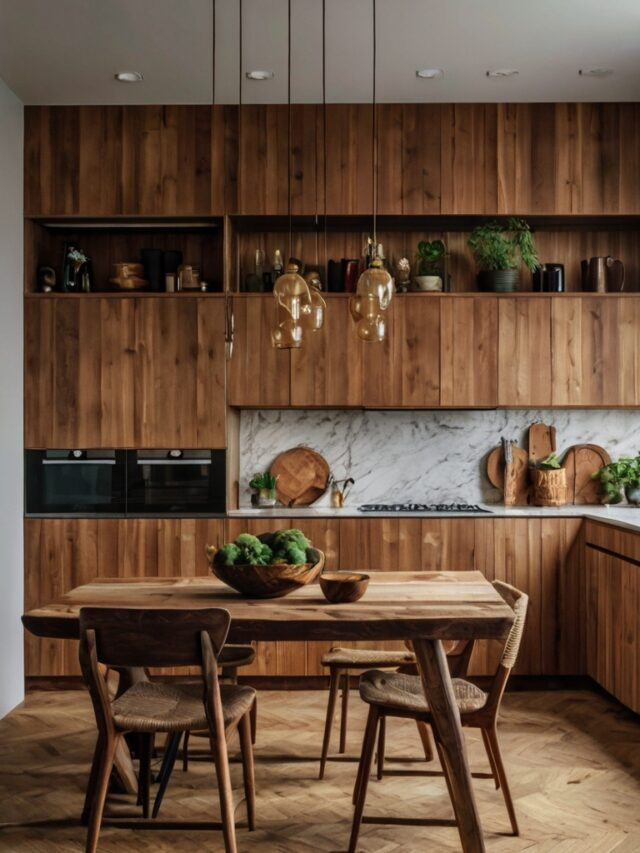
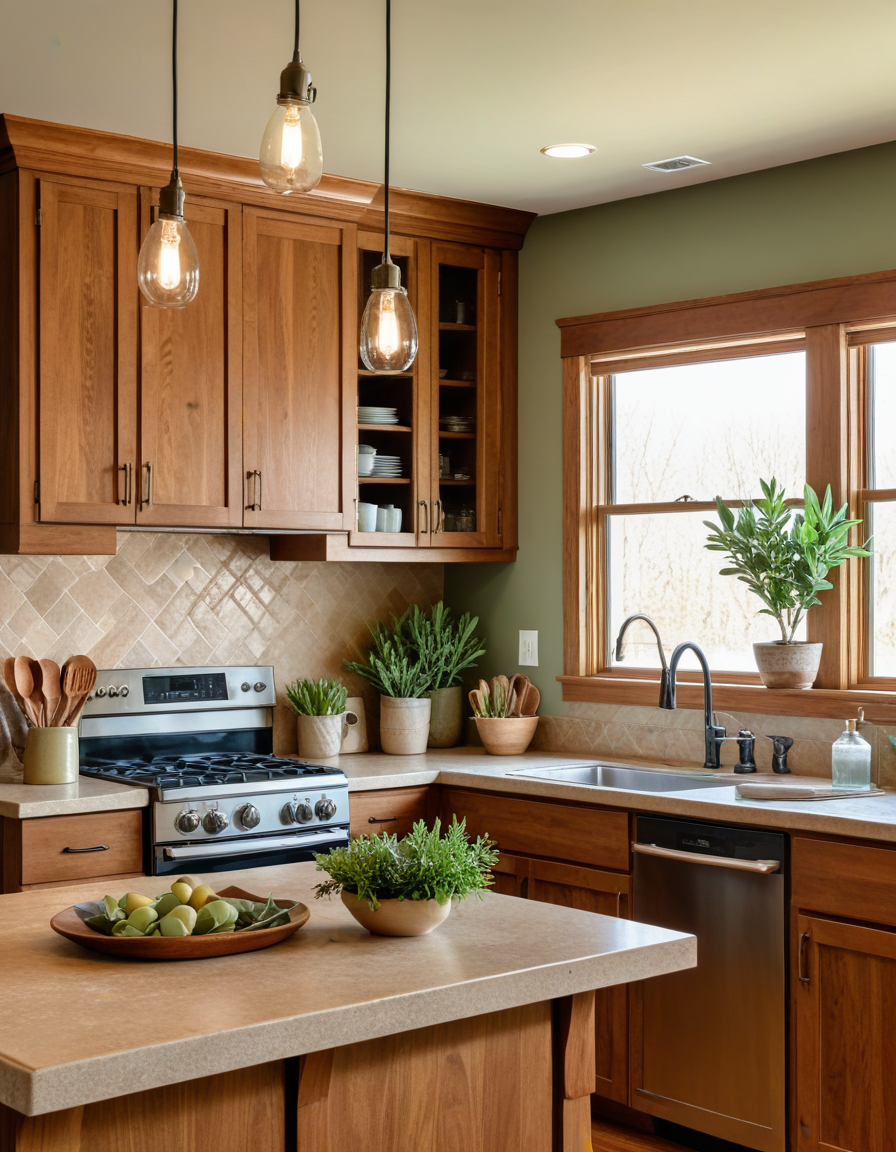
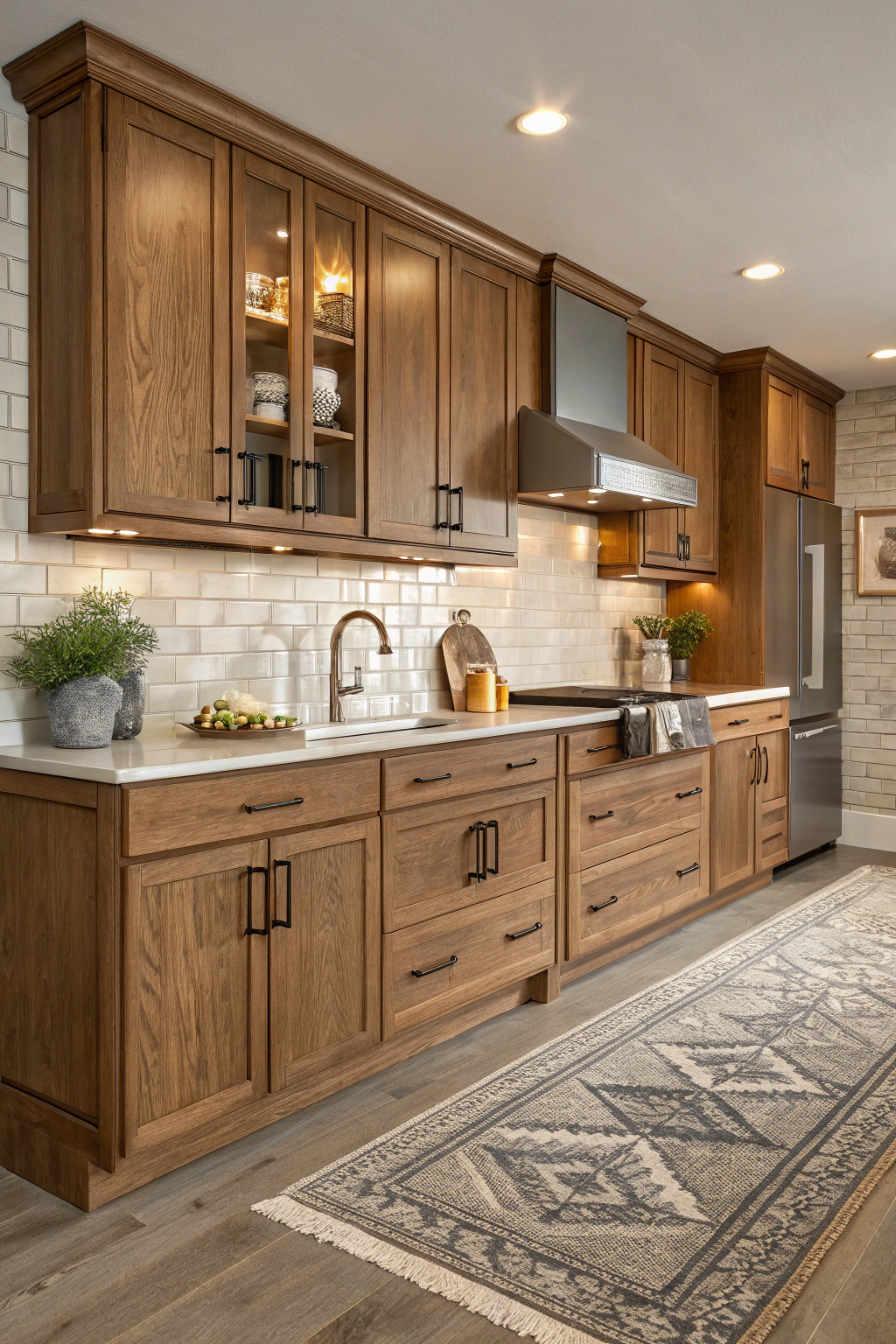
Think about the last time you hosted friends over for dinner. Everyone starts off sitting in the living room, right? But within twenty minutes, where does everybody end up congregating? The kitchen. It happens every single time. It’s the real beating heart of any home, the place where we sip our first morning coffee, rush to pack school lunches, and unwind with a glass of wine after a long workday.
Yet for years, kitchen illumination was treated as a total afterthought. Most of us grew up with a single, aggressive overhead light fixture that buzzed loudly and cast dark, ugly shadows everywhere. Cooking under those harsh bulbs felt a bit like performing surgery. Fast forward to 2026, and the tech landscape has completely changed how we think about light inside our living spaces. Smart lighting isn’t just a cool gimmick to show off to guests anymore; it is a genuinely life-changing tool for shifting the mood of your home with the tap of a screen or a quiet voice command.
Moving Past the Age of the Single Overhead Bulb
For decades, builder-grade homes came equipped with one standard light in the middle of the ceiling. It was simple, sure, but it completely ignored how humans actually use space. When you stand at a countertop to chop vegetables under a central ceiling fixture, your own body blocks the light, casting a huge shadow right over your cutting board. It’s frustrating, unsafe, and frankly, it looks terrible.
Modern kitchen design focuses on layers instead of relying on a single light source. When you break down your space into ambient, task, and accent lighting zones, you gain total control over how the room feels at any given moment. Ambient light gives you general visibility, task lighting brightens up specific prep spots, and accent lighting highlights your favorite architectural features, like exposed shelving or tile backsplash.
The real magic happens when you connect these different layers to a centralized smart hub. Suddenly, you aren’t just flipping a switch on or off. You’re dialing in specific light recipes that match your biological clock and daily routines perfectly.
Harnessing the Power of Tunable Whites
If you’ve ever felt strangely jittery in a brightly lit room late at night, or tired and sluggish in an office at mid-day, you’ve experienced how color temperature affects your body. Light color is measured on the Kelvin scale. Lower numbers around 2700K produce a warm, amber glow reminiscent of candlelight, while higher numbers near 5000K mimic bright, blueish noon sunlight.
Tunable white smart bulbs and light strips allow you to alter this temperature throughout the daytime. During breakfast, you might set your system to cast a bright 4000K cool light to help your brain wake up and focus. But when 7:00 PM rolls around, those same fixtures can automatically transition down to a soft, inviting 2200K warm tone.
This subtle shift signals to your nervous system that it is time to slow down and relax. I’ve talked to countless homeowners who claimed their sleep quality improved dramatically just by fixing their evening lighting choices. It turns out, avoiding high-intensity overhead glare while eating dinner makes a world of difference for your mental well-being.
The Subtle Magic of Under-Cabinet LED Strips
If you want the absolute biggest bang for your buck, look no further than under-cabinet task illumination. Installing flexible smart LED strips directly beneath your upper cabinets completely transforms how your countertops look and feel. It eliminates those annoying shadows we talked about earlier, making food prep safer and much more enjoyable.
What makes modern smart strips so special is their incredible diffusion and flexibility. Older LED setups looked like cheap strings of tiny individual Christmas lights, leaving harsh dots reflecting off shiny granite or quartz surfaces. Today’s high-density COB (chip-on-board) light strips create a continuous, seamless beam of soft glow that washes evenly over your counters.
Plus, under-cabinet strips double as the ultimate low-energy nightlight. You can set up an automated rule so that between midnight and 6:00 AM, touching a motion sensor under the counter turns the strips on at a tiny 5% brightness in a deep, warm orange. You can snag a glass of water in the middle of the night without blinding yourself or waking up the rest of the household.
Highlighting Island Drama with Smart Pendant Controls
The kitchen island has evolved into the central stage of the modern floor plan. It’s where kids do homework, parents work on laptops, and friends gather around charcuterie boards. Because it serves so many vastly different purposes, the lights hanging above it need to be endlessly versatile.
Installing smart bulbs inside your island pendant fixtures lets you completely alter the dynamic of the whole main floor. During a busy Tuesday morning, those pendants can output crisp, clean daylight so you can read recipes easily. But when you transition into entertaining mode on a Friday evening, you can dim those pendants down low while changing their color output to match the cozy vibe of a dimly lit neighborhood bistro.
Don’t be afraid to experiment with gentle color accents here either. While nobody wants their kitchen looking like a tacky night club, adding a subtle touch of rich amber or soft rose gold tint to your pendant bulbs can make wood cabinetry pop and give glassware a gorgeous shimmer.
Toe-Kick and Above-Cabinet Accent Magic
The secret weapon of top-tier interior lighting designers isn’t high-end expensive chandeliers—it’s indirect lighting hidden in unexpected places. Specifically, placing smart LED strips in your toe-kicks (that small recessed space right under your base cabinets near the floor) and on top of upper cabinets creates a floating effect that feels insanely high-end.
Above-cabinet lighting bounces soft illumination off your ceiling, filling the entire room with a cozy bounce light that eliminates harsh shadows without ever stinging your eyes. It gives the illusion of higher ceilings and a much larger overall footprint. It’s perfect for low-key late nights when you want some atmosphere without turning on any main overhead fixtures.
Toe-kick lighting, on the other hand, grounds the space visually. When paired with smart motion detectors, base cabinet lights can gently guide your path across the room after dark. It gives your kitchen that architectural, custom-built look for a tiny fraction of the cost of a full remodel.
The real joy of setting up a modern smart ecosystem is that you eventually stop thinking about light switches altogether. By creating custom "Scenes" inside your home app, you can change the mood of the entire room with a quick tap on a wall-mounted keypad or a simple voice command.
Consider setting up a few basic daily presets:
- Prep Mode: Every fixture turns on to 100% brightness with a cool 4000K temperature, giving you maximum visibility for cooking safely.
- Dinner Party: Main overhead recessed lights turn off completely; under-cabinet and island pendants dim down to 25% with a rich, warm 2200K amber glow.
- Late Night: All main fixtures turn off, leaving only the toe-kick strips and above-cabinet LEDs on at a tiny 10% warmth level for easy navigation.
Integrating smart motion sensors takes things even further. You can set sensors to ignore subtle pet movements but instantly activate warm pathway lighting when a person steps into the room after hours. The tech works silently in the background, making your home feel effortlessly responsive to your daily rhythm.
Upgrading your kitchen’s atmosphere doesn’t require tearing down drywall or spending tens of thousands of dollars on custom cabinetry. By thoughtfully placing smart bulbs, continuous LED strips, and motion sensors, you turn a purely functional cooking area into a versatile, warm, and inviting gathering spot. Start small with a basic set of under-cabinet strip lights or a couple of smart pendant bulbs, play around with color temperatures, and see just how drastically the mood of your home changes. You’ll quickly wonder how you ever managed without it.