Ever walked into a bathroom and felt your shoulders instantly drop? That heavy weight of the day just… melts away. It’s not magic, though it feels like it. It’s design. It’s intention. In 2026, our homes have become more than just places to sleep and eat; they are our primary retreats from a world that never seems to stop buzzing. And let’s be honest, the bathroom is often the only room where we can truly lock the door and be alone.
But for many of us, that space is cluttered. It’s bright, harsh, and functional. We rush in, brush our teeth, shower quickly, and rush out. What if we changed that? What if we slowed down? Transforming your bathroom into a peaceful sanctuary doesn’t require a massive renovation budget or knocking down walls. It’s about small, thoughtful shifts. It’s about creating a vibe that says "breathe" the moment you step inside.
This checklist isn’t just about buying new towels. It’s a holistic approach to turning a utilitarian space into a personal spa. We’re talking about lighting that hugs you, scents that ground you, and textures that invite you to linger. Whether you have a sprawling master bath or a tiny powder room, these principles apply. Let’s dive in and make your bathroom the haven it deserves to be.
Declutter and Simplify the Space
The first step to peace is removing the noise. And in a bathroom, noise is visual. Think about your counters. Are they covered in half-empty bottles, old razors, and products you haven’t used since last year? Clutter creates low-level stress. Your brain registers every item as something to process, something to clean, something to manage. To create a sanctuary, you need blank space. You need breathing room.
Start by pulling everything out. Yes, everything. Be ruthless. If you haven’t used it in six months, toss it or donate it. Those sample-size shampoos from a hotel stay in 2019? Gone. The expired sunscreen? Trash. Once you’ve pared down to the essentials, put them back with intention. Use baskets or drawers to hide the ugly stuff. Visual calm comes from hidden storage. When surfaces are clear, the eye can rest. It’s a minimalist approach, but you don’t have to be a minimalists to benefit from it. Just aim for "less."
Consider the vertical space too. Walls can get cluttered with hooks holding too many robes or towels. Keep only what you need within arm’s reach. The goal here is simplicity. A serene sanctuary of simplicity, as some designers call it, allows your mind to quiet down. When you walk in, you shouldn’t see a chore list. You should see open space. This initial purge is the foundation. Without it, no amount of candles will fix the underlying chaos. So, grab a trash bag and start digging. It’s surprisingly therapeutic.
Choose Soothing Colors and Natural Materials
Color has power. It changes how we feel before we even realize it. Harsh whites can feel clinical, like a hospital. Dark blacks can feel closing-in. For a bathroom sanctuary, you want colors that mimic nature. Think soft greens, warm beiges, muted blues, or gentle grays. These tones lower your heart rate. They signal safety. In 2026, the trend is moving away from stark modernism toward "warm neutrals" that feel organic and grounded.
But color isn’t just paint. It’s also materials. Plastic feels cheap and cold. Stone, wood, and linen feel real. Incorporating natural elements brings the outside in, which is a core principle of biophilic design. Maybe it’s a teak bath mat that smells faintly of earth. Maybe it’s a stone soap dish. Or perhaps it’s just swapping out plastic bins for woven seagrass baskets. These textures add depth. They invite touch. When you run your hand along a wooden shelf instead of cold laminate, your body relaxes.
Don’t forget the floors. If you can’t replace the flooring, add a plush, natural fiber rug. Something soft underfoot changes the entire experience. It makes the room feel cozy rather than sterile. The key is cohesion. You don’t need to match everything perfectly, but the palette should flow. Avoid jarring contrasts. Let the colors blend into one another like a watercolor painting. This visual softness translates to mental softness. It’s a subtle shift, but once you see it, you’ll wonder how you lived with those harsh bright whites for so long.
Master the Art of Ambient Lighting
Lighting is arguably the most important element in setting the mood. Yet, it’s the most overlooked. Most bathrooms come with one overhead light that casts harsh shadows and highlights every imperfection. It’s interrogation lighting, not relaxation lighting. To transform your space, you need layers. You need options. The goal is to avoid direct, bright light hitting your eyes. Instead, aim for a glow that wraps around the room.
Start by dimming what you have. If you can’t install dimmer switches, swap out your bulbs for ones with lower lumens or use smart bulbs that you can control with an app. Warm white light (around 2700K) is essential. Avoid cool blue tones, which mimic daylight and keep you alert. You want the opposite. You want to wind down. Add secondary light sources. A small lamp on the counter, if space allows. LED strips under the vanity for a floating effect. Candles, obviously. The flicker of a flame is primal and calming.
Think about where the light falls. Mirror lights should illuminate your face evenly, not from above where they create raccoon-eye shadows. Sconces on the side are ideal. But for a sanctuary vibe, you might rarely use the main mirror lights at all. Instead, rely on the ambient glow. Imagine taking a bath with just a few candles lit. The shadows soften the edges of the room. The space feels larger and yet more intimate. It’s a simple change, but it completely alters the emotional temperature of the room. Don’t underestimate the power of a good bulb.
Engage the Senses with Scents and Sounds
A true sanctuary engages all five senses. We’ve covered sight and touch. Now, let’s talk about smell and hearing. Scent is directly linked to memory and emotion. A specific aroma can trigger instant relaxation. Lavender is classic for a reason—it works. But don’t stop there. Eucalyptus opens up the sinuses and feels cleansing. Sandalwood grounds you. Citrus uplifts without being jarring. The key is subtlety. You don’t want to choke on perfume. You want a whisper of scent that lingers in the background.
Use high-quality essential oils or natural soy candles. Avoid synthetic air fresheners that smell like "ocean breeze" but actually smell like chemicals. Diffusers are great because they provide a consistent, low-level aroma. Place one near the shower so the steam helps disperse the oils. Or keep a small bottle of eucalyptus oil to dab on the shower floor before you turn on the water. The steam will carry the scent up around you. It’s like a free aromatherapy session every morning.
Sound is equally vital. Bathrooms are echoey. Hard surfaces bounce noise around. This can feel chaotic. Introduce softness to absorb sound, but also consider adding intentional audio. A small waterproof speaker can play gentle rain sounds, forest ambience, or soft instrumental music. Silence is good, but sometimes total silence feels heavy. A low hum of nature sounds can mask the noise of the house—the fridge humming, the traffic outside. It creates a bubble. A private world. In 2026, tech makes this easier than ever with seamless, hidden speakers. But even a simple playlist on your phone works. Curate a "bath time" playlist that signals to your brain it’s time to let go.
Upgrade Textiles and Tactile Comforts
There is nothing quite like wrapping yourself in a towel that feels like a cloud. Cheap, scratchy towels ruin the experience. They remind you of utility, not luxury. Invest in high-quality linens. Look for long-staple cotton or bamboo. Bamboo is naturally antimicrobial and incredibly soft, plus it dries faster, which is practical for humid bathrooms. Thick, plush robes add another layer of comfort. When you step out of the shower, the transition should be seamless. From warm water to warm fabric.
Pay attention to the details. A bath mat that absorbs water quickly and feels soft on your toes. Shower curtains made of linen or heavy cotton instead of plastic vinyl. Even the weight of a towel matters. Heavier towels feel more substantial, more expensive. They dry you better. It’s a small upgrade that makes a huge difference in daily satisfaction. And don’t forget the toilet seat lid cover or a small cushion if you spend time reading or meditating in there. Comfort is king.
Organize these textiles beautifully. Fold them neatly. Stack them in a way that looks inviting. When you open the cupboard, it should feel like opening a gift. The visual order reinforces the feeling of care. You are caring for yourself by providing these comforts. It’s not indulgent; it’s necessary. We spend so much time being hard on ourselves. The bathroom should be a place where we are gentle. Soft textures encourage gentleness. They slow us down. You can’t rush when you’re wrapped in a thick, warm robe. You just can’t.
Finally, make it yours. A showroom bathroom is pretty, but it’s cold. A sanctuary needs soul. Add art that speaks to you. Maybe it’s a framed print of a forest. Maybe it’s a photo of a place you love. Hang it where you can see it while you soak. Bring in plants. Plants breathe life into a sterile space. Ferns, pothos, and peace lilies thrive in humidity. They add a splash of green and improve air quality. Watching a leaf unfurl or seeing new growth connects you to the rhythm of nature.
Include items that have meaning. A crystal on the windowsill. A small statue. A bowl of smooth stones you collected on a beach trip. These objects anchor you. They remind you of moments of peace you’ve had in the past. They serve as tangible reminders to breathe. Don’t overcrowd, though. One or two meaningful items are enough. The rest should be negative space.
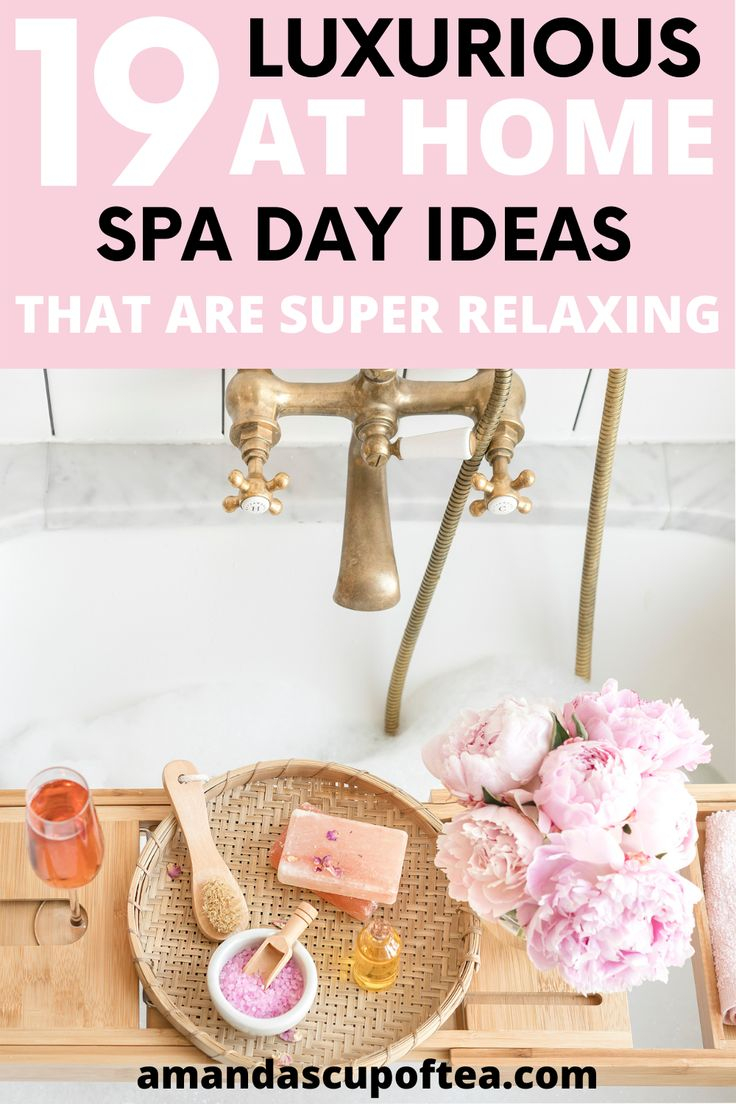
This is also where you keep your ritual tools. Beautiful bath salts. A wooden brush for dry brushing. A journal for morning pages. Keep these items visible and accessible. They invite you to participate in your own care. When you see the bath salts, you remember to take a bath. When you see the journal, you remember to write. Design influences behavior. By placing these items with intention, you’re designing a routine of self-care. It’s not just about how the room looks; it’s about how it makes you act. And in 2026, acting with intention is the ultimate luxury.
Creating a peaceful bathroom sanctuary isn’t about perfection. It’s about progress. It’s about taking small steps to reclaim a space that is often overlooked. Start with the clutter. Then move to the light. Add a plant. Buy one good towel. Each step builds on the last. Before you know it, you’ll have a room that doesn’t just function—it heals. It restores. It waits for you with open arms at the end of a long day. So, go ahead. Lock the door. Light a candle. And breathe. You’ve earned it.