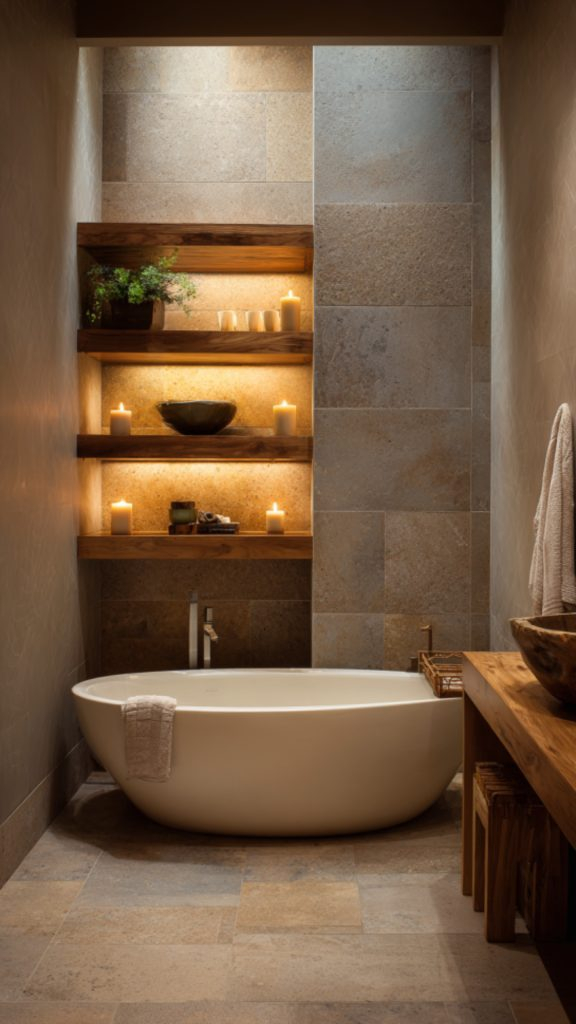
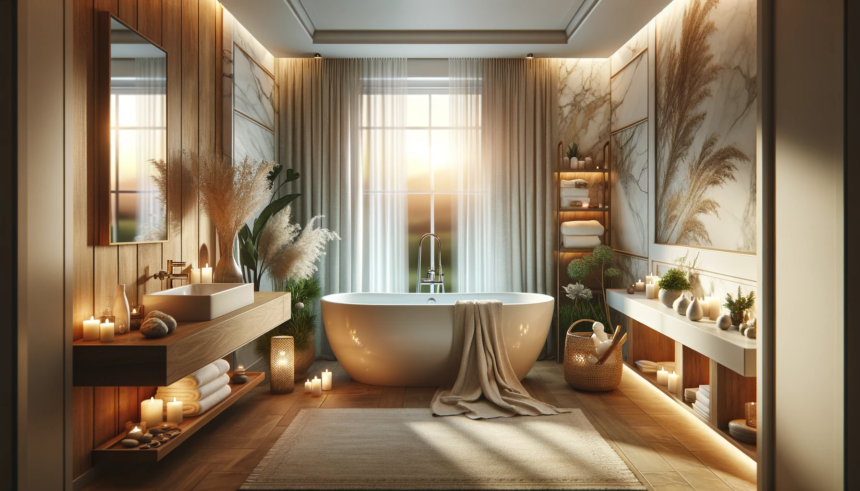
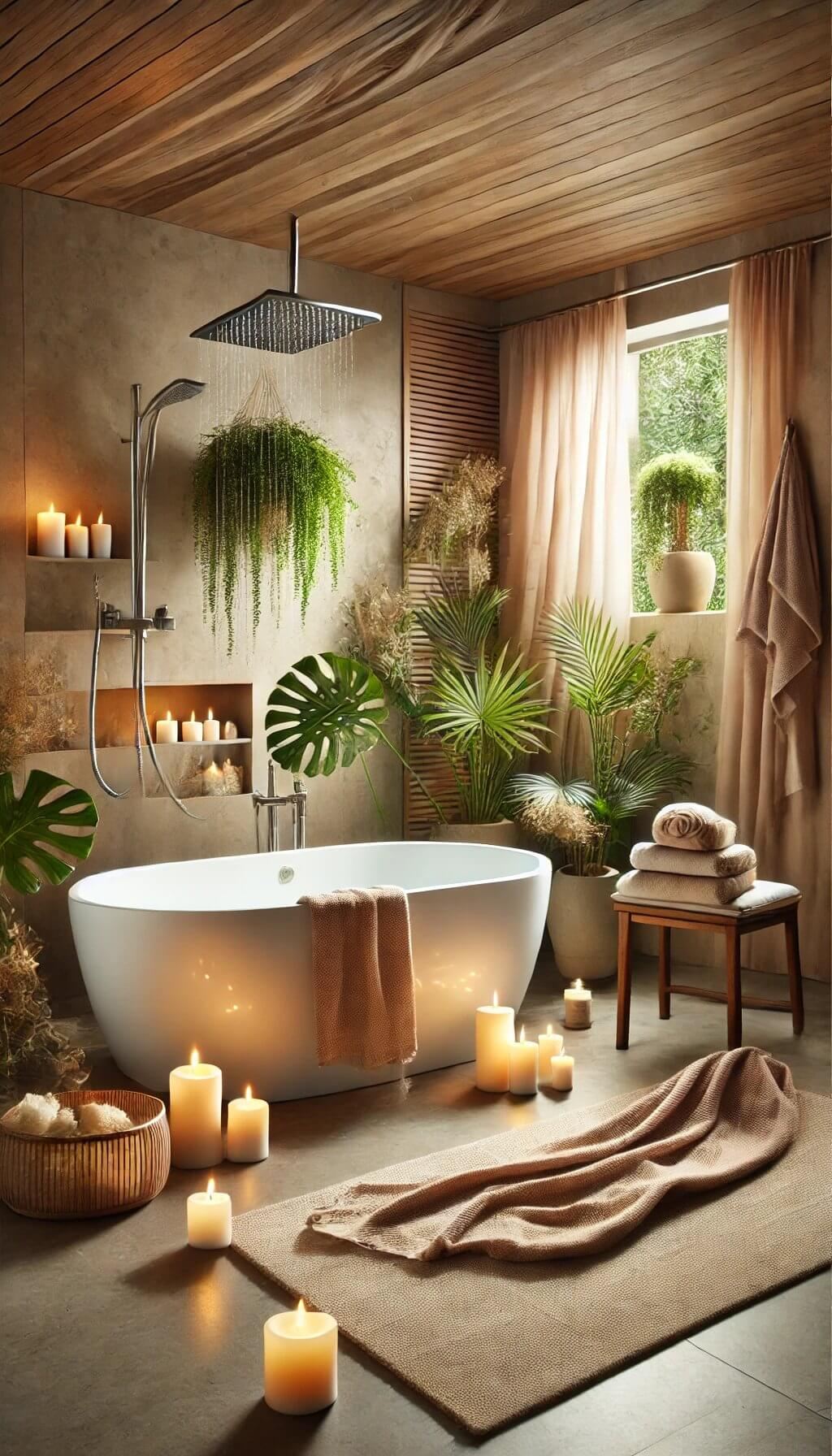
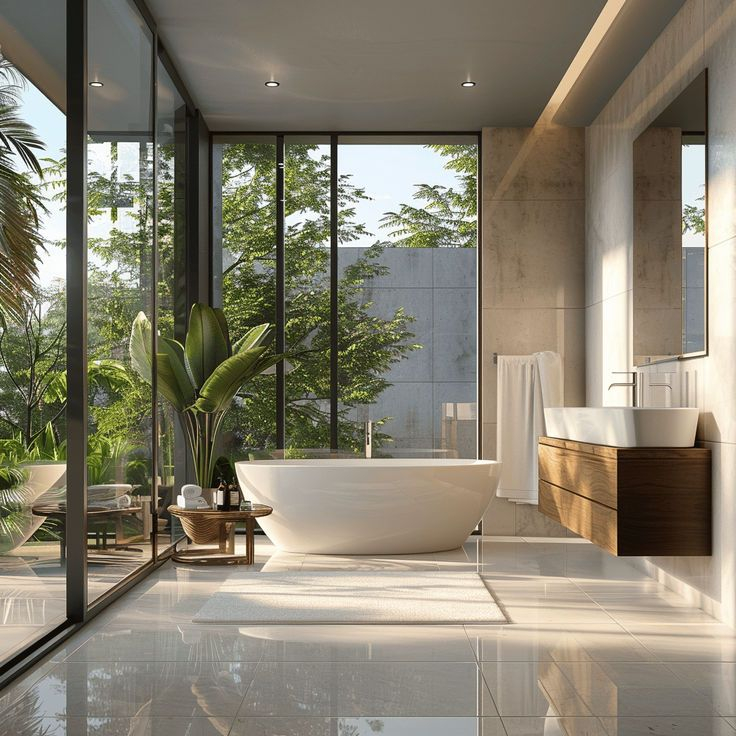
We’ve all been there. You walk through the door after a long day, hoping for peace, but instead, you’re greeted by blinking lights, tangled wires, and the faint hum of a server rack that sounds like a jet engine warming up. It’s supposed to make life easier, right? That’s the promise. But somewhere along the line, our quest for convenience turned our sanctuaries into command centers. It feels less like a home and more like a spaceship cockpit. And honestly, who has the energy to pilot a ship when they just want to sit down and breathe?
The irony is thick enough to cut with a knife. We buy these gadgets to reduce stress, to save time, to automate the boring stuff so we can focus on what matters. Yet, the maintenance of the tech itself becomes a second job. Updating firmware, troubleshooting connectivity, hiding unsightly hubs—it adds up. In 2026, the conversation has shifted. It’s no longer about how many devices you can cram into your living room. It’s about how few you can see while still enjoying all the benefits. The goal isn’t a smarter home; it’s a calmer one.
This isn’t about throwing out your tech. It’s about making it disappear. Imagine a home that anticipates your needs without asking, adjusts to your mood without being told, and fades into the background so completely that you forget it’s even there. That’s the new frontier of relaxation. It’s subtle. It’s quiet. And it’s surprisingly simple once you know where to look. Let’s talk about how to get there, without losing your mind in the process.
The Philosophy of Digital Minimalism in a Connected World
Before we plug anything in, we need to unplug our mindset. For years, the tech industry shouted louder is better. More features, more screens, more notifications. But recent studies from early 2026 show a massive backlash against this noise. People are tired. They’re craving silence. Not the absence of sound, necessarily, but the absence of demand. Your phone demands attention. Your smart speaker demands commands. Your TV demands choices. When everything is demanding something from you, relaxation becomes impossible.
Digital minimalism in the context of smart homes means choosing technology that serves you silently. It’s the difference between a butler who stands in the corner waiting for instructions and one who quietly refills your water glass before you even realize you’re thirsty. The best tech in 2026 is invisible tech. It doesn’t have a screen. It doesn’t have an app you need to open every five minutes. It just works. This shift requires us to be ruthless editors of our own lives. If a device doesn’t directly contribute to your peace or ease, it doesn’t belong in your sanctuary.
Think about the last time you felt truly relaxed. Was your phone in your hand? Were you checking a dashboard? Probably not. You were likely engaged in the moment, surrounded by comfort. Integrating smart technology discreetly means removing the friction between you and that feeling. It’s about curating an environment where the technology supports the atmosphere, rather than dominating it. This might mean getting rid of that smart display in the kitchen that constantly shows news headlines you don’t care about. Or maybe it means turning off the LED status lights on your router that stare at you like red eyes in the dark. Small changes, big impact.
Lighting That Breathes With You
Lighting is perhaps the most powerful tool we have for influencing mood, yet it’s often the most overlooked. Harsh overhead lights trigger alertness. Warm, dim lighting triggers rest. But manually adjusting lamps is a chore. This is where smart lighting shines, provided it’s done right. The key in 2026 is circadian alignment. Your lights should mimic the natural progression of the sun, shifting from cool, energizing blue tones in the morning to warm, amber hues in the evening. This isn’t just aesthetic; it’s biological. It helps regulate your sleep-wake cycle, reducing stress hormones naturally.
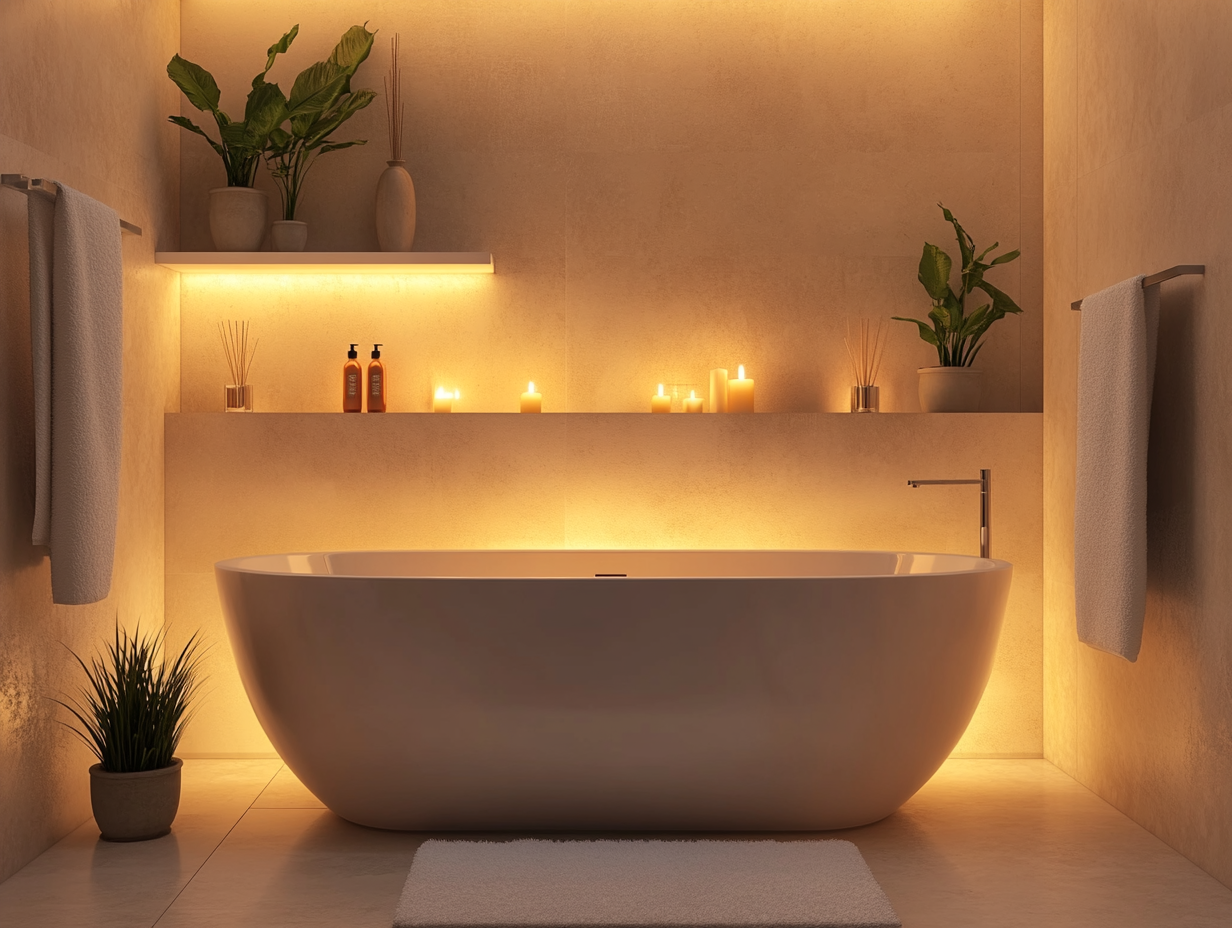
But here’s the trick: you shouldn’t see the bulbs. You shouldn’t see the strips. The light should appear to come from nowhere. Architectural integration is huge right now. Instead of buying a smart bulb and sticking it in a visible lamp, consider installing LED strips behind crown molding, under cabinets, or inside coves. When the light hits the wall and bounces back, it creates a soft, diffuse glow that feels organic. It eliminates harsh shadows and glare, which are subtle stressors we often ignore. Your eyes relax because they don’t have to work as hard to adjust to contrast.
Also, ditch the switches. Or at least, stop using them. Motion sensors and presence detectors have become incredibly accurate and affordable. Imagine walking into your bathroom at night and having the floor gently illuminate just enough for you to see, without blinding you. No fumbling for a switch. No bright flash waking you up fully. Just a gentle guidance. This level of automation removes micro-decisions from your day. You don’t have to think about turning the light on or off. It just happens. And over the course of a day, saving those tiny mental efforts adds up to a significant reduction in cognitive load.
Soundscapes That Mask the Chaos
Noise pollution is a silent killer of relaxation. Even if you don’t consciously hear it, the hum of traffic, the buzz of neighbors, or the drip of a faucet keeps your nervous system on high alert. Smart audio solutions in 2026 aren’t just about playing music; they’re about sculpting silence. Active noise cancellation technology has moved beyond headphones and into home systems. While whole-house ANC is still pricey, targeted sound masking is accessible and effective.
Consider smart speakers that double as white noise machines, but with a twist. Instead of static hiss, modern algorithms generate dynamic soundscapes that adapt to your environment. If a truck drives by outside, the system subtly increases the frequency of rain sounds to mask the rumble. If the house gets too quiet, it introduces a faint, rhythmic pulse to prevent the silence from feeling oppressive. The goal is consistency. A consistent auditory background allows your brain to stop scanning for threats, letting you drop into a state of rest.
Placement matters immensely. Don’t blast sound from a single source. Use multiple, low-volume speakers distributed throughout the room to create a uniform field of sound. This prevents the "hot spot" effect where you have to sit in one specific chair to get the benefit. And please, hide the speakers. Fabric-covered grilles that match your walls or ceilings are standard now. You shouldn’t see black plastic boxes. The sound should feel like it’s coming from the air itself. When you can’t see the source, your brain accepts the sound as part of the environment, rather than an intrusion. It’s the difference between hearing a radio and hearing the wind. One is distracting; the other is soothing.
Climate Control That Feels Like a Hug
Temperature plays a massive role in how relaxed we feel. Too hot, and we’re irritable. Too cold, and we’re tense. Most people set their thermostat and forget it, but our bodies crave subtle shifts. Smart thermostats have evolved beyond simple scheduling. In 2026, they use biometric feedback (with permission, of course) to adjust temperatures based on your physiological state. If your wearable device detects that you’re stressed, your home might slightly lower the temperature, as cooler air can help calm the nervous system. Conversely, if you’re winding down for sleep, it might warm the bedroom gradually to facilitate the body’s natural drop in core temperature.
But the hardware itself can be an eyesore. Those bulky plastic boxes on the wall? They disrupt the visual flow of a room. Newer models are sleek, e-ink displays that blend into paint colors, or they’re hidden entirely behind decorative plates. Some systems even eliminate the wall unit altogether, relying on voice or phone control only. If you must have a display, choose one that turns off completely when not in use. A glowing screen in a dark room is a beacon of anxiety. It reminds you of data, of settings, of control. Let it go dark.
Air quality is part of climate too. Stale air makes us groggy. Smart purifiers and humidifiers can run silently in the background, maintaining optimal humidity levels (around 40-50%) and filtering out pollutants. Look for units with "sleep modes" that dim all lights and reduce fan noise to a whisper. Place them in corners or behind furniture where airflow is good but visibility is low. The benefit is invisible—you just feel clearer, breathe easier, and sleep deeper. You won’t notice the device working, but you’ll definitely notice how you feel when it is.
Textiles and Touchpoints for Grounding
Technology isn’t just electronics; it’s also about how materials interact with your body. Smart textiles are emerging as a huge trend in 2026 for relaxation. Think heated throws that activate when you sit on the couch, or rugs with subtle haptic feedback that can guide breathing exercises through gentle vibrations. These aren’t gimmicks; they’re tools for grounding. When we’re stressed, we disconnect from our bodies. Tactile sensations bring us back. A warm blanket isn’t just cozy; it signals safety to the primal brain.
Integrating these discreetly means choosing items that look like normal home decor. A smart pillow shouldn’t look like a robot. It should look like a pillow. The tech is embedded in the fibers, powered by wireless charging pads hidden underneath. There are no cords to trip over, no batteries to replace. You just use it. The simplicity is key. If you have to charge it separately or pair it via Bluetooth every time you want to use it, you won’t. Friction kills habit. Seamless integration builds it.
Consider smart window treatments as well. Motorized shades that close automatically at sunset create a sense of enclosure and privacy, signaling to your brain that the day is over. The fabric choice matters—heavy, textured materials absorb sound and light, enhancing the cocoon effect. Control them via schedule or geofencing, so you never have to touch a button. Coming home to closed shades and soft lighting creates an immediate psychological transition from "public self" to "private self." It’s a ritual, automated. And rituals are powerful anchors for relaxation.
The Art of the Invisible Interface
The biggest barrier to relaxed tech use is the interface. Apps are stressful. Notifications are stressful. Screens are stressful. The ultimate goal is zero-interface interaction. You shouldn’t need to open an app to relax. You should just exist, and the home should respond. This relies on robust automation and context awareness. In 2026, AI assistants are much better at understanding intent rather than just commands. Instead of saying "Turn on the movie scene," you just sit down and start watching Netflix. The system recognizes the activity and adjusts lights, sound, and temperature accordingly.
To achieve this, you need to invest time upfront in setting up routines. Create scenes that bundle actions together. "Evening Calm" might dim lights to 20%, play soft jazz, lock the doors, and turn on the air purifier. Trigger these scenes with simple, non-tech actions. A smart button hidden in a drawer, a specific gesture, or even a voice phrase that feels natural. Avoid complex menus. The fewer steps between you and relaxation, the better. If it takes three taps to turn on a lamp, you’ve failed. It should take zero.
Regularly audit your setup. Every few months, ask yourself: Is this device adding value or noise? Is it helping me relax, or is it another thing I have to manage? Be willing to unplug things that don’t serve you. Tech fatigue is real. Sometimes, the smartest move is to turn it off. Keep your network secure and private, because worrying about data breaches is the opposite of relaxation. Use local processing where possible, so your data stays in your home, not in the cloud. Peace of mind is part of the package.
So, where do you start? You don’t need to redo your whole house tomorrow. Start small. Pick one room. Maybe the bedroom, since sleep is foundational to relaxation. Swap out one bulb for a smart, tunable one. Hide the strip. Set a schedule. Notice how it feels. Then move to the living room. Add a sound machine. Hide the speaker. See if the noise floor drops. Take it step by step. The process itself can be meditative if you approach it with intention.
Remember, the technology is just a tool. It’s not the source of relaxation. You are. The tech just removes the obstacles that prevent you from accessing your own calm. It clears the path. It lowers the barriers. But you still have to walk down it. Don’t expect a gadget to fix burnout. Expect it to create a space where healing can happen. That’s a crucial distinction. One is passive; the other is active. Your home should support your active choice to rest.
In the end, the best smart home is the one you don’t notice. It’s the one that feels like magic, not machinery. It’s warm, quiet, and responsive. It respects your privacy and your peace. As we move further into 2026, let’s stop building command centers and start building sanctuaries. Let’s use these incredible tools not to do more, but to be more. To be present. To be still. Because in a world that never stops shouting, the most luxurious thing you can have is a little bit of silence. And maybe, just maybe, a blanket that warms itself up before you even ask.