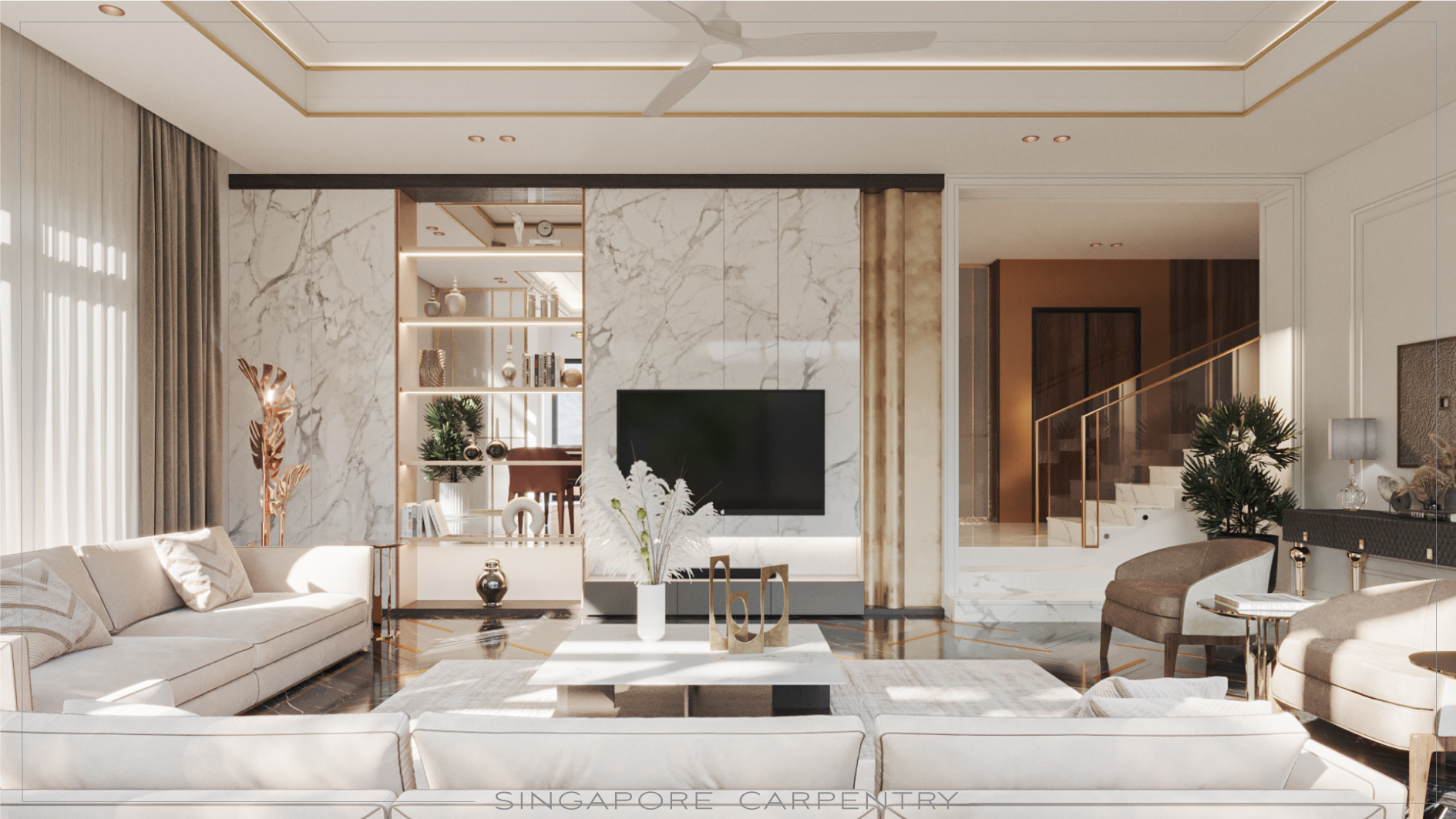
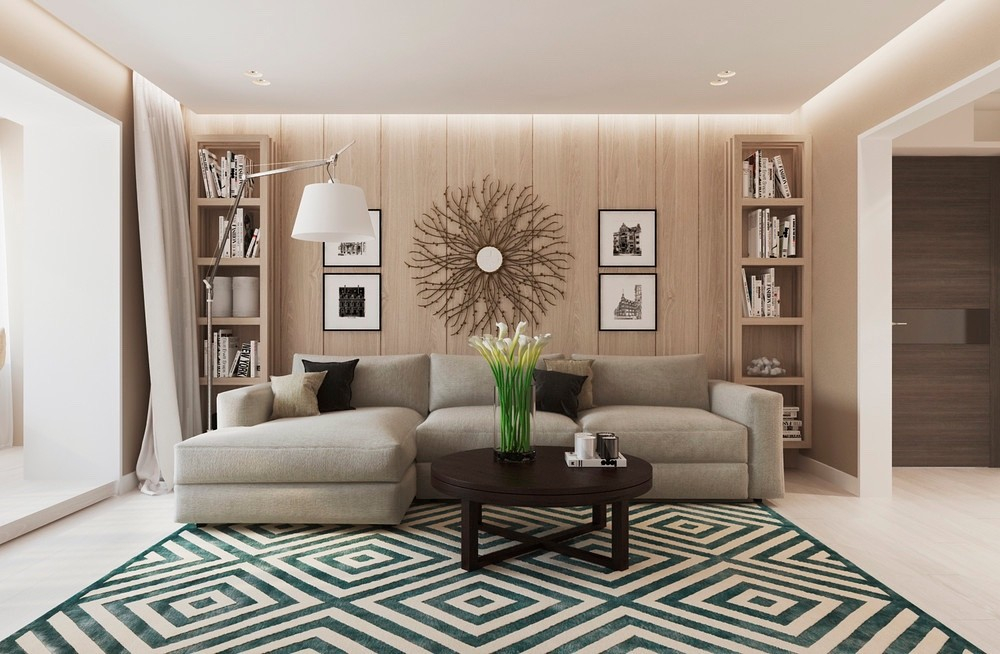
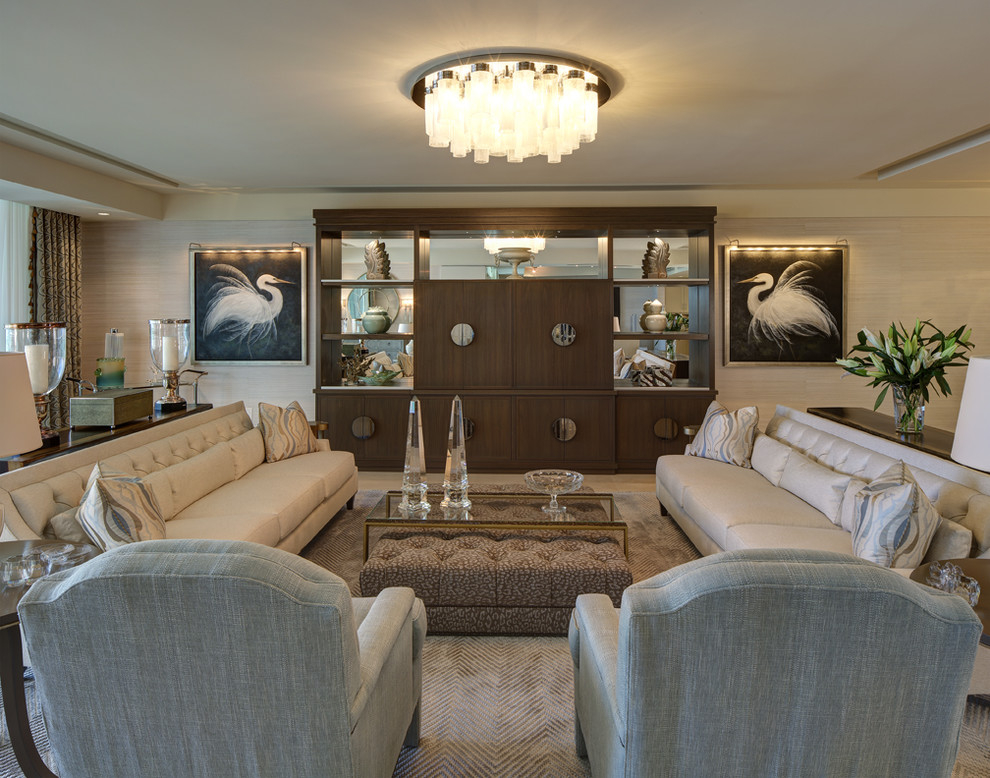
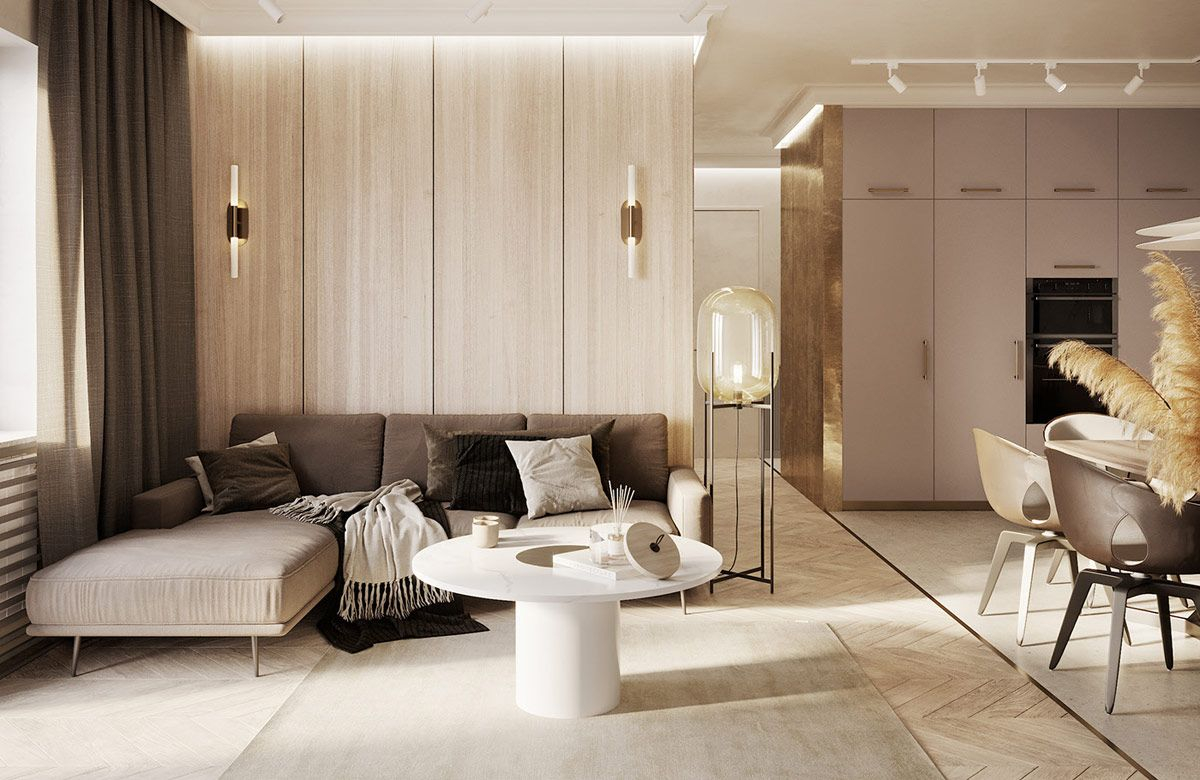
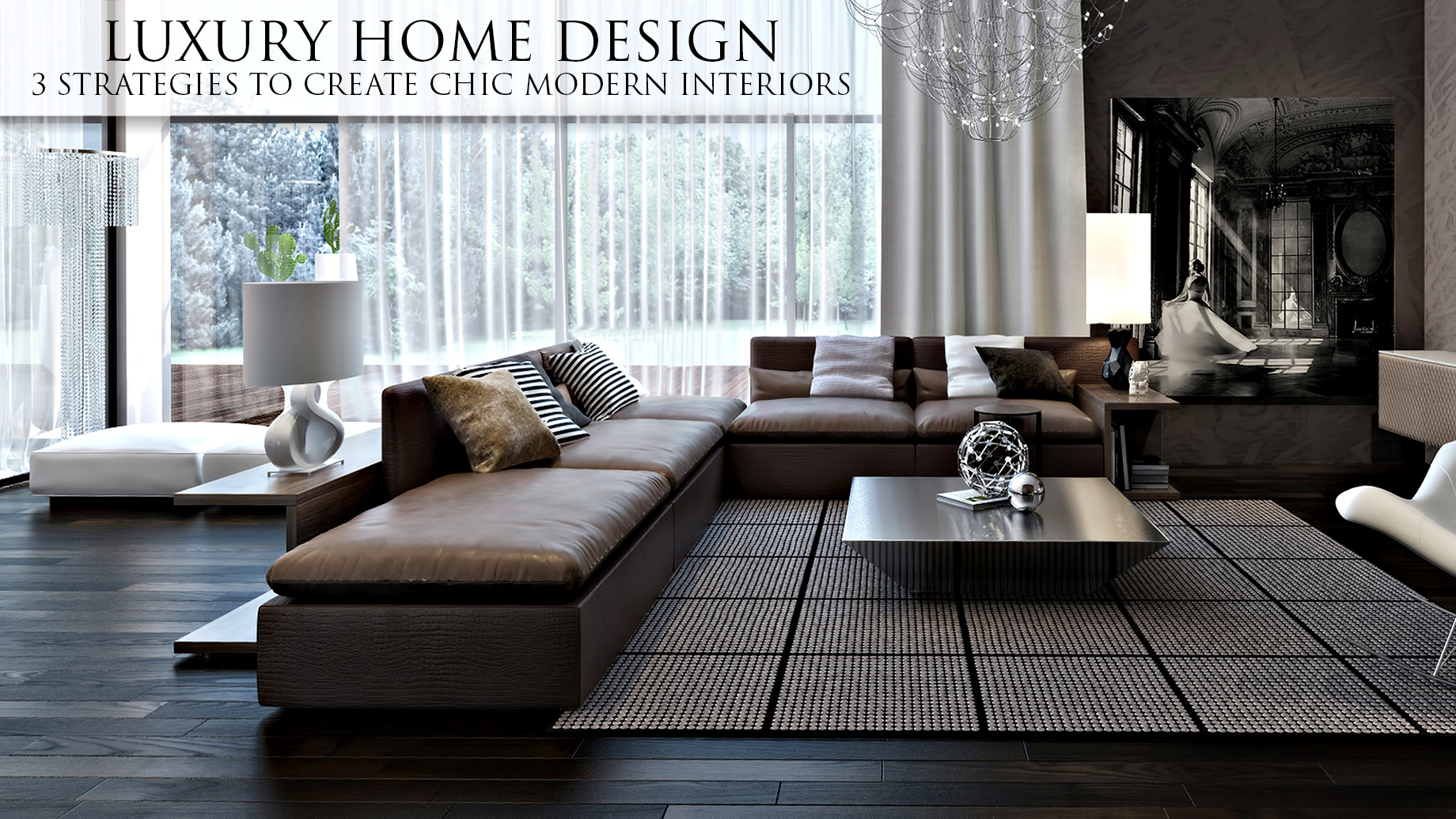
We have all been there. You walk into a room that looks like it belongs in a magazine, pristine and perfect, but you feel afraid to sit down. The air is cold. The surfaces are hard. It feels more like a museum exhibit than a place to live. For decades, "modern" meant stark. It meant white walls, sharp angles, and a distinct lack of personality. But something has shifted. In 2026, the definition of modern living has softened. We no longer want homes that just look good; we want spaces that feel good.
The trend isn’t about abandoning clean lines or simplicity. It is about wrapping those elements in warmth. Think of it as swaddling the best parts of modern decorating—simplicity, soft palettes, contemporary touches—in layers of texture and comfort. The result is a home that looks polished yet lived-in. Sophisticated, sure, but also deeply inviting. This is the era of warm minimalism, where the goal is not to show off how little you own, but to curate what matters most in a way that feels authentic to your life.
So, how do you achieve this balance? It is not about buying expensive furniture or following rigid rules. It is about understanding how light, material, and memory interact. It is about choosing a chair because it invites you to curl up with a book, not just because it matches the sofa. Let’s dive into the practical ways you can transform a cold, modern shell into a sanctuary that breathes with you.
The Foundation: Color Palettes That Embrace Light
Color sets the mood before you even touch a piece of furniture. In the past, modern interiors often relied on stark whites and cool grays. While these colors have their place, they can feel clinical if not handled with care. Today, the shift is toward "warm neutrals." These are shades that have underlying tones of beige, cream, taupe, or even a hint of terracotta. They reflect light softly rather than bouncing it back harshly.
Consider painting your walls in a shade of oatmeal or a soft, mushroom gray. These colors act as a blank canvas, but a warm one. They provide a backdrop that makes wood tones pop and allows textiles to shine. If you are hesitant to commit to a full wall color, start with large areas like living rooms or bedrooms. You will notice immediately that the space feels quieter. Less aggressive. It wraps around you.
Don’t forget the ceiling. Often overlooked, a ceiling painted in a slightly warmer tone than pure white can eliminate that "institutional" feel. And remember, lighting changes everything. A color that looks crisp at noon might turn golden and cozy at dusk. Test your paints at different times of day. Watch how the shadow moves across the wall. This simple step ensures your palette works with the sun, not against it.
Texture Over Pattern: The Tactile Experience
If color is the mood, texture is the soul of a warm modern home. In 2026, designers are moving away from busy patterns and focusing on the feel of materials. Why? Because texture adds depth without visual clutter. It invites touch. When you run your hand along a rough-hewn wood table or sink into a bouclé chair, your brain registers comfort. It is a sensory experience that pure aesthetics cannot replicate.
Start by layering different finishes. Mix smooth leather with nubby wool. Pair sleek metal legs with a chunky knit throw. Janelle Patton, a lead designer at Lark Interiors, notes that adding texture is an easy hack for making a modern interior cozier. She suggests embracing a variety of textured finishes throughout the space. This doesn’t mean you need to go overboard. A single velvet pillow on a linen sofa can change the entire dynamic of a room.
Think about the floors, too. Hardwood is beautiful, but it can be cold. Layering area rugs with natural fibers like jute, wool, or sisal adds warmth underfoot and absorbs sound. This reduces the echo that often plagues modern, open-plan spaces. The goal is to create a landscape of触感 (touch) that varies from spot to spot. Your feet should feel different walking from the kitchen to the living room. This subtle variation keeps the space interesting and grounded.
Organic Shapes and Natural Materials
Modern design used to be synonymous with rigid geometry. Squares, rectangles, and sharp corners dominated. But nature rarely produces straight lines. To make a space feel livable, we are seeing a massive return to organic shapes. Curved sofas, round coffee tables, and arched doorways soften the visual field. They guide the eye gently rather than stopping it abruptly.
Incorporating natural materials is key here. Wood, stone, clay, and rattan bring the outside in. In 2026, the trend is toward "moody organic textures." This means using woods with visible grain and knots, stones with unique veining, and ceramics that show the hand of the maker. These imperfections are not flaws; they are features. They remind us that humans made these objects, or that nature grew them. This connection creates an emotional bond with the space.
Try introducing a large wooden dining table with live edges. Or perhaps a ceramic vase with an irregular shape. These pieces act as anchors. They ground the sleeker, more manufactured elements of modern design. If you have a very modern, glass-heavy room, balance it with a heavy, solid wood bench. The contrast creates tension, but also harmony. It stops the room from feeling like a showroom and starts making it feel like a home.
Lighting: The Invisible Decorator
Lighting is perhaps the most critical element in creating warmth. Yet, it is often an afterthought. Many people rely on a single overhead light, which casts harsh shadows and flattens the room. To create a cozy atmosphere, you need layers. Think of lighting as jewelry for your home. It should accentuate, highlight, and soften.
Start with ambient lighting. This is your base layer. Use recessed lights with warm bulbs (2700K to 3000K temperature) to provide general illumination. Then, add task lighting. Floor lamps next to reading chairs, pendant lights over kitchen islands. Finally, add accent lighting. Picture lights above art, or small LED strips behind shelves. This creates depth and draws the eye to specific features.
Dimmers are non-negotiable. Being able to lower the light level in the evening signals to your body that it is time to relax. It transforms a bright, energetic space into a intimate retreat. Also, consider the placement of lamps. Eye-level lighting is more flattering and cozy than overhead lighting. It creates pools of light that encourage conversation and quiet moments. Avoid cool, blue-toned bulbs at all costs. They disrupt circadian rhythms and feel sterile. Stick to warm whites and soft ambers.
Personalization: The Soul of the Space
A house becomes a home when it tells your story. Warm minimalism is not about emptiness; it is about intentionality. Display things that give you a warm and fuzzy feeling. This could be family snapshots, valued mementos, or personal artwork that echoes your life’s journey. Such intimate inclusions accentuate comfort, making your space feel authentic to you.
In 2026, we are seeing a move away from generic decor. People are curating collections that mean something. Maybe it is a shelf of books you have actually read. Or a gallery wall of travel photos. These items break up the sleekness of modern furniture and add character. They are conversation starters. They remind you of who you are and where you have been.
Do not be afraid to mix eras. A mid-century modern chair pairs beautifully with a contemporary abstract painting. An antique rug can anchor a ultra-modern sofa. This eclecticism prevents the space from feeling curated by a algorithm. It feels human. It feels collected over time. Remember, your home should evolve with you. It is okay to leave some shelves empty for now, knowing they will fill up with treasures found along the way.
Balance and Flow: The Final Touch
Creating a warm modern interior is ultimately about balance. It is the interplay between hard and soft, old and new, light and dark. You want a space that feels edited but not sterile. Clutter-free but not empty. This balance creates a sense of calm. It allows the mind to rest.
Pay attention to flow. Can you move easily through the room? Is there enough space to breathe? Furniture placement should encourage interaction. Arrange seats to face each other, fostering conversation. Leave pathways clear. A cramped room feels anxious, no matter how beautiful the decor. Openness contributes to the feeling of sophistication, while the furnishings contribute to the coziness.
Finally, trust your instincts. If a room feels cold, add a textile. If it feels chaotic, remove an object. If it feels flat, add a plant. Plants are incredible for adding life and softness. A large fiddle leaf fig or a trailing pothos can soften a corner instantly. They bring color and movement. They breathe. And so should your home.
The evolution of modern interior design in 2026 proves that style and comfort are not mutually exclusive. We have moved past the era of the stark, untouchable home. Today, sophistication is defined by how well a space supports the people living in it. It is about creating environments that nurture, inspire, and welcome.
By focusing on warm neutral palettes, rich textures, organic shapes, layered lighting, and personal touches, you can build a home that is both visually striking and deeply comfortable. It does not require a complete renovation. Often, small changes—a new rug, a warmer bulb, a cherished object on display—can shift the entire energy of a room.
Your home is your sanctuary. It should reflect your values and your vibe. So, let go of the pressure to be perfectly modern. Instead, aim for authentically you. Mix the sleek with the soft. The new with the old. The result will be a space that is not just designed, but lived in. And that, truly, is the height of luxury.