Ever stare at the ceiling at 3 AM, wondering why your brain won’t shut off? You’re not alone. Millions of us are tossing and turning, blaming stress or caffeine, but sometimes the culprit is staring us right in the face. It’s the room itself. The way the light hits that ugly lamp. The clutter piling up on the nightstand. The color of the walls that feels more "anxiety yellow" than "calm beige." We spend a third of our lives sleeping, yet we often treat our bedrooms like afterthoughts. Just a place to crash. But what if a few small changes could trick your brain into relaxing faster?
You don’t need a contractor. You don’t need a five-figure budget. In fact, some of the best sleep hacks cost less than a takeout dinner. Recent studies from 2025 and early 2026 show that environmental cues—like temperature, light, and visual noise—play a huge role in how quickly we fall asleep and how deeply we stay there. It’s not just about buying a expensive mattress. It’s about curating a space that whispers "rest" instead of shouting "work." Let’s dive into how you can tweak your surroundings for better zzz’s, using stuff you probably already have or can grab cheaply.
Tame the Light Beast
Light is the boss of your circadian rhythm. If your room isn’t dark, your body doesn’t produce enough melatonin. Simple as that. But blackout curtains can be pricey, and landlords hate when you drill holes. So, what’s the move? Start with what you’ve got. Aluminum foil taped over windows is a classic hack for a reason—it blocks 100% of light. Sure, it looks a bit weird from the outside, but who cares? You’re inside, trying to sleep. If foil feels too extreme, try heavy-duty trash bags cut to size and tucked behind your existing curtains. It’s ugly, effective, and costs pennies.
Then there’s the issue of those tiny LED lights. The standby light on your TV. The charging indicator on your phone. The clock on the microwave if you keep one in the bedroom (please don’t). These little dots of light are like kryptonite for deep sleep. Grab some electrical tape or those little stick-on dimmer switches. Cover them up. If you can’t cover them, redirect them. Angle your devices so the lights face the wall or the floor. It’s a tiny change, but in total darkness, your eyes pick up every photon. By eliminating these micro-distractions, you create a cave-like atmosphere that signals to your primal brain that it’s safe to power down.
Don’t forget the hallway light creeping under the door. A simple draft stopper or even a rolled-up towel can block that slice of illumination. If you rent and can’t install a proper door sweep, this is your best friend. It also helps with sound, which we’ll get to later. The goal here isn’t perfection; it’s reduction. Every bit of artificial light you remove lowers the cognitive load on your brain. It stops scanning for threats. It lets go. And that’s when the magic happens.
Declutter Your Mind by Decluttering Your Space
Clutter isn’t just messy; it’s mentally loud. When you walk into a room piled with laundry, half-read books, and random cables, your brain processes all of it. Even if you’re not consciously thinking about it, your subconscious is ticking off a mental to-do list. "Need to fold that." "Should return that item." "Where did I put my keys?" This background noise raises cortisol levels, making it harder to drift off. In 2026, minimalism isn’t just an aesthetic trend; it’s a mental health tool. But you don’t need to live in an empty white box. You just need clear surfaces.
Start with your nightstand. This is the last thing you see before you close your eyes and the first thing you see when you wake up. Keep it bare except for essentials. A lamp. A book. Maybe a glass of water. Clear off the receipts, the chargers, the loose change. If you need storage, use a basket or a drawer. Out of sight, out of mind. Visual calm leads to mental calm. Try the "one surface rule": pick one flat surface in your bedroom and keep it completely clear. Notice how your shoulders drop when you look at it. That’s your nervous system thanking you.
If your closet is bursting at the seams, that anxiety leaks into the room too. You don’t need to reorganize the whole thing today. Just close the doors. If you don’t have doors, hang a curtain. A simple tension rod and a cheap sheet can hide a mountain of chaos. When the visual noise is hidden, your brain stops tracking it. It’s a cheat code for peace. And if you can spare an hour this weekend, donate anything you haven’t worn in a year. Less stuff means less to worry about. It’s freeing, honestly.
Cool Down to Zone Out
Your body needs to drop its core temperature by about 2-3 degrees Fahrenheit to initiate sleep. If your room is too warm, you’re fighting biology. The ideal sleep temperature is around 65°F (18°C), but most of us keep our homes warmer. Cranking the AC all night is expensive and bad for the planet. So, how do you cool down without breaking the bank? Focus on your bedding materials. Swap out synthetic sheets for cotton, linen, or bamboo. These natural fibers breathe. They wick moisture away from your skin. Polyester traps heat like a plastic bag. It’s no wonder you wake up sweaty and groggy.
If new sheets aren’t in the budget right now, try the "freezer trick." Put your pillowcase in a plastic bag and pop it in the freezer for 15 minutes before bed. It sounds crazy, but it works for a quick cooldown. Or, use a hot water bottle filled with ice water at the foot of your bed. It acts as a personal air conditioner. Another old-school trick: dampen a top sheet slightly (not soaking, just damp) and use a fan. The evaporation cools the air around you. Just make sure you have a fan circulating air, even if it’s not cold. Stagnant air feels hotter.
Also, check your windows during the day. Keep them closed and shaded when the sun is beating down. Open them wide at night if it’s cooler outside. Cross-ventilation is free and powerful. If you live in a humid area, a dehumidifier can make the air feel cooler even if the temperature doesn’t drop much. Moist air clings to you; dry air lets sweat evaporate. Small adjustments to airflow and fabric choices can make a massive difference in how restful your night feels. It’s physics, but it feels like magic.
Bring Nature Inside (Without the Maintenance)
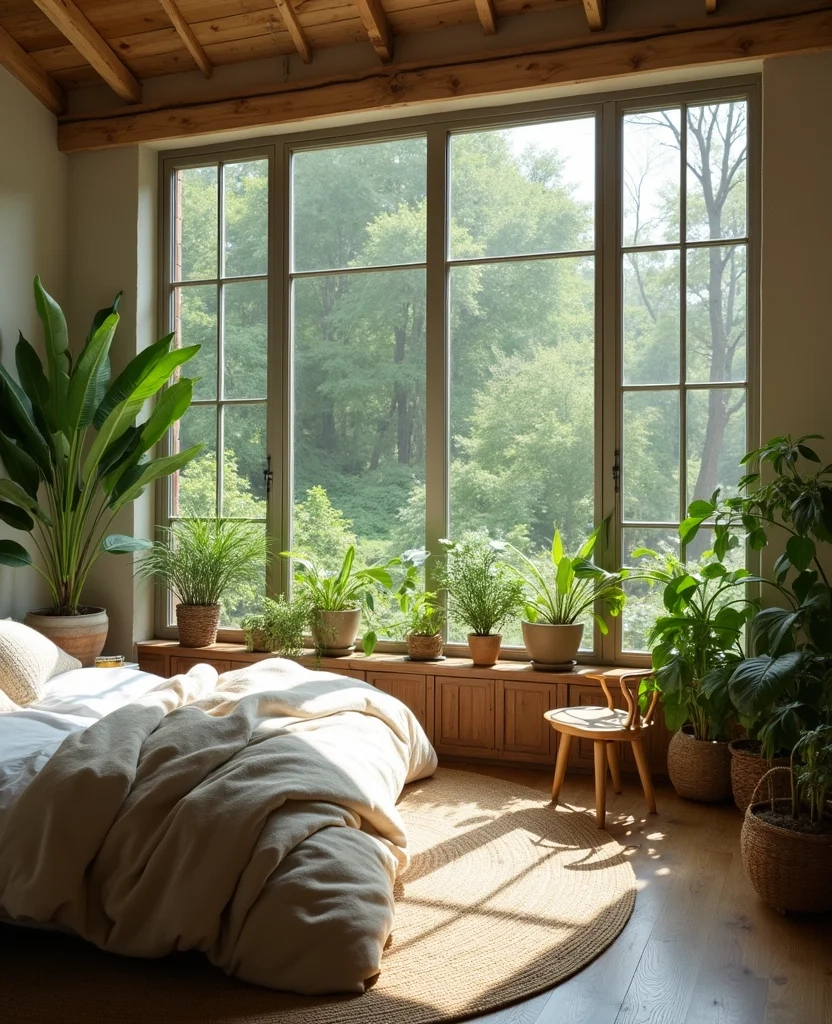
Biophilic design—fancy talk for bringing nature indoors—isn’t just for Instagram influencers. Studies consistently show that looking at plants lowers blood pressure and reduces stress. But killing plants adds stress, right? So, let’s keep it simple. Snake plants. ZZ plants. Pothos. These guys are nearly indestructible. They thrive on neglect. They also clean the air, removing toxins like formaldehyde and benzene. Breathing cleaner air means better oxygen intake, which supports deeper sleep cycles. You don’t need a jungle. One or two well-placed pots can shift the vibe of the entire room.
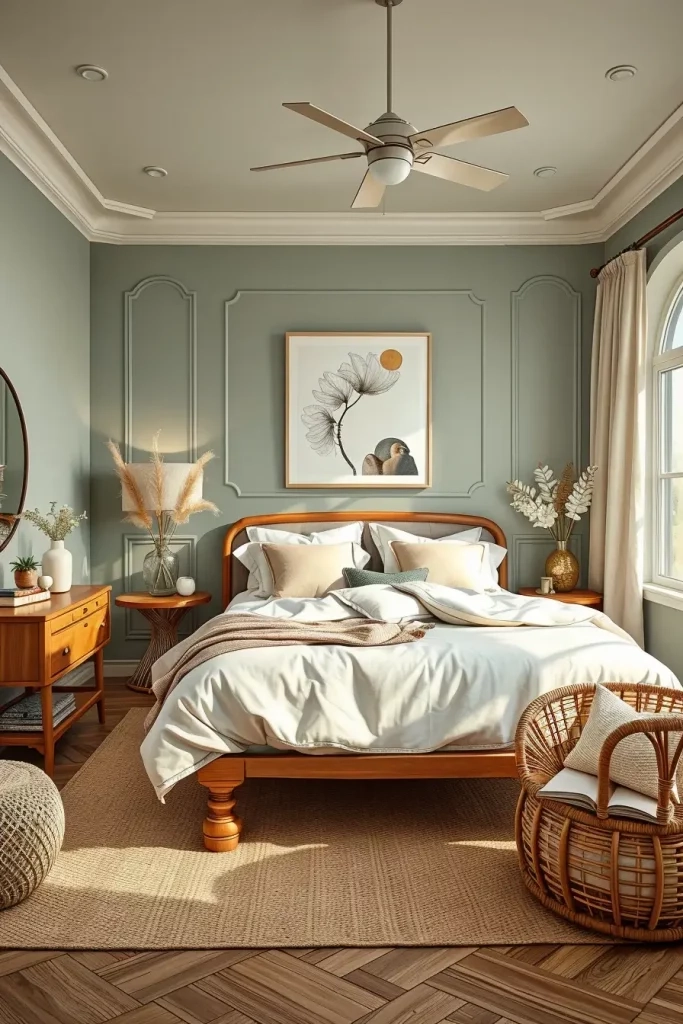
If you’re truly plant-challenged, go for dried flowers or branches. Eucalyptus bundles smell amazing and promote relaxation. Hang one in the shower or place a sprig on your nightstand. The scent alone can trigger a calming response. Natural materials matter too. Wood, stone, wool. These textures ground us. If you have plastic furniture, try covering it with a wooden tray or a woven basket. Soften the hard edges. Our ancestors slept in caves and forests; our brains still crave those organic shapes and textures. It’s a deep, evolutionary comfort.
Even images of nature help. Swap out that abstract art or poster for a print of a forest, ocean, or mountain. Look at it for a minute before you turn off the light. Let your eyes rest on something green or blue. These colors are naturally soothing to the human eye. Red and orange are energizing; save those for the kitchen. Blue and green lower heart rates. It’s subtle, but your body notices. You’re hacking your environment to support your biology. And it costs almost nothing if you use prints you already have or swap with a friend.
Soften the Soundscape
Silence is golden, but total silence can be unnerving. Sometimes, the absence of sound makes every creak and car horn seem louder. That’s where white noise or pink noise comes in. You don’t need a fancy machine. A fan works great. Or a free app on your phone. Pink noise, which has deeper tones like rain or wind, has been shown in recent 2024-2025 research to improve memory consolidation during sleep. It masks sudden noises that might wake you up, like a dog barking or a door slamming. Consistency is key. The brain learns to ignore constant, predictable sounds.
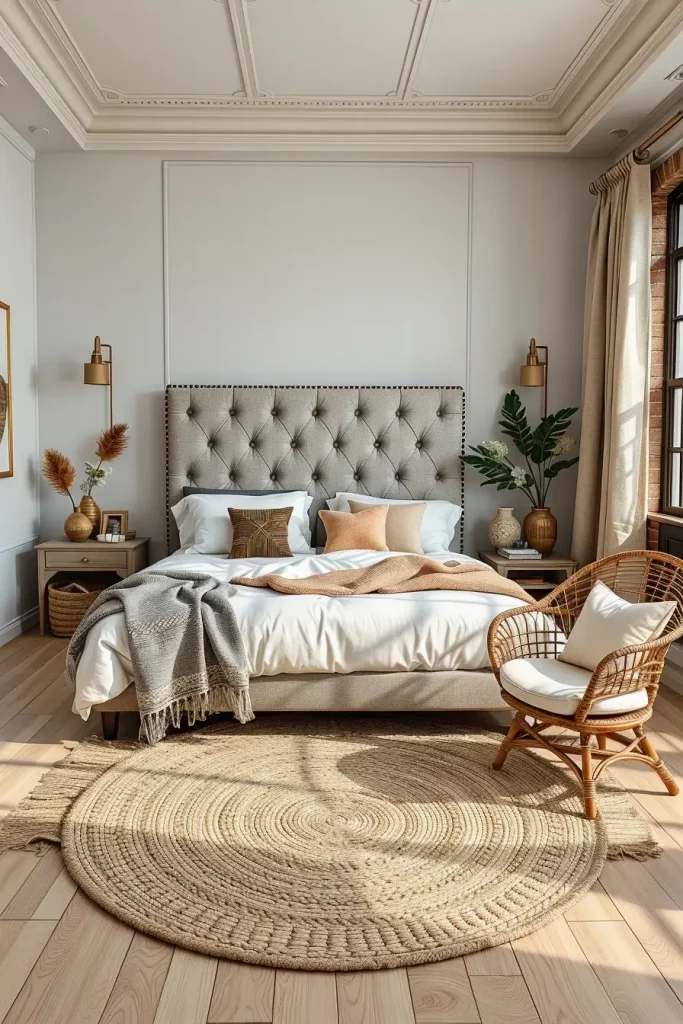
If you’re sensitive to noise, consider soft furnishings. Rugs, curtains, and upholstered headboards absorb sound. Hard floors and bare walls bounce echoes around, making the room feel cavernous and alert. A thick rug beside your bed not only feels nice underfoot but also dampens sound. Heavy curtains do double duty: they block light and soak up street noise. If you can’t afford new rugs, check thrift stores or online marketplaces. Old blankets pinned to the wall can act as makeshift soundproofing in a pinch. It’s not pretty, but it’s quiet.
Earplugs are another affordable savior. Foam ones are cheap, but silicone or wax molds fit better and last longer. Find a pair that doesn’t hurt your ears. It might take trial and error. Once you find the right fit, they’re a game-changer. They create a personal bubble of quiet, no matter where you are. Pair them with a sleep mask, and you’ve built a portable sleep sanctuary. It’s about controlling what you can. You can’t stop the neighbors from arguing, but you can stop their voices from entering your dreams.
Bright overhead lights are the enemy of sleep. They mimic daylight, telling your brain it’s noon. Yet, many of us sit under harsh ceiling fixtures until the minute we jump into bed. Stop doing that. Instead, layer your lighting. Use lamps with warm-colored bulbs (2700K or lower). Place them at eye level or lower. Floor lamps, table lamps, even string lights. The goal is to create pools of soft, dim light in the evening. This gradual dimming mimics the sunset, helping your body prepare for rest. It’s a signal. A ritual.
Install dimmer switches if you can. If you rent, use smart bulbs. You can control them with your phone or voice, setting them to fade out slowly. Some even change color temperature, shifting from bright white in the morning to amber in the evening. It’s a small tech upgrade that pays off big. Avoid screens in bed, obviously, but if you must read, use a dedicated book light with a warm hue. Don’t rely on your phone flashlight. The blue light suppresses melatonin instantly. Protect your eyes, protect your sleep.
Candles work too, but be careful. Flameless LED candles give the same flickering, cozy vibe without the fire risk. Place them around the room to create a soft, ambient glow. The flicker is hypnotic. It slows your breathing. Make this part of your nightly routine. Dim the lights an hour before bed. Read. Stretch. Meditate. Let the darkness creep in naturally. When you finally slide under the covers, your body will already be halfway to dreamland. It’s about easing into sleep, not crashing into it.
Transforming your sleep space doesn’t require a renovation. It requires attention. Notice what bothers you. Is it the light? The noise? The mess? Tackle one thing at a time. You don’t have to do it all tonight. Start with the easiest win. Maybe it’s taping over that annoying LED light. Maybe it’s clearing off your nightstand. Small steps build momentum. And as your room becomes more restful, you’ll find yourself looking forward to bedtime again. Not as a chore, but as a retreat.
Remember, sleep is a skill. It’s something we practice. Your environment is your partner in that practice. By making these affordable tweaks, you’re investing in your health, your mood, and your energy. And honestly, isn’t that worth a few dollars and a bit of effort? We spend so much on coffee to wake up; maybe we should spend a little more on helping ourselves wind down. Try these tricks. Mix and match. See what works for you. Your future well-rested self will thank you. Sweet dreams.