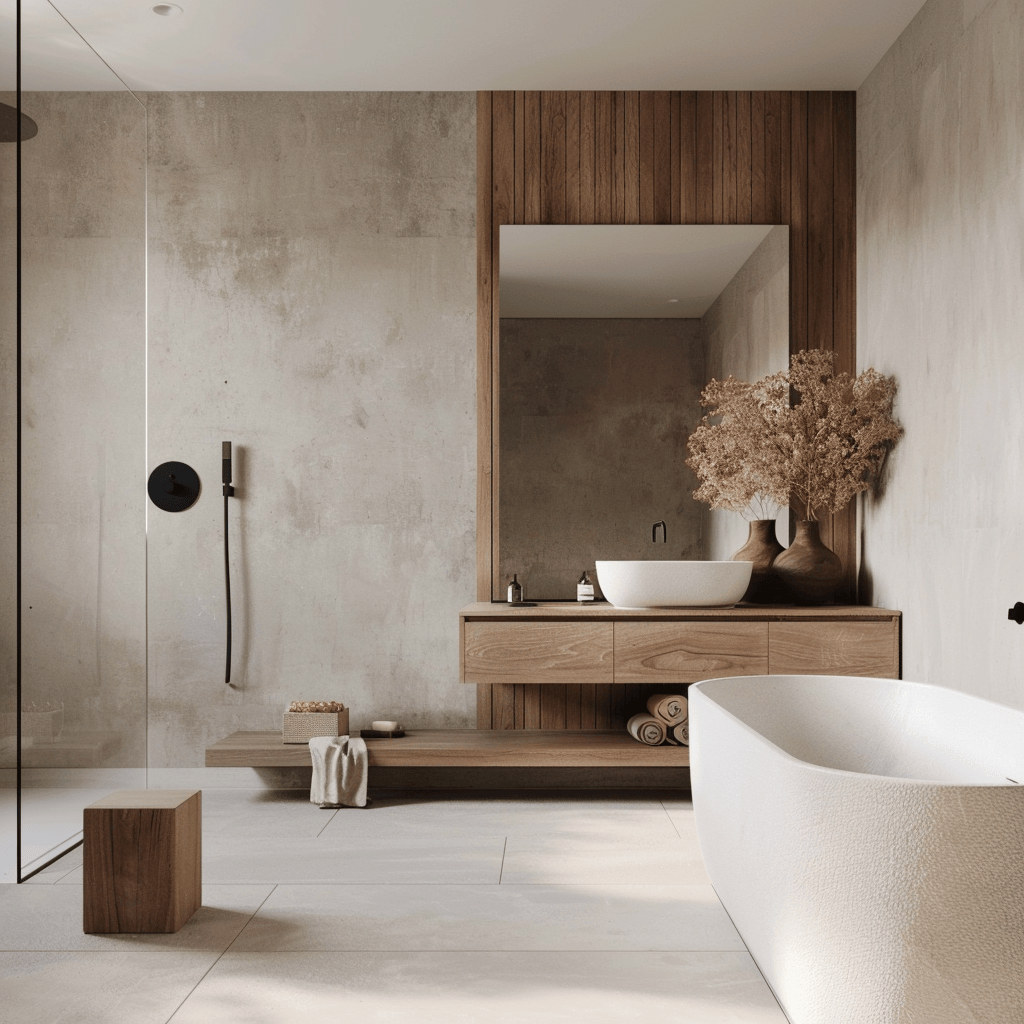
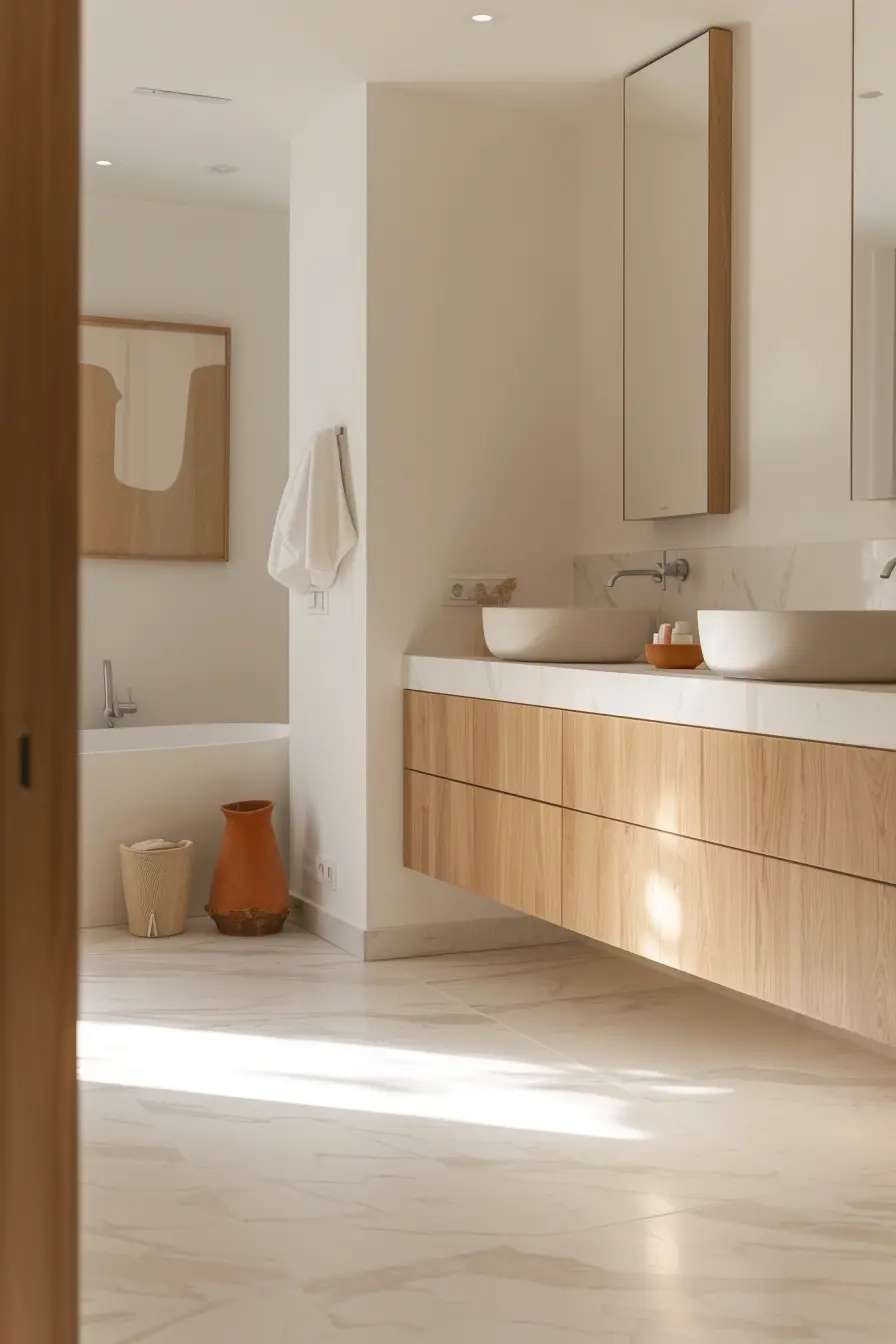
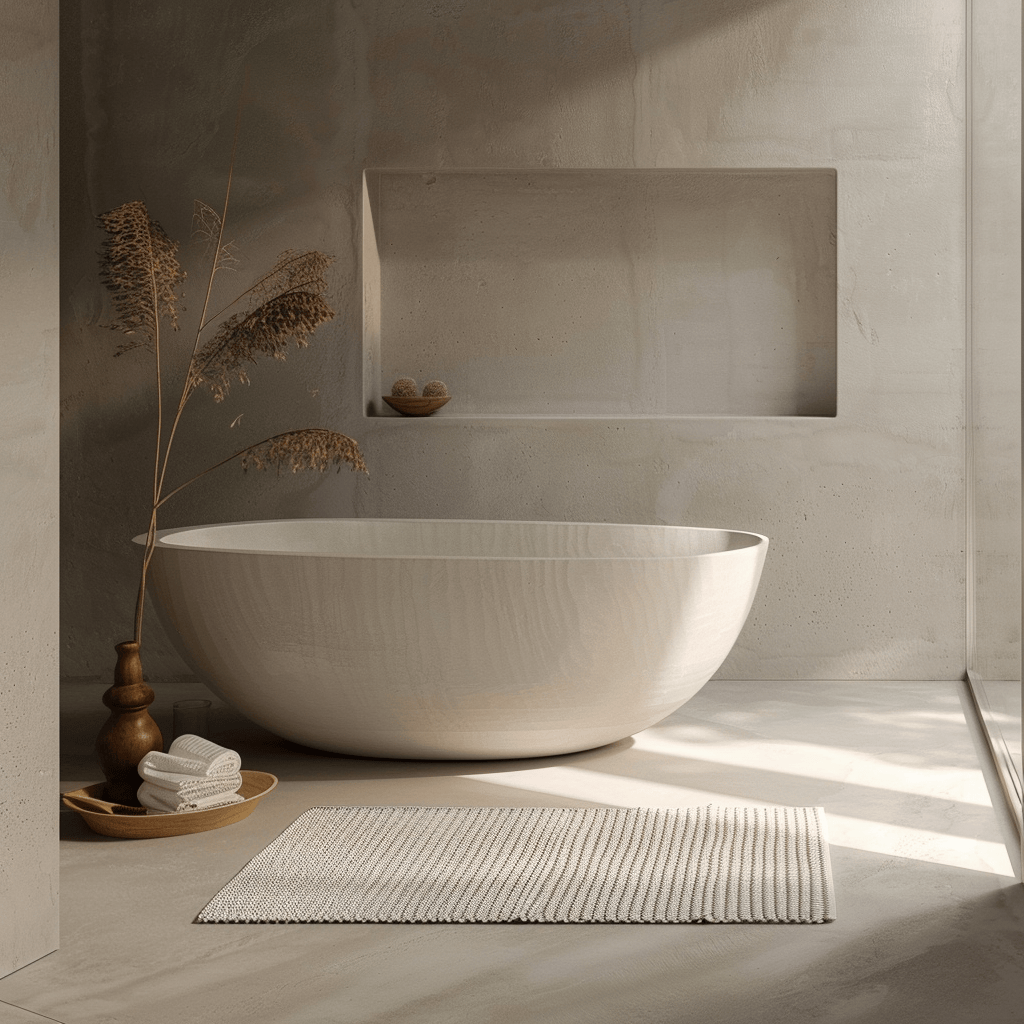
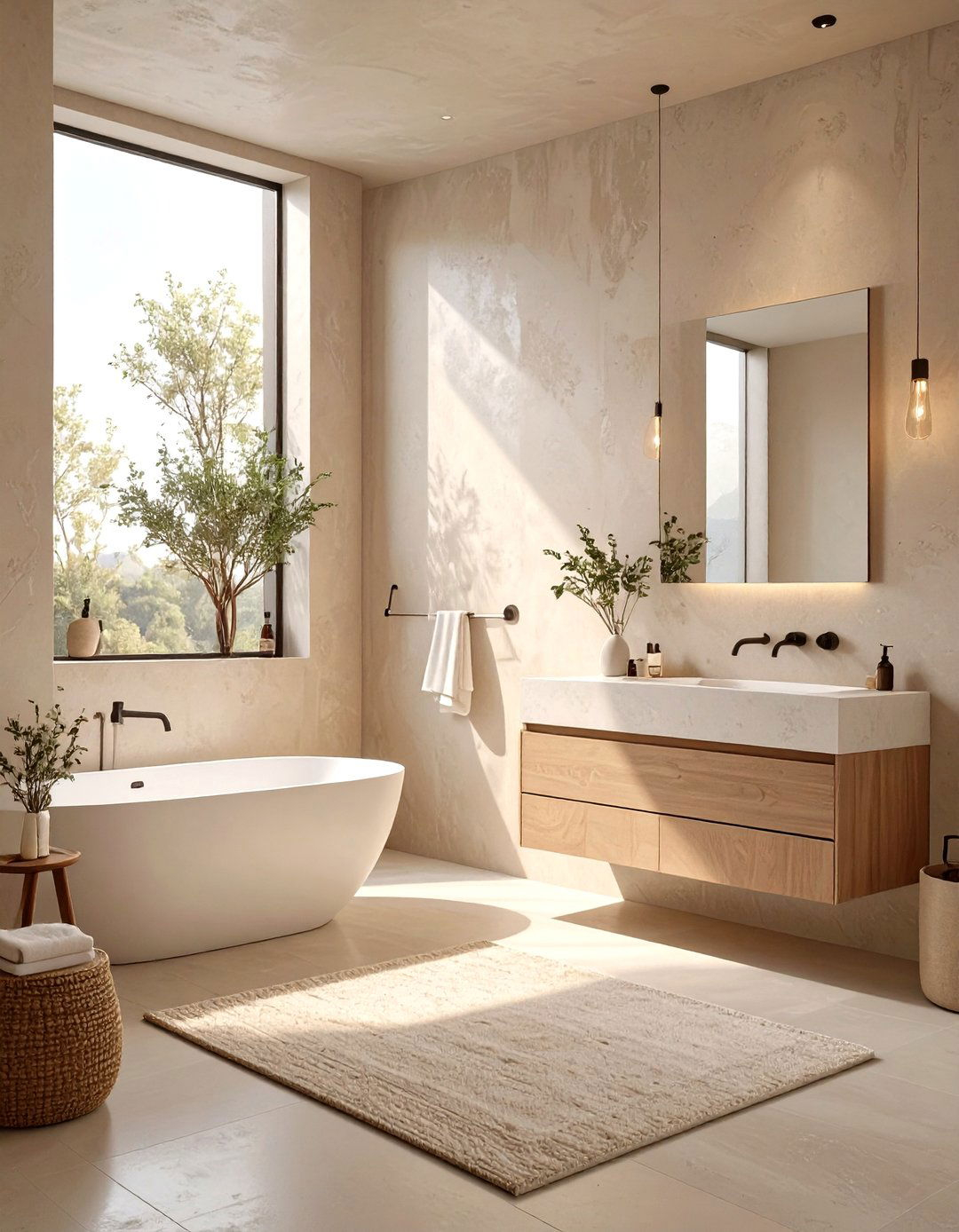
We’ve all been there. You open the medicine cabinet, and an avalanche of half-empty bottles tumbles out. Or maybe you’re digging through a drawer, searching for a band-aid, only to find three expired tubes of sunscreen and a hair tie from 2019. It’s chaotic. It’s stressful. And honestly? It’s unnecessary.
The bathroom is often the smallest room in the house, yet it holds some of our most personal items. It’s where we start and end our days. But somewhere along the way, it became a storage unit for things we thought we might need "someday." That someday rarely comes. In 2026, the trend isn’t just about minimalism for aesthetics; it’s about mental clarity. We are realizing that a cluttered counter equals a cluttered mind. So, how do we fix it without throwing away that expensive serum we swear we’ll use next week? Let’s dive in.
The Psychology of Holding On
Why is it so hard to let go of a shampoo bottle that’s been sitting there for six months? It’s not just laziness. It’s something deeper. Psychologists call it the "endowment effect," where we value things more simply because we own them. We think, "I paid good money for this face mask, so I can’t toss it." But here’s the truth: keeping it doesn’t get your money back. It just takes up space.
In recent years, experts have highlighted how visual noise impacts our cortisol levels. A 2025 study showed that people with organized bathrooms reported lower morning anxiety levels. Think about it. When you’re rushing to get ready for work, do you want to hunt for your toothbrush? Probably not. By acknowledging the emotional weight of these items, we can start to separate sentiment from utility. It’s okay to admit that the fancy bath salts from your cousin’s wedding gift aren’t serving you. They’re just gathering dust.
Another factor is the fear of waste. We hate throwing things away. It feels irresponsible. But hoarding unused products is also a form of waste—waste of space, waste of potential, and often, waste of the product itself as it expires. Shifting your mindset from "I’m throwing this away" to "I’m making room for what works" is a game changer. It’s not about loss; it’s about gain. You gain time. You gain peace. You gain a shelf that actually looks nice.
The Great Empty-Out
You can’t declutter what you can’t see. This sounds obvious, but most people try to tidy up by moving things around. Don’t do that. Take everything out. Yes, everything. Every bottle, every tube, every raggedy washcloth. Put it all on the floor or the bed. It’s going to look like a disaster zone. That’s the point.
Seeing the sheer volume of stuff is shocking. You might realize you have four bottles of body wash. Why? Maybe one was on sale. Maybe another was a free sample. But you only use one at a time. This physical act of removal breaks the inertia. It forces you to look at each item individually. No more hiding behind other bottles. No more ignoring that cracked mirror in the corner.
While everything is out, take a moment to clean. Wipe down the shelves. Scrub the drawers. This is your blank canvas. In 2026, hygiene awareness is higher than ever, and cleaning these hidden spaces removes bacteria and mold spores that thrive in damp, cluttered environments. A clean surface makes you want to keep it clean. If you put clutter back onto a dirty shelf, you’re just resetting the cycle. Take this time to reset the foundation of your space. It’s therapeutic, in a weird way.
The Three-Box Method
Now comes the sorting. Grab three boxes or bags. Label them: Keep, Donate/Recycle, and Trash. Be honest. This is the hardest part. For the "Keep" box, the rule is simple: have you used it in the last three months? If yes, it stays. If no, it goes. There are exceptions, like seasonal items or emergency supplies, but be strict.
For skincare and makeup, check expiration dates. Most mascaras last three months. Foundations last about a year. If it smells funny or has changed color, toss it immediately. Your skin will thank you. In the "Donate" pile, consider unopened items. Local shelters often accept sealed toiletries. But please, don’t donate opened half-used lotions. That’s not helpful; it’s just passing your clutter to someone else. Recycle what you can. Many cities now have specific programs for plastic beauty containers. Check your local guidelines for 2026 updates on recycling rules.
The "Trash" box is for the broken, the expired, and the useless. Be ruthless with samples. Those tiny hotel shampoos? Unless you’re planning a trip tomorrow, they’re just clutter. Same with those free perfume vials. They’re tempting, but they’re not adding value to your life. Let them go. This process isn’t about being mean to your stuff. It’s about being kind to your future self. Imagine opening that cabinet in six months and finding only things you love and use. Doesn’t that feel better?
Categorizing for Functionality
Once you’ve pared down, it’s time to organize what’s left. But don’t just shove it back in. Think about function. Group similar items together. Keep all your dental care in one spot. Hair tools in another. Skincare in a third. This creates zones. When you need floss, you know exactly where to look. No more digging.
Use containers wisely. Clear bins are great because you can see what’s inside. But don’t buy new organizers until you know what fits. Measure your shelves first. In 2026, sustainable materials like bamboo or recycled plastics are popular choices. They look good and feel good to use. Avoid overly complicated systems. If it takes ten steps to put away your toothbrush, you won’t do it. Simplicity is key.
Consider vertical space. Over-the-door hooks or tension rods can add storage without drilling holes. This is perfect for renters. Hang towels, robes, or even small baskets for extra items. But remember, just because you have space doesn’t mean you need to fill it. Leave some white space. Empty space breathes. It makes the room feel larger and calmer. Don’t fear the empty shelf. Embrace it.
The Daily Maintenance Habit
Decluttering isn’t a one-time event. It’s a habit. If you don’t maintain it, the clutter will creep back in. It’s like weeds. You pull them out, but if you don’t tend the garden, they return. Set a timer for five minutes each night. Put things back where they belong. Wipe down the sink. Throw away any trash. This small effort prevents the big cleanup later.
Involve everyone in the household. If you share the bathroom, everyone needs to be on board. Make it a family rule: one in, one out. If you buy a new shampoo, finish the old one first. Or toss it. Don’t let backups pile up. Communication is key. Talk about what works and what doesn’t. Maybe your partner needs more shelf space. Maybe you need a better hamper. Solve problems together.
Also, be mindful of new purchases. Before you buy that new gadget or cream, ask yourself: Do I really need this? Where will it go? Will it replace something? Impulse buys are the enemy of organization. In the age of instant delivery, it’s easy to overbuy. Slow down. Wait 24 hours. Often, the urge passes. This mindfulness saves money and space. It’s a win-win.
So, what are the "things you actually need"? It varies per person, but there are basics. Hygiene essentials: toothbrush, toothpaste, soap, deodorant. Health items: prescription meds, basic first aid. Grooming tools: razor, comb, tweezers. That’s it. Everything else is optional.
Keep items that bring you joy or serve a specific purpose. If you love a certain face oil and use it daily, keep it. If you have a special candle for baths, keep it. But limit these luxuries. One or two special items are nice. Twenty is clutter. Quality over quantity. Invest in good versions of the things you use every day. They last longer and perform better.
Don’t keep things "just in case." That spare roll of toilet paper? Fine. That backup bottle of aspirin? Okay. But that third hairdryer? No. That box of old cosmetics from high school? Definitely no. Trust that if you truly need something, you can buy it again. Stores aren’t disappearing. You don’t need to stockpile. Let go of the scarcity mindset. You have enough. You are enough.
Decluttering your bathroom is more than just cleaning. It’s a act of self-care. It says, "I deserve a space that is calm and functional." It takes time, sure. But the result is worth it. You’ll save time in the mornings. You’ll feel less stressed. You’ll appreciate your home more. So, take a deep breath. Open that cabinet. And start fresh. You’ve got this.