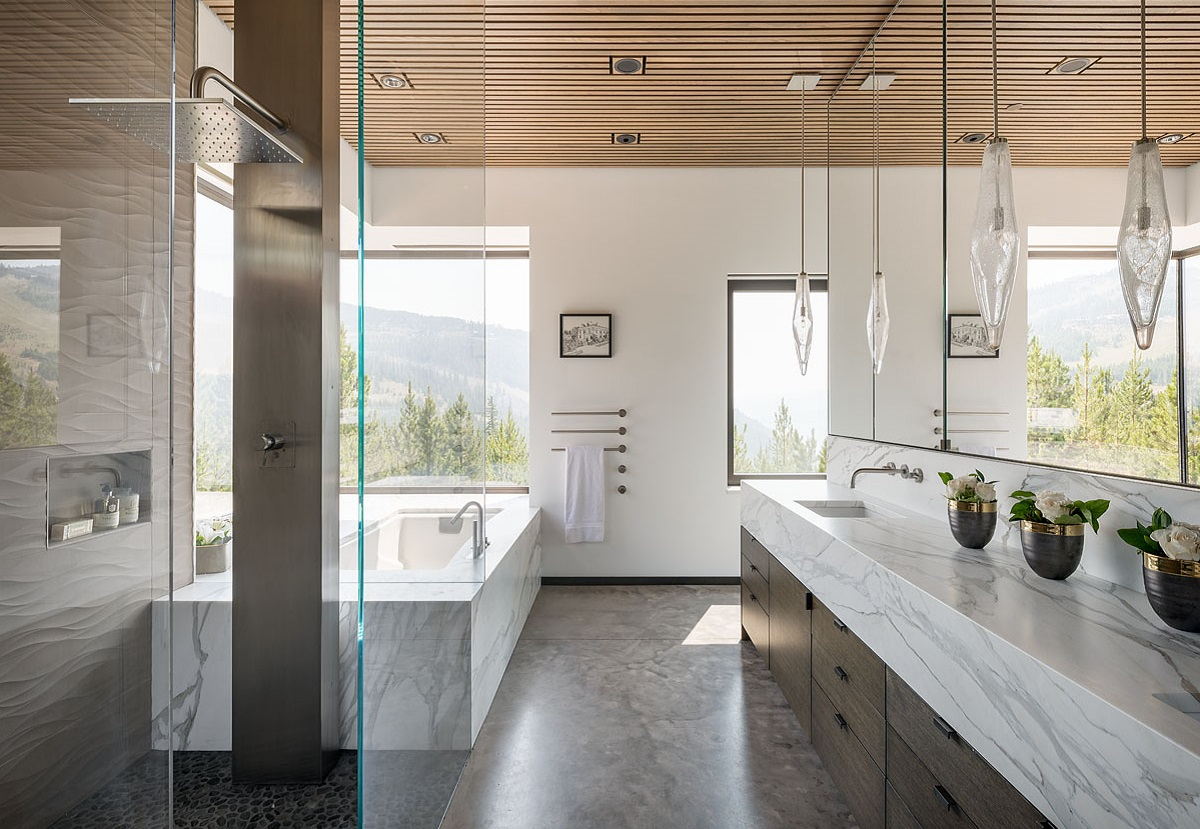
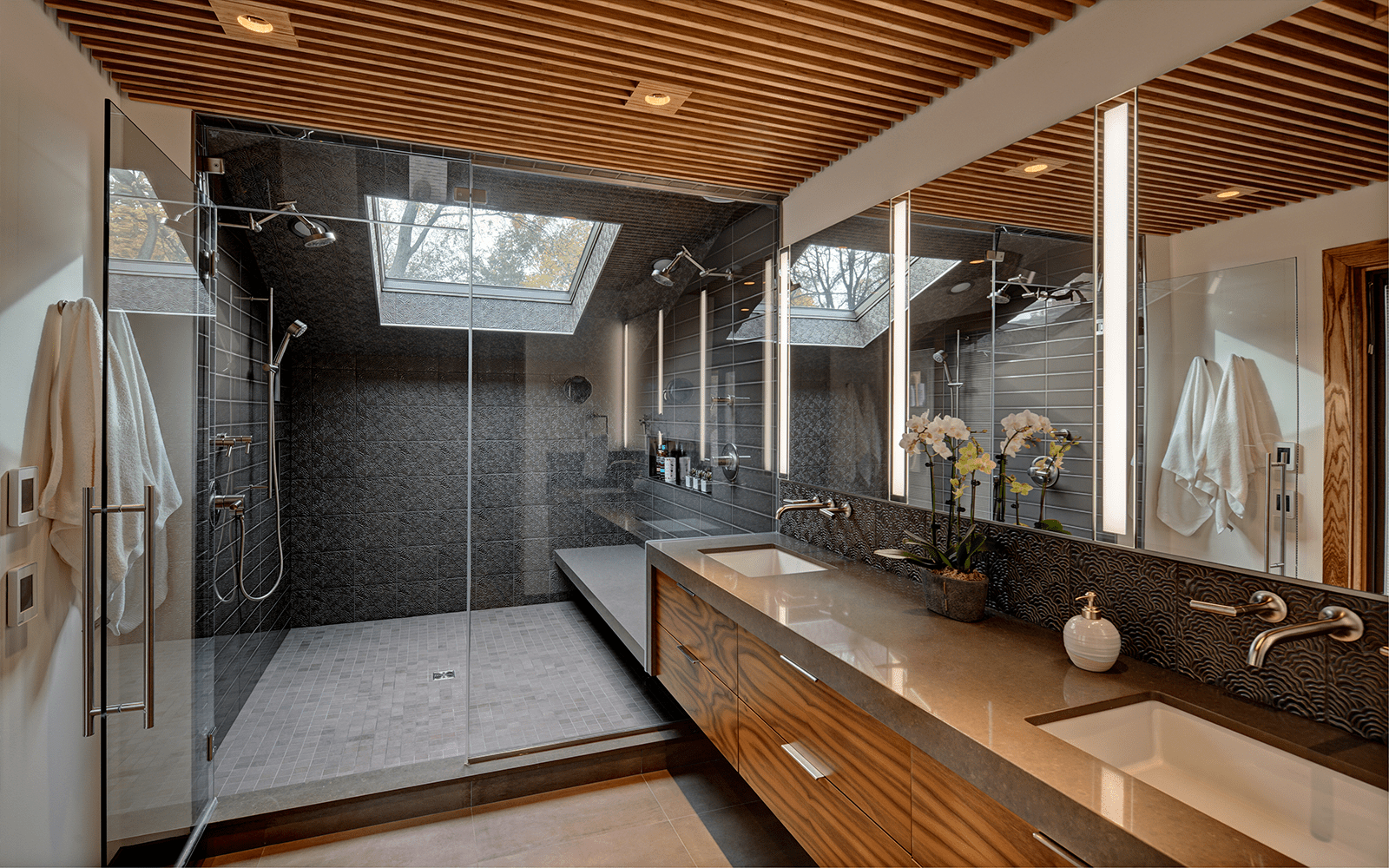
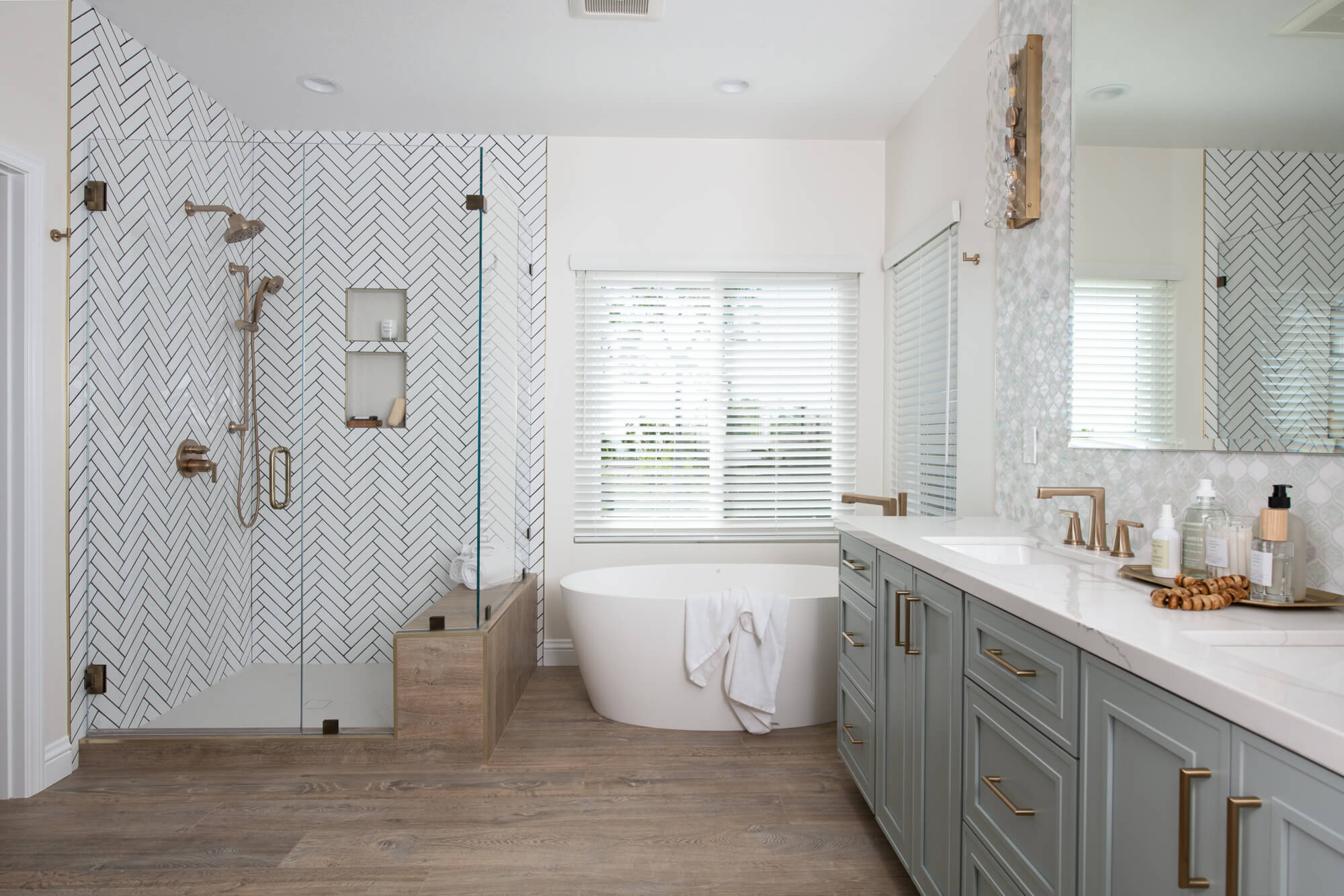
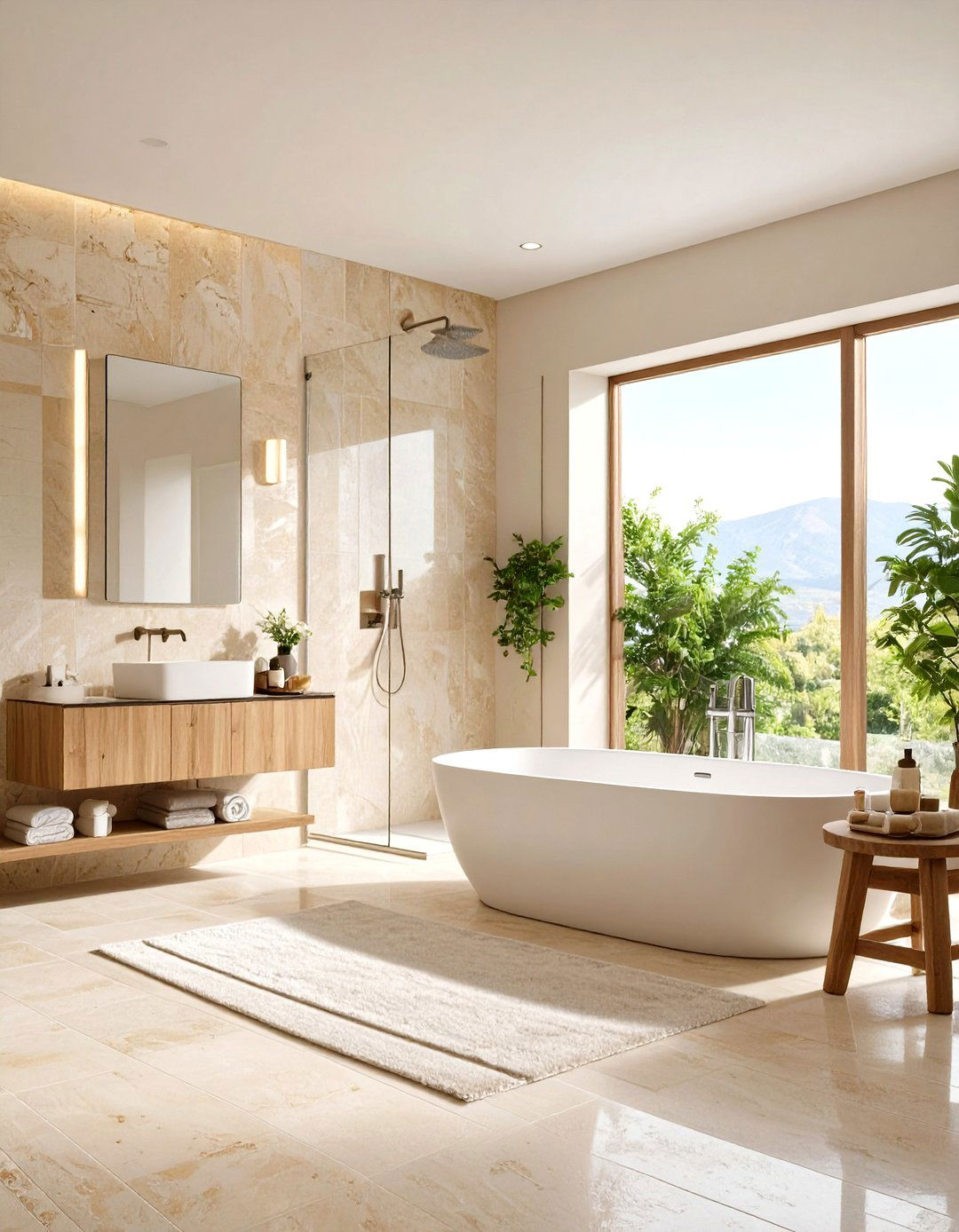
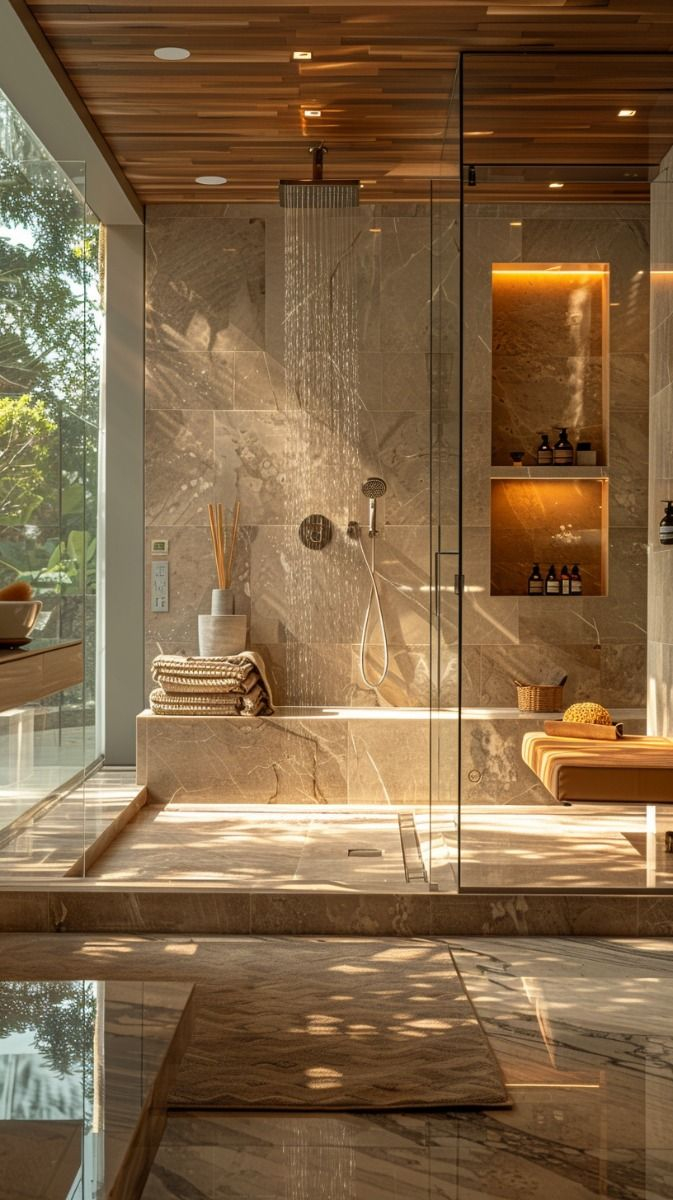
For the better part of a decade, walking into a newly renovated bathroom felt like stepping into an austere corporate headquarters. We lived through an era dominated by matte black hardware, stark white subway tiles, relentless gray quartz, and lacquered brass fixtures that shouted for attention. It was clean, it was sterile, and quite frankly, it was exhausting. Homes began to look less like sanctuaries for the human soul and more like high-end Instagram sets designed for maximum algorithmic scroll-stop rather than actual relaxation.
Then came a quiet, highly deliberate rebellion. Designers, tired of cold perfectionism, started reaching for materials with a pulse. They wanted finishes that felt lived-in, human, and soft to the touch. They wanted spaces that acknowledged life happens inside four walls.
Now, the pendulum has swung hard away from sterile uniformity. We are witnessing a profound aesthetic pivot defined by two distinct design elements: the understated, warm luxury of polished nickel and the expressive, soul-infused return of colorful sinks. This combination is not just a fleeting design whim; it represents a fundamental recalibration of what our private spaces should make us feel.
To understand this shift, one must look at how our relationship with the home has transformed over recent years. Wellness has replaced ostentation as the primary luxury metric. When homeowners embark on a renovation today, they are seeking tactile comfort, emotional resonance, and a quiet retreat from a hyper-digitized world. The gleaming, mirror-like quality of polished nickel offers a sophisticated warmth that brass and matte black simply cannot touch, while bold, saturated sinks inject a dose of unadulterated personality back into rooms that had become dangerously beige.
The Resurgence of Living Metals and Warmth
For years, unlacquered brass and heavy matte black dominated the high-end hardware market. While brass brought warmth, it often felt too rustic or aggressively yellow for contemporary architectural lines. Matte black, once hailed as modern, quickly revealed its practical shortcomings, showing every speck of hard water scale and losing its sleek edge over time. Enter polished nickel: the quiet aristocrat of metal finishes. It possesses a subtle, warm undertone that sits comfortably between the icy glare of chrome and the heavy yellow of traditional brass.
What makes polished nickel a standout choice in contemporary design is its living nature, particularly when paired with high-end traditional or transitional architecture. Unlike chrome, which has a blueish, cold reflection, polished nickel features a warmer base metal underneath its plating that gives it a soft, almost buttery glow. Over time, high-touch areas develop a subtle, organic patina that tells the story of the home. It feels approachable rather than museum-grade. Top designers have heavily championed this finish as a necessary antidote to the coldness of modern minimalism, noting that it bridges the gap between heritage craftsmanship and contemporary functionality.
Furthermore, polished nickel adapts effortlessly to various design vernaculars. In a transitional powder room featuring beadboard paneling and moody wall treatments, a bridge-style polished nickel faucet looks entirely at home. In a sleek, contemporary wet room with slab marble walls, that same polished nickel fixture provides a sophisticated, jewelry-like contrast that elevates the entire stone selection. It does not demand to be the loudest element in the room; instead, it whispers luxury through sheer refinement and tactile quality.
Breaking the Monotony with Saturated Porcelain and Stone
The bathroom sink has historically been treated as a purely utilitarian object—a white porcelain basin meant to vanish into a marble vanity top. This devotion to invisibility is rapidly crumbling. Colored sinks, bathtubs, and toilets are staging a massive comeback, transforming the most functional element of the hygiene routine into a sculptural centerpiece. Designers are moving away from seamless, gallery-white uniformity in favor of rich forest greens, dusty terracottas, deep indigos, and warm buttery creams.
This movement toward chromatic expression in plumbing fixtures is deeply tied to the desire for artistic individuality. A sink in a striking shade of plum or olive instantly anchors a vanity cabinet, turning ordinary millwork into bespoke furniture. When paired with the soft reflectivity of polished nickel, a colored sink creates a dynamic interplay of texture and tone. The contrast between a high-gloss, saturated ceramic basin and cool, gleaming metal hardware introduces a layer of visual depth that flat, all-white bathrooms simply cannot achieve.
Moreover, the psychological impact of color in small spaces cannot be overstated. Bathrooms and powder rooms are inherently contained footprints, making them ideal incubators for bold design choices. Stepping into a powder room enveloped in deep, moody paint and anchored by a vibrant, jewel-toned sink changes the emotional frequency of the room. It shifts the experience from an antiseptic morning routine to an immersive, sensory-rich ritual. It proves that small rooms do not need to rely on safe, reflective neutrals to feel expansive; they can embrace intimacy and drama.
Executing the Look: A Practical Integration Roadmap
Transitioning away from safe, monochromatic palettes toward polished nickel and colorful sinks requires a careful balancing act. Because these elements carry distinct visual weight, haphazardly throwing them into a room without a cohesive plan can result in a chaotic, disjointed space. Achieving a harmonious balance of warmth, color, and texture demands a structured, methodical approach to material selection.
- Step 1 (Audit Your Lighting Temperature): Evaluate the natural and artificial light in your bathroom before selecting your polished nickel fixtures. Polished nickel thrives in warm, diffused lighting (around 2700K to 3000K), which accentuates its golden undertones rather than making it look like standard chrome.
- Step 2 (Select Your Anchor Hue): Choose your colorful sink or vanity basin first before picking wall paint or tile. Because high-fired ceramic and vitreous china colors vary wildly across manufacturers, let the sink be the chromatic anchor that dictates your secondary tile and wall tones.
- Step 3 (Coordinate Metal Families Wisely): While mixed metals are acceptable, avoid scattering too many finishes in a compact space. If your primary fixtures are polished nickel, carry that finish through your shower valves, cabinet pulls, sconces, and even mirror frames for visual continuity.
- Step 4 (Balance Boldness with Neutral Textures): If your sink is a high-saturation statement piece like cobalt blue or rich forest green, ground the surrounding architecture with organic, subtle textures like honed limestone, subtle zellige tile, or warm white oak cabinetry.
- Step 5 (Prioritize Maintenance Coatings): Ensure your polished nickel hardware features a high-grade protective sealant if you live in an area with hard water, minimizing mineral spotting while still allowing the metal to age gracefully over time.
Navigating Common Pitfalls and Material Realities
Embarking on a design overhaul featuring high-shine metals and expressive ceramics comes with distinct technical hurdles. Ignoring the practical realities of daily maintenance or misjudging scale can turn an expensive renovation into a daily source of frustration. Understanding how these materials behave under real-world conditions is vital for long-term satisfaction.
- Pitfall 1 (Confusing Chrome with Polished Nickel): Mistaking chrome for polished nickel during online ordering is a costly error. Chrome has a harsh, blue-white glare and an industrial feel, whereas polished nickel has a warm, yellow-gray depth. Always order physical finish samples and hold them side-by-side in your actual bathroom lighting.
- Pitfall 2 (Over-Saturating the Color Palette): Choosing a vibrant sink, bold patterned floor tile, and heavy wall color all at once can overwhelm a small bathroom. Keep your floors and walls relatively quiet if your sink and hardware are making heavy stylistic statements, ensuring the eye has a place to rest.
- Pitfall 3 (Neglecting Water Quality Impact): Forgetting that polished nickel shows water spots more readily than brushed finishes. Implement a habit of wiping down high-touch bridge faucets with a microfiber cloth after use to prevent mineral buildup from etching the protective plating.
- Pitfall 4 (Ignoring Sink Ergonomics for Aesthetics): Selecting a shallow, sculptural vessel sink just for its color at the expense of functionality, leading to constant splashing. Ensure your colored sink has an adequate basin depth and is paired with a properly proportioned faucet reach to prevent water from spilling over the counter.
- Pitfall 5 (Mismatched Undertones in Whites): Pairing a stark, cool-white acrylic tub or toilet with a creamy, warm-toned colored sink. Ensure your whites share a similar thermal family—either leaning crisp and cool or soft and warm—so the room looks intentional rather than piecemeal.
The Broader Cultural Shift Toward Wellness and Craft
The embrace of polished nickel and colorful sinks mirrors a wider cultural rejection of mass-produced sameness. For years, housing markets were flooded with hyper-sanitized flips characterized by gray luxury vinyl plank floors, stark white quartz, and cold chrome fixtures. These finishes were chosen not for their beauty, but for their perceived market safety and universal blandness. The current return to expressive color and living metals signals a profound shift toward homeowner self-expression and emotional architecture.
This design evolution also reflects a growing appreciation for traditional craftsmanship. Polished nickel requires meticulous plating techniques, and high-end colored ceramics harken back to the mid-century era of custom plumbing fixtures when bathrooms were treated as works of art rather than wet utility closets. By investing in fixtures that have character, weight, and history, homeowners are reclaiming their private spaces as personal sanctuaries. The bathroom is no longer an afterthought; it is the ultimate expression of domestic intimacy.
Furthermore, this trend aligns with sustainable longevity in home design. When people choose materials they genuinely love—like a rich, earthy green sink or a warm nickel faucet that patinas gracefully—they are far less likely to rip out their bathrooms in five years when the next micro-trend arrives. Authentic design built around personal resonance is inherently sustainable. It encourages people to build spaces for themselves rather than for hypothetical future resale buyers, restoring a sense of joy and ownership to the renovation process.
Strategic Recommendations for Your Next Renovation
Translating these macro design shifts into a concrete project requires a disciplined framework. Whether you are executing a full gut renovation or a targeted powder room refresh, focusing on high-impact focal points ensures your budget is spent where it matters most.
- Anchor with Statement Hardware: Invest in top-tier polished nickel fixtures for the primary vanity and shower. Because hardware is tactile and catches light instantly, upgrading your faucets and knobs yields the highest visual return on investment in the entire room.
- Embrace Color Where It Is Easily Swapped: If you are hesitant to commit to a permanent colorful porcelain sink, experiment with colored vanities, saturated limewash walls, or bold textiles. If you are ready for commitment, a custom cast-iron or fireclay sink in a rich hue will anchor the space for decades.
- Prioritize Quality Over Trend Chasing: Avoid ultra-cheap plated metals that flake or peel within months. Look for solid brass substrates finished in polished nickel from reputable plumbing manufacturers who stand behind their finish warranties.
- Layer Lighting Generously: Combine polished nickel sconces flanking the mirror with recessed warm ambient lighting. The high reflectivity of polished nickel requires good lighting design to truly sing; flat, overhead lighting will make the metal look dull and lifeless.
The movement toward polished nickel and colorful sinks is more than a mere shift in surface aesthetics. It is a collective sigh of relief. We are stepping away from the cold, algorithm-driven minimalism that dominated our homes for the past decade and returning to spaces that feel human, tactile, and deeply personal.
By welcoming warm, living metals into our daily routines and injecting unapologetic color into our basins and fixtures, we transform utilitarian rooms into genuine sanctuaries. The modern bathroom is no longer a sterile staging ground; it is a canvas for self-expression, comfort, and quiet luxury. As we look ahead, the greatest design luxury of all is simply knowing yourself well enough to build a home that feels entirely, authentically yours.