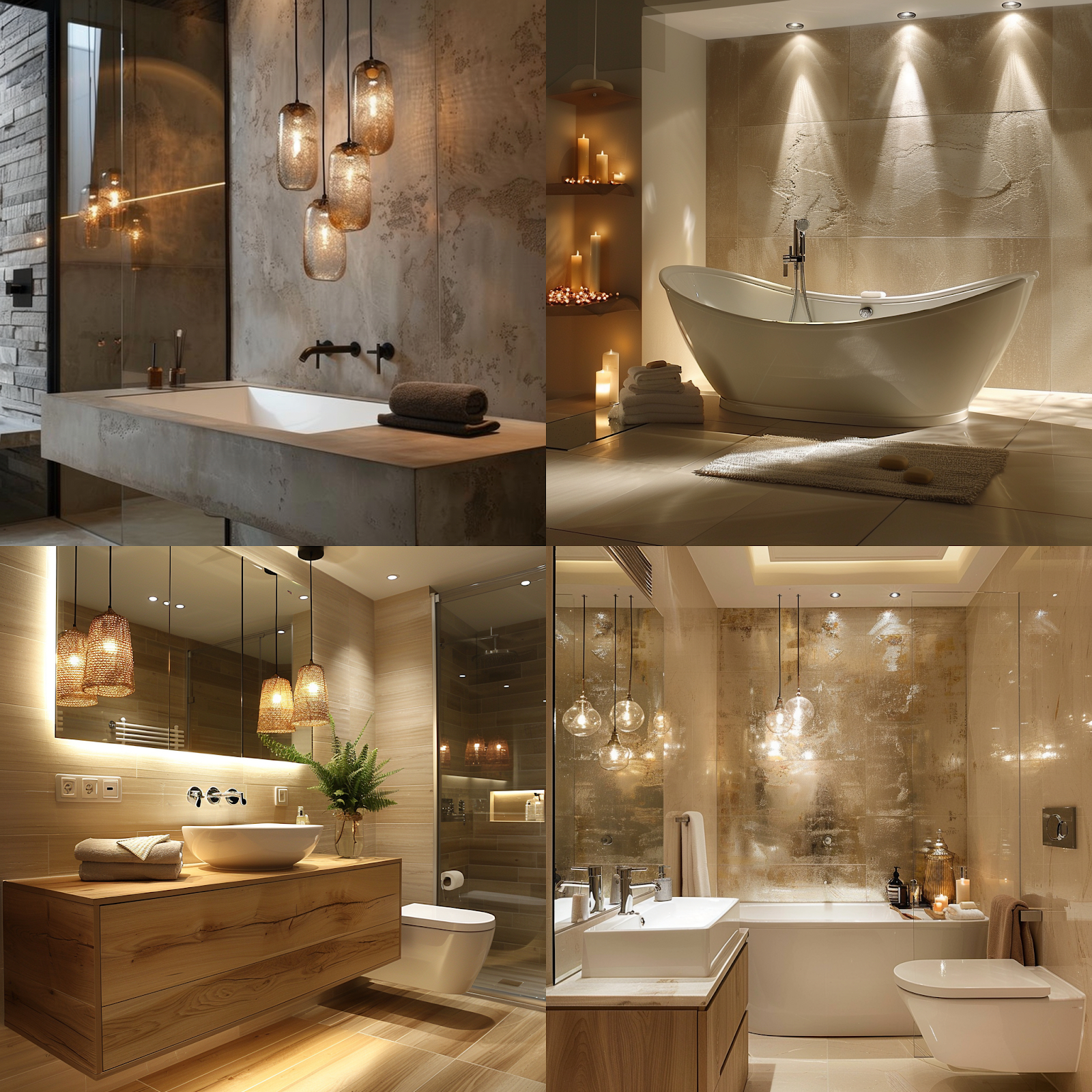
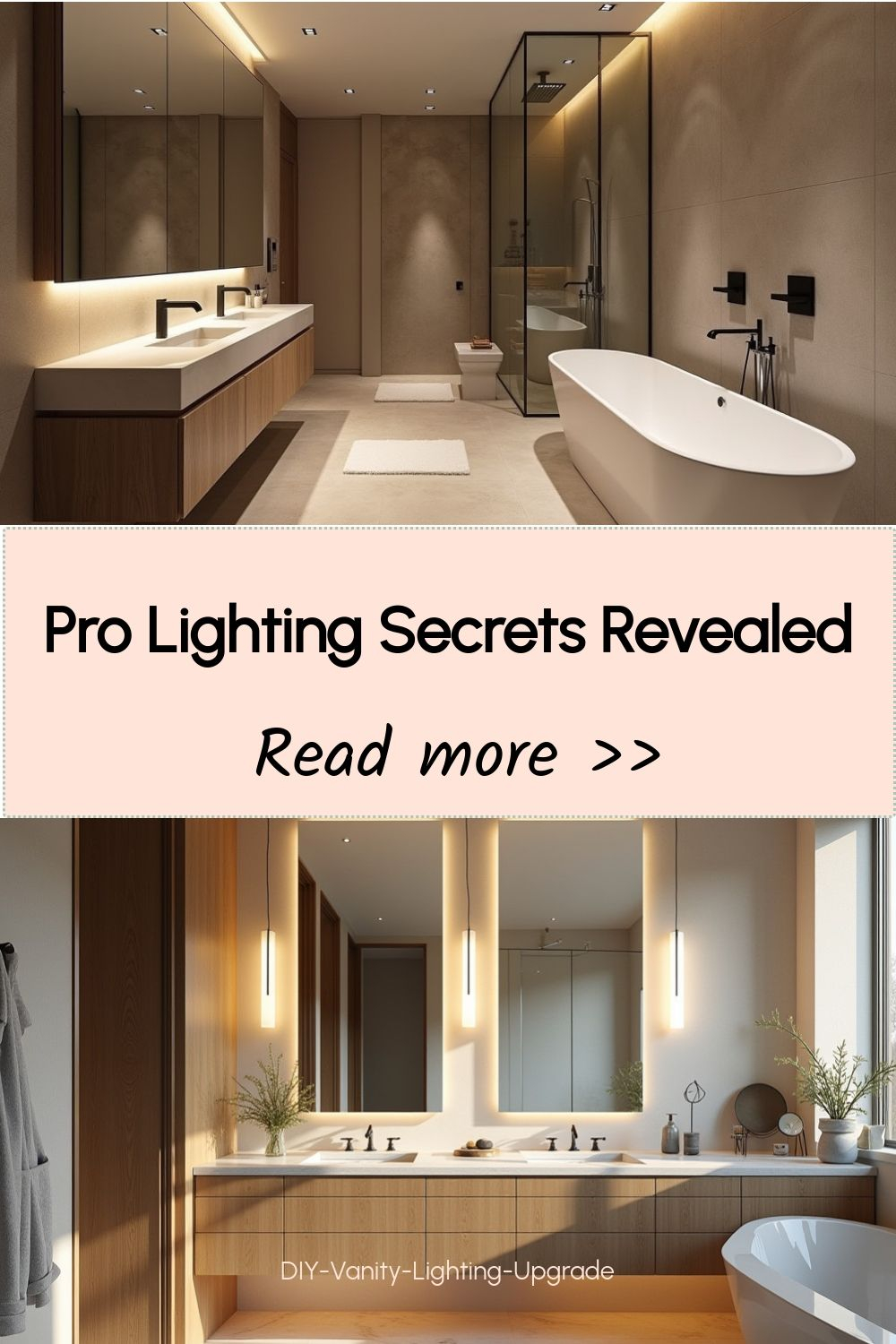
You know that feeling when you walk into a high-end spa? The air feels different. Heavier, maybe, but in a good way. Like it’s holding its breath just for you. The light is soft, golden, and forgiving. You don’t have to squint. You don’t have to think about your inbox. For a few hours, the world stops spinning so fast. It’s magic, right? But here is the secret most people miss: it isn’t really magic. It’s design. Specifically, it’s the careful manipulation of light and the strategic arrangement of space.
We often think we need a massive budget or a spare wing of the house to get that vibe. We scroll through Pinterest, seeing marble bathrooms the size of studio apartments, and we sigh. We give up before we even start. But that’s a myth. In 2026, the tools to create this serenity are more accessible than ever. You don’t need a mansion. You need intention. As Karine Valdenaire, a spa manager at Le Barthélemy Hotel & Spa, pointed out recently, small sensory choices transform familiar spaces into moments of calm. It’s not about the square footage. It’s about how you use it.
This guide isn’t about selling you expensive fixtures. It’s about understanding the psychology of your environment. Why does a certain corner feel stressful while another feels safe? Why does overhead lighting make you anxious after 8 PM? We’re going to dig into the nuts and bolts of creating a retreat that actually works for your brain and your body. Let’s turn your home into the getaway you’ve been craving, without buying a plane ticket.
The Psychology of Light: Why Overhead Lights Are the Enemy
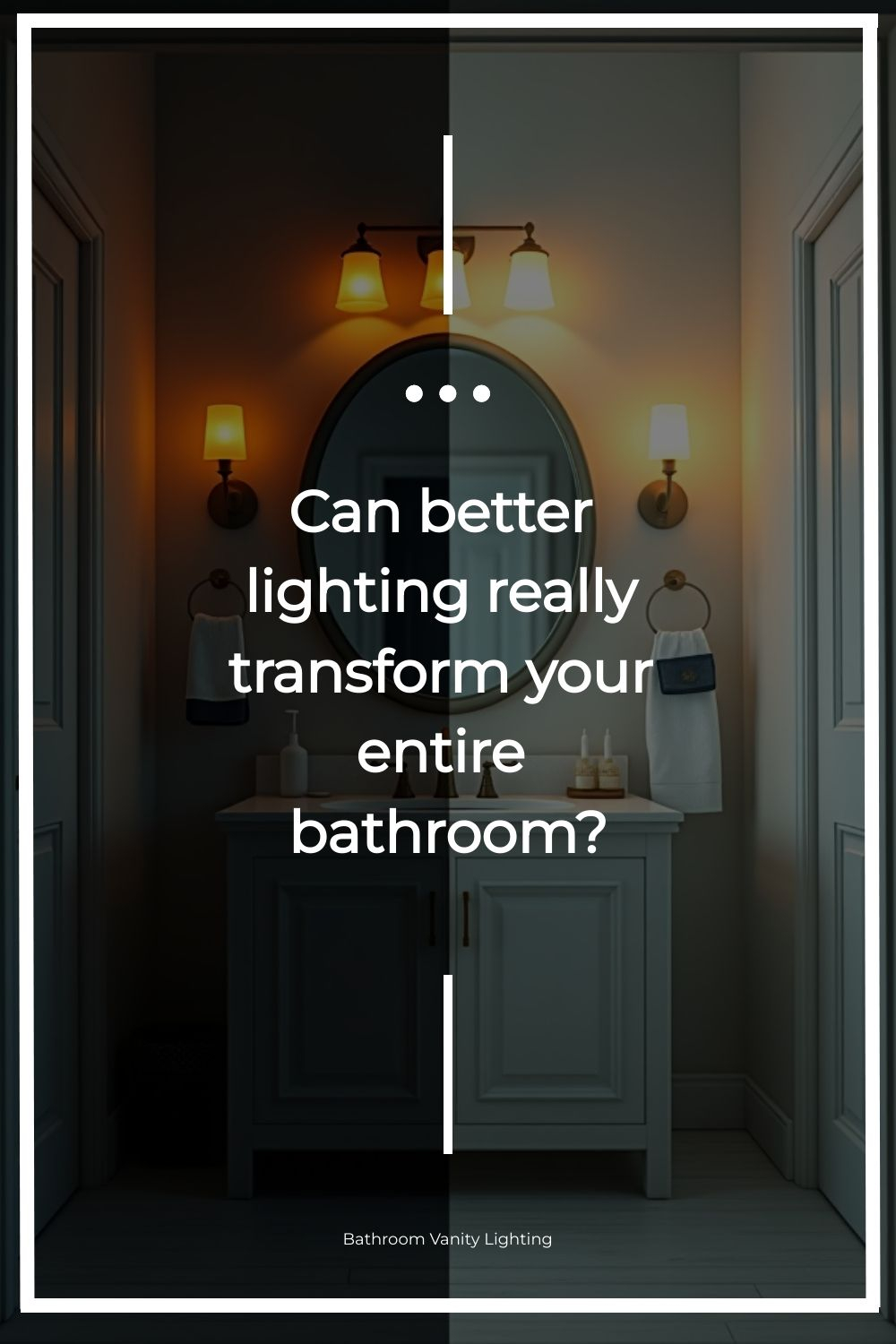
Let’s be honest for a second. Most of us live under the tyranny of the "big light." You know the one. It’s that single, bright fixture in the center of the ceiling that illuminates every flaw in the room and every tired line on your face. It’s functional, sure. But it’s terrible for relaxation. Our brains are wired to respond to light cues. Bright, cool-toned light from above signals "alertness" and "daytime." It triggers cortisol. If you’re trying to unwind in a bathroom or bedroom lit by a harsh ceiling dome, you’re fighting your own biology. And you will lose.
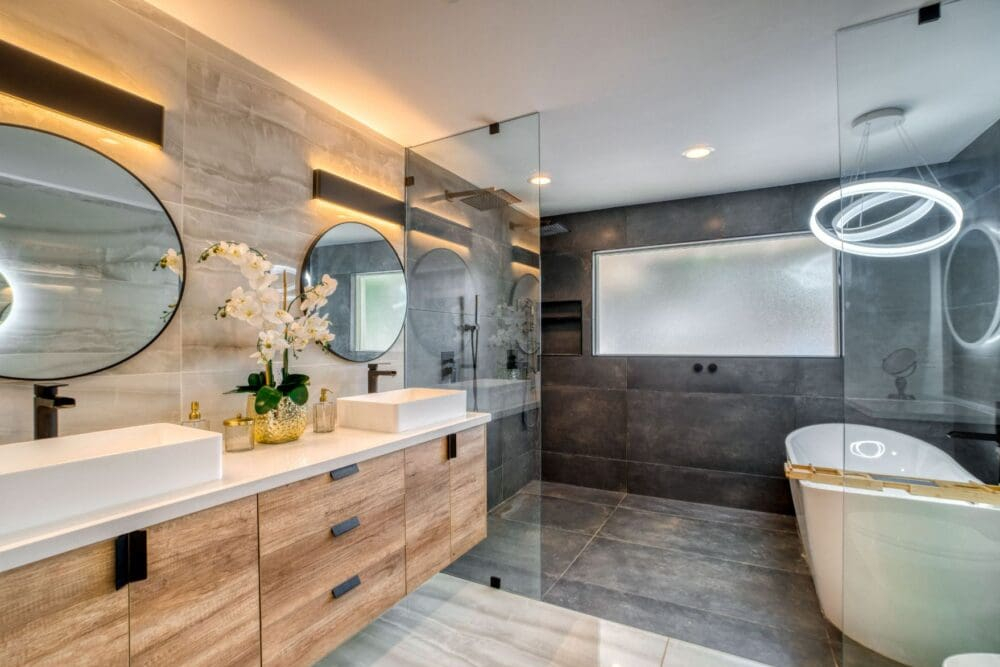
Spa lighting is never just one source. It’s layered. Think of it like music. You have the bass, the melody, and the harmony. In lighting terms, you have ambient light (the general glow), task light (for shaving or reading), and accent light (to highlight textures or plants). The goal is to eliminate shadows that feel harsh and replace them with a gentle, enveloping glow. In 2026, smart LED technology has made this incredibly easy. You can now buy bulbs that mimic the exact color temperature of sunset, shifting gradually from energizing white to soothing amber as the evening progresses. This isn’t just aesthetic fluff; it supports your circadian rhythm, helping you sleep better and stress less.
So, what’s the first step? Turn off the big light. Seriously. Try it tonight. Use only lamps, sconces, or even candles. Notice how your shoulders drop. That immediate physical response is proof that lighting dictates mood. By layering your light sources at different heights—floor lamps, table lamps, and strip lights under cabinets—you create depth. Depth makes a room feel larger and more inviting. It draws the eye around the space, rather than forcing it to stare at a blinding center point. This simple shift is the foundation of any spa-like atmosphere.
Mapping the Flow: Layout Secrets for Small and Large Spaces
Light is half the battle. The other half is how you move through the space. A cluttered layout creates a cluttered mind. When you walk into a room, your eyes should land on something calming, not a pile of laundry or a chaotic stack of magazines. This is where the concept of "flow" comes in. In interior design, flow refers to the path your body naturally takes through a room. In a spa, this path is slow and unobstructed. At home, we often block these paths with furniture that doesn’t quite fit or storage solutions that overflow.
If you’re working with a small space, say a 60-90 square foot bathroom or a tiny spare bedroom, the temptation is to cram in as much as possible. Don’t. Embrace negative space. Negative space is the empty area around objects. It lets the eye rest. In a small wellness corner, maybe you only have room for a chair and a plant. That’s enough. By keeping the floor visible and the surfaces clear, you create a sense of airiness. Recent design trends in 2026 emphasize "Japandi" aesthetics—a mix of Japanese minimalism and Scandinavian functionality. This style thrives on open layouts and natural materials, proving that less is genuinely more when it comes to mental clarity.
For larger rooms, the challenge is different. You need to create zones. A large bathroom shouldn’t just be a vast expanse of tile. Use rugs, screens, or even changes in flooring texture to define areas. Maybe there’s a "wet zone" for the shower and tub, and a "dry zone" for dressing and grooming. Separating these functions helps your brain switch modes. When you step onto the plush rug in the dry zone, your body knows it’s time to slow down. Layout isn’t just about where things go; it’s about choreographing your experience. Every step should feel intentional. Every turn should reveal something pleasant, not something stressful.
Smart Tech That Disappears: Automation for Effortless Calm
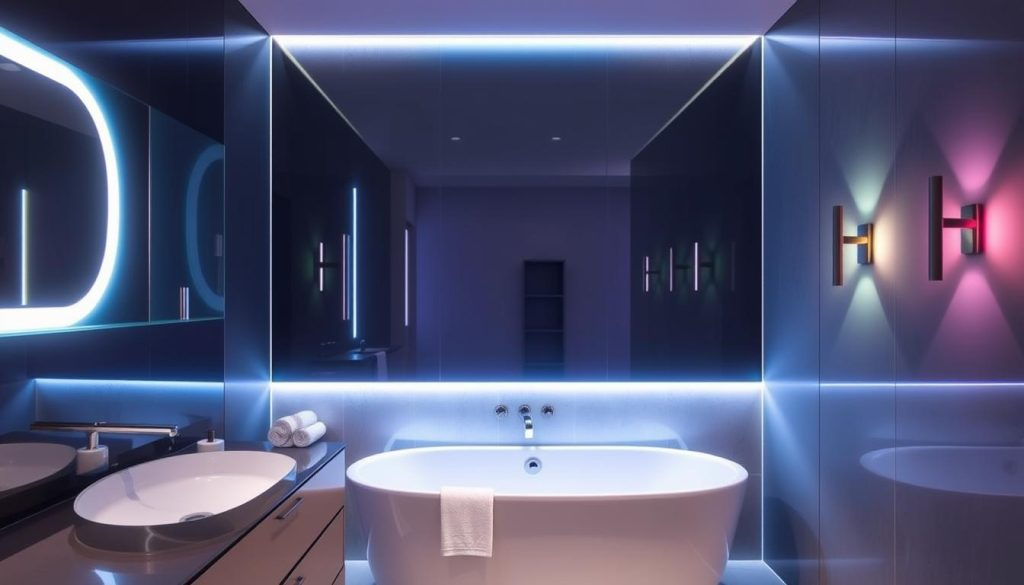
Here’s where it gets exciting. Technology often feels cold and intrusive, right? Beeping phones, flashing notifications. But smart home tech, when done correctly, becomes invisible. It serves you without demanding attention. In the context of a home spa, smart lighting systems are game-changers. Imagine walking into your bathroom after a long day. You don’t fumble for switches. You don’t adjust dimmers. The lights simply fade on to a warm, low intensity because your phone’s geofencing told the house you were five minutes away. Or, you say a simple voice command, "Relax mode," and the lights shift to a deep amber, the blinds close, and soft instrumental music begins to play.
This level of automation removes friction. Stress often comes from tiny, accumulated frustrations. Having to get up to turn off a light when you’re already cozy in the tub is a tiny frustration. Eliminating it matters. In 2026, smart bulbs and switches are affordable and easy to install. You don’t need an electrician for most of these upgrades. Brands have focused heavily on interoperability, meaning your lights, speakers, and shades can all talk to each other seamlessly. You can set "scenes" tailored to specific activities. A "Morning Energize" scene might bring up bright, cool light to help you wake up. An "Evening Wind-Down" scene dims everything to 20% brightness and warms the color temperature.
The key is to set it and forget it. Program these scenes once, and then let the house do the work. This consistency builds a ritual. Your brain starts to associate that specific lighting change with relaxation. It’s classical conditioning, but for your living room. Over time, just seeing the lights dim triggers a physiological relaxation response. You’re training your body to let go of the day. That’s the power of smart tech used wisely. It’s not about having the newest gadget; it’s about using technology to protect your peace.
Texture and Tone: Choosing Materials That Soothe the Senses
Light and layout set the stage, but textures provide the comfort. You can have perfect lighting and a great layout, but if you’re sitting on a hard, plastic chair, it’s not going to feel like a spa. Spas engage all five senses. Touch is crucial. Think about the materials that naturally calm us. Wood, stone, linen, cotton, wool. These are organic. They have irregularities. They feel real. In contrast, glossy plastics and cold metals can feel sterile and institutional. We want warmth. We want softness.
Start with the basics. Swap out synthetic bath mats for thick, absorbent cotton or bamboo. Add a wooden stool next to the tub to hold your book or tea. If you have hard tile floors, introduce a woven rug. These elements absorb sound, too. A quiet room is a peaceful room. Hard surfaces bounce sound around, creating echoes that can feel unsettling. Soft textiles dampen noise, creating a hushed, library-like quietude. This acoustic comfort is often overlooked but is vital for that true retreat feel.
Color plays a huge role here as well. While we talked about light color earlier, surface color matters too. Stick to a neutral, earthy palette. Think sage greens, warm beiges, soft grays, and creamy whites. These colors recede visually, making spaces feel larger and calmer. Avoid bright, saturated colors in your primary relaxation zones. They stimulate the brain. Save the bold accents for small accessories if you must, but keep the bulk of the room subdued. The goal is to create a backdrop that doesn’t compete for your attention. You want the space to hold you, not shout at you.
The Art of Subtraction: Decluttering for Mental Clarity
This might be the hardest part. We love our stuff. We collect things. But clutter is visual noise. Every object in your line of sight requires a tiny bit of cognitive processing. Your brain registers it, identifies it, and files it away. Multiply that by fifty items on a counter, and you’ve got a lot of mental static. A spa retreat is defined by what isn’t there as much as what is. To create that feeling at home, you have to edit ruthlessly.
Look at your bathroom counters. Do you need twenty different bottles of lotion? Probably not. Decant your essentials into uniform, simple containers. Glass or matte ceramic jars look infinitely more calming than brightly labeled plastic bottles. Hide the rest. Closed storage is your friend. Baskets, cabinets, drawers. If you can’t see it, it can’t stress you out. This isn’t about being obsessive-compulsive. It’s about curating your environment to support your mental state. When you clear the physical space, you often find that your mental space clears up too.
In 2026, there’s a growing movement towards "mindful consumption" in home decor. People are buying fewer, higher-quality items that bring joy, rather than filling spaces with cheap filler. Apply this to your spa zone. Keep only what serves your relaxation. A single candle. One beautiful plant. A stack of two good books. That’s it. The emptiness around these objects gives them weight and importance. It invites you to pause and appreciate them. Decluttering isn’t just cleaning; it’s an act of self-care. It says, "I deserve space. I deserve peace."
Humans are not meant to live in boxes. We evolved in nature. Yet, we spend 90% of our time indoors. This disconnect causes stress. Biophilic design is the practice of reconnecting indoor spaces with the natural world. It’s not just about putting a potted plant in the corner (though that helps). It’s about integrating natural patterns, materials, and views into your daily environment. Studies consistently show that exposure to nature, even simulated, lowers blood pressure and reduces anxiety.
Start with plants. They are living, breathing elements that improve air quality and add softness. Choose varieties that thrive in low light if your spa room is dark, like snake plants or pothos. But don’t stop there. Incorporate natural materials. A stone tray for your jewelry. A wooden bowl for towels. A rattan basket for storage. These textures remind your subconscious of the outdoors. If you have a window, maximize the view. Keep the glass clean. Frame the sky or the trees outside. If you don’t have a view, consider a high-quality digital art frame that displays slow-moving nature scenes—forests, oceans, rain.
Water is another powerful element. The sound of flowing water is universally calming. If you can’t install a fountain, a small tabletop feature works wonders. Or, simply play high-quality recordings of rain or streams through your smart speakers. Combine this with the scent of essential oils—eucalyptus, lavender, cedar. Now you have sight, sound, smell, and touch all working together to mimic a forest or a beach. This multi-sensory approach tricks your brain into believing you’ve escaped the city, even if you’re just in your basement. It’s a powerful illusion, and it’s entirely within your reach.
Creating a spa-like retreat at home isn’t about perfection. It’s about presence. It’s about carving out a corner of your life where the demands of the world can’t reach you. By mastering the interplay of light and layout, you build the skeleton of this sanctuary. By adding texture, smart tech, and nature, you give it soul. You don’t need to wait for a vacation to feel restored. You can build the vacation into your everyday life. Start small. Turn off the big light. Clear one shelf. Breathe. The retreat is already there; you just have to uncover it.