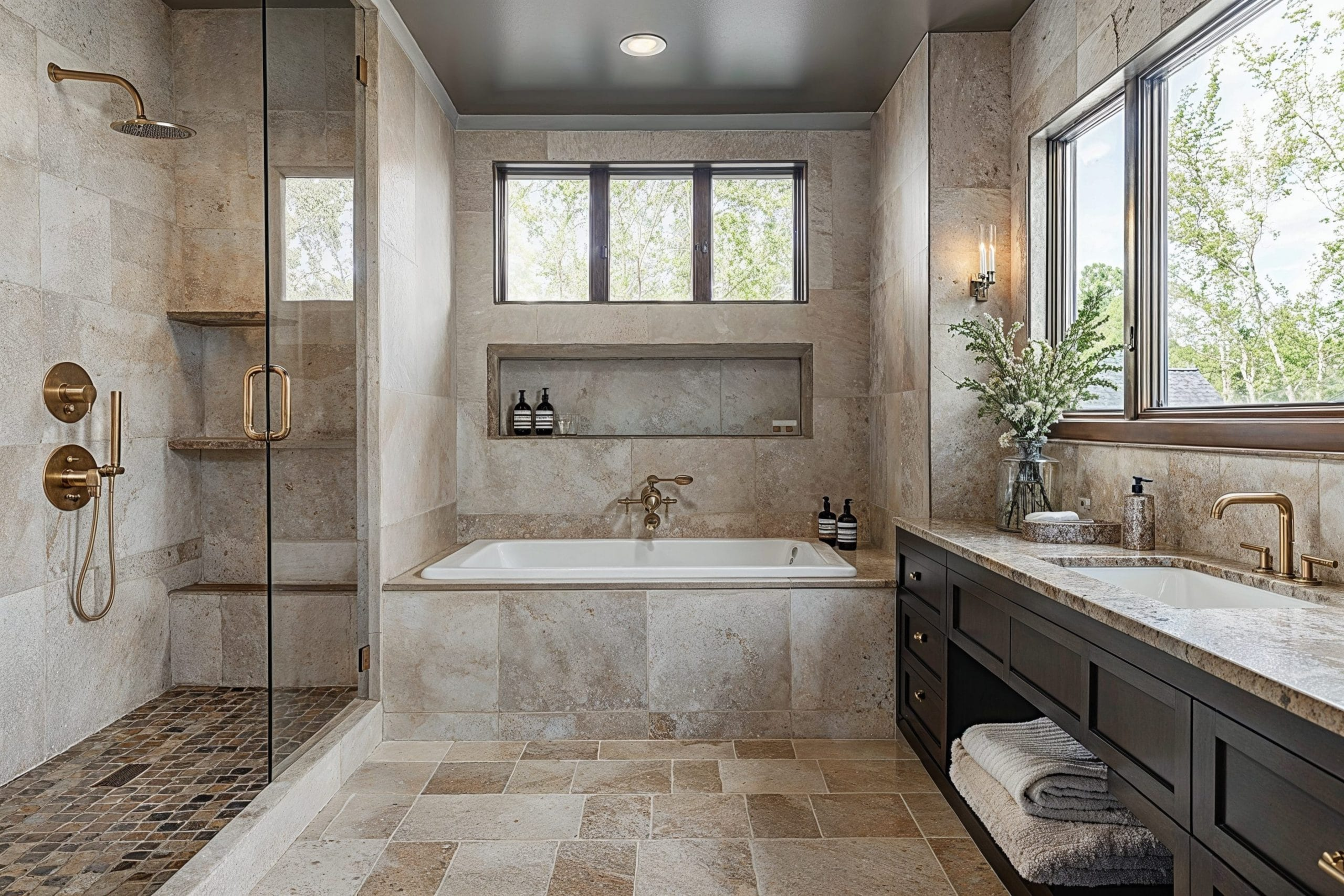
Ever walk into a bathroom and just… exhale? That’s the feeling everyone is chasing right now. It isn’t about marble countertops that cost more than a car or gold fixtures that scream for attention. It’s quieter than that. In 2026, the design world has collectively decided that enough is enough with the noise. We are tired of algorithms, tired of fast-paced notifications, and tired of spaces that feel like showrooms instead of sanctuaries. Enter Japandi. It’s not new, exactly. But the way we are using it this year? That’s different. It’s deeper. It’s less about looking good for Instagram and more about feeling good for yourself.
You might have heard the term tossed around since 2018, when it first started popping up on Pinterest boards next to mid-century modern chairs. By 2022, it was everywhere. But now, in 2026, Japandi has matured. It’s no longer just a trendy hashtag. It’s a lifestyle choice. People are realizing that the bathroom is perhaps the most important room in the house for mental health. It’s where you start your day and where you end it. If that space is chaotic, your mind stays chaotic. If it’s calm, you stand a chance. This style blends the rustic warmth of Scandinavian hygge with the sleek, functional minimalism of Japanese wabi-sabi. It’s the perfect marriage of cozy and clean. And honestly? It’s taking over for a reason.
The Psychology Behind the Trend
Why are we so obsessed with this specific look right now? Well, look at the world outside. It’s loud. It’s fast. It’s unpredictable. When everything feels out of control, we try to control our immediate environment. Japandi offers a sense of order without feeling sterile. Think about it. Scandinavian design brings the warmth—the wool blankets, the light woods, the sense of comfort. Japanese design brings the restraint—the empty space, the focus on nature, the appreciation of imperfection. Together, they create a buffer against the stress of modern life.
In 2026, designers are calling this "Japandi 2.0." It’s not just about aesthetics anymore; it’s about intentional living. Research shows that cluttered spaces increase cortisol levels. A Japandi bathroom strips away the non-essentials. You don’t have ten different bottles of shampoo visible. You have one beautiful ceramic dispenser. You don’t have harsh fluorescent lights. You have soft, diffused glow. It anchors us back to human essentials. The grain of untreated oak under your fingers. The weight of a stone soap dish. These small tactile experiences ground us. They remind us to slow down. That’s why this trend isn’t fading. It’s solving a real problem.
Mastering the Neutral Palette
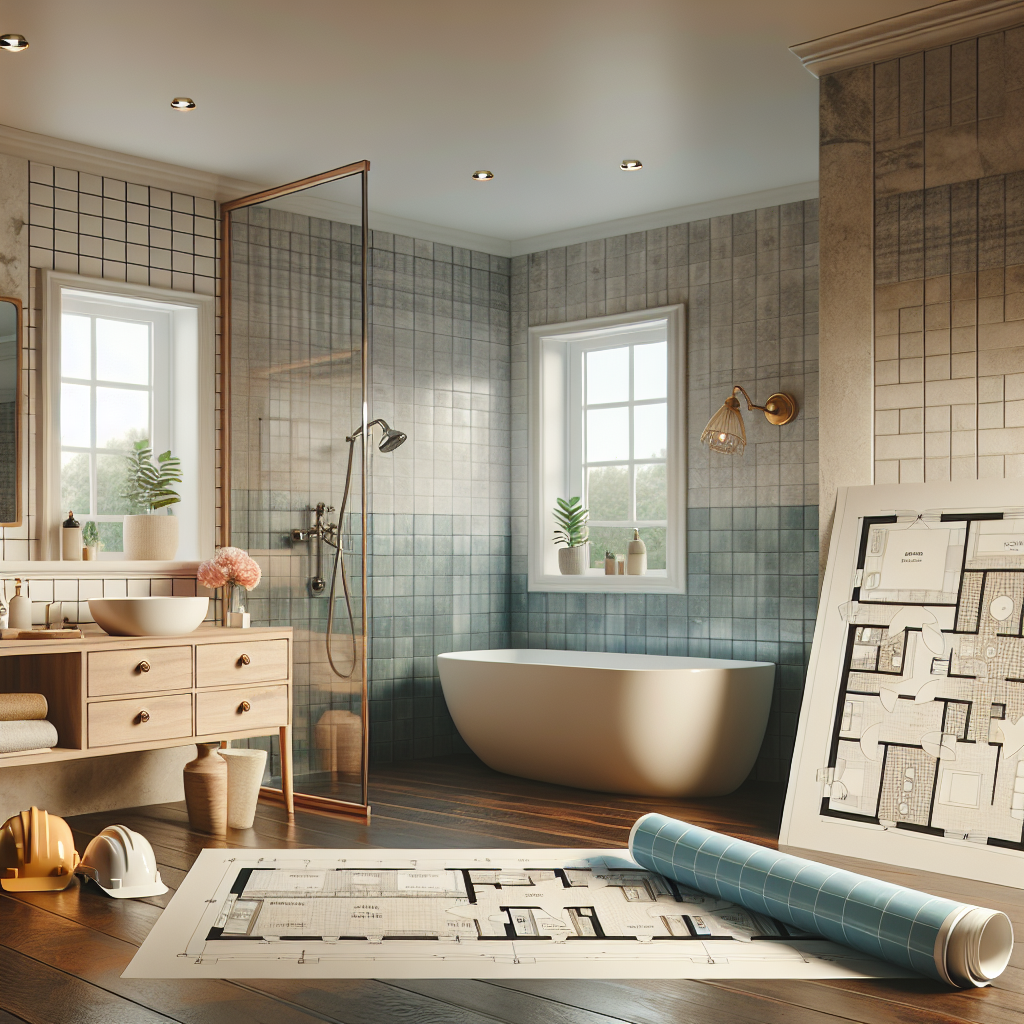
Getting the colors right is half the battle. If you get this wrong, the room feels cold or muddy. The goal is a palette that feels airy but grounded. Start with a base of whites, soft grays, and warm beiges. But here’s the trick: avoid pure, stark white. It’s too clinical. Go for off-whites, like rice paper or cream. These tones reflect light softly, making the space feel larger and more inviting. Then, layer in earth-tone accents. Think warm taupes, muted greens, or soft clay colors.
The key is contrast, but subtle contrast. You want the walls to recede so the natural materials can shine. For example, pair a pale beige wall with a vanity made of light oak. The wood tone should be visible but not overpowering. If you’re feeling brave, add a touch of charcoal or deep slate in your grout lines or hardware. This adds depth without breaking the serene vibe. Remember, the color scheme should feel like a breath of fresh air. If it feels heavy, you’ve gone too dark. If it feels like a hospital, you’ve gone too bright. Find that sweet spot in the middle. It’s tricky, but worth it.
Choosing Natural Materials That Last
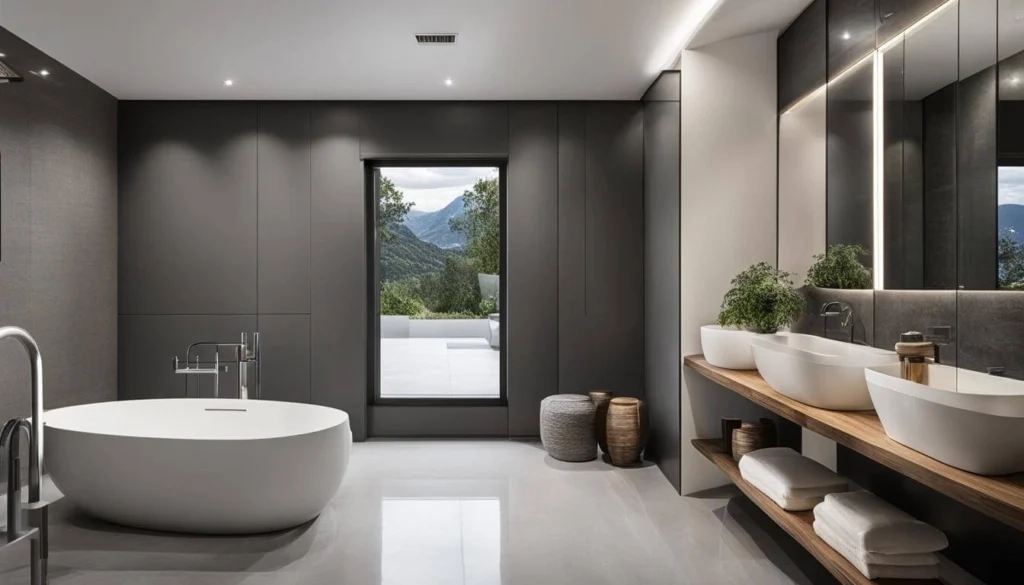
Japandi is nothing without texture. Since the color palette is restrained, the materials do the heavy lifting. You need elements that age well. Plastic is out. Vinyl is definitely out. We are talking about stone, wood, ceramic, and linen. But there’s a catch: bathrooms are wet. So how do you use wood without it rotting? You choose the right kind. Teak is a classic choice because it’s naturally water-resistant. Cedar is another good option. Or, use engineered wood products that are specifically designed for high-moisture environments but still have that authentic grain look.
Stone is also huge in 2026. But not polished, shiny granite. We’re seeing a shift toward matte finishes. Honed limestone, travertine, or even concrete-look tiles. These surfaces feel organic underfoot. They don’t slip as easily as glossy tiles, which is a practical bonus. For accessories, think hand-thrown ceramics. A imperfect bowl for your jewelry or a rough-hewn wooden stool for towels. These items bring soul to the room. They tell a story. Mass-produced items feel dead in a Japandi space. Look for things that have slight variations. That’s the wabi-sabi part—finding beauty in the imperfect. It makes the space feel lived-in and loved, not just staged.
Lighting and the Art of Shadow
Lighting can make or break a Japandi bathroom. Harsh overhead lights are the enemy. They create sharp shadows and highlight every flaw. Instead, aim for layered lighting. Start with ambient light that is soft and diffused. Recessed lighting with dimmers is a great start. But don’t stop there. Add task lighting near the mirror, but keep it warm. 2700K to 3000K color temperature is ideal. It mimics the glow of candlelight or sunset.
Then, consider accent lighting. Maybe a small LED strip under the vanity toe-kick. It creates a floating effect and provides a gentle nightlight. Or, use paper lantern-style sconces. They soften the light beautifully and add a distinct Japanese flair. The goal is to eliminate glare. You want the light to wrap around the room, not punch you in the face. Also, don’t forget natural light. If you have a window, keep it unobstructed. Use sheer linen curtains if you need privacy. They filter the sunlight, creating those beautiful, shifting patterns on the floor throughout the day. It’s free art. And it changes with the seasons, keeping the room feeling alive.
Functional Minimalism in Small Spaces
One of the biggest misconceptions is that you need a huge spa-like bathroom to pull this off. Not true. In fact, Japandi works incredibly well in small powder rooms. The principle of "less is more" is your best friend here. In a small space, every item needs a purpose. If it doesn’t serve a function or bring you joy, get rid of it. This means hidden storage is crucial. Handle-free vanities are a staple of 2026 Japandi design. They create clean lines and prevent visual clutter. The doors push to open, keeping the facade smooth and uninterrupted.
Think vertically. Use tall, narrow shelving units made of light wood to store towels and toiletries. Keep the shelves mostly empty. Display one or two beautiful items, like a folded stack of linen towels or a single vase with a branch. The rest should be hidden in baskets or behind closed cabinets. This keeps the eye moving upward, making the ceiling feel higher. Mirrors are also essential. A large, frameless mirror or one with a thin wooden frame can double the perceived size of the room. Just make sure it reflects something nice, like a plant or a window, not a toilet. It’s about curating the view, even in a tiny space.
No Japandi bathroom is complete without a touch of greenery. Plants breathe life into the sterile environment of a bathroom. But you can’t just throw any plant in there. It needs to thrive in humidity and low light. Snake plants are nearly indestructible and look architectural. Pothos vines trail beautifully from a high shelf, adding softness to hard lines. Bamboo is another obvious choice, linking directly to the Japanese aesthetic. It grows fast and adds height.
If you don’t have a green thumb, that’s okay. Dried branches work too. A single eucalyptus branch in a simple vase adds scent and texture without the maintenance. Or, use stones. A tray of smooth river rocks on the counter can hold your soap and add an earthy element. The connection to nature is vital. It reminds us that we are part of the natural world, not separate from it. In 2026, we are seeing more indoor-outdoor flow too. If you have the ability, consider a small window that opens to a private garden or courtyard. Even a skylight can bring in the sky and rain sounds, enhancing the sensory experience. It’s about blurring the lines between inside and out.
So, where does this leave us? Japandi isn’t just a flash in the pan. It’s a response to our times. It’s a way to reclaim peace in a chaotic world. By blending the warmth of Scandinavia with the discipline of Japan, we create spaces that nurture us. You don’t need to renovate your entire house to get the benefit. Start small. Clear off your counters. Swap out a harsh lightbulb. Add a wooden stool. See how it feels. Notice if your shoulders drop an inch when you walk in. That’s the power of good design. It’s not about spending money. It’s about spending attention.
As we move further into 2026, expect to see this trend evolve even more. Sustainability will play a bigger role. Reclaimed materials, water-saving fixtures, and non-toxic paints will become standard. But the core philosophy will remain the same: simplicity, warmth, and intention. Your bathroom should be a retreat. A place to wash away not just dirt, but stress. So take a breath. Look at your space. What can you remove? What can you add that brings joy? The answer is probably simpler than you think. And that’s the beauty of Japandi. It invites you to stop, look, and just be.