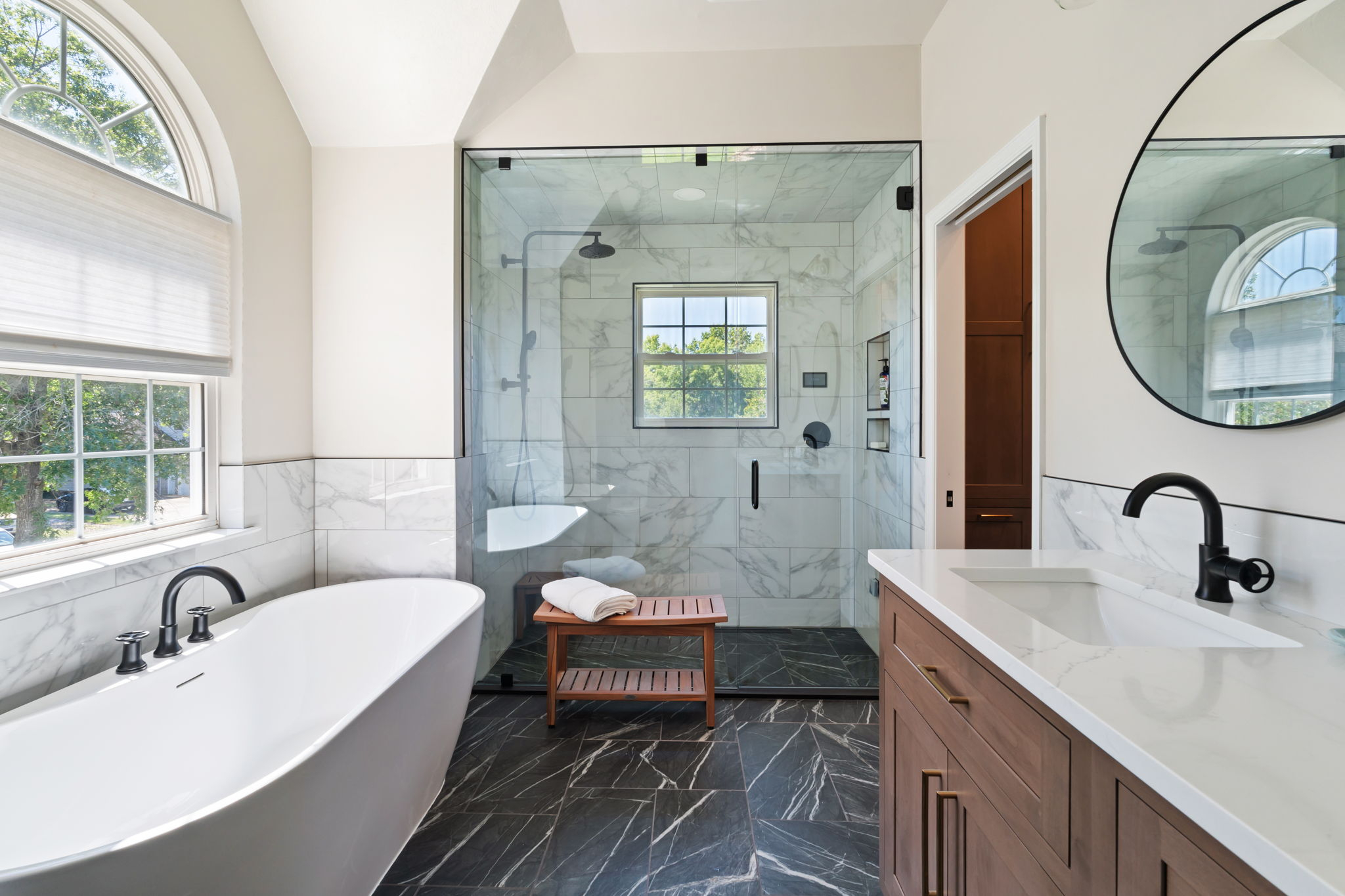
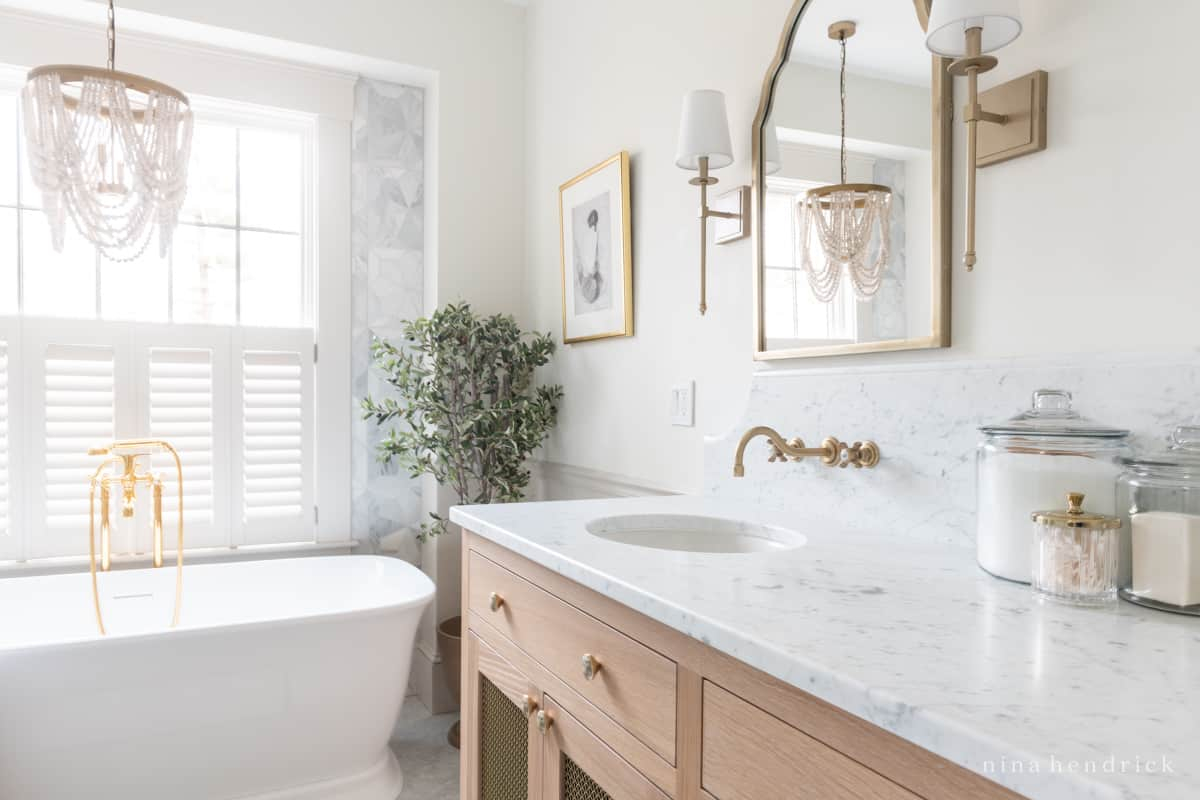
You’ve spent a fortune. Maybe even a small fortune. The marble is imported from Italy. The faucet costs more than your first car. The heated floors hum with gentle warmth. Yet, when you walk in, something feels… off. It’s not cozy. It’s not inviting. It feels like a museum exhibit you’re afraid to touch. Why does that happen?
It’s a common complaint among homeowners who have invested heavily in their primary suites. The bathroom looks amazing in photos, but it lacks soul. It lacks function. It feels wrong. You aren’t alone in this feeling. In 2026, design trends are shifting away from sterile perfection toward spaces that actually serve the people living in them. Let’s dig into why your sanctuary might feel like a showroom, and how to tweak it so it finally feels like home.
The Trap of "Showroom" Lighting
Lighting is the single biggest culprit. Most luxury bathrooms are lit like surgical suites or jewelry stores. Bright, shadowless, and utterly unforgiving. Architects often specify recessed downlights spaced evenly across the ceiling. This creates a flat, clinical glow that highlights every pore and imperfection. It’s terrible for getting ready in the morning, and it’s awful for relaxing at night.
The fix isn’t complicated, but it requires layering. You need ambient light, task light, and accent light. Swap out those harsh overheads for dimmable fixtures with a warm color temperature (around 2700K to 3000K). Add sconces on either side of the mirror instead of above it. This lights your face evenly, which is much flatterring. And don’t forget the shower. A small, waterproof niche light can turn a daily rinse into a spa-like moment. If you can’t rewire, use plug-in wall lamps or battery-operated puck lights in glass-front cabinets. Softness is key.
Another mistake is ignoring natural light control. Huge windows look great, but if you can’t see yourself in the mirror because of the glare, or if you feel exposed, the room fails. Install sheer curtains or smart glass that tints on demand. This gives you privacy without blocking the sun. The goal is to mimic the soft, diffused light of a cloudy day, not the harsh beam of an interrogation lamp.
Cold Surfaces and the Missing Texture
Luxury often gets confused with hardness. Stone floors. Stone walls. Glass showers. Chrome fixtures. While these materials are durable and beautiful, they are also cold and echoey. When every surface is hard, sound bounces around, creating a cavernous, empty feel. It’s visually stunning but emotionally chilly. You enter the room and instinctively want to wrap your arms around yourself.
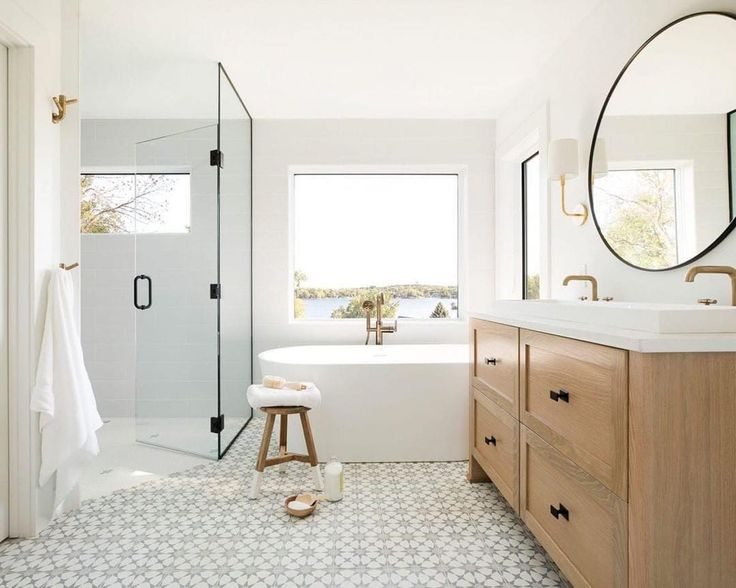
The solution is texture. You need to break up the hard lines with softness. Think about a plush, high-pile rug next to the tub. Use wood vanities instead of stone slabs. Wood adds warmth and visual interest. Even a simple wooden stool or a teak bath mat can change the acoustic and visual temperature of the room. In 2026, we’re seeing a huge rise in the use of limewash paint or plaster on walls. These materials have depth and variation. They absorb light rather than reflecting it harshly.
Don’t overlook textiles. Thick, absorbent towels matter. A woven basket for laundry adds organic shape. Plants bring life. Yes, real plants. Ferns and pothos thrive in humid bathrooms. They add a splash of green that contrasts beautifully with neutral stone. The eye needs somewhere to rest. If everything is sleek and shiny, the brain gets overstimulated. Introduce matte finishes. Matte black or brushed brass fixtures feel softer to the touch and look less industrial. Mix materials. Pair rough stone with smooth wood. The contrast creates tension and interest.
The Ergonomics of Everyday Use
Here’s a hard truth: many luxury bathrooms are designed for photos, not people. The vanity is too deep, so you have to lean over awkwardly to wash your face. The shower controls are on the opposite wall from the showerhead, meaning you get soaked before the water warms up. The toilet is tucked in a tiny closet with no room for your elbows. These are ergonomic failures.
Start with the vanity height. Standard height used to be 30 or 32 inches. Today, comfort height is 34 to 36 inches. This saves your back. If you’re retrofitting, consider raising the countertop or using a vessel sink to gain height. Ensure there’s knee clearance if you sit to apply makeup or shave. Drawer organizers are essential. Clutter kills the vibe. If your drawers are a mess, the room feels chaotic, no matter how expensive the marble is.
Look at the shower layout. Is the bench big enough to actually sit on? Is the niche placed where you can reach it without stepping out? These details matter. In recent years, barrier-free showers have become standard in high-end homes. They look sleek, but ensure the floor slope is adequate so water doesn’t pool. Also, consider the door swing. Does the shower door hit the toilet? Does the vanity door block the path? Walk through the space mentally. Or better yet, tape out the footprint on the floor if you’re renovating. Test the flow. Functionality is the ultimate luxury.
Poor Ventilation and Lingering Humidity
A stuffy bathroom is a gross bathroom. No amount of gold leaf can fix the smell of mildew or the foggy mirror that never clears. Many older luxury homes, and even some new builds, skimp on ventilation. They install a basic fan that barely moves air, or worse, they vent it into the attic, which causes mold issues elsewhere.
You need a powerful, quiet exhaust fan. Look for units with a high CFM (cubic feet per minute) rating relative to your room size. But power isn’t enough. It needs to be quiet. If it sounds like a jet engine, you won’t use it. Modern fans are whisper-quiet. Install a humidity sensor so it turns on automatically when steam builds up. This prevents mold growth behind your expensive tiles.
Consider a heated towel rack. It’s not just a luxury item; it helps dry out towels quickly, reducing bacteria and odors. If you have a window, open it. Cross-ventilation is free and effective. In 2026, smart home systems can link your fan to your shower usage. Turn on the water, and the fan kicks in. It’s seamless. Also, check your grout. Is it discolored? Clean it or reseal it. Dirty grout makes the whole room feel neglected. A fresh coat of sealant can make old tile look new again.
The Layout Lacks Flow and Purpose
Sometimes the problem isn’t the materials, but the arrangement. The toilet faces the door. The tub is crammed into a corner where no one can enjoy it. The double sinks are so close together that you bump elbows. A bad layout creates friction. It makes daily routines feel like obstacle courses.
If you’re stuck with the existing plumbing, work with zones. Create a "wet zone" and a "dry zone." Keep the shower and tub area distinct from the vanity and dressing area. Use half-walls or glass partitions to define spaces without closing them off. If the toilet is visible from the entrance, build a small pocket door or a curved wall to screen it. Privacy is crucial for relaxation.
Think about how you use the room. Do you spend time grooming? Add a dedicated makeup station with good lighting. Do you love long baths? Make sure the tub is the focal point, not hidden away. In smaller master baths, consider removing the tub if you never use it. Replace it with a larger, more luxurious shower. This frees up space for better storage or a more spacious vanity. Don’t cling to features you don’t use just because they’re "standard." Customize the layout to your life.
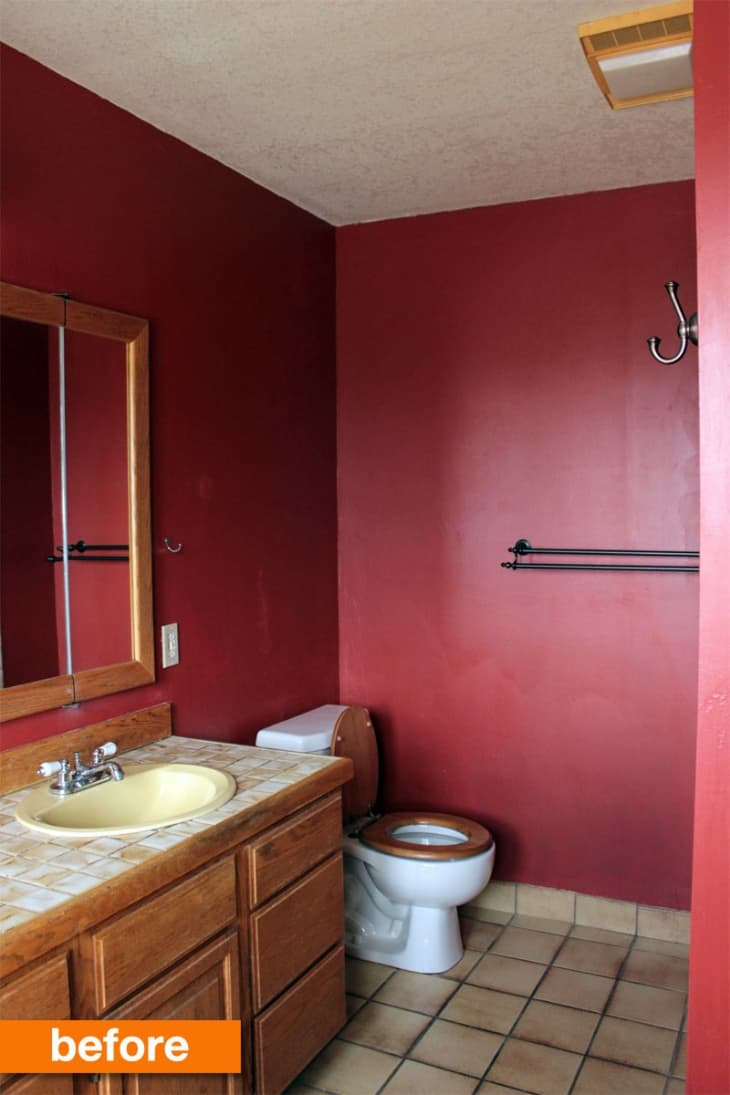
Finally, many luxury bathrooms feel wrong because they lack personality. They follow trends blindly. Gray everything. Subway tiles. Farmhouse sinks. These items were popular five or ten years ago, but they don’t reflect you. A space without personal touches feels generic. It feels like a hotel room, and not the good kind.
Inject your style. Love color? Paint the ceiling a soft blue. Love art? Hang a waterproof print. Display a collection of vintage bottles on a shelf. Use hardware that speaks to you, not just what’s in the catalog. Brass, bronze, nickel—choose what makes you happy. In 2026, maximalism is making a comeback in small doses. Wallpaper on the ceiling. Bold patterned floor tiles in the powder area.
Don’t be afraid to mix eras. A modern freestanding tub paired with an antique wooden cabinet creates a unique narrative. It tells a story. Your bathroom should feel like a reflection of your tastes. If you love nature, bring in stone and wood elements. If you love modernism, keep lines clean but add a sculptural light fixture. The goal is to feel connected to the space. When you walk in, it should feel like your room, not a page from a magazine.
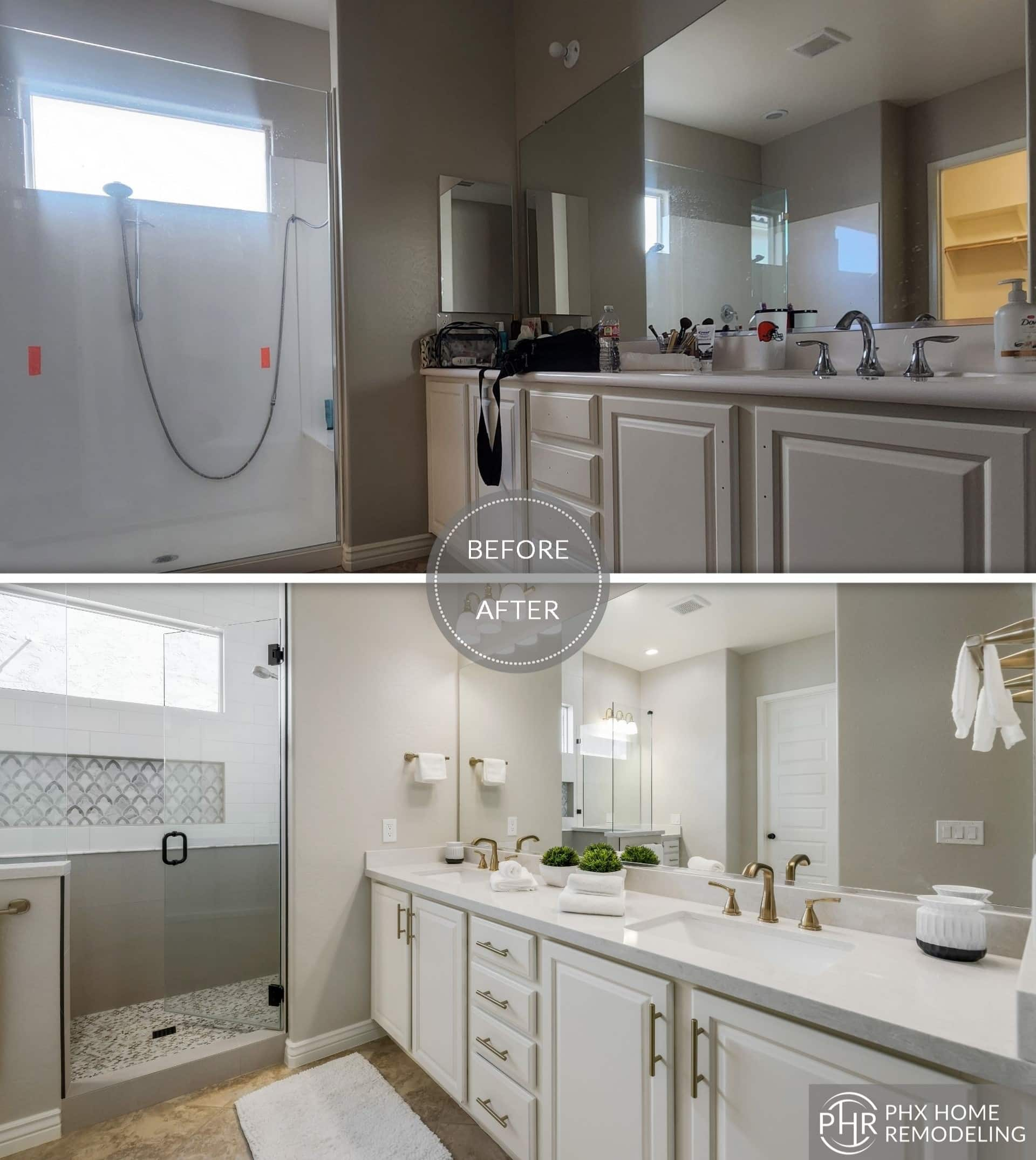
Fixing a luxury bathroom doesn’t always mean a full remodel. Often, it’s about tweaking the details. Change the lightbulbs. Add a rug. Declutter the counters. Seal the grout. Hang a piece of art. These small changes add up. They soften the edges. They bring warmth. They make the space functional and personal.
Remember, luxury isn’t about price tags. It’s about comfort. It’s about ease. It’s about feeling good in your own skin. If your bathroom feels cold or awkward, identify the specific pain point. Is it the light? The noise? The layout? Address that one thing. Then move to the next. Step by step, you can transform a sterile showroom into a true sanctuary. A place where you can breathe. A place that feels right.