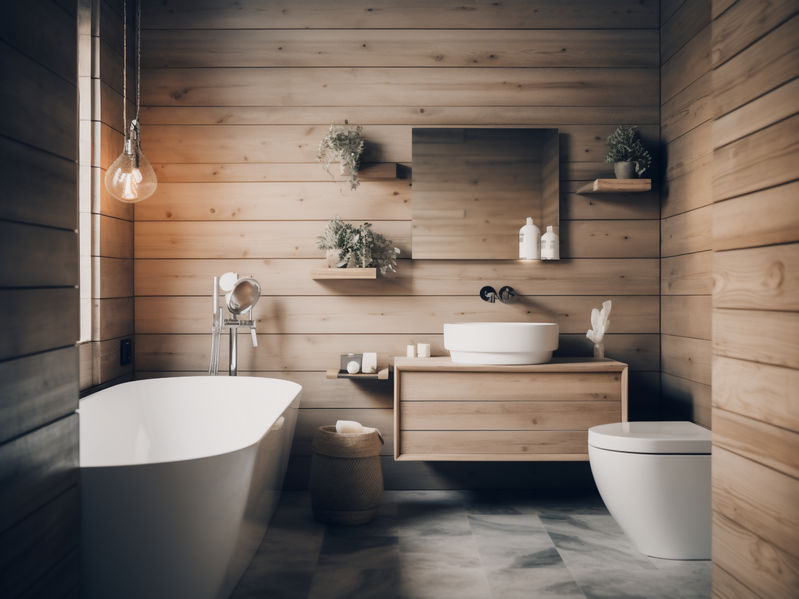
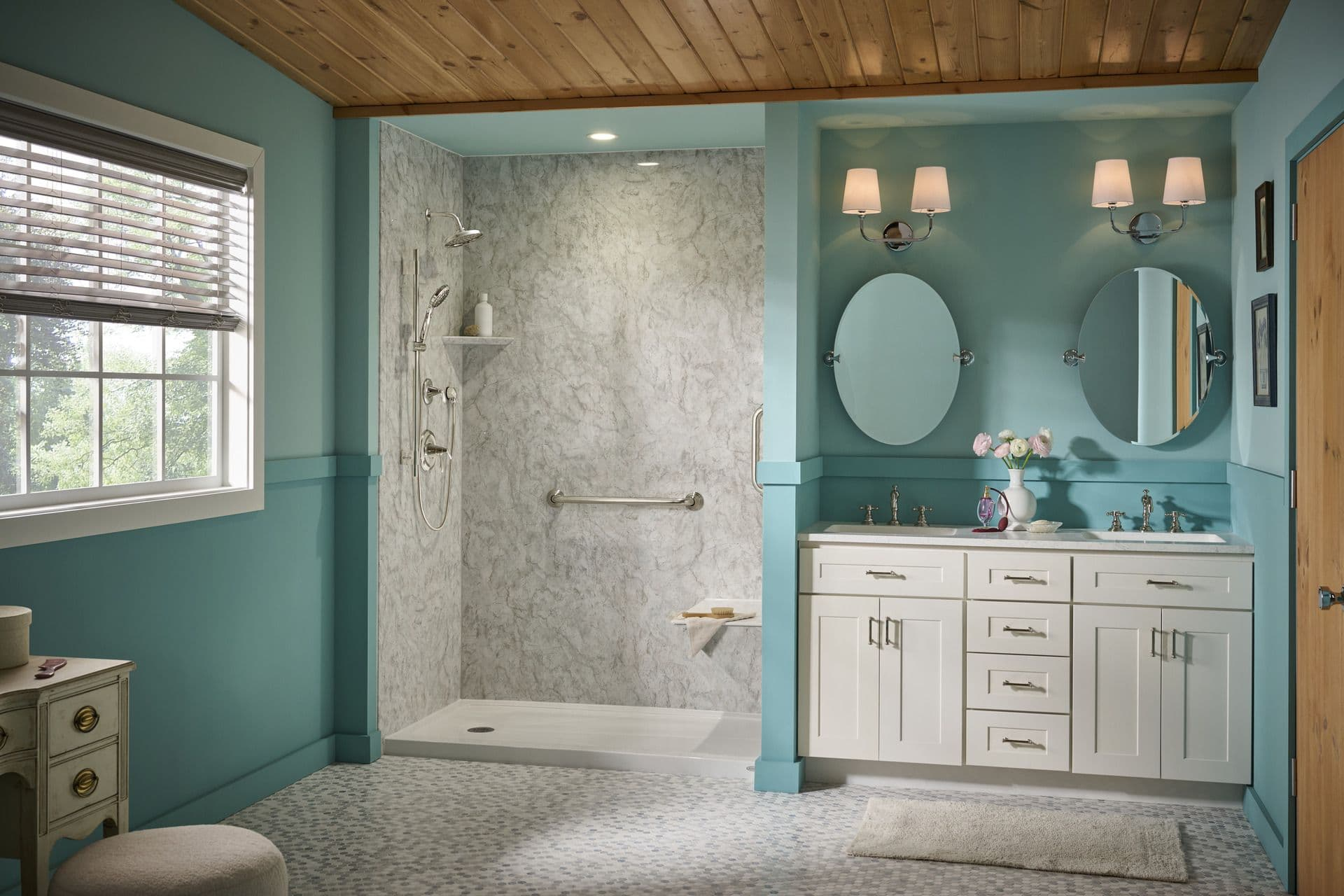
The morning alarm blares, and you shuffle down the hall into a space that has historically demanded little of us beyond clinical efficiency. For decades, the American bathroom operated as a sterile utility zone. It was a tiled white box illuminated by harsh, 4000K overhead LED strip lighting bouncing off chrome faucets and high-gloss porcelain. We scrubbed our faces under lights designed for operating rooms, surrounded by cold gray slabs that signaled cleanliness through an absolute absence of warmth.
Yet, as home routines have evolved into desperately needed sanctuaries from digital exhaustion, our relationship with this private square footage has undergone a tectonic shift. We are no longer satisfied with functional minimalism that feels like a hospital corridor. Instead, architectural and interior design movements are trading polish for patina, replacing stark high-gloss surfaces with hand-painted zellige tiles, soft clay washes, and morning sunbeams slicing through strategically uncurtained windows.
This transformation is not merely aesthetic; it is a physiological reclamation. By pairing the restorative circadian rhythms of raw daylight with rich, organic earth tones, contemporary designers are turning the bathroom into the most emotionally grounding room in the house. The era of the cold, clinical bathroom is officially over, replaced by a design ethos that champions raw textures, organic imperfections, and deep, restorative calm.
To understand this shift, we must look at how the design world arrived at the "Warm Minimalism" movement. For years, minimalist design was dominated by Scandinavian cool: icy grays, stark optical whites, and unyielding geometric symmetry. While visually clean, this approach often left spaces feeling hollow and detached from human scale. The pendulum has now swung toward a softer, more tactile philosophy. Homeowners are actively rejecting cold synthetic finishes in favor of materials that tell a story through natural variation and age.
At the center of this evolution is a deliberate return to the elements of the natural world. Stone, timber, clay, and unlacquered brass are replacing chrome and manufactured quartz. These materials possess an inherent thermal and visual warmth that changes throughout the day as natural light shifts across their surfaces. When sunlight strikes a porous limestone wall or catches the subtle undulations of a terracotta floor tile, it animates the room. The space ceases to be a static container and becomes a living environment responsive to the weather outside.
Furthermore, our understanding of wellness has matured. Wellness is no longer just about fitness trackers and green juice; it encompasses sensory architecture. The materials we touch and the quality of light we absorb upon waking directly impact our nervous system. Designing a bathroom around warm earth tones and abundant natural light signals safety, grounding, and connection to the outdoors—elements hardwired into human psychology through biophilic design principles.
The Architectural Mechanics of Daylight Integration
Natural light is the ultimate finishing material, yet it is frequently treated as an afterthought in standard architectural layouts. Traditional residential floor plans often relegate bathrooms to the interior core of the house, forcing reliance on artificial illumination and noisy exhaust fans. Remodeling projects are aggressively correcting this historical oversight by carving out exterior wall space, installing clerestory windows, and utilizing architectural glass blocks that preserve privacy while flooding vanity zones with diffused sunlight.
Working with daylight requires an acute understanding of orientation and light diffusion. Morning light entering from an east-facing window brings a cool, crisp clarity that energizes the wake-up routine, whereas a south- or west-facing exposure introduces a golden, amber warmth as the day progresses. Designers are using fluted glass panels and interior transom windows to pull this borrowed light deeper into windowless powder rooms and master ensuites. This strategy reduces daytime electricity usage while establishing a dynamic, ever-changing visual landscape within the room.
The interaction between daylight and color temperature is critical. High-intensity cool lighting can easily wash out warm pigments, turning a carefully selected terracotta or taupe paint into a muddy, unappealing hue. Consequently, incorporating natural light acts as an anchor for the entire color scheme. It allows rich, saturated earth tones—such as olive-drab greens, warm rust, soft almond, and deep ochre—to reveal their subtle undertones without feeling heavy or oppressive.
Material selection must also adapt to high-exposure daylight zones. Highly polished marble or glossy ceramics can create blinding glare when struck by direct sunbeams. To counteract this, modern designers favor honed, fluted, and leathered surface treatments. These textured finishes scatter incoming light, creating a soft, enveloping glow rather than harsh specular reflections. The result is a luminous, breathable atmosphere that feels both expansive and intimately protective.
Color Psychology and the End of the Sterile White Bathroom
The widespread retreat from sterile white and cool gray is rooted in human sensory psychology. Stark white environments reflect light indiscriminately, creating an optical tension that can induce subconscious stress—the exact opposite of what is required during a pre-sleep soak or a quiet morning shower. Earth tones, by contrast, absorb and diffuse light gently, wrapping the occupant in a cocoon of visual stability derived directly from forest floors, desert canyons, and riverbeds.
This palette expansion relies heavily on muted greens, warm taupes, sandy beiges, and clay-inspired terracotta hues. These colors share a low chromatic intensity, meaning they do not visually assault the eye. Instead, they recede into the background, allowing tactile elements like grain in white oak vanities or veining in travertine countertops to take center stage. When paired with matte black or aged bronze fixtures, these tones create a sophisticated visual depth that feels grounded and timeless.
Testing paint and tile samples under real-world conditions is paramount in this design paradigm. Because earthy colors shift dramatically depending on natural light exposure, a clay-tinted wall finish that looks warm and inviting at high noon can read surprisingly muddy or purple after sunset. Designers now insist on applying large-scale sample patches directly to the bathroom walls, observing how the color behaves during early morning fog, direct midday sun, and artificial evening illumination before making final commitments.
The emotional resonance of these colors extends beyond mere aesthetics. Soft browns and warm beiges promote feelings of safety and stability, while muted botanical greens foster cognitive restoration and mental clarity. By curating a palette drawn from the natural landscape, the modern bathroom successfully bridges the gap between indoor shelter and the restorative calm of the outdoors, turning routine hygiene into an intentional act of self-care.
A Step-by-Step Methodology for Designing an Earth-Inspired Sanctuary
Transforming a cold, conventional bathroom into a warm, light-filled sanctuary requires a systematic design approach that balances structural changes with surface finishing.
- Step 1 (Audit and Maximize Natural Light): Evaluate existing window placements and identify opportunities to introduce more daylight. Consider swapping solid wooden doors for interior doors featuring reeded glass panels, or install skylights and high-level clerestory windows to pull sunlight into dark corners without sacrificing privacy.
- Step 2 (Establish the Earthy Color Baseline): Select a core neutral palette inspired by raw elements, such as warm limestone, soft bisque, or rich taupe. Avoid high-contrast black-and-white schemes, focusing instead on tonal harmony across walls, floors, and cabinetry to create visual continuity.
- Step 3 (Select Tactile, Organic Materials): Ditch high-gloss porcelain and chrome for living finishes that develop a natural patina over time. Integrate white oak vanities, honed travertine or slate floor tiles, and unlacquered brass or brushed nickel hardware that warms up with touch and age.
- Step 4 (Layer Diverse Lighting Sources): Combine the primary natural light source with warm, layered artificial illumination (2700K or lower). Install dimmable wall sconces flanking the mirror and subtle floor-level ambient lighting to maintain the room’s cozy, dusk-like serenity during evening hours.
- Step 5 (Incorporate Living Biophilic Elements): Introduce moisture-loving houseplants such as ferns, snake plants, or trailing pothos. Vegetation softens hard architectural angles and actively purifies the air, reinforcing the organic connection between indoor living and the natural world.
Navigating Common Pitfalls and Field-Tested Workarounds
Executing an earth-toned, light-filled bathroom remodel comes with distinct technical challenges that can compromise the final result if ignored.
- Pitfall 1 (Moisture Damage on Exposed Wood): Unsealed wood elements like white oak vanities or cedar slat accents can warp and rot in high-humidity bathroom environments. Workaround: Specify marine-grade sealers or hardwax oils that penetrate the wood grain deeply while repelling water vapor without creating an artificial plastic film.
- Pitfall 2 (Slippery Natural Stone Flooring): Polished stone tiles look stunning in architectural magazines but become dangerous slip hazards when wet. Workaround: Always select honed, tumbled, or fluted stone finishes for shower floors and primary walking paths to ensure adequate barefoot traction.
- Pitfall 3 (Muddy Color Shifts Under Warm Lighting): Earthy wall paints can look dingy or dark if paired with incorrect artificial bulb temperatures. Workaround: Stick strictly to warm LED bulbs rated between 2400K and 2700K with a high Color Rendering Index (CRI of 90+) to ensure rich pigments remain vibrant after dark.
- Pitfall 4 (Overcrowding Small Spaces with Heavy Textures): Piling too many heavy stones, dark clays, and rustic woods into a compact powder room can make the space feel claustrophobic. Workaround: Balance heavy textures with smooth, continuous planes of lime-wash or large-format matte tiles to maintain visual breathing room.
- Pitfall 5 (Neglecting Adequate Ventilation): Introducing organic materials and natural light openings makes proper humidity control non-negotiable to prevent mold growth on porous surfaces. Workaround: Install a whisper-quiet, timer-controlled exhaust fan scaled appropriately to the room’s square footage to pull moisture out swiftly after every shower.
The Broader Economic and Environmental Shift Toward Sustainable Sanctuary Design
The surge in natural, earth-toned bathrooms reflects a broader cultural reckoning with sustainability, health, and intentional living. Consumers are increasingly questioning the longevity of fast-design trends—such as ultra-trendy geometric patterned tiles or disposable chrome fixtures—that end up in landfills within a decade. Investing in authentic natural stone, sustainably harvested timber, and low-VOC lime washes represents a return to durable, reparable craftsmanship that honors environmental resources.
Economically, this shift has transformed how real estate value is perceived. Buyers touring homes are placing a massive premium on spa-like primary bathrooms featuring organic finishes and abundant natural light. These spaces are no longer viewed merely as functional service rooms; they are evaluated as primary wellness amenities comparable to a home gym or a dedicated meditation space. A well-executed earthy bathroom adds tangible equity by offering immediate emotional appeal during property viewings.
Furthermore, the integration of biophilic design principles aligns with corporate and residential movements aiming to reduce indoor air toxicity. Traditional building materials often off-gas volatile organic compounds (VOCs) into confined spaces. By substituting synthetic paints and vinyl wall coverings with breathable clay plasters, natural milk paints, and untreated stone, modern design actively improves indoor environmental quality. This holistic approach ensures that the bathroom functions as a true restorative haven for both body and mind.
Actionable Frameworks for Bringing Organic Warmth Into Any Remodel
Creating a cohesive, earth-inspired bathroom does not always require a gut-reno budget. Even minor cosmetic updates can capture the essence of warm minimalism and natural daylight integration.
- Focus on Surface Patina: When replacing hardware, choose unlacquered brass, copper, or living bronze. These metals react organically with air and moisture, developing a unique, beautiful patina that mirrors the aging process found in natural landscapes.
- Embrace Imperfection in Tilework: Move away from machine-cut, perfectly symmetrical porcelain tiles. Hand-crafted zellige, terracotta, and handmade ceramic tiles introduce subtle color variations and uneven surfaces that catch natural light in captivating ways.
- Maximize Light Penetration Without Losing Privacy: Swap heavy window treatments for sheer linen café curtains, adhesive rice-paper films, or frosted glass panels that diffuse direct sunlight while blocking outside views entirely.
- Ground the Room with Textiles: Introduce organic Turkish cotton bath sheets, jute or woven seagrass bath mats, and wooden accessories to soften hard surfaces and add immediate tactile warmth.
- Keep Accessories Minimal and Natural: Clear plastic bottles and bright synthetic containers disrupt an earthy aesthetic. Decant soaps and shampoos into amber glass bottles with waterproof minimalist labels to maintain visual harmony.
The modern bathroom has ceased to be an afterthought of domestic architecture. It has reclaimed its ancient status as a place of ritual, cleansing, and quiet introspection. By banishing the cold, clinical aesthetic of the past and embracing the symbiotic relationship between abundant natural light and rich, earthy palettes, we are designing spaces that actively care for our well-being.
This design evolution reminds us that our homes should not feel like showrooms; they should feel like sanctuaries. When we step onto a cool limestone floor warmed by morning sunlight, surrounded by walls washed in earthy clay and accented by living wood, we reconnect with something essential. We step out of the frantic rhythm of the modern world and return to the earth, right in the comfort of our own homes.