Ever open your medicine cabinet and feel a wave of dread? You’re not alone. That tiny space often becomes the dumping ground for half-used lotions, expired medications, and mystery bottles we’re too afraid to toss. It’s messy. It’s stressful. And honestly, it makes our morning routine feel like a chore instead of a fresh start. But what if you could fix it in under an hour?
In 2026, we’re all craving a bit more calm in our homes. The bathroom is usually the last place we look for peace, but it should be the first. It’s where we wash off the day. It’s where we prepare to face the world. When that space is cluttered, our minds feel cluttered too. This guide isn’t about perfection. It’s about function. It’s about creating a space that works for you, not against you. Let’s dive in and clear the chaos, one shelf at a time.
The Mindset Shift: Why We Hold On
Before we throw a single thing away, we need to talk about why it’s there in the first place. Most bathroom clutter isn’t just stuff; it’s hope. That expensive face cream didn’t work, but we keep it because we spent good money on it. Those sample-sized shampoos from a hotel stay three years ago? We keep them "just in case." It’s a psychological trap. We confuse value with utility. Just because something cost money doesn’t mean it deserves space in your home today.
Think about the last time you bought a new gadget or beauty product. Did you use it up? Or did it sit there until it expired? In 2026, sustainability is huge, but hoarding unused products isn’t sustainable. It’s wasteful. It takes up physical space and mental energy. Every item on your counter is a decision you have to make every single morning. Do I use this? Do I move that? It adds up. By letting go of the guilt associated with unused items, you free yourself to create a space that actually serves your current needs.
So, give yourself permission to let go. That lipstick shade you hated? Toss it. The shampoo that made your hair frizzy? Donate it if it’s unopened, or trash it if it’s not. Your bathroom should reflect who you are right now, not who you were five years ago or who you hope to be next month. Once you accept that clutter is just delayed decision-making, the process gets a whole lot easier. You aren’t losing things; you’re gaining space.
The Great Purge: What Actually Needs to Go
Now, let’s get practical. Grab a trash bag and a donation box. We’re going through everything. Start with the obvious: expired products. Check the dates on your sunscreen, medications, and makeup. If it’s past its prime, it’s gone. No exceptions. Expired meds can be dangerous, and old makeup harbors bacteria. Next, look for duplicates. Do you really need four half-empty bottles of body wash? Pick your favorite, combine the others if possible, and recycle the empties.
Then, tackle the "maybe" pile. This is where most people get stuck. Ask yourself: Have I used this in the last six months? If the answer is no, and it’s not a seasonal item like heavy winter moisturizer, it’s probably safe to let go. This includes those free samples you’ve been saving for a special occasion. Spoiler alert: the special occasion isn’t coming. Use them now or lose them. Also, check for broken items. Chipped mugs used for toothbrushes, cracked containers, or rusted razors. They’re hazards. Get rid of them.
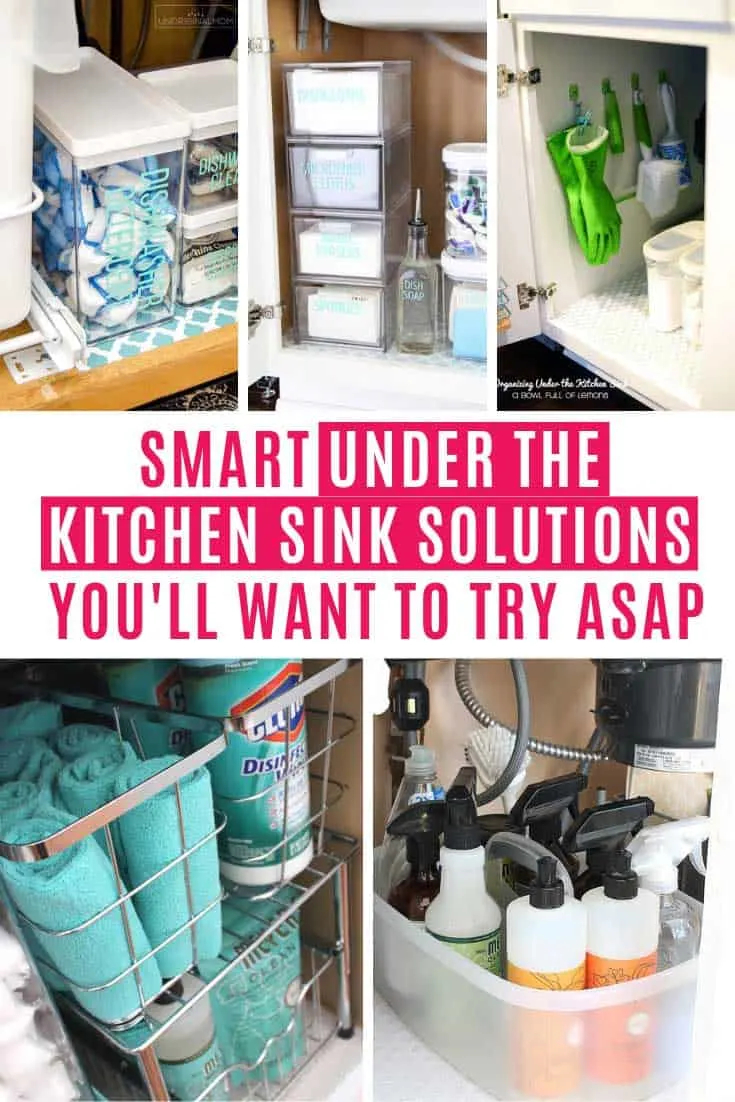
Don’t forget the hidden spots. Under the sink is usually a black hole of cleaning supplies and spare toilet paper. Check for leaks first. Then, toss any empty boxes or packaging. Keep only the cleaning products you actually use. If you have three different glass cleaners, pick one. The rest? Donate or discard. This step feels aggressive, but it’s necessary. You can’t organize clutter. You have to remove it first. Be ruthless. Your future self will thank you when they can find the ibuprofen without digging through a mountain of old lotions.
Smart Storage Solutions for Small Spaces
Once the excess is gone, you’ll see what you actually have. Now, how do we store it? In 2026, small-space living is still a reality for many, so vertical space is your best friend. Use wall-mounted shelves or over-the-door organizers to keep counters clear. A clear countertop instantly makes a small bathroom feel twice as big. If you have a pedestal sink with no storage, consider a rolling cart that fits beside it. These are cheap, movable, and hold a surprising amount of stuff.
Inside cabinets, use risers or stackable bins. Don’t just shove things in back-to-front. Group similar items together. Keep all dental care in one bin, hair care in another. This way, when you run out of toothpaste, you know exactly where to look. Clear containers are great because you can see what’s inside, but labeled opaque bins work too if you prefer a cleaner look. The key is consistency. If every category has a "home," it’s harder for things to wander off and create messes.
Lighting matters too. Many bathrooms have terrible overhead lighting that casts shadows in cabinets. Add a simple battery-operated LED strip inside your medicine cabinet or under shelves. It costs little but makes a huge difference in usability. You’ll stop buying duplicates because you can finally see what you already have. Also, consider the flow. Keep daily essentials at eye level. Things you use weekly can go higher or lower. Rarely used items? Top shelf or back of the bottom cabinet. Make the most used items the easiest to reach.
Maintaining the Calm: Daily Habits
Organization isn’t a one-time event; it’s a habit. The best system in the world will fail if you don’t maintain it. Start with the "one in, one out" rule. If you buy a new shampoo, the old bottle must go. This prevents accumulation. It sounds simple, but it’s powerful. It forces you to be mindful about what you bring into your home. In 2026, with same-day delivery making shopping too easy, this boundary is essential.
Implement a five-minute nightly reset. Before bed, wipe down the sink, put away any products left out, and hang up your towel. It takes less time than scrolling through social media, but it sets you up for a peaceful morning. A clean sink means you don’t start your day with visual noise. It’s a small act of self-care. Plus, it prevents grime buildup, making deep cleans much easier later on.
Involve the household. If you share the bathroom, everyone needs to be on board. Create simple labels or designated zones for each person. Kids can have a low basket for their bath toys and washcloths. Partners can have their own shelf for grooming tools. When everyone knows where their stuff goes, cleanup becomes shared responsibility rather than a burden on one person. Communication is key. Talk about what’s working and what’s not. Adjust as needed.
Eco-Friendly Disposal and Sustainability
Getting rid of clutter responsibly is crucial. Don’t just toss everything in the trash. In 2026, recycling rules are stricter, and awareness is higher. Check local guidelines for disposing of chemicals and aerosols. Many communities have hazardous waste drop-off days for old paints, cleaners, and medications. Never flush meds down the toilet; it contaminates water supplies. Look for pharmacy take-back programs instead.
For plastics, rinse them thoroughly before recycling. Caps often need to be kept on or off depending on your local facility—check their website. Glass bottles can usually be recycled curbside. But consider reuse first. Old jars make great containers for cotton swabs or homemade scrubs. Old towels can become cleaning rags. Get creative. Upcycling reduces waste and saves money.
Support brands that prioritize sustainable packaging. When you do buy new products, look for refillable options or solid bars (shampoo, conditioner, soap) that eliminate plastic bottles entirely. This shift not only reduces future clutter but also aligns with a broader environmental ethic. Every small choice adds up. By being mindful of how we dispose of and acquire goods, we create a cycle of consciousness that extends beyond the bathroom.
Troubleshooting Common Problem Areas
Even with a plan, trouble spots persist. The shower caddy is a classic. It gets slimy and overcrowded. Solution: Switch to a tension pole caddy that stands on the floor, or use suction cups that are regularly cleaned. Limit shower products to what you use daily. Store backups elsewhere. This keeps the wet zone dry and mold-free.
Medicine cabinets often become junk drawers. Fix this by using small acrylic organizers inside. Separate first aid from daily meds. Keep a small trash bin nearby for expired items so you can toss them immediately during your review. If your cabinet is too small, consider moving non-essential items to a linen closet. The bathroom should only hold what needs to be in the bathroom.
Under-sink chaos is another frequent complaint. Pipes get in the way. Use adjustable shelving units that fit around plumbing. Store tall items like spray bottles on the sides and flat items like extra toilet paper in the back. Use a lazy Susan for smaller items so nothing gets lost in the back corner. Regular audits every three months keep this space from becoming a dump again. Stay vigilant. Clutter creeps back in slowly, but consistent attention keeps it at bay.
At the end of the day, a organized bathroom is about more than just aesthetics. It’s about respect for your space and yourself. When you walk into a clean, tidy room, your shoulders drop. Your breathing slows. It’s a subtle shift, but it impacts your entire day. You’ve taken control of your environment. You’ve removed the friction.
Remember, this isn’t about having a magazine-perfect space. It’s about having a functional one. It’s okay if your toothbrush holder is mismatched. It’s okay if your towels aren’t folded like origami. What matters is that you can find what you need, when you need it, without stress. That’s the goal. That’s the victory.
So, take a deep breath. Grab that trash bag. Start small. Maybe just tackle the medicine cabinet today. Tomorrow, the under-sink area. Bit by bit, you’ll reclaim your space. And in doing so, you’ll reclaim a bit of your peace. You’ve got this. Here’s to a calmer, clearer, and more joyful morning routine.