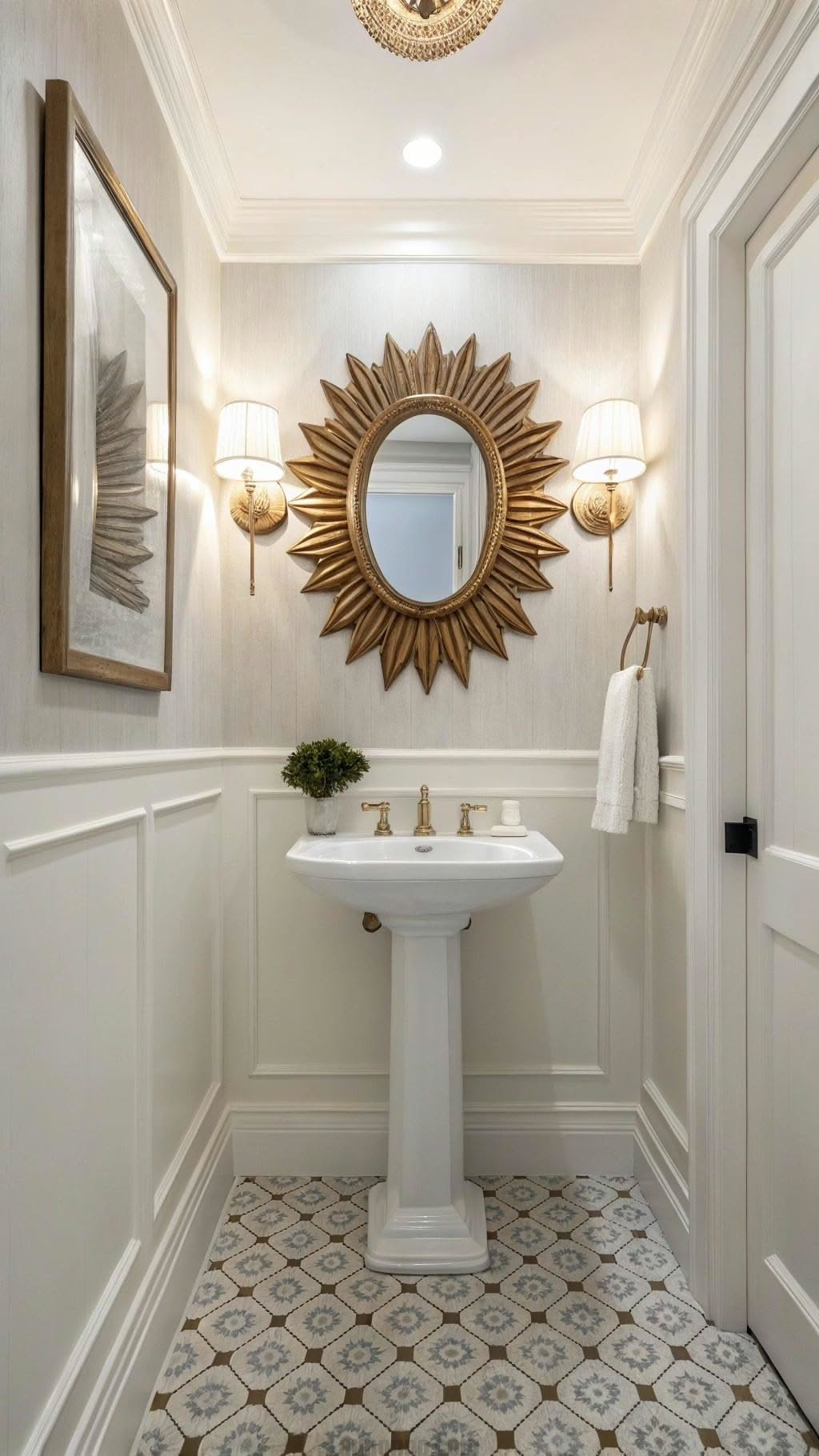
It is 2:00 AM in a quiet suburban home, and a guest has quietly slipped down the hallway. They are searching blindly for a light switch, hoping to find a glass of water, an extra roll of toilet paper, or a clean towel without waking their hosts. In that brief, sleepy pilgrimage, the guest bathroom ceases to be a mere functional box of tile and porcelain. It becomes a litmus test for hospitality. A cold, dim room with an empty soap dispenser tells a silent story of oversight. Conversely, a warm, intuitively organized space communicates a profound message: We see you, we value your comfort, and you are entirely welcome here.
Yet, for many homeowners, the guest bath is a neglected sibling to the primary suite. It often inherits leftover furniture, dated brass fixtures from the 1990s, and paint colors chosen on a whim a decade ago. Over the years, standards for guest hospitality have shifted dramatically. Visitors no longer just want a clean toilet and a bar of soap; they expect boutique-hotel efficiency blended with residential warmth. When preparing a home for visitors, the threshold between a dated, cramped water closet and an inviting private retreat comes down to intentional choices.
Redesigning or refreshing this footprint does not require tearing out studs or spending a fortune on custom marble slab. In fact, professional interior designers note that some of the most impactful transformations happen through surgical, surface-level updates. By replacing tired hardware, introducing sophisticated color theory, and curating thoughtful amenities, you can radically alter the psychology of the room. This guide explores the exact framework recommended by top-tier designers and home renovators for executing a guest bathroom refresh that leaves visitors genuinely impressed.
The Psychology of Welcome: Shifting From Utility to Hospitality
The primary failure of most guest bathrooms is an over-reliance on cold, utilitarian design. Because these rooms are rarely used by the permanent residents of the house, they often morph into storage units for bulk paper goods, expired medicines, and orphaned cleaning supplies. When a visitor steps inside, they immediately pick up on the residual energy of neglect. Reversing this dynamic requires an intentional pivot toward hospitality-driven spatial design, where every square inch is curated to make a stranger feel pampered and completely at ease in an unfamiliar house.
Creating this atmosphere starts with sensory details that register within seconds of opening the door. Lighting plays a monumental role here. Harsh, blue-toned LED bulbs or flickering vanity strips instantly make a small space feel sterile or clinical. Designers consistently recommend swapping these out for warm-white bulbs sitting between 2,700K and 3,000K, paired with dimmers if the budget allows. Soft illumination flatters skin tones, masks minor surface imperfections, and immediately lowers the nervous system’s response upon entering a strange room in the dark.
Beyond lighting, olfactory and tactile elements anchor the experience. Scent should be subtle—think clean linen, white tea, or eucalyptus rather than overpowering synthetic vanilla air fresheners that trigger headaches. Meanwhile, tactile touchpoints like the weight of a hand towel, the plushness of a bath mat, and the smoothness of a newly painted wall register instantly against the fingertips. When these elements align, the guest bathroom stops feeling like a public restroom transplanted into a home and starts feeling like an exclusive boutique hotel room.
Diagnosing Dated Elements: What Designers Say Must Go
Every era leaves its distinct architectural fingerprint on residential interiors, and unfortunately, the guest bathroom is where these trends linger long past their expiration date. Walking into a dated space usually reveals a distinct lineup of culprits: shiny polished brass faucets, builder-grade oak cabinetry with arched panel doors, and heavy, dated shower curtains that swallow the room’s natural light. Identifying these outdated anchors is the first step toward a modern, high-impact refresh that feels current and timeless.
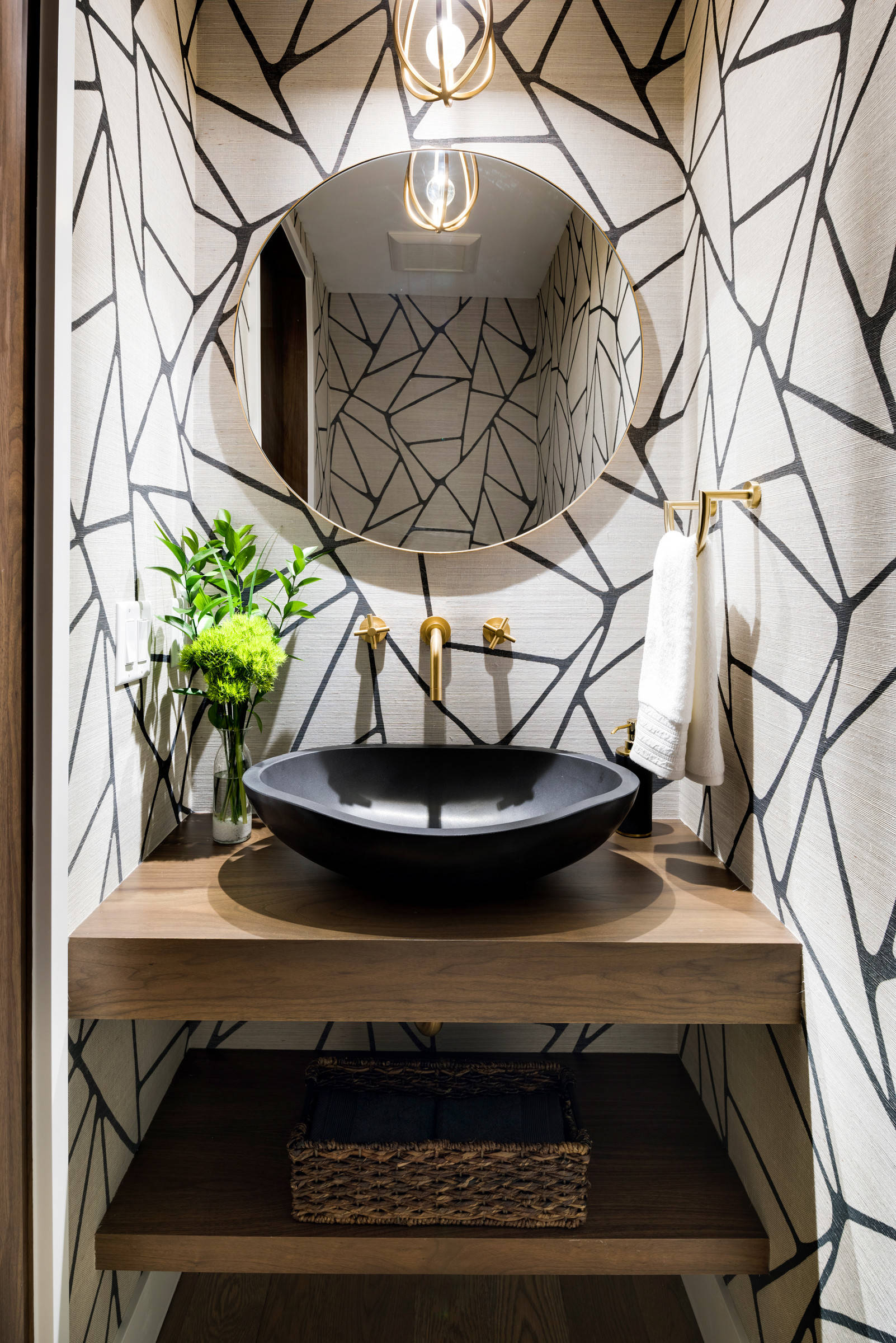
Hardware is often the lowest-hanging fruit for modernization. Outdated faucets, cabinet pulls, and towel bars finished in high-gloss brass or mottled nickel instantly date a vanity. Replacing these elements with living finishes like unlacquered brass, or contemporary standards like matte black, brushed nickel, or brushed bronze, instantly changes the visual weight of the room. This single swap alters the perceived value of the fixtures without requiring plumbing alterations.
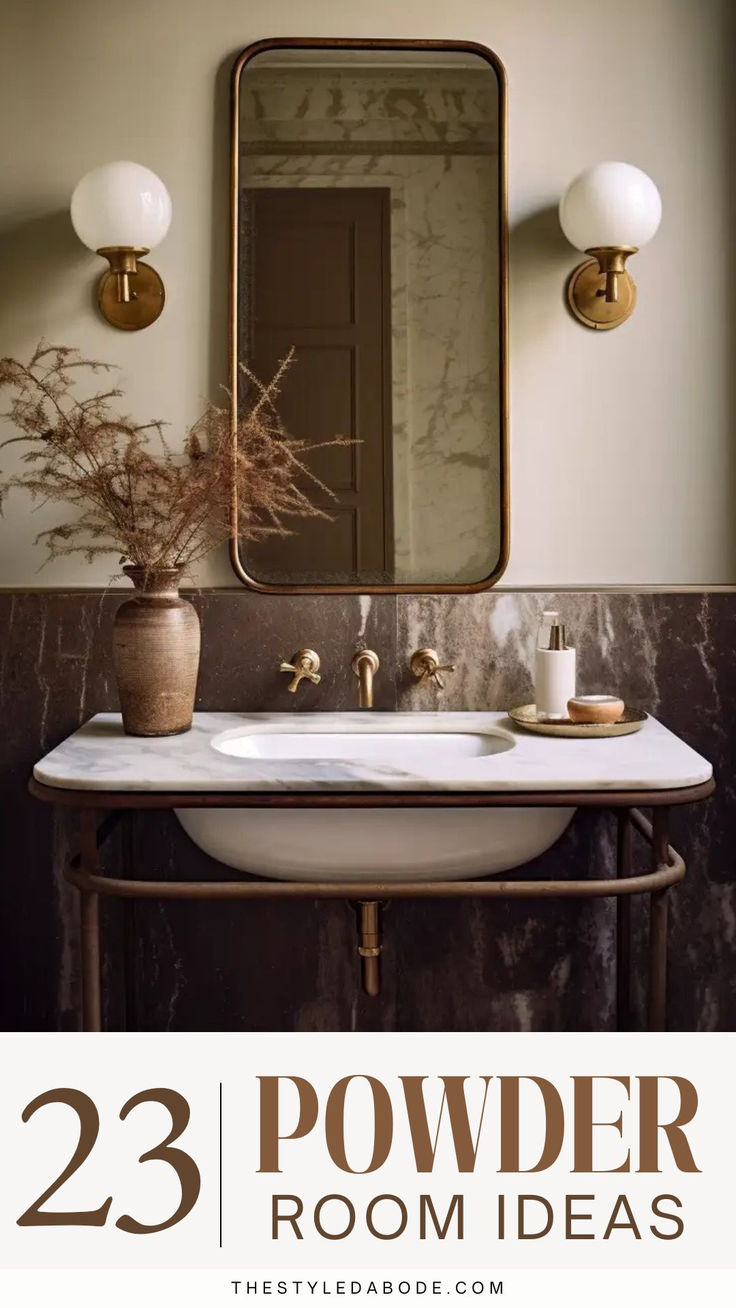
Another major offender is the lighting and mirror combination. The frameless builder-grade vanity mirror glued directly to the drywall, paired with a Hollywood-style strip light sporting exposed round bulbs, screams 1990s tract housing. Modernizing this setup typically involves removing the sheet mirror and replacing it with a framed statement piece—such as an arched black metal frame or an organic pill-shaped mirror—accompanied by stylish wall sconces flanking the sides rather than glaring down from above. This simple adjustment immediately elevates the architectural pedigree of the room.
A Room-by-Room Execution Plan for Maximum Visual Impact
Executing a seamless guest bathroom refresh requires a disciplined sequence of events. Trying to paint walls, swap out plumbing fixtures, and hang new mirrors all at once is a recipe for scratched surfaces and messy timelines. Following a field-tested methodology ensures that trades or DIY efforts proceed logically, minimizing frustration and maximizing the quality of the finished space.
- Step 1 (Assessment and Demolition): Clear everything out of the room completely. Remove old towel bars, toilet paper holders, and surface-mounted mirrors, patching any drywall anchors or screw holes with spackle and sanding them flush once dry.
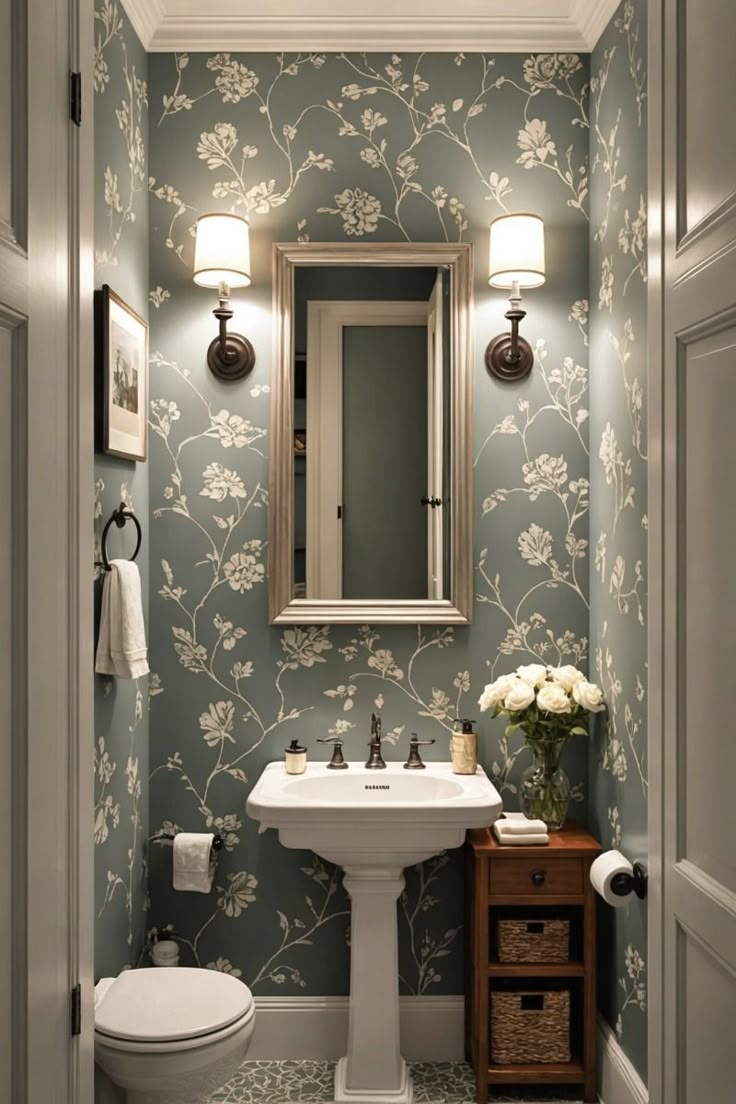
- Step 2 (Surface Preparation and Paint): Apply a fresh coat of paint. Designers currently favor moody, grounding neutrals like muted olives, warm clays, or sophisticated off-whites like Sherwin-Williams Alabaster or Benjamin Moore Swiss Coffee to add instant depth.
- Step 3 (Lighting and Electrical Upgrades): Install new light fixtures or sconces. Ensure junction boxes are secure and wiring is up to code before mounting fixtures and verifying lightbulb color temperatures.
- Step 4 (Hardware and Fixture Swaps): Install the new vanity faucet, sink drain stopper, cabinet knobs, drawer pulls, and wall-mounted hardware. Use plumber’s tape on threaded connections to prevent leaks and tighten compression nuts securely.
- Step 5 (Styling and Amenities): Mount the new vanity mirror, hang fresh, high-density cotton towels, and place curated guest amenities like folded washcloths in a basket, a tray of travel-sized toiletries, and a small live plant or stem of eucalyptus.
Navigating Common Refresh Missteps and Field-Tested Workarounds
Even experienced DIYers and seasoned home renovators occasionally stumble when tackling bathroom updates. Because bathrooms are wet environments with tight square footage, minor oversights can snowball into major headaches. Recognizing these frequent pitfalls ahead of time saves hours of labor and prevents costly damage to subfloors, drywall, and newly purchased fixtures.
- Pitfall 1 (Ignoring Scale and Proportions): Installing a mirror or light fixture that is too large or too small for the vanity disrupts the visual symmetry of the room. Workaround: Measure the vanity width and select a mirror that is roughly two to four inches narrower than the vanity top, and ensure sconces are spaced roughly 28 to 36 inches apart at eye level.
- Pitfall 2 (Failing to Seal Wet-Zone Paint): Using standard flat interior paint in a small, poorly ventilated bathroom leads to peeling, mildew, and water-spotting near the shower and sink. Workaround: Always specify a satin, semi-gloss, or moisture-resistant formulated paint containing antimicrobial mildewcides designed specifically for high-humidity environments.
- Pitfall 3 (Neglecting Storage Realities): Adding minimalist open shelving without considering where guests actually put their bulky cosmetic bags or toiletries creates cluttered, messy countertops. Workaround: Incorporate a hidden medicine cabinet or a stylish woven basket beneath the vanity to give guests a designated drop-zone for their personal gear.
- Pitfall 4 (Mismatching Metal Finishes): Trying to mix polished chrome, brushed gold, and matte black in a tiny room creates visual chaos and makes the space feel uncoordinated. Workaround: Stick to a maximum of two cohesive metal finishes throughout the room—such as brushed nickel for plumbing and matte black for cabinet pulls and lighting.
- Pitfall 5 (Skimping on Towel Hanging Capacity): Providing only a single towel ring next to the sink leaves guests wondering where to hang their heavy bath sheets after a shower. Workaround: Install at least two heavy-duty wall hooks on the back of the door or adjacent wall to accommodate wet bath towels comfortably.
The Broader Economy of Hospitality and Long-Term Durability
Investing time and resources into a guest bathroom is never just about aesthetics; it is an investment in the long-term liveability and value of a home. In real estate terms, bathrooms command an outsized psychological influence on buyers and visitors alike. A beautifully executed half-bath or guest suite bath signals that the rest of the home has been meticulously maintained. When components are chosen for longevity rather than fleeting trends, the refresh pays dividends for years without requiring continuous upkeep.
Choosing durable materials is the cornerstone of this long-term strategy. Solid brass valves, ceramic disc faucet cartridges, and vitreous china sinks resist staining, scratching, and mechanical failure far better than cheap plated alternatives. Similarly, investing in high-gsm (grams per square meter) Turkish cotton towels ensures that linens survive dozens of hot commercial-grade launderings without fraying or losing their absorbent plushness.
Furthermore, a well-designed guest bath naturally adapts to shifting household needs over time. Today’s guest suite might host visiting grandparents for the holidays, but tomorrow it could serve as a private sanctuary for a returning college student or a quiet retreat during a work-from-home afternoon. By prioritizing classic lines, neutral palettes, and durable, easy-to-clean surfaces, homeowners future-proof the space against shifting interior design cycles, ensuring that the room remains endlessly versatile and perpetually welcoming.
Practical Frameworks for Sustaining a Five-Star Guest Experience
Maintaining a perpetually guest-ready bathroom requires moving away from emergency scrambling and establishing simple, repeatable maintenance routines. When visitors drop by unexpectedly, the difference between a stressful cleanup and a calm greeting lies entirely in having a pre-established framework for room upkeep.
- The Stocking Checklist: Keep a dedicated plastic storage bin in a primary hallway closet filled exclusively with guest-ready consumables: individually wrapped hotel soaps, unopened toothbrushes, travel-sized tubes of fluoride toothpaste, miniature shampoos, and extra rolls of embossed toilet paper.
- The Linen Rotation: Designate a specific shelf in your linen closet for guest bath towels only. Wash and refresh these linens every few months even if they haven’t been used, ensuring they always smell fresh and crisp rather than stagnant.
- The Surface Reset Protocol: After every guest departs, run a microfiber cloth dampened with a gentle multi-surface cleaner across the vanity, faucet, and mirror. Wipe down the shower surround, empty the small wastebasket, and replace the hand towel immediately.
Implementing these micro-habits transforms guest preparation from an exhausting chore into a seamless extension of your home’s natural hospitality. When the logistics are dialed in, hosting friends and family becomes infinitely more enjoyable for everyone involved.
The art of welcoming guests into our homes is a quiet tradition rooted in care, empathy, and attention to detail. While design trends will continue to evolve, the underlying human desire to make others feel comfortable and cherished remains constant. A thoughtfully refreshed guest bathroom is a tangible expression of that desire—a small sanctuary carved out of the daily rush where a visitor can pause, refresh, and feel at home.
As you look at your own guest bath today, remember that perfection is never the goal. The true objective is thoughtfulness. Whether you decide to rip out dated brass faucets, paint the walls in a grounding earthy neutral, or simply place a basket of plush towels on the counter, every intentional change makes a statement. By shifting your perspective from utilitarian duty to genuine hospitality, you turn a forgotten room into one of the most inviting spaces in your home. Take the first step this weekend, pick your palette, and prepare a space that tells every future visitor they are truly cared for.