You’ve pinned the photos. You’ve picked out the quartz countertop that looks like marble but doesn’t stain when you spill red wine. You’re ready. But here is the thing nobody puts in the Instagram caption: remodeling a kitchen in 2026 is less about picking pretty tiles and more about managing chaos. It is a marathon of decisions, delays, and surprise invoices that arrive just when you thought you were done.
We are not just talking about money, though that is a huge part of it. We are talking about the mental load. The dust that gets into places you didn’t know existed. The moment you realize the fridge you ordered three months ago is still "in transit." If you are standing on the precipice of a renovation this year, take a deep breath. This guide isn’t here to sell you cabinets. It is here to tell you what actually happens when the sledgehammers come out, based on the real-world messiness of current projects.
The Budget Illusion and Where Money Actually Goes
Let’s talk numbers, because they are scary. According to recent data from Houzz, the median spend for a major kitchen remodel has climbed to around $55,000, and if you have a larger space, you are looking at closer to $75,000. Even minor updates are hitting the $46,000 mark. These aren’t just arbitrary figures; they reflect a market where labor shortages and material volatility have become the new normal. But the sticker price is rarely the final price.
The hidden costs are sneaky. They hide in the permit fees that your contractor might have underestimated. They lurk in the demolition phase, where opening up a wall reveals outdated wiring that needs to be brought up to 2026 code, or plumbing that leaks the second you touch it. One homeowner in Ohio recently shared that their "simple" cabinet swap turned into a $12,000 electrical overhaul because the previous owner had daisy-chained outlets in a way that was no longer safe or legal.
To protect yourself, you need a contingency fund. Not 5%. Not 10%. Aim for 20% of your total budget. Keep this money separate. Do not look at it as "extra spending money." Look at it as insurance against the unknown. If you don’t use it, great. You can buy a really nice espresso machine. But if you do need it, you won’t be panicking when the unexpected bill arrives.
Supply Chains Are Better, But Not Fixed
Remember the pandemic era waits? Things have calmed down, sure. But 2026 has its own quirks. While you can get standard appliances faster, custom items are still playing hard to get. Lead times for specialized cabinetry or imported stone can still stretch into months. The mistake people make is ordering everything at once. Don’t do that.
Instead, sequence your orders. Get the structural stuff first. Then the cabinets. Then the appliances. If you order your fancy Italian range before the cabinets are measured and finalized, you might find out too late that it doesn’t fit the new layout. Or worse, it sits in your garage for six weeks because the vent hood isn’t ready. This creates clutter and stress.
Also, be flexible with substitutions. Have a "Plan B" for your backsplash tile. Have a "Plan C" for your faucet finish. If your first choice is backordered for eight weeks, you need to be able to pivot without derailing the whole project. Contractors love clients who can make quick decisions when Plan A falls through. It keeps the crew working and the timeline intact.
The Lifestyle Disruption No One Warns You About
It is easy to forget that you have to live in your house while it is being torn apart. The dust is invasive. It gets into your bedroom closets. It settles on your TV screen. In 2026, with more people working from home than ever, the noise factor is a massive challenge. Try taking a Zoom call while a jackhammer is going off in the next room. It is not fun.
Create a temporary kitchen station. This is non-negotiable. Set up a microwave, a mini-fridge, a coffee maker, and a sink (if possible) in another room. Eat out more than you think you will. It is worth the expense to preserve your sanity. One couple we spoke to set up a "camping kitchen" in their dining room with plastic bins for plates and utensils. It felt primitive, but it kept them from losing their minds.
Communication with your contractor is key here. Establish clear work hours. If you need quiet from 9 AM to 11 AM for meetings, tell them. Most crews are willing to adjust their noisiest tasks to accommodate your schedule if you ask nicely and in advance. Don’t assume they know your routine. They are focused on the build, not your calendar.
Design Regrets and the Trend Trap
Trends move fast. In 2026, we are seeing a shift away from the sterile, all-white kitchens of the past decade. Warm wood tones, mixed metals, and bold island colors are in. But here is the trap: designing for trends instead of function. Just because open shelving looks great in a magazine doesn’t mean you want to dust your dishes every three days.
Think about how you actually cook. Do you bake? You need counter space near the oven. Do you entertain? You need a flow that allows guests to mingle without blocking the cook. The most expensive mistakes are often design choices that look good but work poorly. For example, putting the dishwasher next to the sink seems obvious, but if it blocks the main walkway when open, it becomes a hazard.
Avoid "feature creep." This is when you keep adding little extras during the design phase. A pot filler here. A wine fridge there. Specialized drawers for spices. Each one adds cost and complexity. Stick to your core needs. If it doesn’t make your daily life easier, cut it. You can always add a fancy gadget later. You can’t easily remove a built-in appliance that you never use.
The Contractor Relationship Minefield
Finding a good contractor in 2026 is tough. The best ones are booked out months in advance. But hiring the wrong one is a disaster. Do not just go with the lowest bid. That is a recipe for corner-cutting and hidden fees later. Look for someone who communicates well. Do they answer your emails? Do they explain things clearly?
Get everything in writing. Every change. Every cost. Every timeline adjustment. Verbal agreements are worthless when things go south. If you decide to move a light switch, get a change order signed before the work is done. This protects both you and the contractor. It prevents the "I thought that was included" argument at the end of the project.
Be respectful but firm. Treat your crew with kindness. Offer water. Keep the workspace clear. But also hold them accountable to the schedule. If a milestone is missed, ask why. Work together to solve the problem. A collaborative relationship yields a better result than an adversarial one. Remember, you are partners in this messy process.
Small Spaces, Big Problems
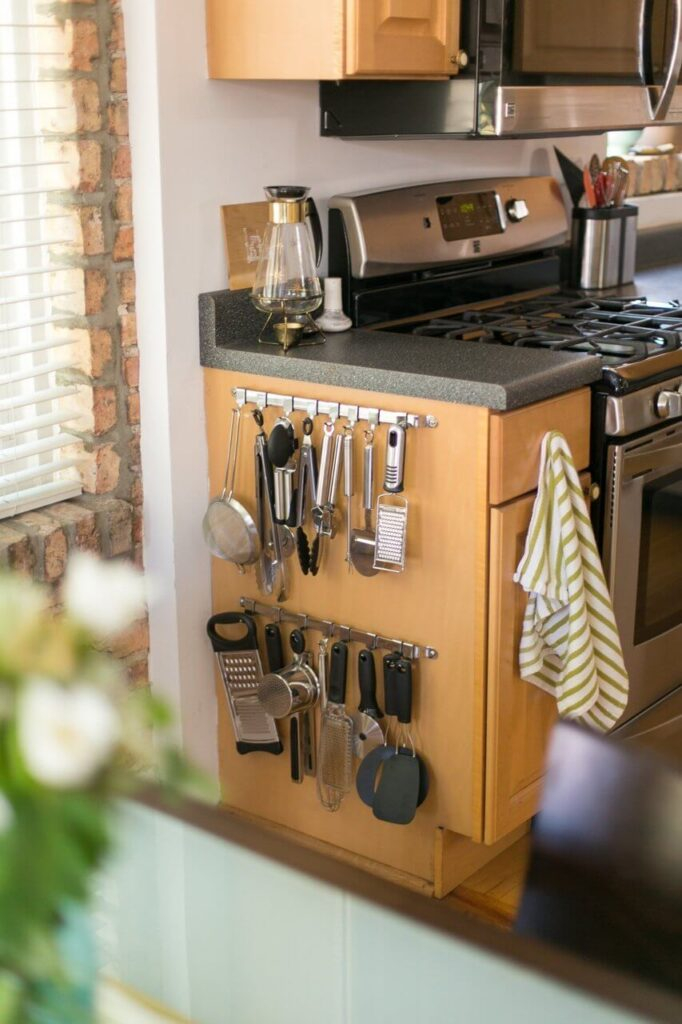
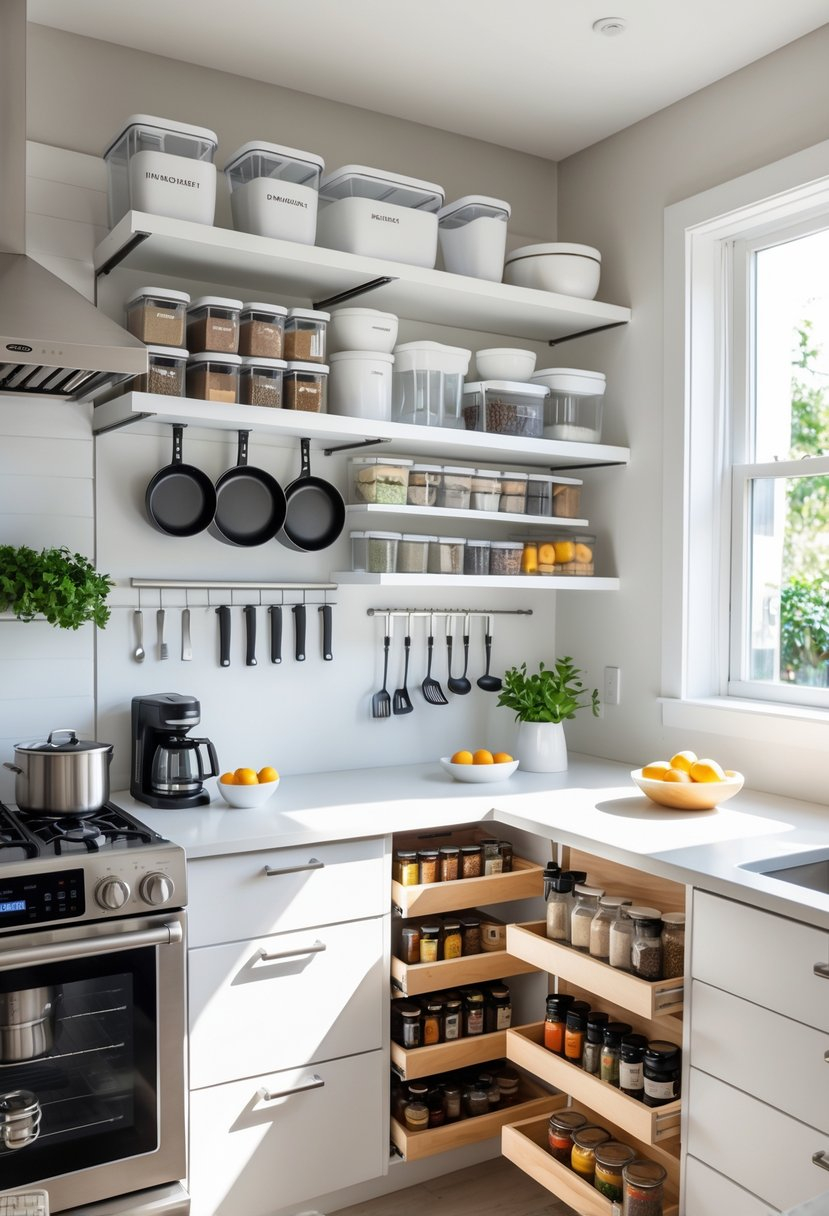
If you have a small kitchen, the challenges are magnified. Every inch counts. In 2026, smart storage solutions are not just a luxury; they are a necessity. Think vertical. Use the space above the cabinets. Install pull-out pantries. Consider appliances that are scaled down but high performance. A 24-inch dishwasher can be just as effective as a 30-inch one if it has the right features.
Lighting is crucial in small spaces. Dark corners make a room feel smaller. Layer your lighting. Use under-cabinet lights for task work. Pendant lights over the island for ambiance. Recessed lighting for general illumination. This creates depth and makes the space feel larger than it is. Mirrors or glossy backsplashes can also help bounce light around.
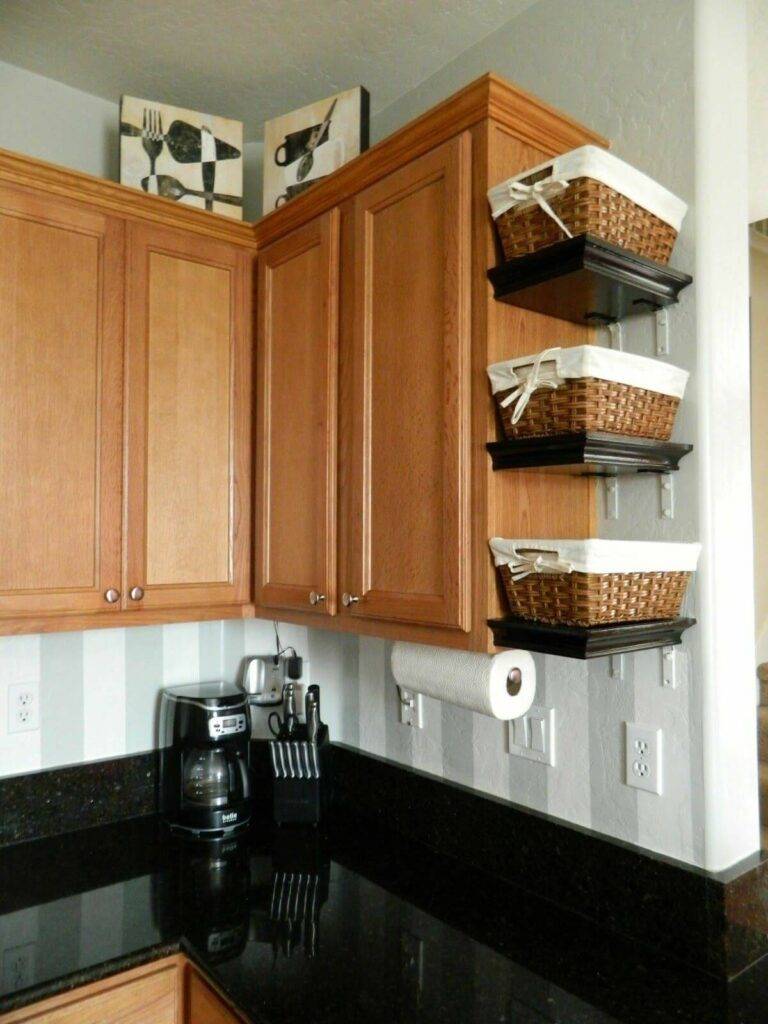
Don’t try to cram in full-sized everything. It will feel cramped and chaotic. Embrace the coziness. A small kitchen can be efficient and beautiful. Focus on quality over quantity. One great piece of equipment is better than five mediocre ones. And keep the visual clutter down. Closed storage is your friend. Hide the toaster. Hide the blender. Keep the counters clear to create a sense of calm.
So, is it worth it? Yes. Absolutely. There is a profound joy in cooking in a space that works for you. A place that reflects your style and meets your needs. But getting there requires patience, planning, and a thick skin. Expect the unexpected. Budget for the worst. Communicate constantly.
Your kitchen will be messy. You will be tired. You might cry over a delayed shipment of handles. But then, one day, the dust settles. The final inspection passes. You brew your first cup of coffee in your new space. And it feels like magic. All the stress fades away, replaced by the satisfaction of a job well done.
Keep your eyes on the prize. Stay flexible. And remember, you are not alone in this. Thousands of homeowners are navigating the same hurdles right now. Share your stories. Ask for help. Learn from others. Your dream kitchen is waiting on the other side of the chaos. Just take it one step at a time.