Ever walked into a friend’s house and felt an instant sense of calm? Or maybe you’ve stepped into a hotel lobby and thought, “I wish my living room felt like this.” It’s not magic. It’s not even always about having a massive budget. It’s about knowing the tricks. The little shortcuts that pros have been using for years but rarely talk about out loud.
In 2026, the game has changed a bit. We’re moving away from the sterile, perfect look of the early 2020s. People want homes that feel lived-in, authentic, and slightly unpredictable. But how do you get that "effortless chic" vibe without it looking like you just gave up? That’s where the secrets come in. We’ve dug through the latest trends, talked to the experts, and compiled the 20 most genius decorating secrets that designers are swearing by right now.
These aren’t just tips. They’re mindset shifts. Small tweaks that make a huge diference. Whether you’re renting or owning, working with a shoestring budget or splurging on key pieces, these ideas will help you transform your space. Let’s dive in.
Lighting and Atmosphere: Setting the Mood Right
Lighting is probably the most underrated tool in your decorating arsenal. Most people rely on that single overhead light fixture, which is a big mistake. It creates harsh shadows and makes a room feel flat. Designers in 2026 are obsessed with layering. Think of it like dressing for the weather. You don’t just wear one layer; you add textures and depths.
Start with ambient lighting, like recessed lights or a central pendant, but keep it dimmable. Then, add task lighting where you actually do things—reading nooks, kitchen counters, desk areas. Finally, the secret sauce: accent lighting. This is where you highlight art, architectural details, or even a beautiful plant. Use floor lamps with upward-facing shades to bounce light off the ceiling. It makes the room feel taller and softer.
Another trick? Warmth matters. In 2026, cool white bulbs are out. Everyone is switching to 2700K or even 2400K bulbs. They mimic the glow of candlelight or sunset. It instantly makes a space feel cozy and inviting. If you have a smart home system, program your lights to change throughout the day. Brighter in the morning, warmer in the evening. It’s a small detail, but your body will thank you.
Don’t forget about mirrors. They aren’t just for checking your hair. Placing a mirror opposite a window doubles the natural light. It’s like getting a second window for free. And if you have a dark corner, a well-placed mirror can bounce light into it, making the whole room feel bigger and brighter. It’s simple physics, but it feels like magic.
Color and Paint: Breaking the Rules
Paint is the cheapest way to transform a room, but most people play it too safe. Beige is fine, but it’s boring. In 2026, designers are encouraging boldness. Not necessarily neon colors, but deeper, richer tones. Think moody greens, dusty blues, or even charcoal grays. These colors add depth and character. They make furniture pop.
One genius secret? Paint the trim. Instead of white trim against colored walls, try painting the trim the same color as the walls, or even a shade darker. It creates a seamless, enveloping effect. It makes small rooms feel larger because your eye isn’t stopped by contrasting lines. It’s a technique called "color drenching," and it’s huge right now.
Another tip: test your paint in different lights. A color that looks great in the showroom might look terrible in your north-facing living room. Buy sample pots and paint large swatches on different walls. Watch them throughout the day. Morning light is different from evening light. Artificial light changes things too. Don’t rush this step. It saves you from regret later.
And here’s a wild one: paint the ceiling. Not just white. Try a soft pastel or a deep jewel tone. It draws the eye up and adds an unexpected element of surprise. Some designers are even wallpapering ceilings. It’s a bold move, but in a dining room or bedroom, it can feel incredibly luxurious. It’s like wearing a hat indoors. Unexpected, but stylish.
Furniture and Layout: Flow and Function
Furniture placement can make or break a room. The biggest mistake? Pushing everything against the walls. It creates a "dance floor" in the middle that no one uses. Instead, float your furniture. Pull the sofa away from the wall. Create intimate conversation areas. It makes the room feel more welcoming and less like a waiting room.
Scale is crucial. A tiny sofa in a huge room looks lost. A massive sectional in a small apartment feels cramped. Measure your space before you buy anything. Use painter’s tape to mark out the footprint of potential furniture on the floor. Walk around it. Does it feel comfortable? Can you move easily? This simple trick saves so many returns.
Mix old and new. This is key for that 2026 "lived-in" look. Don’t buy everything from the same store. Combine a vintage wooden chair with a modern sleek table. It adds history and personality. Thrift stores and estate sales are goldmines for unique pieces. A single antique item can anchor a whole room.
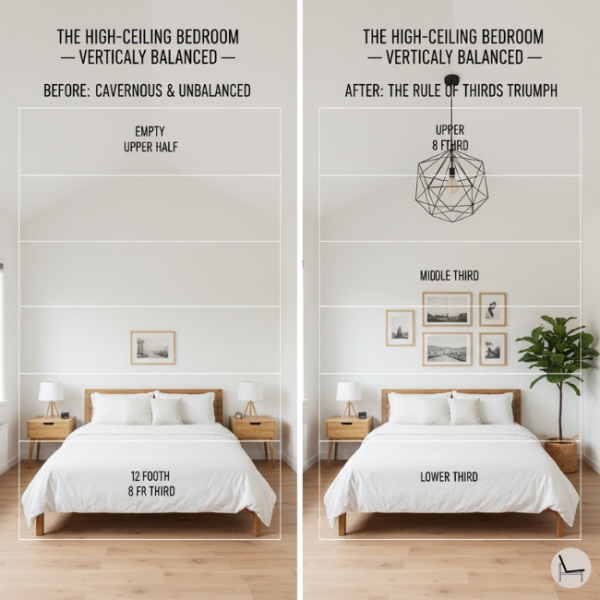
And don’t forget about vertical space. Tall bookshelves or floor-to-ceiling curtains draw the eye upward, making ceilings feel higher. Hang curtains as close to the ceiling as possible, not just above the window frame. It’s a classic designer trick that never gets old. It adds elegance and height without any structural changes.
Textures and Layers: The Touch Factor
A room can look great in photos but feel cold in person. That’s usually a lack of texture. In 2026, tactile experiences are paramount. People want to touch their homes. Mix materials. Wood, metal, glass, fabric, stone. Each brings a different feeling. A rough wool rug against a smooth leather sofa. A silky pillow on a linen chair.
Layering rugs is another pro secret. Put a smaller, patterned rug on top of a larger, neutral one. It defines zones in open-plan spaces. It adds warmth and sound absorption. Plus, it’s easier to clean a small rug than a huge one. If you spill wine, you just wash the top layer. Practical and pretty.
Curtains and drapes matter too. Avoid thin, cheap fabrics. Go for heavy linens or velvets. They hang better and block light more effectively. Even if you don’t need privacy, the weight of the fabric adds a sense of luxury. Hang them high and wide. It frames the window like a piece of art.
Don’t ignore the small touches. Throw blankets, pillows, baskets. These are the jewelry of your home. Swap them out with the seasons. It’s a low-cost way to refresh your space. In winter, go for chunky knits and faux fur. In summer, switch to cottons and lighter weaves. It keeps your home feeling current and responsive to the world outside.
Art and Personalization: Making It Yours
Art doesn’t have to be expensive. In fact, some of the best decor comes from personal memories. Frame postcards, children’s drawings, or even fabric scraps. It’s about the story, not the price tag. Gallery walls are still popular, but in 2026, they’re more eclectic. Mix framed photos with objects, like hats or plates. It’s less rigid, more playful.
Hang art at eye level. This sounds obvious, but so many people hang things too high. The center of the piece should be at about 57 inches from the floor. It creates a natural viewing experience. If you’re hanging a group of pieces, treat them as a single unit. Step back and adjust until it feels balanced.
Mirrors as art. We mentioned mirrors for light, but they can be decorative too. An ornate, vintage mirror can be a focal point. It reflects the room and adds depth. Place it opposite a beautiful view or a striking piece of furniture. It doubles the impact.
And here’s a weird one: display books. Not just stacked neatly, but arranged by color or size. Use them as props. Lean a large art book against a wall. Stack a few horizontally to create a surface for a vase. Books add intellectual weight and color. They show who you are. Don’t hide them in closed cabinets. Let them breathe.
It’s the little things that finish a room. Hardware on cabinets and drawers. Swap out basic builder-grade knobs for something unique. Brass, black matte, or ceramic. It’s like changing the earrings on an outfit. Small change, big impact. It’s a weekend project that costs very little but looks expensive.
Plants. Always plants. They bring life into a space. Literally. They clean the air and add greenery. But don’t just stick a cactus in a corner. Group plants together. Create a mini jungle. Use different heights and leaf shapes. It feels lush and vibrant. If you kill plants, go for high-quality faux ones. No shame. Just make sure they look real.
Scent is part of decor too. A home should smell good. Use diffusers, candles, or fresh flowers. But keep it subtle. Overpowering scents can be annoying. Choose natural smells like lavender, citrus, or sandalwood. It adds another layer to the experience of your home.
Finally, edit. This is the hardest part. We accumulate stuff. But clutter kills design. Go through your rooms and remove items that don’t spark joy or serve a purpose. Leave some empty space. Negative space is important. It lets the eye rest. It highlights the pieces you love. Less is often more.
So there you have it. Twenty secrets. Some are simple, some are bold. But all of them are designed to help you create a home that feels right. Not just looks good, but feels good. In 2026, it’s about authenticity. It’s about making your space reflect who you are. Don’t be afraid to experiment. Break a rule or two. After all, it’s your home. Make it yours.