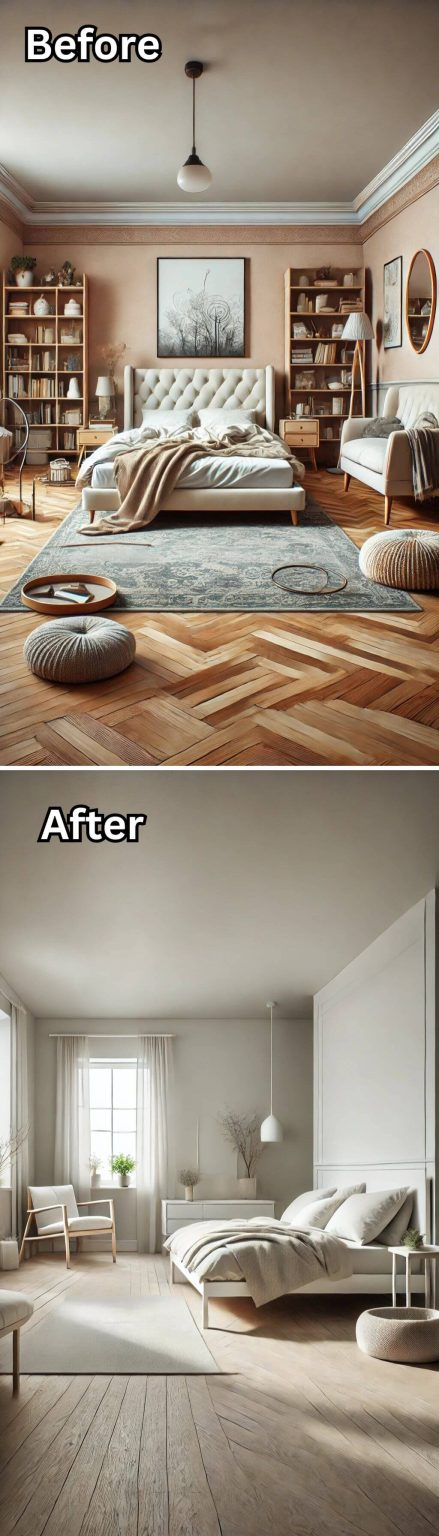
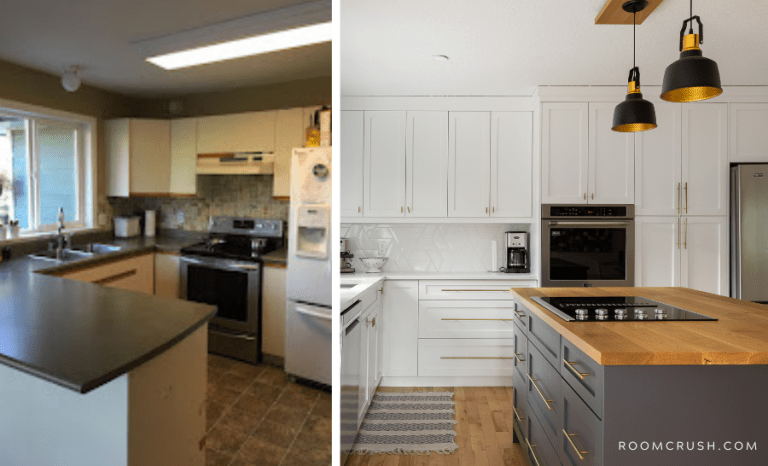
You know that feeling when you walk into a room and it just feels… heavy? Like the walls are closing in, not because they’re actually small, but because the light is all wrong. It’s a common problem, especially in older homes or apartments with north-facing windows. We’ve all been there. You want it bright, sure. But you don’t want it to feel like a hospital waiting room. That sterile, cold brightness is the last thing anyone needs after a long day.
This is where the Scandinavians have always had the upper hand. Think about it. For half the year, places like Norway, Sweden, and Denmark are basically living in twilight. They didn’t just survive the dark; they learned to dance with it. By 2026, this approach has evolved from a simple design trend into a genuine lifestyle necessity for people everywhere dealing with gloomy interiors. It’s not just about slapping on a coat of white paint and calling it a day. It’s about layering, texture, and understanding how light interacts with the things we love.
So, how do you take a cave-like living room and turn it into a sunlit sanctuary without losing the cozy quirks that make it yours? It’s a balancing act. You need to banish the shadows but keep the character. Let’s dig into how you can bring that Nordic magic into your home, step by step, without spending a fortune or hiring a team of architects.
The Philosophy of Hygge and Light
At its core, Scandinavian design isn’t just an aesthetic; it’s a response to environment. The concept of hygge (pronounced hoo-ga) is often thrown around, but it’s really about creating a mood of comfort and conviviality. In the context of lighting, this means light shouldn’t just illuminate; it should embrace. When you’re dealing with a dark space, the instinct is often to blast it with overhead LEDs. Resist that urge. That’s the quickest way to kill the vibe.
Instead, think about the quality of the light. In Nordic countries, the goal is to mimic the soft, diffused glow of daylight even when it’s pitch black outside. This is why you’ll rarely see harsh, direct downlights in a well-designed Scandinavian home. They use indirect lighting, bouncing beams off walls and ceilings to create a ambient wash that feels natural. It’s subtle. It doesn’t shout. It whispers.
This philosophy also ties into the idea of "democratic design." Good lighting shouldn’t be a luxury item reserved for the wealthy. It should be accessible, functional, and beautiful for everyone. In 2026, this means leveraging affordable tech—like smart bulbs that adjust color temperature throughout the day—to create that perfect circadian rhythm in your home. It’s about working with what you have, enhancing it, and making sure every corner feels intentional and warm.
Painting with Reflection: Walls and Surfaces
Before you even buy a single lamp, look at your surfaces. Dark rooms often feel dark because they absorb light rather than reflect it. The classic Scandinavian move is the white wall. But not just any white. You need whites with warmth. Cool, blue-toned whites can make a dark room feel icy and clinical. Look for whites with subtle yellow, pink, or grey undertones. These shades catch the artificial light and bounce it back with a golden hue that feels inviting.
But here’s the trick: don’t paint everything white. That’s where you lose character. If you have original brickwork, dark wood beams, or a funky vintage tile floor, keep them. Contrast is key. A bright white ceiling and upper walls will lift the eye, making the room feel taller and airier, while the darker lower elements ground the space. This creates depth. It stops the room from feeling like a flat, empty box.
Consider your floors too. If you’re stuck with dark carpet or dingy hardwood, a large, light-colored rug can act as a giant reflector. Natural fibers like wool or jute in cream or pale grey tones work wonders. They don’t just brighten the floor; they add texture. And texture is crucial. Smooth, shiny surfaces can feel cold. Rough, woven, or matte surfaces catch the light in interesting ways, creating tiny shadows and highlights that make the space feel alive and tactile.
Layering: The Three-Tier Lighting Strategy
If there’s one rule to rule them all, it’s this: never rely on a single light source. Ever. Scandinavian lighting is built on layers. Think of it like dressing for winter. You have your base layer, your mid-layer, and your outer shell. Each serves a purpose. In lighting terms, these are ambient, task, and accent lighting. Most dark rooms fail because they only have the "base layer"—usually a sad, central ceiling fixture that casts weird shadows everywhere.
Start with ambient lighting. This is your general glow. Instead of one big chandelier, try multiple smaller sources. Floor lamps in corners, table lamps on sideboards, or even wall sconces. By spreading the light out, you eliminate dark corners. The goal is to make the light seem like it’s coming from everywhere and nowhere at once. It should feel diffuse and soft. Use bulbs with a warm color temperature, around 2700K to 3000K. Anything higher starts to look like an office.
Next, add task lighting. This is for doing stuff. Reading, cooking, working. Under-cabinet lights in the kitchen, a focused desk lamp, or a reading light next to your favorite armchair. These provide brighter, more directed light where you need it, without having to brighten the whole room. Finally, accent lighting. This is the jewelry. A small spotlight on a piece of art, LED strips behind a bookshelf, or candles (real or flameless) on a mantel. These little points of interest draw the eye and add drama. They break up the monotony and give the room personality.
Choosing Fixtures with Character
Now that you know how to layer, let’s talk about the fixtures themselves. In 2026, there’s a huge resurgence in mid-century modern and organic modern styles, which fit perfectly with the Scandinavian ethos. But beware of the "IKEA effect"—just because it’s Scandinavian-style doesn’t mean it has soul. Look for materials that age well. Brass, copper, frosted glass, and opal acrylics are staples.
Pendant lights are a great way to add vertical interest. In a dark entryway or over a dining table, a single dramatic pendant can make a huge statement. The key is height. Hang it low enough to create an intimate pool of light, but high enough so it doesn’t block sightlines. As noted by experts at awedeco.com, hanging pendants at eye level when seated can create a cozy, enclosed feeling that’s perfect for conversation.
Don’t forget the power of mirrors. They aren’t lighting fixtures, but they are light multipliers. Place a large mirror opposite a window or a lamp to double the amount of light in the room. In dark corridors, wall sconces placed beside mirrors can brighten the space significantly while adding a touch of elegance. Just make sure the mirror reflects something nice! A blank wall or a cluttered corner won’t help. Reflect a plant, a piece of art, or a view.
Bringing the Outdoors In
Scandinavian design is deeply connected to nature. Even in the depths of winter, there’s a desire to bring the outside in. This is crucial for dark spaces because natural elements feel lighter and more open than heavy, synthetic ones. Plants are your best friend here. Not just any plants, but ones that thrive in lower light. Snake plants, pothos, and ZZ plants are tough cookies that can handle the gloom.
The greenery adds life and color, breaking up the monotony of neutral palettes. But it’s not just about the leaves. It’s about the pots. Terracotta, ceramic, or woven baskets add texture and warmth. They catch the light differently than plastic ever could. Plus, caring for plants gives you a reason to interact with your space, to move around, to notice how the light hits them at different times of day.
Wood is another essential element. Pale woods like ash, birch, and pine are traditional choices because they reflect light better than dark oak or walnut. A light wood coffee table or shelving unit can lighten the visual weight of a room. But don’t be afraid to mix in some darker woods for contrast. A dark walnut chair against a white wall and a light wood floor creates a focal point. It anchors the space. The key is balance. Too much dark wood in a small, dark room will feel oppressive. Too much light wood can feel flimsy. Mix them up.
Ready to start? Don’t try to do everything at once. That’s a recipe for burnout and bad decisions. Start with a plan. Walk into your dark room at night. Turn off all the lights. Then, turn them on one by one. What feels wrong? Is it too shadowy in the corner? Is the center too bright? Take notes. Identify the pain points.
First, declutter. This sounds obvious, but clutter absorbs light. Visual noise makes a space feel smaller and darker. Clear off surfaces. Donate things you don’t need. Create breathing room. As seen in recent transformations on platforms like YouTube, simply clearing out junk can make a room feel 50% brighter before you even change a bulb.
Second, swap your bulbs. This is the cheapest and fastest fix. Get rid of any cool white or daylight bulbs. Replace them with warm white LEDs. Consider smart bulbs if you want to tweak the brightness and color throughout the day. Set them to be brighter and cooler in the morning to help you wake up, and warmer and dimmer in the evening to help you wind down.
Third, add layers. Buy one good floor lamp. Put it in the darkest corner. See how it changes the room. Then add a table lamp. Then a candle. Build it up slowly. Live with each addition for a few days. Notice how it feels. Does it make you want to sit there? Does it make the room feel bigger? Trust your instincts.
Finally, be patient. Transforming a space takes time. It’s not just about buying stuff; it’s about curating an atmosphere. Look at examples like the Hamburg home renovation mentioned in my scandinavian home, where soft blues and vibrant colors were introduced gradually to transform a dark property into a fresh, vibrant space. Let your home evolve. Let it tell your story. And remember, the goal isn’t perfection. It’s comfort. It’s hygge. It’s coming home to a place that feels like a hug.