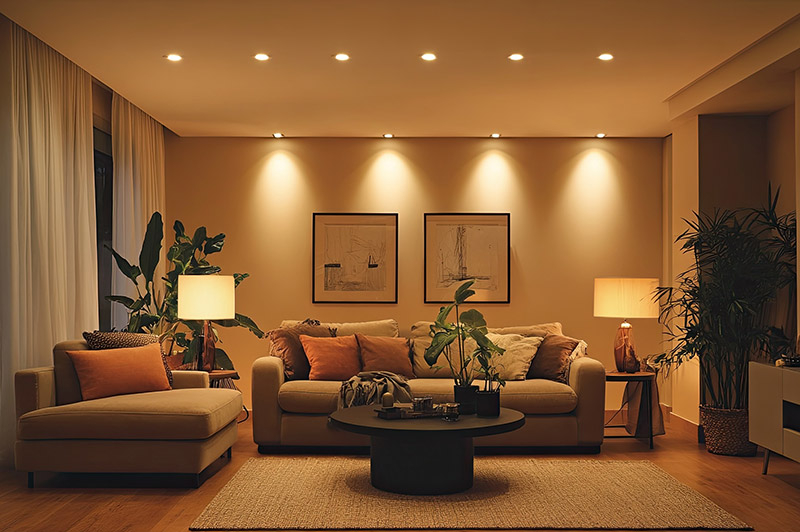
Ever walk into a room and just feel… exhale? You can’t quite put your finger on why, but the tension in your shoulders drops. The air feels softer. Chances are, it wasn’t the furniture or the paint color doing the heavy lifting. It was the light. Or rather, the lack of harsh, glaring light. We’ve spent decades treating illumination like a utility—flip a switch, flood the space, get on with it. But that’s old news. In 2026, lighting isn’t about seeing; it’s about feeling.
It’s strange, isn’t it? We obsess over thread counts and sofa fabrics, yet we let cheap, blue-heavy bulbs dictate our mood. That’s changing fast. This year, the focus has shifted entirely toward "mood-driven" design. It’s not just about aesthetics anymore; it’s about creating a psychological safe haven. Whether you’re in a cramped city apartment or a sprawling suburban home, the way you layer light defines the emotional temperature of your space. And honestly? It’s easier than you think to get it right.
The Warmth Revolution: Why Color Temperature Matters More Than Ever
Let’s talk numbers for a second, but keep it simple. You’ve probably seen those Kelvin (K) ratings on light bulb boxes. For years, we were sold on "daylight" bulbs—those crisp, clinical 5000K+ lights that make your kitchen look like an operating room. Great for surgery, terrible for relaxing. In 2026, there is a massive, collective pivot back to warmth. We’re talking 2700K to 3000K as the sweet spot for living spaces. This range mimics the golden hour of sunset, triggering our brains to produce melatonin and chill out.
But it’s not just about picking a warm bulb. It’s about consistency. One of the biggest mistakes people make is mixing color temperatures. You’ll have a cool white ceiling light clashing with a warm yellow floor lamp, and the result is visual chaos. Your eyes don’t know where to rest. The trend this year is "monochromatic warmth." Stick to one temperature zone per room. If you want depth, vary the intensity, not the hue. Think of it like a campfire versus a fluorescent office. Which one makes you want to sit down and stay awhile?
This shift is also driven by health awareness. We know now that blue light disrupts sleep cycles and increases anxiety. By filtering out those harsh spectrums in the evening, you’re literally designing a healthier life. It’s subtle, sure. You won’t notice it immediately. But after a week of coming home to soft, amber glows instead of stark white beams, you’ll feel the difference in your nervous system. It’s comfort, engineered.
Sculptural Softness: Fixtures as Art, Not Just Tools
Gone are the days of generic recessed cans dominating every ceiling. While they still have their place, 2026 is all about fixtures that hold their own as art pieces when they’re turned off. We’re seeing a surge in "sculptural lighting"—fixtures with organic, flowing lines that mimic nature. Think curved ceramic pendants, blown glass orbs with imperfect bubbles, or woven rattan shades that cast intricate shadow patterns on the walls. The form is just as important as the function.
Why does this matter for serenity? Because sharp angles create subconscious tension. Hard edges feel aggressive. Soft curves feel welcoming. When you choose a light fixture with rounded, biomorphic shapes, you’re signaling safety to your primal brain. It’s the same reason we prefer rounded corners on tables in high-traffic areas. The light itself becomes a focal point that draws the eye gently, rather than demanding attention. It’s quiet luxury.
Materials play a huge role here too. We’re moving away from polished chrome and shiny brass, which can feel cold and reflective. Instead, designers are reaching for muted metals like brushed nickel, aged bronze, or even matte black. These finishes absorb light rather than bouncing it around, reducing glare. Pair that with natural elements like wood accents or stone bases, and you ground the space. It connects the indoors with the outdoors, bringing a bit of that forest calm into your living room.
The Invisible Layer: Mastering Indirect and Hidden Light
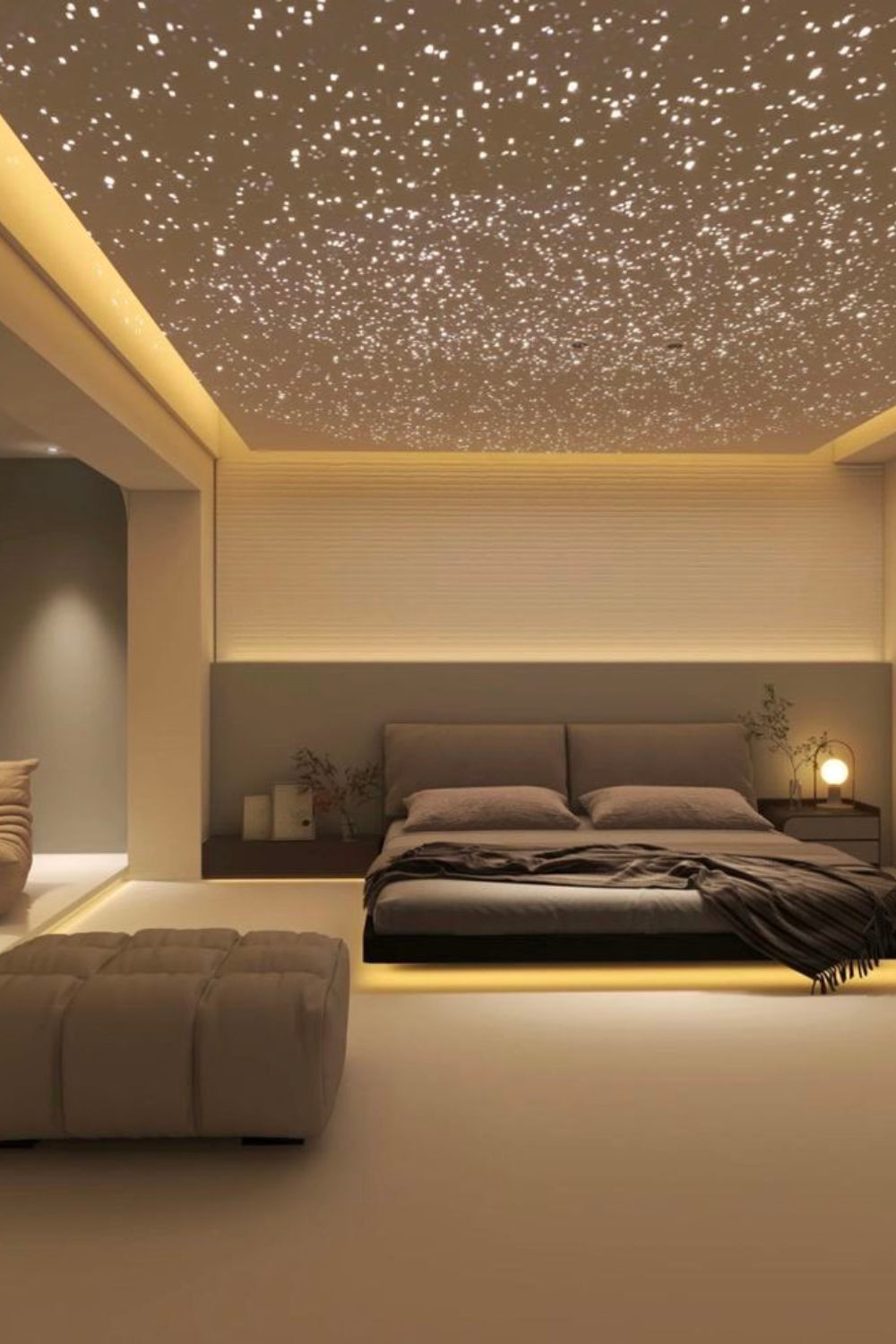
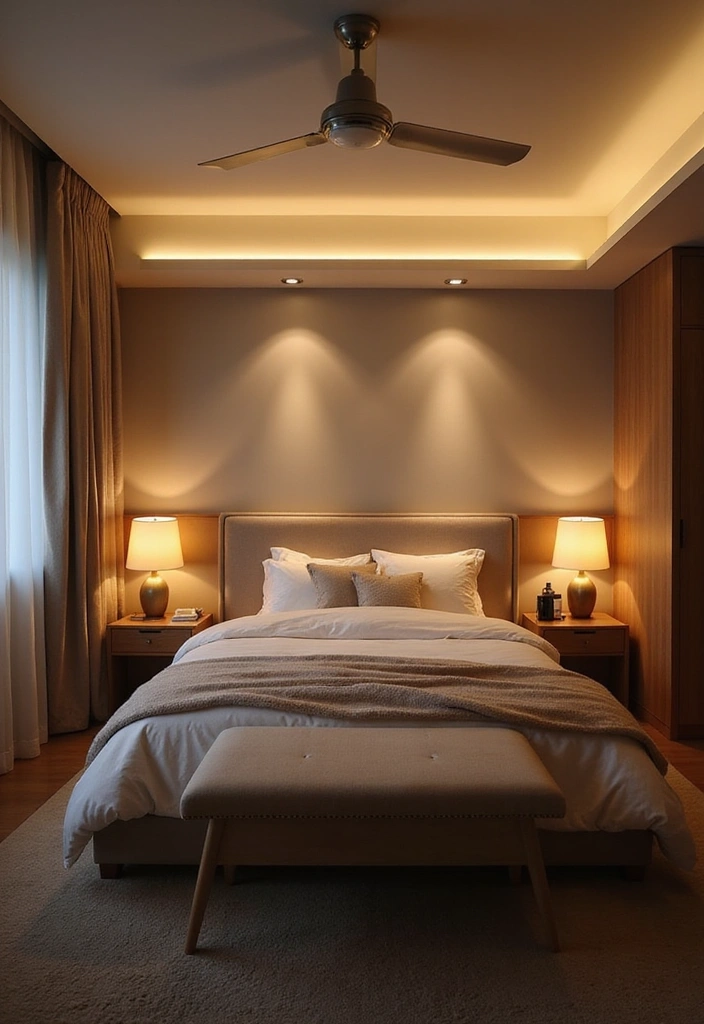
If you want a room to feel expensive and calm, hide the source. Seriously. The most sophisticated lighting designs in 2026 rely heavily on indirect illumination. This means bouncing light off walls, ceilings, or floors so that you never see the actual bulb. It eliminates shadows and creates a uniform, ethereal glow that seems to come from everywhere and nowhere at once. It’s the difference between being spotlighted and being bathed in light.
LED strip technology has gotten incredibly good at this. We’re no longer talking about those cheesy, pixelated strips you might remember from a decade ago. Today’s linear LEDs are seamless, dimmable, and can be tucked into coves, behind headboards, or under kitchen cabinets with invisible diffusers. The goal is to wash a textured wall with light to highlight its depth, or to create a floating effect for furniture. When you lift a sofa off the floor with a subtle under-glow, the whole room feels lighter, airier.
This technique is especially powerful in small spaces. Apartments often feel cramped because overhead lights create dark corners that shrink the perceived size of the room. By pushing light into the perimeter—up into the corners and along the baseboards—you expand the visual boundaries. It’s a trick magicians use, but for interior design. The result is a space that breathes. You don’t see the mechanics; you just feel the ambiance. It’s clean, uncluttered, and deeply relaxing.
Smart Circadian Rhythms: Lighting That Lives With You
Technology often gets a bad rap for making life complicated, but in lighting, it’s becoming invisible and intuitive. The big trend for 2026 isn’t just "smart lights" you control with an app; it’s "circadian lighting" that adjusts automatically. Imagine your lights starting bright and cool in the morning to help you wake up, then gradually shifting warmer and dimmer as the sun sets, without you touching a thing. It’s syncing your home with the natural world.
This isn’t sci-fi anymore. It’s accessible. Systems now use AI to learn your schedule and preferences. They know that at 7 PM, you’re usually reading, so they provide a focused, warm pool of light. At 10 PM, they dim to a night-light level to guide you to bed without shocking your system. The key here is automation. You shouldn’t have to fiddle with your phone to set the mood. The environment should adapt to you. This reduces decision fatigue. One less thing to manage.
However, there’s a caveat. Don’t let the tech overwhelm the human element. The best setups allow for manual override. Sometimes you just want to blast the lights for a party or keep them low for a movie. Flexibility is crucial. Look for systems that offer "scenes" rather than just on/off switches. A "Dinner" scene, a "Relax" scene, a "Focus" scene. Pre-programmed moods that take the guesswork out of setting the atmosphere. It’s about empowering you to curate your experience effortlessly.
Texture and Shadow: Playing with Light and Material
Light doesn’t exist in a vacuum; it interacts with everything it touches. In 2026, designers are paying close attention to how light plays with texture. A smooth, glossy wall reflects light sharply, which can feel sterile. A textured plaster wall, a woven tapestry, or a rough-hewn wood beam absorbs and scatters light, creating micro-shadows that add richness and depth. This interplay is what makes a room feel cozy rather than flat.
Think about your window treatments, too. Sheer linen curtains are having a major moment. They filter harsh daylight into a soft, diffused glow that changes throughout the day. It’s like having a giant natural softbox in your window. The light moves slowly across the floor, marking time in a gentle way. This connection to the passage of time is grounding. It reminds us to slow down. You can almost watch the dust motes dancing in the beams. It’s poetic, really.
Don’t forget the power of plants in this equation. Leaves create dynamic, dappled shadows when lit from below or behind. Placing a simple uplight behind a large fiddle leaf fig or a monstera turns a houseplant into a living sculpture. The shadows shift with the breeze, adding movement to a static room. It’s alive. This biophilic approach—bringing nature indoors through light and plant life—is a cornerstone of serene design. It breaks up the monotony of straight lines and solid colors.
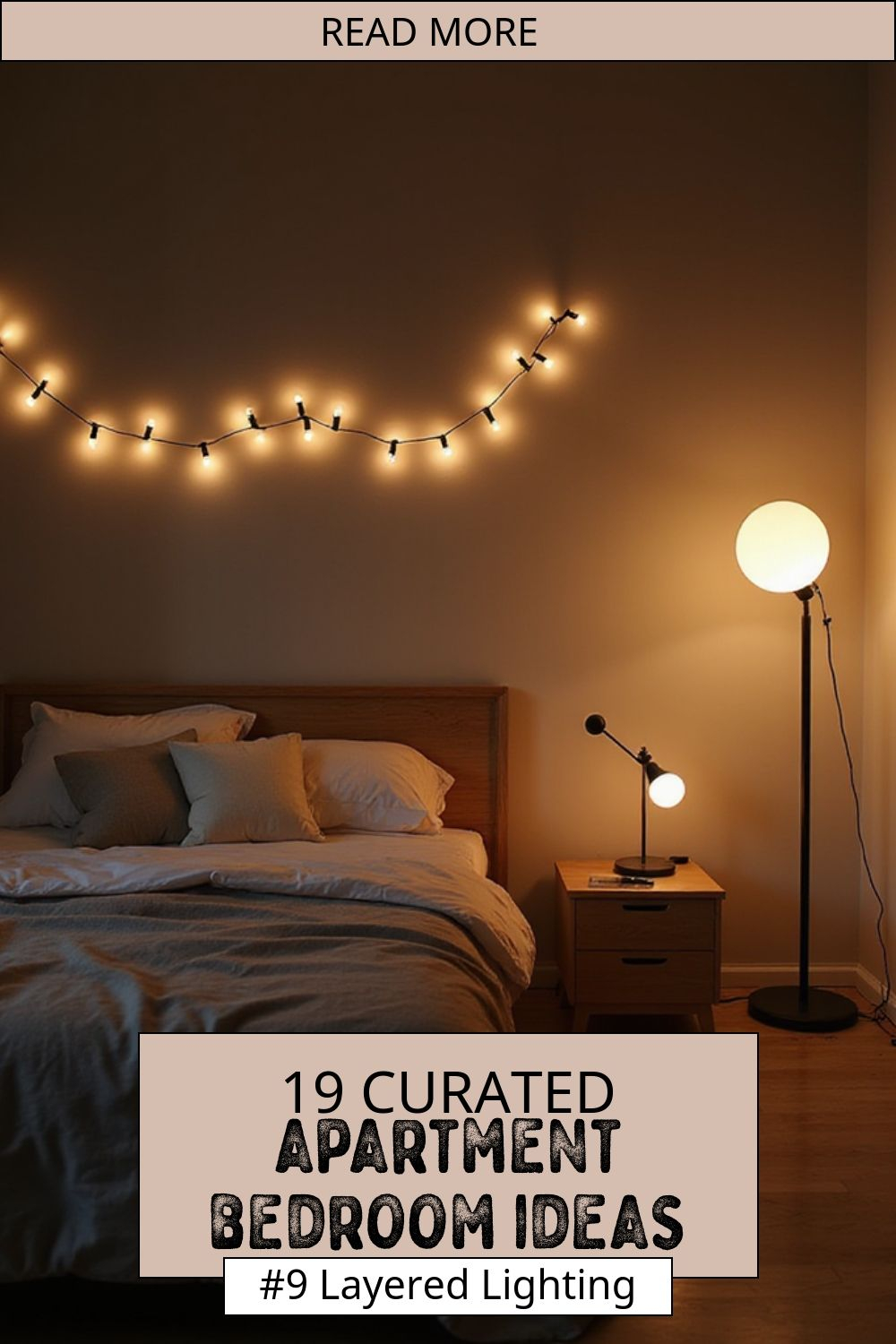
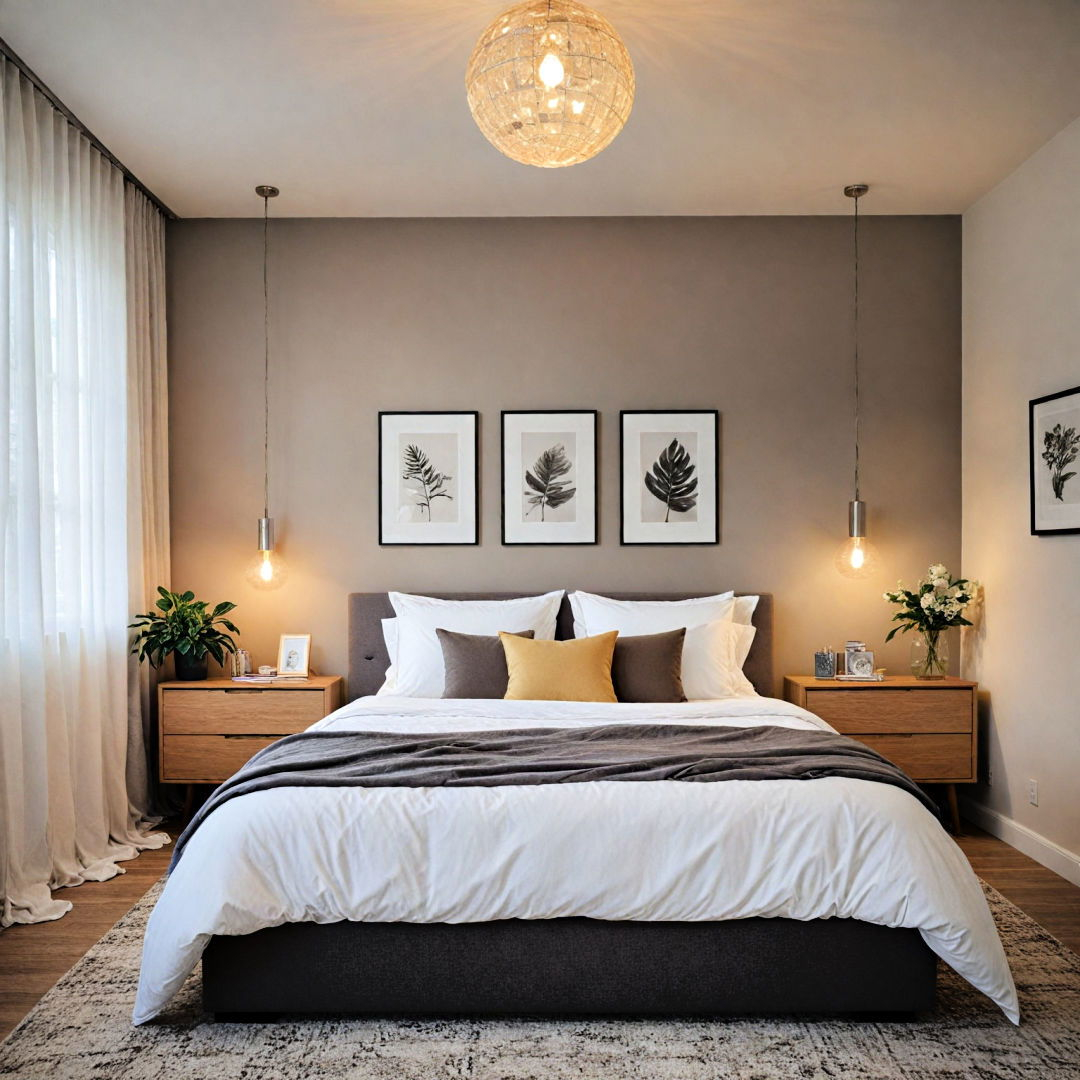
Finally, the secret sauce of any great lighting plan is layering. Never rely on a single source. A room with only one overhead light is like a stage with only one spotlight—it’s dramatic, but exhausting. To create serenity, you need three layers: ambient (the general glow), task (focused light for activities), and accent (highlighting features). But in 2026, we’re taking this further by creating "zones of intimacy."
In an open-plan living area, use lighting to define separate moods without walls. A pendant low over a dining table creates a cocoon for conversation. A floor lamp next to an armchair creates a nook for reading. Strip lighting under a shelf highlights a collection. Each zone has its own intensity and purpose. This allows multiple people to use the same space for different activities without conflicting. One person can read in a bright pool of light while another relaxes in the dimmer background glow.
This approach also makes a large room feel manageable. By keeping the overall ambient light low and using localized pools of brighter light, you draw people together. It encourages connection. You’re not shouting across a brightly lit cavern; you’re leaning in to hear someone in a softly lit circle. It’s social design. It fosters closeness. And when you’re done, you can dim it all down to a whisper, leaving just enough light to navigate safely. It’s respectful of your energy levels.
So, where do you start? You don’t need to rip out your wiring or buy a new house. Start small. Swap out those cool white bulbs for warm ones. Add a dimmer switch—it’s the cheapest upgrade with the biggest impact. Plug in a floor lamp with a fabric shade to soften a corner. Pay attention to how the light makes you feel at different times of day. Adjust. Tweak. Listen to your space.
Designing a serene mood isn’t about perfection. It’s about intention. It’s about recognizing that light is a material, just like wood or stone, and it shapes our reality. In 2026, we’re finally learning to wield it with care. We’re moving away from brightness for brightness’ sake and toward illumination that nurtures. So tonight, when you walk through your door, take a look around. Is the light welcoming you? Or is it interrogating you? Make the change. Your nerves will thank you.