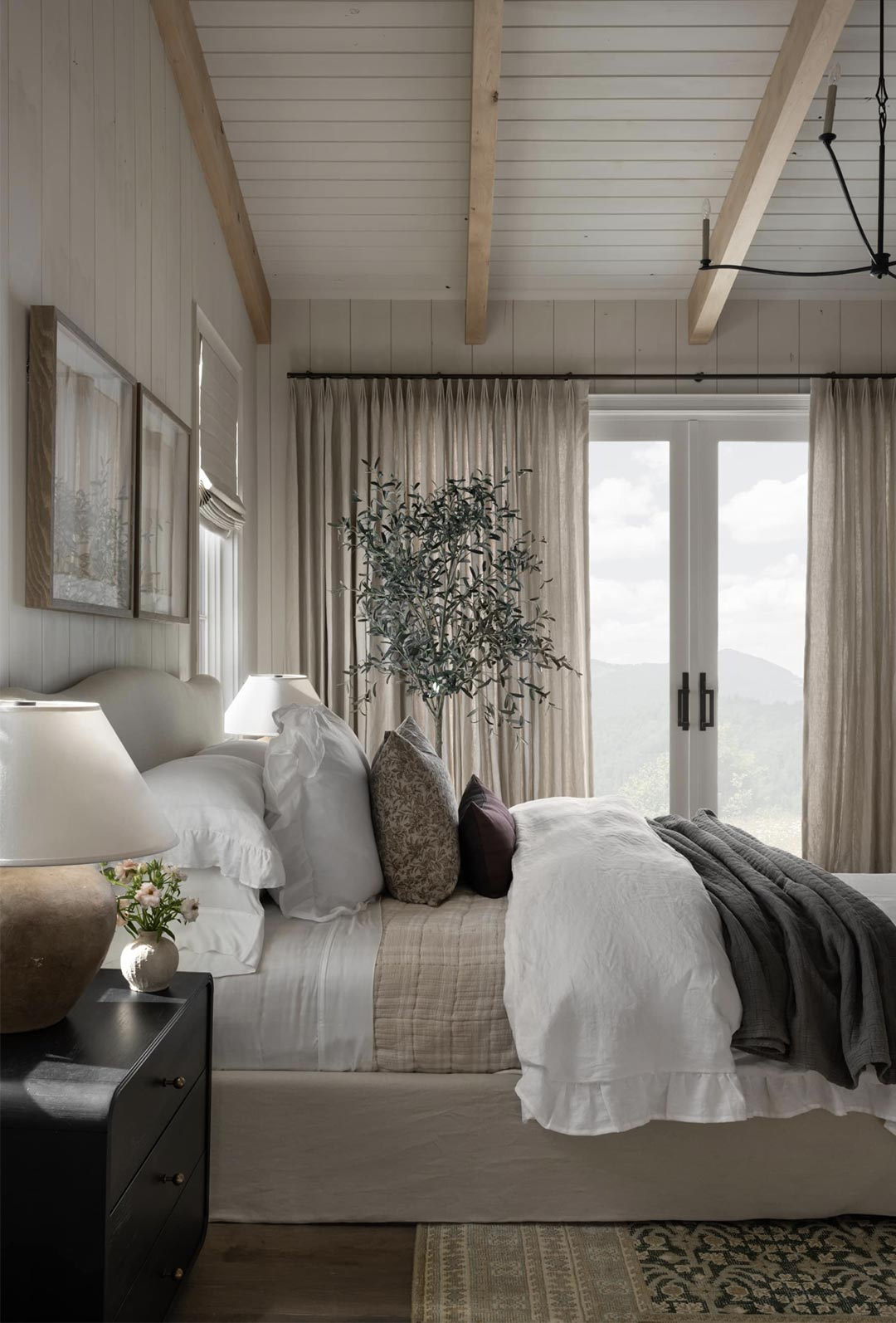
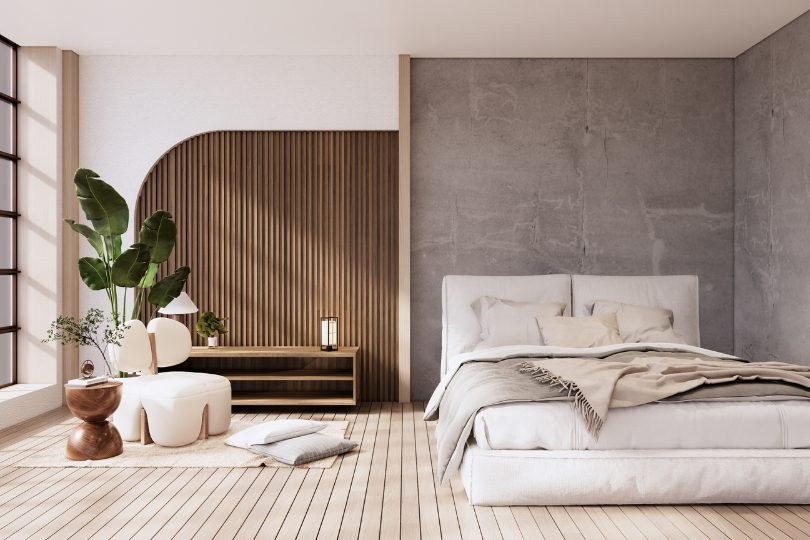
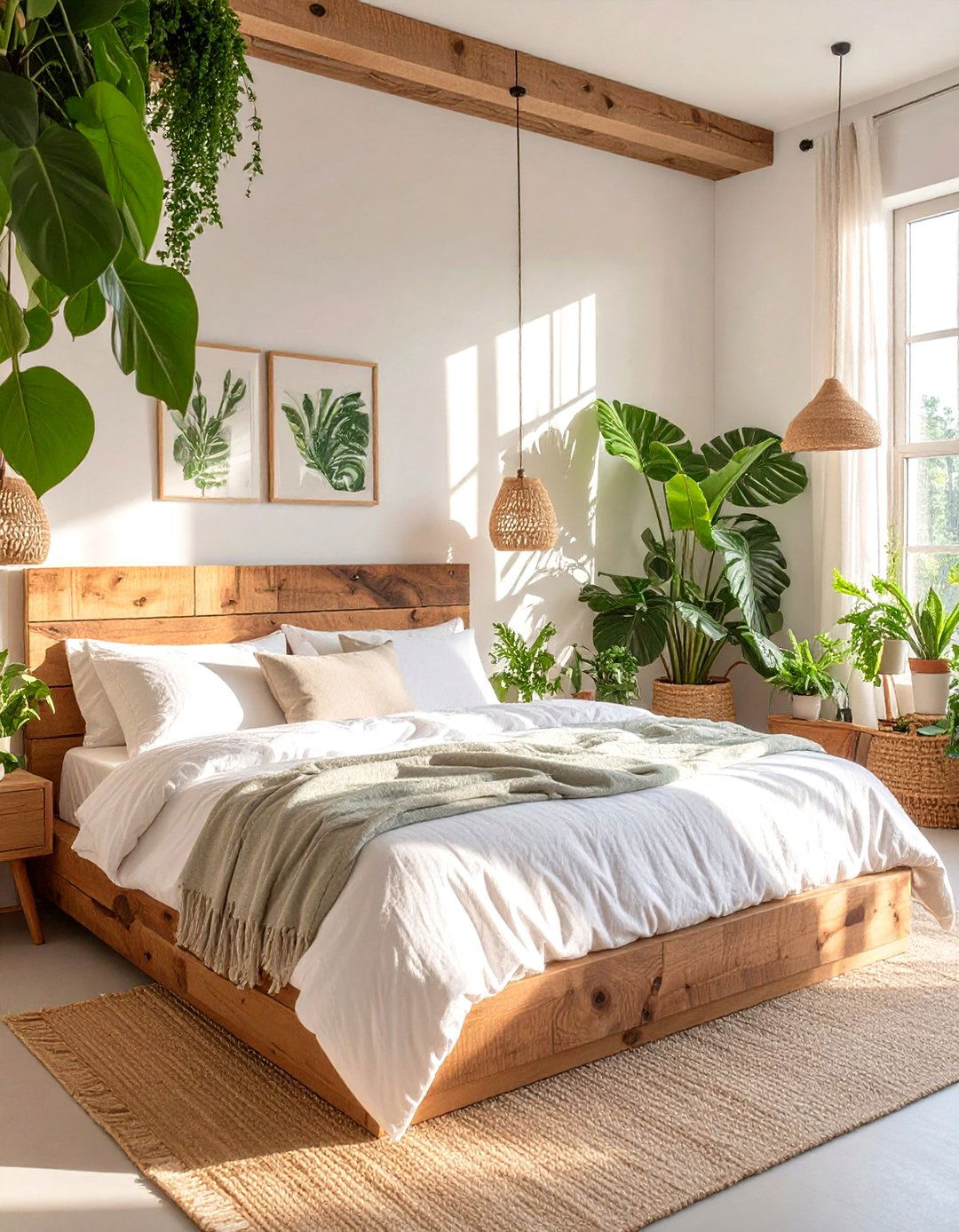
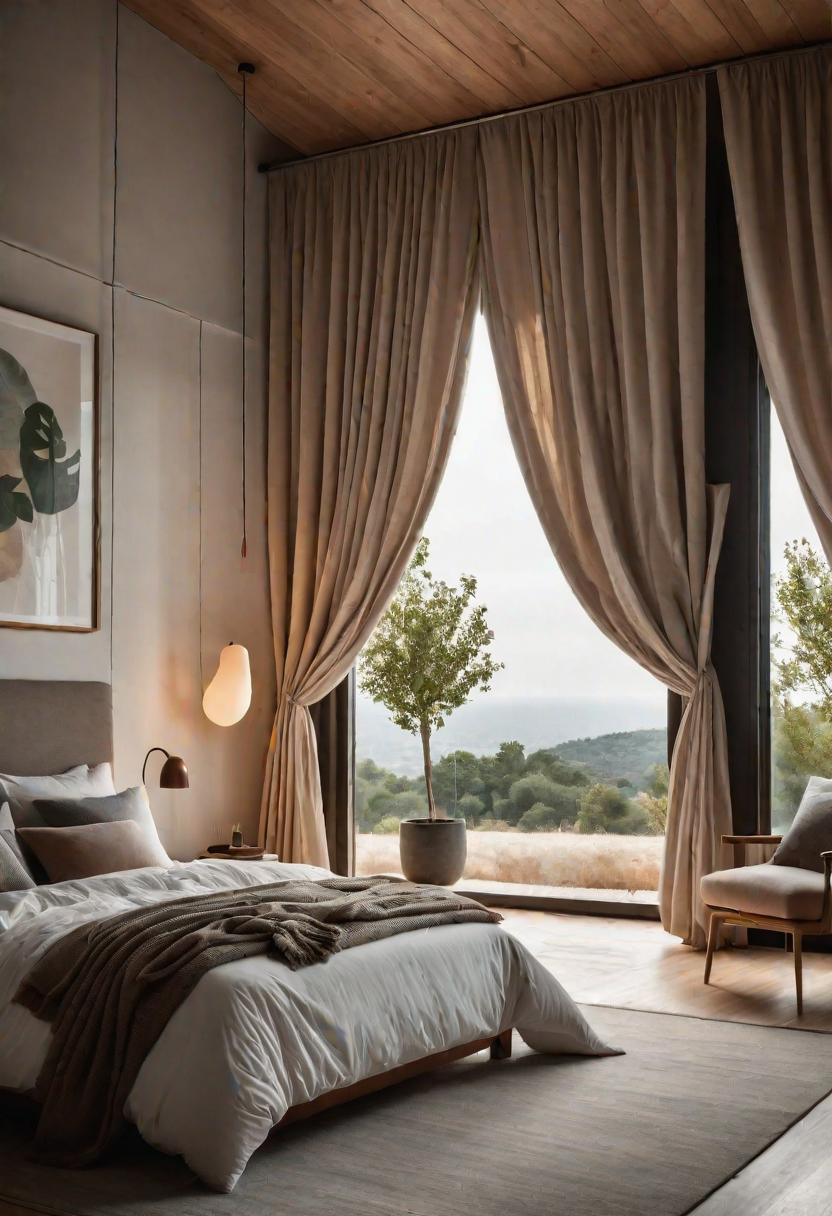
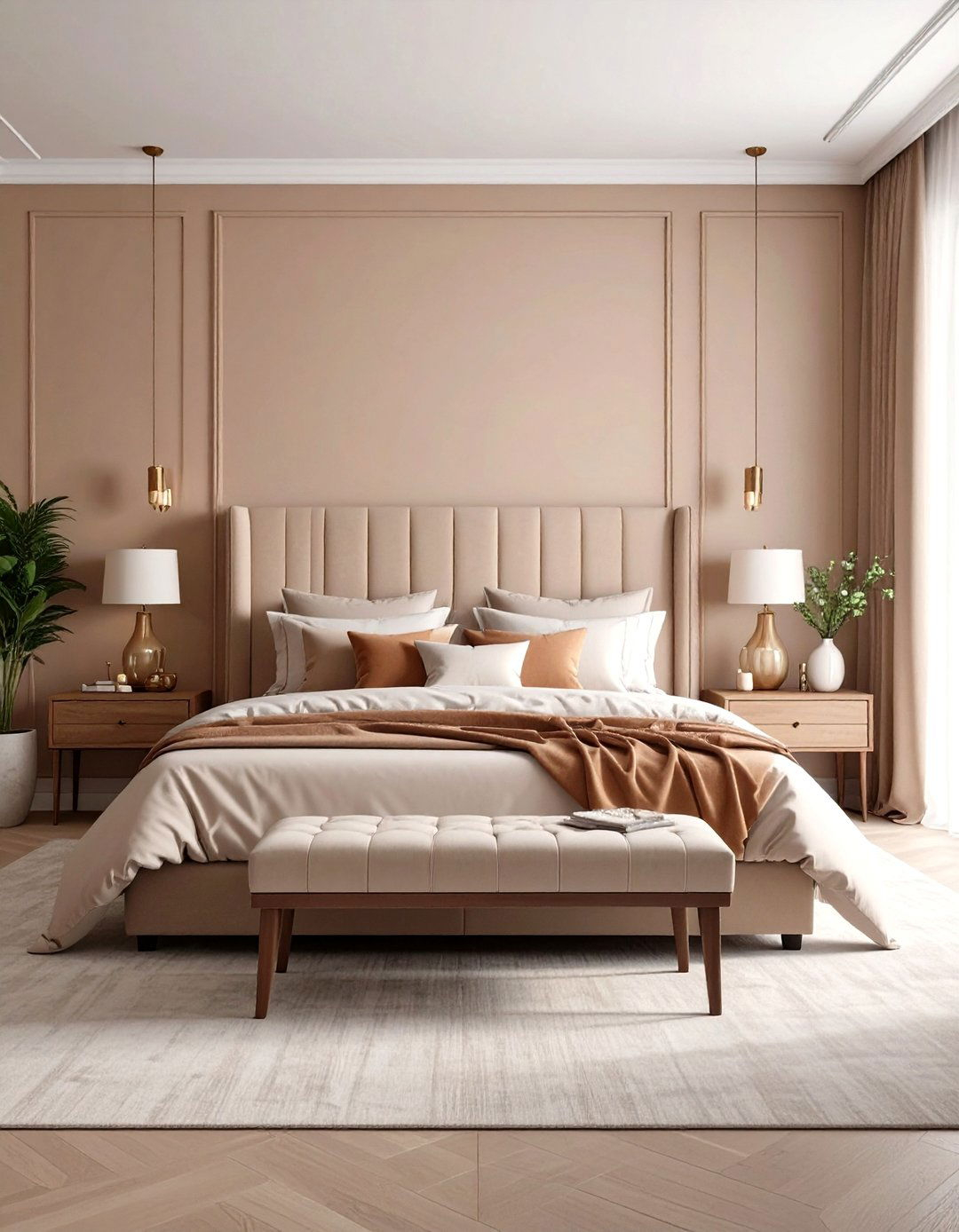
The alarm goes off at 6:30 AM, but instead of the jarring, synthetic chime that used to trigger an immediate spike in cortisol, a soft amber light slowly fills the room. You wake up not to the cold geometry of flat-pack laminate furniture and clinical white walls, but to the quiet weight of a heavy linen duvet, the subtle grain of raw white oak underfoot, and a wall washed in a muted, earthy terracotta that feels like morning sunlight caught in stone.
For the past decade, residential design chased an aesthetic of frictionless perfection. We built bedrooms that looked like boutique hotel suites—sterile, glossy, and entirely devoid of personal narrative. But as the boundary between our digital obligations and physical rest zones dissolved entirely, our homes began to echo our collective exhaustion. We stopped wanting spaces that looked impressive in a thumbnail and started craving rooms that could actively lower our heart rates.
The contemporary design philosophy has fundamentally pivoted. We are no longer asking how a bedroom looks, but rather how it holds us. This shift away from fast furniture and high-gloss synthetics toward intentional environments is not merely an aesthetic preference; it is a neurological necessity. By marrying restorative color psychology with tactile, unadulterated natural materials, interior designers and homeowners alike are transforming the bedroom from a simple storage box for a mattress into a biological sanctuary designed for deep recovery.
The Psychology of Rest: Why Earthy Tones and Muted Palettes Dominate Modern Sanctuaries
Color is never neutral. Every hue bouncing off a bedroom wall engages with our autonomic nervous system long before conscious thought kicks in. For years, the default prescription for rest was cool gray or stark white—shades chosen out of an instinct for cleanliness and expansive brightness. Yet, these pigments often create an optical chill, rendering spaces stark and alienating rather than inviting. The design landscape has course-corrected dramatically, embracing warm, grounding palettes that mirror the organic world.
Pigments derived from mineral and botanical sources—such as terracotta, muted ochre, sage green, and soft taupe—are taking center stage because they anchor us. When you paint a room in a desaturated, earthy green or a dusty clay, you are tapping into biophilic design principles. These colors bypass the visual fatigue caused by screens and artificial lighting. They echo the forest floor, sun-baked earth, and weathered stone, signaling to the human brain that it is safe to drop its guard.
Depth and texture within color application have also evolved. Flat, petrochemical-based acrylic paints are being phased out in favor of lime wash, mineral paints, and tadelakt plasters. These mediums create microscopic variations across the surface of a wall, catching shifting daylight in a way that feels alive rather than static. A wall treated with mineral plaster breathes, absorbing light and humidity while offering a soft, chalky matte finish that begs to be touched. This interplay between color and physical texture sets the psychological tone for the entire room, creating a cocoon-like atmosphere that prepares the mind for sleep.
Beyond the Surface: The Resurgence of Unprocessed Natural Materials
To step into a truly restorative bedroom is to experience an absence of artifice. The materials shaping modern design are those with a legible history—substances that carry the marks of their origin and improve with age rather than degrading into obsolescence. The era of veneer-wrapped medium-density fiberboard is giving way to a renaissance of solid timber, unlacquered metals, raw stone, and pure plant fibers.
At the center of this material revolution is wood, specifically species celebrated for their grain and tactile warmth, such as ash, walnut, and reclaimed white oak. Rather than hiding the knots, fissures, and natural grain patterns under heavy synthetic varnishes, modern artisans use natural hardwax oils and soap finishes. These treatments protect the wood while allowing it to retain its porous, breathable quality. You can actually smell the subtle, resinous scent of the forest when walking barefoot across a properly finished hardwood floor.
Textiles have undergone an equally rigorous return to authenticity. Synthetic polyester blends, which trap body heat and generate static micro-shocks, are being replaced by 100% Belgian and French flax linens, heavy wools, and raw silks. Linen, in particular, has become the gold standard of modern bedding. Its hollow flax fibers provide exceptional thermoregulation, keeping sleepers cool in the summer and warm in the winter. Crucially, linen refuses perfection. Its natural wrinkles and lived-in drape reject the exhausting upkeep of hotel-corner crispness, inviting a sense of relaxed, everyday comfort.
Blueprint for Balance: A Step-by-Step Methodology for Designing Your Rest Space
Creating a bedroom that balances visual serenity with raw materiality requires discipline. It is easy to accumulate natural elements until a room feels cluttered rather than calm. A systematic approach ensures that every addition serves a distinct purpose in your daily ritual of unwinding.
- Step 1 (Audit the Sensory Environment): Strip the room down to its functional essentials and assess your current sensory inputs. Remove glaring LED clocks, synthetic polyester throws, and high-gloss furniture pieces that bounce erratic reflections. Note where natural light enters the space at different times of the day to inform your color choices.
- Step 2 (Select Your Hero Material): Choose one foundational natural material to anchor the room—such as a solid walnut bed frame, an unpolished travertine bedside table, or a hand-knotted wool area rug. Let this hero piece dictate the textural vocabulary for everything else you introduce.
- Step 3 (Apply Mineral and Earthy Pigments): Paint the walls using a low-VOC mineral or lime-wash formula in a muted tone like soft sage, warm taupe, or terracotta. Ensure the chosen shade complements the undertones of your hero material, creating a seamless, monochromatic, or low-contrast envelope.
- Step 4 (Layer Organic Textiles): Dress the bed using breathable, unbleached natural fibers. Layer a stonewashed linen duvet with a heavy waffle-weave cotton blanket and structured wool throw pillows to introduce tactile depth without visual noise.
- Step 5 (Curate Low-Intensity Lighting): Eliminate overhead glare by installing dimmable wall sconces, ceramic table lamps with fabric shades, and amber bulbs. Position lighting to highlight the organic textures of your walls and furniture rather than illuminating the room uniformly.
Navigating the Traps: Common Missteps in Earthy Bedroom Design and How to Avoid Them
Even with the best intentions, translating nature-inspired design concepts into a domestic space can sometimes lead to unexpected visual and functional failures. Awareness of these common pitfalls ensures your bedroom remains a sanctuary rather than a stressful project.
- Pitfall 1 (Visual Monotony Through Oversaturation): Using too many heavy earth tones can make a bedroom feel subterranean and gloomy rather than cozy. Workaround: Introduce contrasting moments of creamy off-white, raw linen, or brushed nickel hardware to bounce soft light around the room and maintain spatial equilibrium.
- Pitfall 2 (Treating Natural Materials as Maintenance-Free): Unlacquered wood, untreated stone, and pure linen require a shift in mindset; they stain, patina, and show age. Workaround: Embrace the patina as a record of living. Use coasters, wool pads, and gentle, pH-neutral soaps to care for surfaces without stripping away their organic character.
- Pitfall 3 (Ignoring the Acoustic Environment): Hardwood floors, lime-washed walls, and minimalist spaces can create an echoey acoustic nightmare that disrupts sleep. Workaround: Soften the room’s soundscape by layering thick wool area rugs, heavy linen drapery, and upholstered headboards that absorb ambient noise.
- Pitfall 4 (Cluttering the Biophilic Narrative): Treating nature as a checklist by buying dozens of house plants and rustic accessories can turn a bedroom into a greenhouse. Workaround: Exercise restraint. Let one sculptural branch in a ceramic vase or a single potted olive tree suffice as your living botanical accent.
- Pitfall 5 (Overlooking the Hidden Chemistry): Purchasing furniture marketed as "wood" that actually contains formaldehyde-emitting glues and synthetic veneers under a thin skin. Workaround: Scrutinize manufacturer specifications for solid wood construction, zero-VOC finishes, and OEKO-TEX or GOTS certifications for all textiles entering the sleep zone.
The Long-Term Economics and Sustainability of Slow Design
The movement toward thoughtful color palettes and natural materials is more than a fleeting stylistic wave; it is a structural rejection of the disposable consumer culture that dominated the early twenty-first century. Fast furniture—built from composite woods, wrapped in paper veneers, and upholstered in synthetic fabrics—carries a hidden cost. It off-gasses volatile organic compounds (VOCs) into the very air we breathe during our eight hours of nightly vulnerability, and it ends up in landfills within a few short years.
Investing in heirloom-quality natural materials changes this economic equation entirely. While solid timber bed frames, organic wool mattresses, and artisan-woven rugs carry a higher initial price tag, their durability transforms them into generational investments. A white oak bed frame can be sanded and refinished multiple times over decades; a pure linen duvet grows softer and more lustrous with every wash.
Furthermore, the environmental footprint of these materials aligns with ecological preservation. Responsibly harvested timber, organic flax cultivation that requires minimal irrigation, and mineral-based paints that do not leach petrochemicals into municipal water supplies represent a closed-loop philosophy. When our bedrooms are built from materials that return harmlessly to the earth, our private spaces become aligned with the health of the broader ecosystem. We sleep better not just because our rooms look calm, but because we possess the quiet assurance that our choices haven’t compromised the planet’s future.
Principles for Cultivating an Enduring, Restorative Sanctuary
Designing a bedroom that stands the test of time requires stripping away the urge to follow every micro-trend that flickers across social media feeds. True sanctuary design is rooted in permanence, subtraction, and intentionality.
- Prioritize Touch Over Sight: Always test how a material feels against your skin before introducing it to the bedroom. If it feels synthetic, cold, or abrasive, it has no business near a bed.
- Commit to a Restrained Palette: Limit your primary color scheme to two or three related earth tones, using texture rather than color shifts to create visual interest.
- Honor the Passage of Time: Allow your furniture, walls, and textiles to record your life. A water ring on a wooden nightstand or a softened crease in a linen sheet is proof of a well-lived, comforting home.
The bedroom is the final frontier of personal agency in an increasingly automated and hyper-connected world. When we shut the door on the noise of the outside day, the room we step into should act as an exhale. By swapping synthetic plastics and blinding blue-white lights for raw timber, breathable flax, and the grounding warmth of mineral-based earth tones, we reclaim our capacity for deep, restorative rest.
This design evolution invites us to slow down, to touch our surroundings, and to remember that our homes are not showrooms meant for external applause. They are biological incubators for our well-being. As we continue to refine our living spaces in the years ahead, the most luxurious bedroom will no longer be defined by how much it costs, but by how completely it allows us to return to ourselves.