Ever stepped into a tiny bedroom and felt instantly claustrophobic. It is a common problem. We want our bedrooms to be a peaceful escape from a chaotic world, but often they just end up feeling like cluttered storage closets. When you are dealing with limited square footage, creating a sense of calm feels almost impossible.
But here is the secret: top interior designers don’t look at a small space as a limitation. They see it as an opportunity to create a cozy, intentional nest. By shifting how we view our floor plans, any cramped room can become a soothing haven where stress just melts away.
The Power of a Quiet Palette
Color has a massive impact on our brains, and designers know this well. In small rooms, the goal is to make the walls feel like they are gently receding. Instead of stark, cold whites which can sometimes feel clinical, experts are turning to soft neutrals with warm undertones. Think delicate creams, muted sages, and soft, misty grays.
These shades reflect light beautifully and don’t shout for attention. When your eyes can move around a room without bumping into loud, contrasting colors, your nervous system automatically starts to relax. It creates a visual continuity that makes the entire boundary of the room feel wider than it actually is.
Smart Furniture Floating Techniques
One of the biggest mistakes people make in tiny rooms is pushing every single piece of furniture flat against the walls. It seems logical, right. You think you are saving floor space. But designers actually do the opposite to create breathing room.
Leaving just a few inches of space between your bed or nightstand and the wall creates an illusion of airiness. Floating shelves instead of bulky bedside tables keep the floor clear, which instantly tricks the brain into thinking the room is larger. When you can see more floor, the room feels less crowded.
Mastering the Art of Hidden Storage
You cannot have a calm sanctuary if you are constantly staring at piles of laundry, tangled cords, and random clutter. Visual noise prevents deep relaxation. That is why high-end designers place so much focus on clever, invisible storage solutions.
Utilizing the vertical space under the bed with custom deep drawers is a classic move. Another trick is running built-in wardrobes all the way to the ceiling and painting them the exact same color as the walls. This camouflages the heavy furniture and provides tons of space to tuck away your daily items out of sight.
Lighting that Softens the Edges
Harsh overhead lighting is the ultimate enemy of a peaceful vibe. To build a true sanctuary, you need to layer your light sources. Designers rely heavily on sconces and dimmable bedside lamps rather than a single bright ceiling fixture.
Positioning lights at different heights creates soft shadows and a warm glow that makes the room feel incredibly intimate and cozy. Using frosted bulbs or linen shades diffuses the light gently, preventing any glaring bright spots that might keep your brain alert when you are trying to wind down.
Choosing Textiles that Comfort the Senses
When a room is small, you interact with every surface much more closely. That means the textures you choose carry a lot of weight. Top designers skip synthetic, shiny fabrics and opt for natural, tactile materials that feel amazing to touch.
Washed linen sheets, woven cotton blankets, and plush wool rugs add depth without adding visual weight. Layering these soft materials gives the room a rich, lived-in feel. It invites you to slow down and relax, turning the bed into the ultimate focal point of comfort.
Bringing the Outdoors Inside
There is something inherently grounding about nature, and introducing natural elements is a favorite designer trick for small spaces. A small potted plant on a shelf or a simple vase with fresh branches can instantly breathe life into a stuffy room.
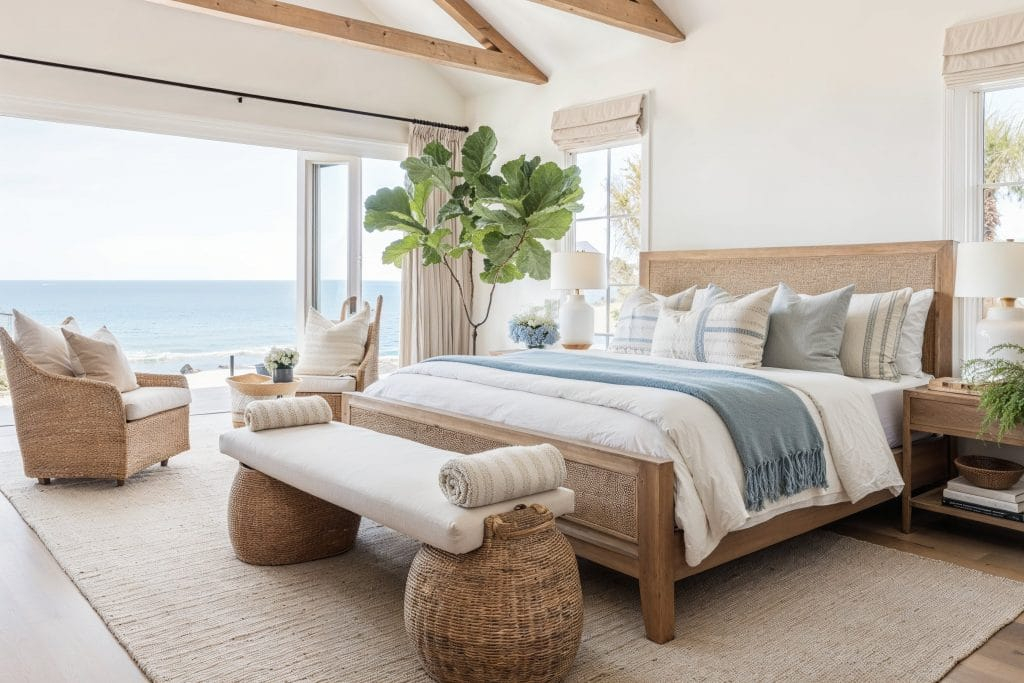
Wood tones also play a huge part here. Incorporating a wooden headboard or a small timber stool adds warmth and a sense of earthiness. These organic touches break up the straight lines of a small room and connect us to the peacefulness of the outside world.
Transforming a small bedroom isn’t just about making it look pretty; it is about changing how it makes you feel. By focusing on soft colors, smart layouts, hidden storage, and comforting textures, you can completely shift the energy of your space.
Your bedroom should be the place where you can finally take a deep breath and let go of the day. With these intentional design choices, even the smallest room can become your favorite, most peaceful escape.