Ever feel like your cooking area fights you every single time you try to make dinner. You drop a spatula, bump into the open dishwasher, and somehow spend ten minutes searching for the salt that was right in front of you. It gets exhausting.
We have all been there. Walking into a disorganized cooking space in 2026 feels like running an obstacle course before you even touch a vegetable. But fixing the chaos does not require a massive renovation or a huge budget. Sometimes, tiny shifts in where things live make all the difference.
The Magic of the Work Triangle
Let us talk about the classic layout rule that everyone forgets. The invisible triangle connecting your sink, stove, and fridge determines everything. If these three points are too far apart, you end up running marathons just to boil pasta.
When I first looked at my setup, my trash can sat on the opposite side of the room from the chopping board. Moving it closer saved my floors from constant drips. Simple spatial adjustments can completely change your daily routine without moving a single wall.
Banish the Counter Clutter
Counters should be workspace, not storage shelves for random mail and small appliances. If your toaster and blender live permanently on the main prep surface, you have nowhere to actually prep food.
Try clearing everything off completely. Put appliances you use once a month away in lower cupboards. Keeping only the absolute essentials out gives your brain instant relief when you walk into the room.
Rethinking Zone Based Storage
Instead of grouping all cups in one spot and all plates in another, think about what you do where. Store your coffee mugs right next to the coffee maker. Keep pots and pans directly beneath the stove.
This functional grouping cuts down on unnecessary steps. You stop thinking about where items belong and simply reach for them naturally while cooking.
The Power of Drawer Organizers
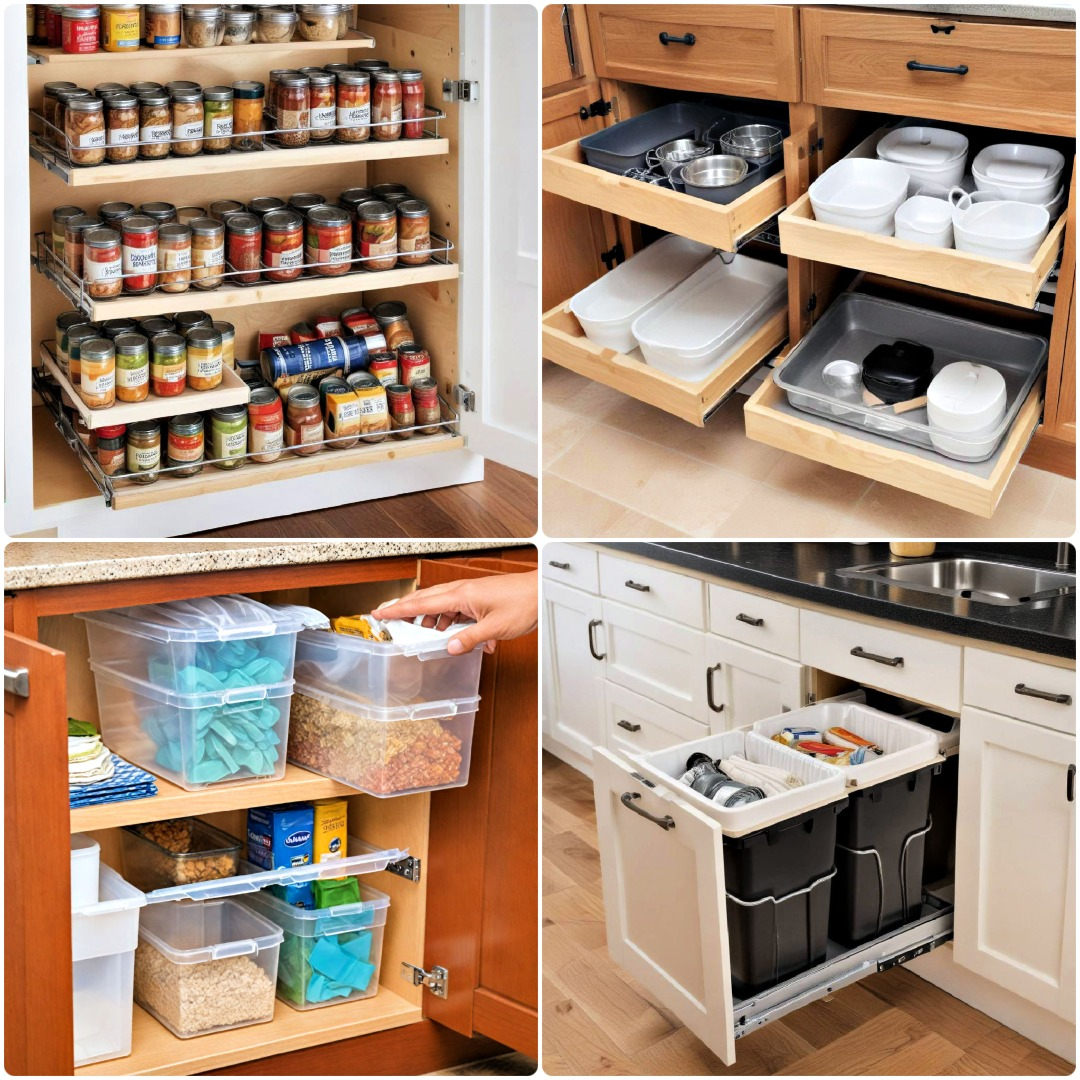
There was a time when opening my junk drawer felt like a hazard. Spoons jammed against whisks, and nothing ever closed smoothly. Adding simple plastic bins changed everything.
Every tool finally got a designated home. When everything has a boundary, clutter stops spreading. You spend zero time hunting for tools when they stay locked in place.
Lighting and Visibility Fixes
Shadows make a cooking space feel smaller and more chaotic than it actually is. Dim corners hide ingredients and make chopping feel risky.
Adding inexpensive stick-on under-cabinet lights brightens up dark work zones. Suddenly, you can actually see what you are cooking, which makes the whole process feel cleaner and more controlled.
The hardest part of any layout shift is making it stick. Habits form slowly, but small visual cues help remind everyone in the house where items live.
Labeling a few bins or leaving a clear drop zone by the door stops clutter from creeping back onto the counters. Consistency matters far more than perfection.
Fixing a chaotic cooking space is less about buying expensive gadgets and more about listening to how you naturally move. Small tweaks to your setup can turn a frustrating room into your favorite place in the house. Take a close look at your daily habits today and make one tiny change.