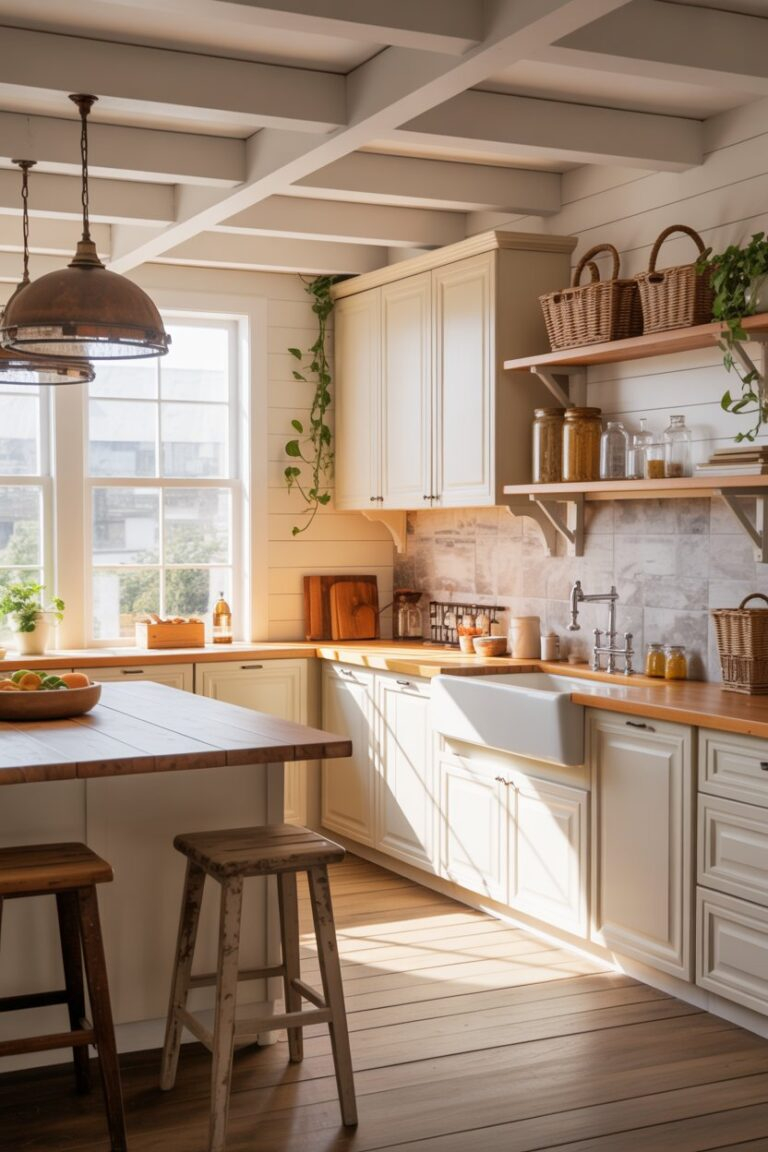
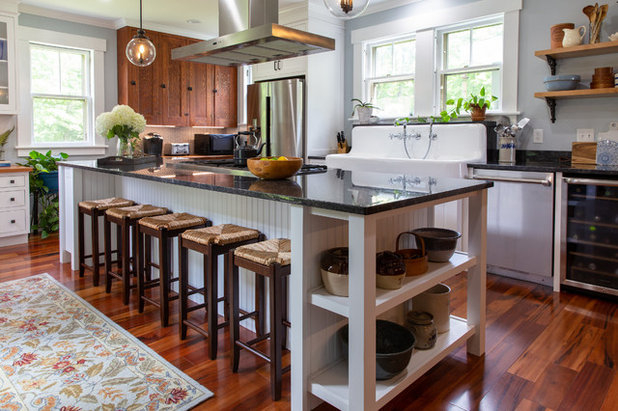
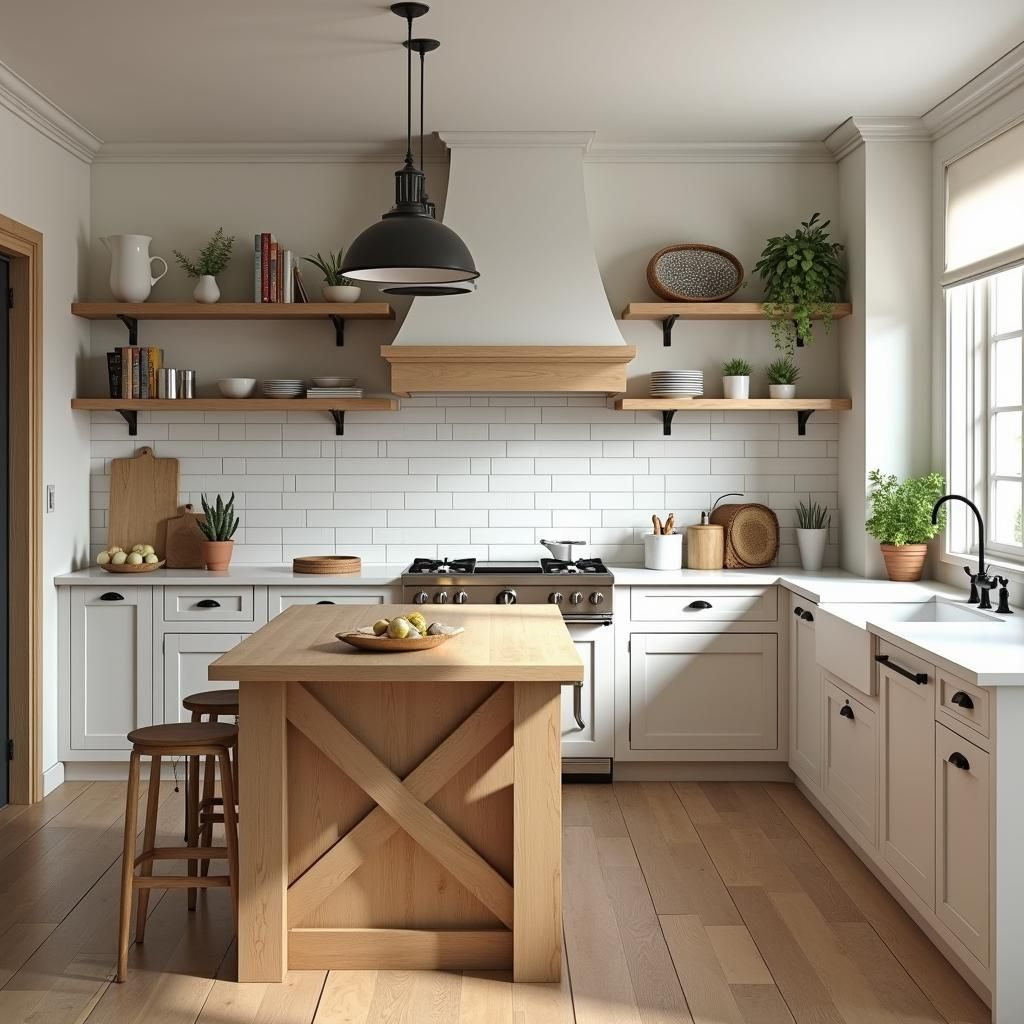
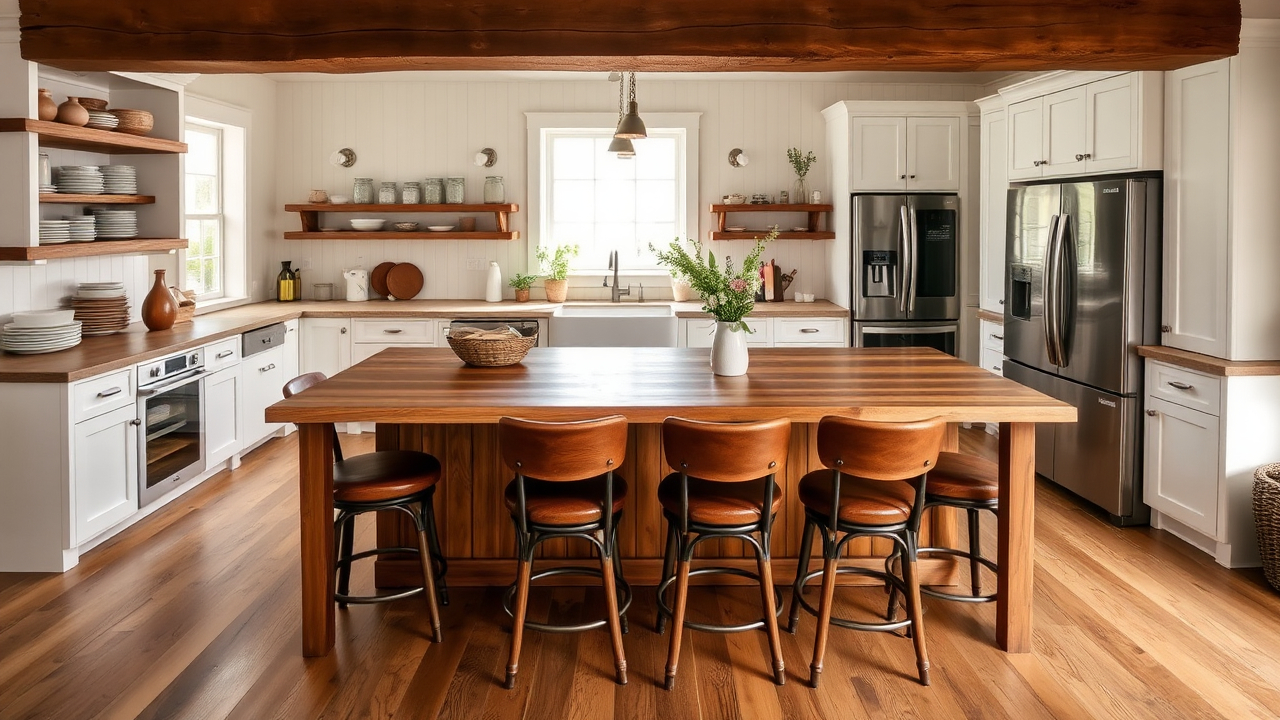
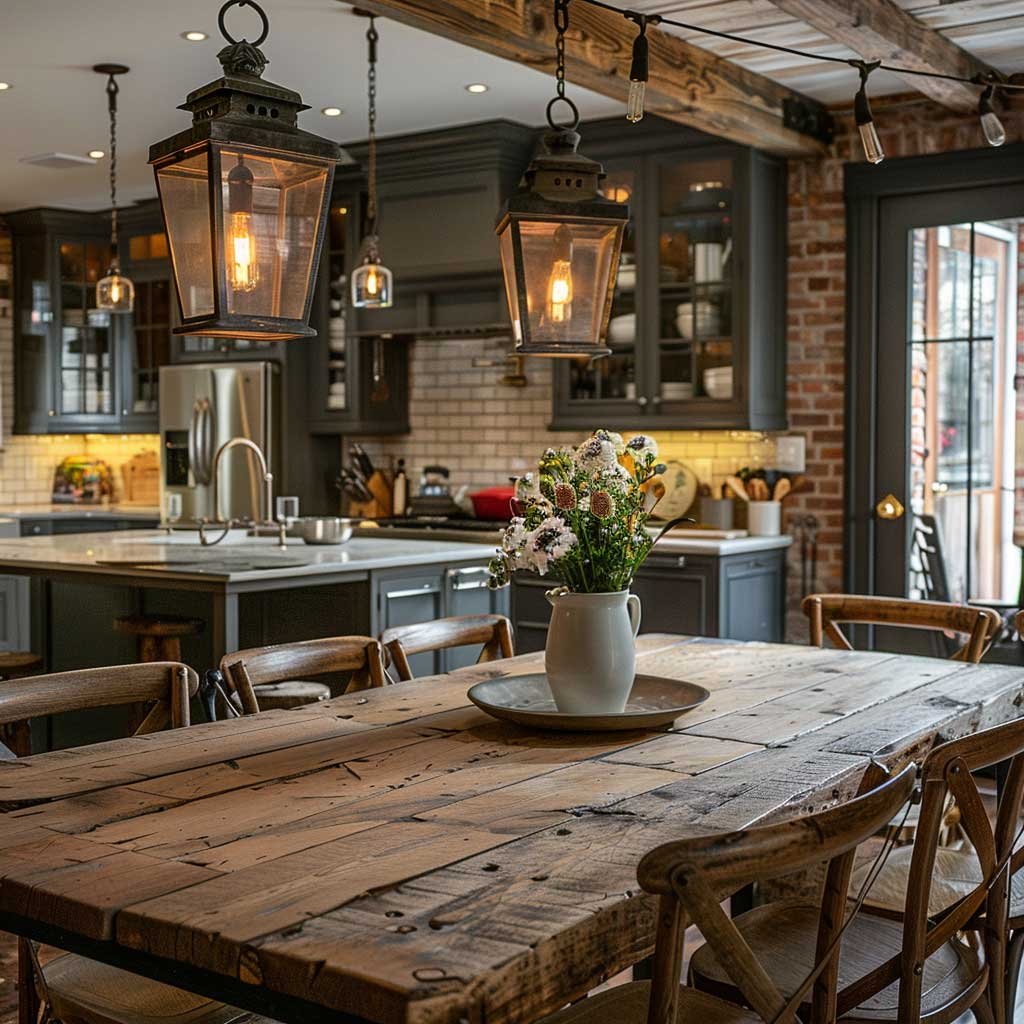
Ever stepped off your back deck after a crisp autumn evening, wrapped in a blanket, feeling that specific kind of calm that only outside air seems to provide? And then you walk inside, and the vibe just… stops. The magic fades the moment the door clicks shut. It’s a strange disconnect, isn’t it? We spend so much time and money curating our outdoor spaces—string lights, plush cushions, fire pits—yet we often treat our interiors as separate entities. But what if the secret to a truly cozy home isn’t about buying new furniture, but rather borrowing the soul of your patio?
In 2026, the line between indoors and out is blurrier than ever. People aren’t just looking for "outdoor-style" decor; they are craving the feeling of being outside while staying warm. It’s about capturing that unpretentious, breathable atmosphere of a well-styled porch and weaving it into your daily living areas. You don’t need a massive renovation. You just need to look at your space through a different lens. Let’s talk about how to bring that golden-hour glow and earthy texture inside, without making your living room look like a garden center exploded.
Lighting That Breathes
The biggest mistake people make when trying to replicate outdoor warmth indoors is relying on overhead cans or harsh ceiling fixtures. Outside, light is rarely direct. It bounces. It glows. Think about how your patio feels at night. It’s likely lit by string lights draped across a pergola, lanterns sitting on side tables, or the flicker of a flame. That soft, diffused illumination is what creates intimacy. Inside, we tend to over-light everything, killing the mood before it even starts.
Start by turning off your main lights. Seriously. Just try it for an evening. Replace that harsh overhead glare with floor lamps that have linen or paper shades, which soften the beam. Use table lamps with warm-toned bulbs (think 2700K or lower) placed at eye level when seated. This mimics the way lanterns sit on a patio table. If you have a dark corner, don’t leave it empty. Place a small, battery-operated LED candle cluster there. The goal is to create pools of light rather than flooding the room. It tricks the brain into relaxing, just like sitting under a starry sky does.
Also, consider the placement. On a porch, lights are often hung low or placed on surfaces. Bring that logic inside. Plug-in sconces can be mounted without wiring, giving you that wall-wash effect that feels architectural yet cozy. Or, drape fairy lights behind a heavy curtain or along a bookshelf. It’s subtle, but it adds that twinkle we love from our outdoor string lights. The key is layering. Never rely on a single source. Let the shadows dance a bit. Imperfection is part of the charm.
Textures That Tell a Story
Step onto a well-designed patio, and what do you feel underfoot? Maybe a jute rug, smooth stone, or weathered wood. Now look at your living room floor. Is it cold hardwood? Sterile tile? To bring the outdoors in, you need to introduce materials that have history and texture. Synthetic fabrics and sleek plastics feel cold because they lack narrative. Natural fibers, even if they are durable indoor-outdoor blends, carry a tactile warmth that synthetic counterparts miss.
Layering rugs is a game-changer here. Take a large, neutral sisal or jute rug as your base. Then, throw a smaller, patterned wool or cotton rug on top. This not only adds visual interest but also physical warmth. It mimics the layered look of outdoor mats and runners. Don’t be afraid of mixing patterns. A geometric outdoor-style pillow can sit next to a chunky knit throw. The contrast is what makes it feel curated, not catalog-bought. In 2026, the trend is moving away from perfect matching sets toward eclectic collections that feel gathered over time.
Think about your seating, too. Outdoor furniture is often made of teak, wicker, or aluminum with thick, sunbrella cushions. You don’t need to drag your patio sofa inside, but you can echo those materials. Add a wicker basket for blankets. Choose a coffee table with a live-edge wood top. Swap out velvet pillows for ones made of canvas, linen, or even recycled outdoor fabric. These materials are durable, yes, but they also invite touch. They feel substantial. When you run your hand over a rough-hewn wooden armrest, it grounds you in a way that polished lacquer never could.
The Green Connection
It sounds obvious, but plants are the fastest way to bridge the gap between inside and out. However, most people stop at a single potted fern in the corner. To really capture the porch vibe, you need density. Think jungle, not jewelry. Outdoor spaces feel alive because greenery is everywhere—hanging from rails, spilling out of pots, climbing walls. Bring that abundance indoors.
Group your plants together instead of scattering them. Create a "green corner" near a window where light is plentiful. Mix heights: tall floor plants like fiddle leaf figs or monsteras paired with trailing pothos or ivy on shelves. This vertical layering mimics the natural growth patterns you see in a garden. If you don’t have great light, go for high-quality faux greens. The tech in 2026 has made artificial plants incredibly realistic. Just dust them regularly. The goal is to break up the hard lines of your architecture with organic shapes.
Don’t forget the vessels. Plastic nursery pots kill the vibe. Transfer your plants into terracotta, ceramic, or woven baskets. Terracotta, in particular, has that earthy, porous quality that screams "outdoor." Even if it’s just a small succulent on your desk, putting it in a clay pot changes the energy. And if you have space, consider an indoor herb garden on a windowsill. The scent of basil or rosemary adds another sensory layer, reminding you of summer dinners on the patio. It’s not just about looks; it’s about engaging all your senses.
Fire and Flow
Nothing says "outdoor warmth" like fire. Obviously, you can’t build a bonfire in your living room (please don’t try). But you can replicate the focal point and the primal comfort of a flame. Ethanol fireplaces have become huge in recent years because they are ventless and easy to install. A small tabletop ethanol burner can sit on your coffee table or mantle, providing real, dancing flames without the smoke or hassle of wood. It’s a tiny piece of the campfire experience, bottled up for your interior.
If a real flame isn’t feasible, look at the color palette of fire. Incorporate accents of burnt orange, deep red, and amber into your decor. These colors psychologically trigger feelings of warmth. A throw blanket in a rust hue, or artwork featuring sunset tones, can subconsciously raise the perceived temperature of a room. It’s a trick designers have used for decades, but it’s especially effective when trying to mimic the glow of a fire pit.
Beyond actual heat, think about "flow." On a porch, there are no doors blocking your view. The space breathes. Inside, we often clutter surfaces and block pathways. Clear out the noise. Remove unnecessary items from your coffee table. Keep pathways open. The more visual space you have, the more airy and expansive the room feels. This openness mimics the freedom of being outside. It allows the eye to travel, just like it does when you’re looking out over a landscape. Less clutter equals more calm.
Earthy Palettes and Natural Tones
When you step outside, you’re surrounded by nature’s palette: greens, browns, grays, and blues. Indoor design often leans toward stark whites or trendy bold colors that can feel exhausting over time. To bring the porch inside, shift your base colors toward the earth. Think sand, stone, moss, and driftwood. These neutrals are calming because our brains recognize them as safe and natural.
This doesn’t mean your house has to look like a cave. It means choosing paint colors with warm undertones. Instead of a cool, clinical white, go for a creamy off-white or a soft beige with gray hints. These colors reflect light differently, creating a softer ambiance. Pair these walls with furniture in natural wood tones. Oak, walnut, and pine bring warmth that painted furniture lacks. If you have dark furniture, lighten it up with lighter textiles and accessories.
Accent colors should come from nature, too. Look at the sky at dusk. Those soft purples and blues? Use them in your pillows or art. Look at the leaves in fall. Those ochres and terracottas? Perfect for a vase or a rug. By pulling colors directly from the outdoor environment, you create a seamless transition. Your eye doesn’t have to adjust sharply when you move from the patio to the living room. It’s a gentle slide from one space to the other. This continuity is key to making the indoors feel like an extension of the outdoors, rather than a separate box.
Finally, let’s talk about the stuff you can’t see. Smell and sound. Outdoor spaces smell like rain, dirt, pine, or charcoal. Indoors, we often deal with stale air or artificial scents. To truly bring the outside in, focus on natural aromas. Use essential oil diffusers with scents like cedarwood, eucalyptus, or rain-like ozonic notes. Avoid sugary, synthetic candles. You want the scent to be subtle, like a breeze carrying a hint of jasmine, not a punch in the nose.
Sound matters, too. Outside, there’s always a background hum—birds, wind, distant traffic. Inside, silence can feel heavy. Introduce soft background noise. A small tabletop fountain can provide the gentle trickle of water, which is incredibly soothing. Or, use a smart speaker to play ambient nature sounds at a low volume. It fills the empty spaces in the audio landscape, making the room feel alive.
And don’t forget the air itself. Open your windows whenever possible, even in cooler weather. Let the actual outside air mix with your indoor air. It refreshes the space and reminds you of the connection to the world beyond your walls. If you have screens, keep them clean so the view is unobstructed. The goal is to engage every sense. When you can smell the earth, hear the wind, see the natural light, and feel the textured fabrics, you’re no longer just inside. You’re everywhere. And that’s where the real warmth lives.
So, where do you start? Pick one thing. Maybe it’s swapping out a lampshade. Maybe it’s buying a jute rug. Or maybe it’s just opening a window and lighting a candle. You don’t have to do it all at once. The beauty of this approach is that it’s iterative. It grows with you. Just like a garden. And honestly, isn’t that what home should feel like? A place that breathes, grows, and holds you, no matter the season.