We’ve all been there. You scroll through social media, see a stark white room with a single chair and a potted plant, and think, "That’s it. That’s the vibe." So you clear out the clutter, paint the walls white, and buy the sleek furniture. But somehow, instead of feeling serene, your living room feels… cold. Or worse, it feels like a showroom from 2014 that nobody has lived in for a decade.
Minimalism isn’t just about having less stuff. It’s about intentionality. Yet, so many of us fall into traps that make our spaces feel dated rather than timeless. The minimalist trend has evolved significantly since its peak in the early 2010s. What looked chic ten years ago now screams "out of touch" if you’re not careful. In 2026, true minimalism is warmer, more textured, and deeply personal. It’s not about subtraction for the sake of emptiness; it’s about curation for the sake of meaning.
If your home feels a bit sterile or oddly awkward, you might be making one of these five common mistakes. Let’s dive into what’s going wrong and, more importantly, how to fix it without throwing everything away.
The Trap of the All-White Everything
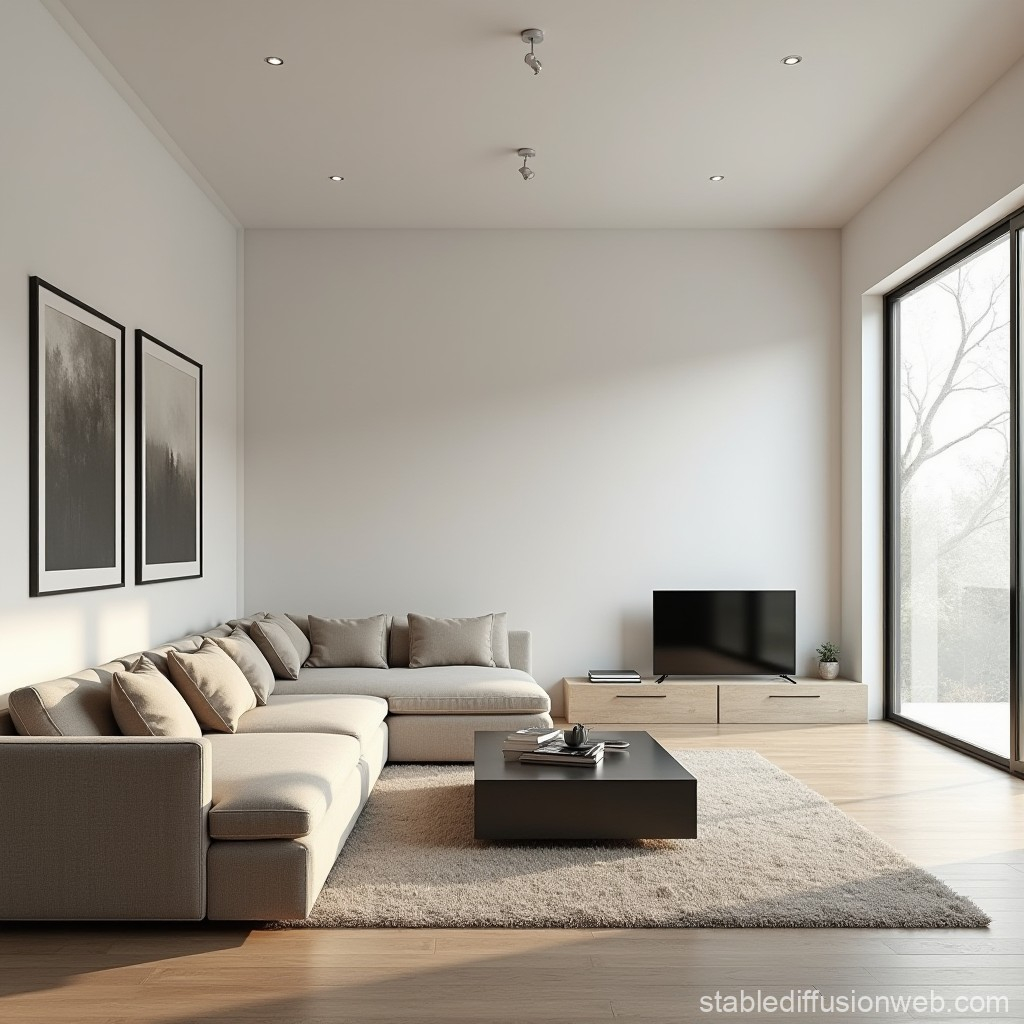
Remember when "millennial gray" and stark white walls were the height of sophistication? Yeah, me too. But walking into a room that is entirely white—walls, trim, furniture, rugs—is no longer seen as chic. It’s seen as clinical. In 2026, we know that pure white reflects light in a way that can feel harsh and uninviting. It lacks depth. When every surface is the same bright shade, your eyes have nowhere to rest, and the space feels flat.
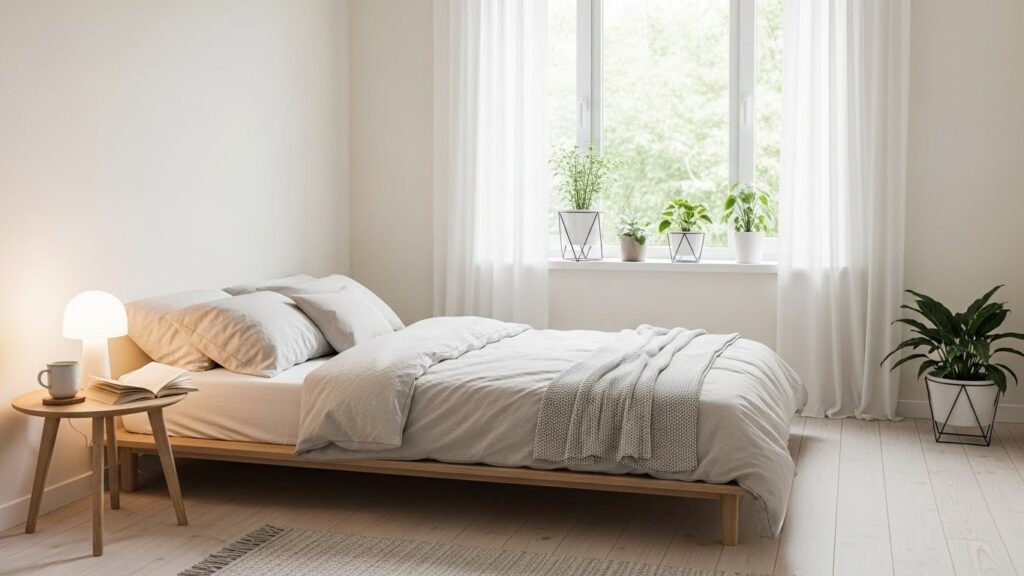
Designers today are moving away from this blinding brightness. They’re opting for warm neutrals. Think creams, beiges, taupes, and soft greiges. These tones add warmth and dimension without sacrificing the clean, airy feel of minimalism. If you’re stuck with white walls, don’t panic. You don’t need to repaint tomorrow. Instead, layer in warmth through your textiles. A chunky wool throw in oatmeal, a jute rug, or wooden accents can break up the monotony.
The key is contrast and temperature. A room needs visual weight to feel grounded. By introducing natural materials like wood, stone, or linen in earthy tones, you soften the edges. It makes the space feel lived-in and cozy, rather than like a hospital waiting room. Ask yourself: does this room feel welcoming? If the answer is no, check your color palette. You probably need more warmth.
Ignoring Texture and Depth
Speaking of warmth, let’s talk about texture. One of the biggest errors people make when trying to be minimalist is assuming that "simple" means "smooth." They buy sleek, shiny furniture and leave the surfaces bare. The result? A space that looks cheap and one-dimensional. In recent years, interior design has shifted heavily toward tactile experiences. We want to feel the roughness of a ceramic vase, the softness of a bouclé pillow, the grain of an oak table.
Without texture, a minimalist room falls flat. It lacks the sensory richness that makes a home feel luxurious. Think about it: if everything is smooth plastic or laminated wood, it feels impersonal. But if you mix materials, you create interest. A smooth leather sofa paired with a nubby wool rug and a raw wood coffee table creates a dynamic interplay. Your eyes move around the room because there’s something new to see at every angle.
This doesn’t mean you need to clutter the space. It means choosing quality over quantity. Pick pieces that have character. A hand-thrown mug looks better on a shelf than a mass-produced one. A linen curtain drapes better than a polyester one. These small details add up. They create a sense of depth that keeps the room from feeling boring. In 2026, minimalism is synonymous with "quiet luxury," and quiet luxury is all about the feel of the materials.
The "Showroom" Syndrome (Lack of Personality)
Here’s a hard truth: a home without personality is just a house. Many minimalists strip their spaces so bare that they remove any trace of who actually lives there. You walk in, and it looks like a hotel lobby or a furniture catalog. There are no books, no photos, no quirky finds from travels. It’s perfect, but it’s soulless. And honestly? It’s dated. The era of the impersonal, Instagram-ready home is fading. People crave authenticity.
Your home should tell your story. Minimalism doesn’t mean erasing your identity; it means curating it. Keep the things that matter. Display that weird sculpture you bought in Mexico. Frame the postcards from your grandma. Put your favorite novels on a floating shelf. These items break the rigidity of the design and make the space feel human. They invite conversation. They make guests feel comfortable because they see you in the room.
The mistake is thinking that personal items equal clutter. They don’t. Clutter is random accumulation. Curation is intentional display. If you love art, hang one big piece instead of ten small ones. If you love plants, choose three statement plants instead of twenty tiny succulents dying on a windowsill. It’s about editing, not eliminating. Let your passions shine through, but keep the presentation clean. This balance is what makes modern minimalism feel fresh and relevant.
Poor Lighting Choices
Lighting can make or break a minimalist space. Yet, it’s often an afterthought. Many people rely on a single overhead light or cheap, cool-toned LED bulbs. This is a huge mistake. Harsh, blue-white light makes even the most expensive furniture look cheap. It casts unflattering shadows and makes the room feel sterile. In 2026, lighting design is considered an art form. It’s about layers.
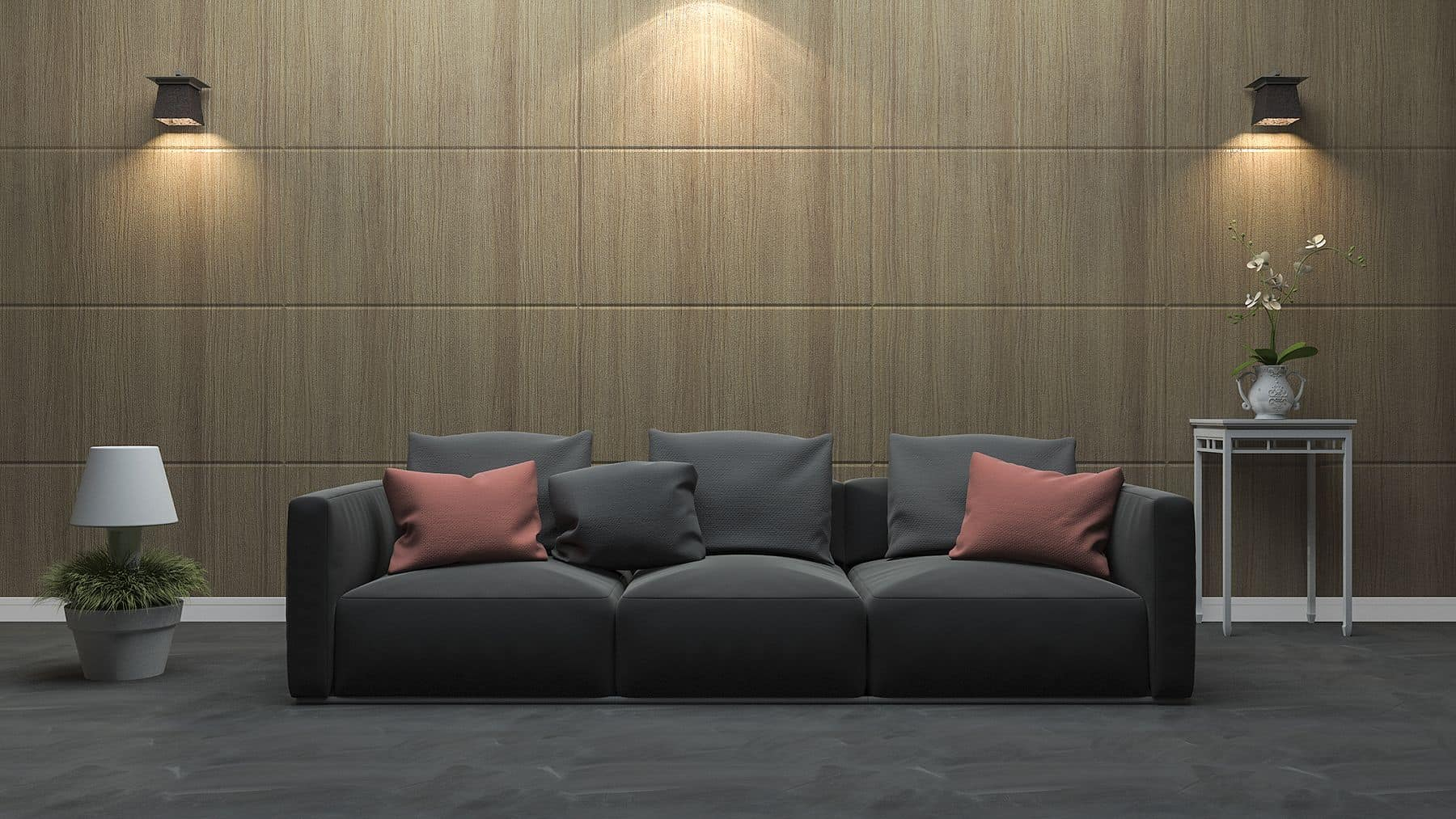
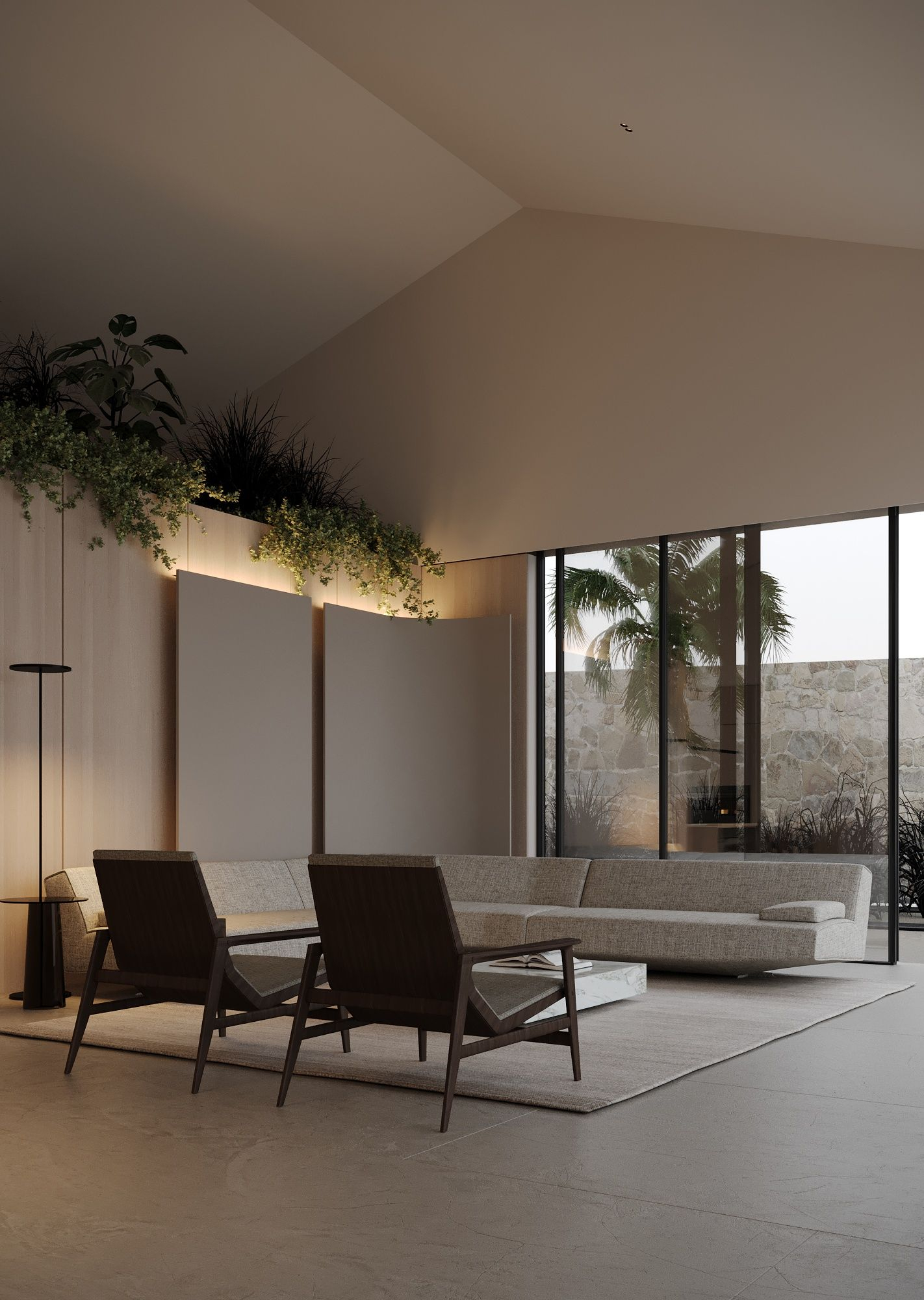
You need ambient, task, and accent lighting. Ambient light sets the mood. Task light helps you read or cook. Accent light highlights art or architectural features. In a minimalist room, where there aren’t many objects to distract the eye, lighting becomes the main event. Use floor lamps with warm bulbs to create pools of light in corners. Use table lamps to add height and warmth to side tables. Avoid the "big light" at all costs during the evening.
Also, pay attention to the color temperature of your bulbs. Stick to 2700K to 3000K for a warm, inviting glow. Anything higher starts to look like an office or a grocery store. Dimmers are your best friend. They allow you to adjust the mood based on the time of day. A well-lit minimalist room feels expansive and cozy. A poorly lit one feels empty and cold. Don’t skimp here. Good lighting is the easiest way to elevate your space instantly.
Scale and Proportion Blunders
Minimalism leaves nowhere to hide. In a maximalist room, you can distract from a small rug with lots of pillows and knick-knacks. In a minimalist room, every piece stands alone. This means scale and proportion are critical. A common error is buying furniture that is too small for the space. A tiny sofa in a large living room looks lost. It makes the room feel bigger, yes, but in a bad way. It feels awkward and unfinished.
Conversely, overcrowding a small space with bulky furniture defeats the purpose of minimalism. You need balance. Measure your room. Understand the flow. Leave enough walking space. Choose furniture that fits the proportions of the room. A low-profile sofa might work better in a room with low ceilings. A tall bookshelf might anchor a high-ceilinged room. It’s about harmony.
Rugs are a frequent culprit here. A rug that is too small makes the furniture look like it’s floating on islands. It chops up the space. In a minimalist setting, you want the rug to ground the seating area. Ideally, all front legs of the furniture should sit on the rug. This ties the zone together. It creates a cohesive unit. Pay attention to these details. They seem small, but they have a massive impact on how polished your home looks.
Finally, the last error is striving for perfection. True minimalism in 2026 embraces wabi-sabi—the Japanese aesthetic of finding beauty in imperfection. Trying to keep your home looking like a pristine magazine spread is exhausting and ultimately unsustainable. It makes the space feel rigid and anxious. Life is messy. Homes should reflect that.
Allow for some asymmetry. Let a blanket drape casually over the arm of the chair. Don’t straighten every cushion perfectly. Accept that wood grains vary and stones have cracks. These imperfections add character. They make the space feel organic and alive. When you relax your grip on perfection, your home becomes a sanctuary rather than a stage.
This shift in mindset is crucial. It takes the pressure off. You don’t have to constantly tidy up to maintain the "look." Instead, you focus on maintaining a sense of order and calm. It’s about ease. A home that feels easy to live in is a home that feels timeless. So, let go of the need for symmetry. Embrace the quirks. Let your home breathe. That’s where the real magic happens.
So, there you have it. Five common traps that can make your minimalist home feel dated. From avoiding the all-white freeze to embracing texture, personality, good lighting, proper scale, and imperfection, these changes are simple but powerful. You don’t need a total renovation. Just a few tweaks. A new lamp. A warmer rug. A personal photo on the wall.
Minimalism isn’t a rigid set of rules. It’s a tool to help you live better. It’s about clearing the noise so you can hear yourself think. So you can relax. So you can enjoy your space. Don’t let the fear of making mistakes stop you from experimenting. Try things out. See what feels right. Your home should serve you, not the other way around.
Take a look around your living room today. What feels off? Is it too cold? Too empty? Too perfect? Identify one thing you can change. Maybe it’s swapping out a lightbulb. Maybe it’s adding a plant. Small steps lead to big changes. Here’s to creating a home that feels not just minimalist, but truly yours.