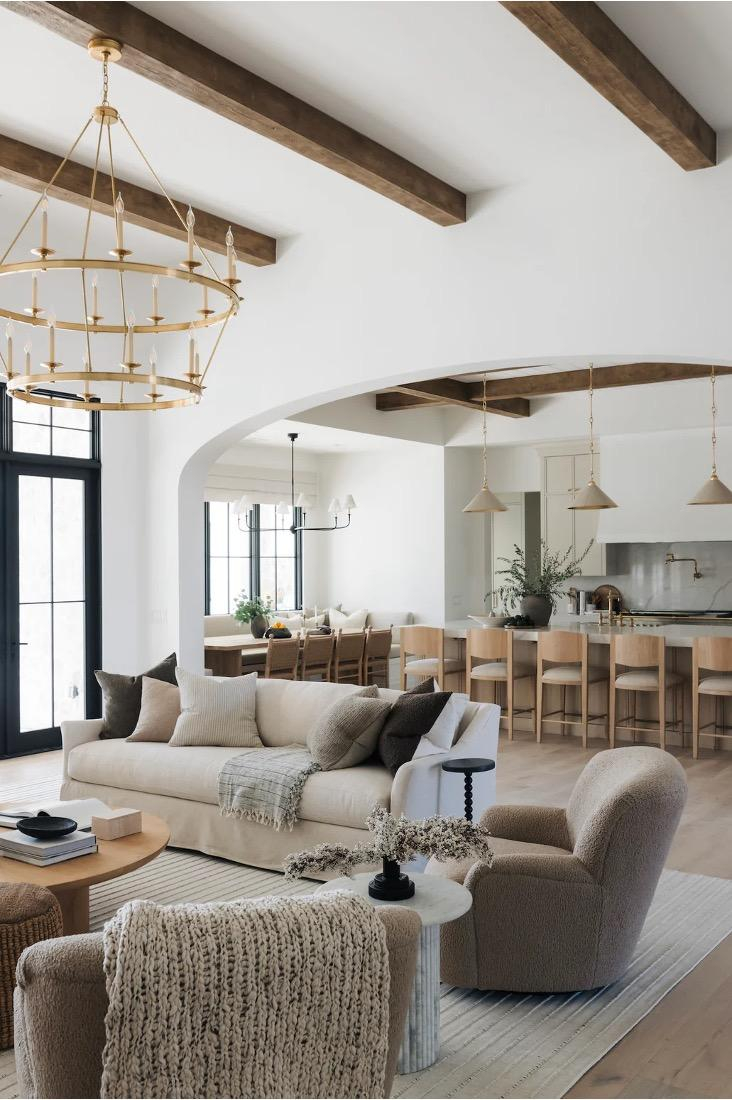
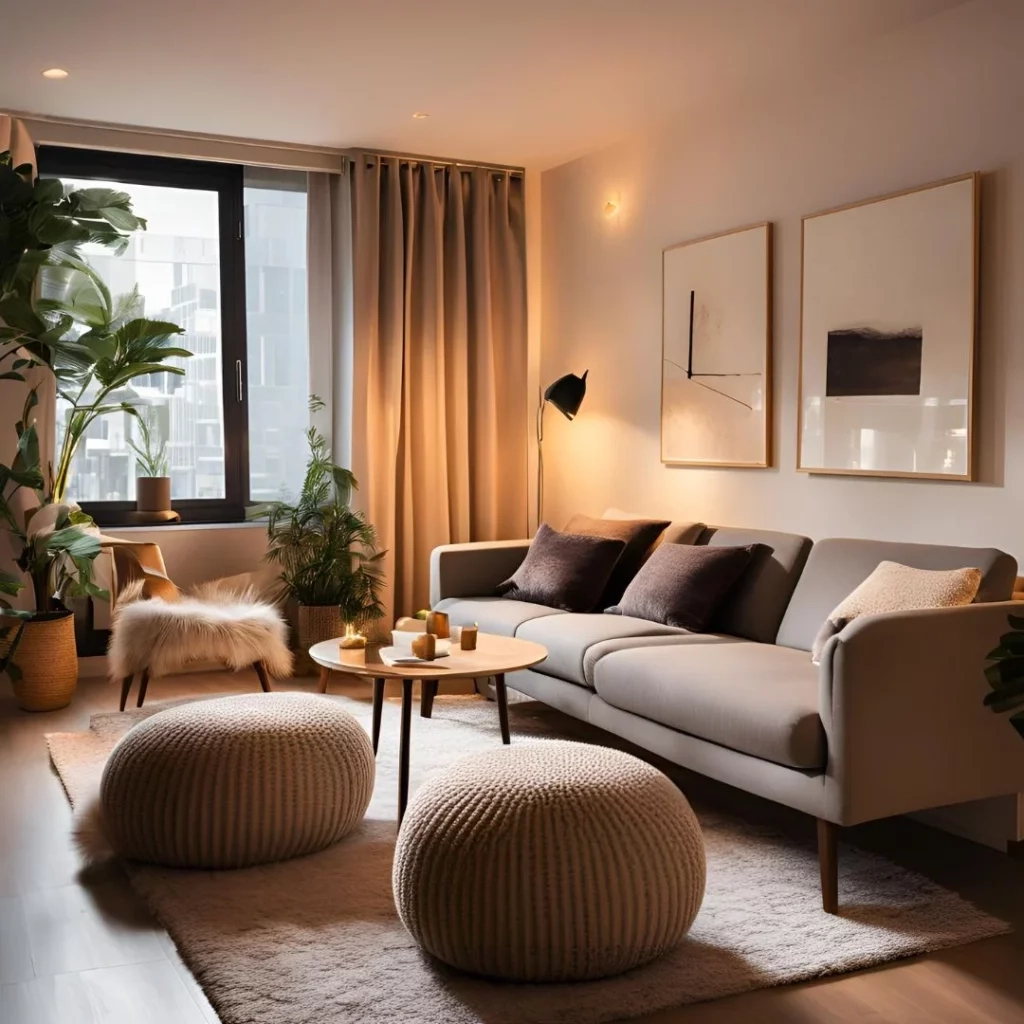
You walk into the room and sigh. It’s not that it’s ugly. It’s just… flat. Lifeless. Maybe the sofa is sagging in that one spot you always avoid, or the walls feel like they’re closing in with their bland, builder-grade beige. You’ve scrolled through Pinterest until your eyes blurred, saving images of sun-drenched lofts with velvet armchairs and marble coffee tables. Then you look at your bank account. The gap between those dreams and your reality feels like a canyon.
But here’s the secret the interior design industry doesn’t always shout from the rooftops: luxury isn’t about the price tag. It’s about intention. It’s about how light hits a texture, how a rug anchors a conversation, and how a single well-placed object can draw the eye. In 2026, we are seeing a massive shift away from fast-furniture disposability toward curated, soulful spaces. You don’t need to knock down walls or take out a second mortgage to get that "magazine cover" feel. You just need to look at what you already have with fresh eyes.
Let’s be real for a second. Most of us are tired. We don’t have the energy for a three-month renovation project involving dust sheets and contractors who never show up on time. We want change. We want our home to feel like a hug when we walk through the door. The good news? You can achieve that professional, polished look without spending a ton. It takes a bit of creativity, some elbow grease, and a willingness to break a few rules. Ready to give your living room the glow-up it deserves? Let’s dive in.
The Power of Rearranging and Decluttering
Before you buy a single throw pillow, stop. Look around. The most powerful tool in your design arsenal is free: it’s editing. Professional designers spend hours deciding what doesn’t belong in a room. Clutter is the enemy of elegance. When every surface is covered in knick-knacks, mail, and remote controls, the eye has nowhere to rest. It creates visual noise. Start by clearing off your coffee table, side tables, and shelves. Put everything in a box. Now, only put back the items that truly spark joy or serve a functional purpose. Leave negative space. That empty space on the shelf? That’s luxury. That clear patch of wood on the table? That’s sophistication.
Once you’ve cleared the decks, look at your furniture layout. Most people push their furniture against the walls. It’s a habit we learn early, but it’s rarely the best look. Pulling your sofa and chairs away from the walls, even just a few inches, creates depth and makes the room feel larger and more intimate. Try floating your seating arrangement in the center of the room if space allows. Create a conversation zone where people face each other, rather than all staring at the TV. This simple shift changes the energy of the room from a waiting area to a living space. It invites connection.
If you have awkward corners or dead zones, don’t ignore them. A tall floor lamp or a large potted plant can fill that void beautifully. The goal is balance. Step back and squint your eyes. Does one side feel heavier than the other? Move things around until the visual weight feels evenly distributed. You might find that the heavy armchair looks better opposite the bookshelf, or that the small side table works better next to the window. This process costs zero dollars but yields immediate results. It’s like giving your room a breath of fresh air.
Lighting: The Makeup of Your Home
Lighting is often an afterthought, but it should be the star of the show. Think of lighting as makeup for your home. Harsh, overhead lighting is like wearing foundation that’s two shades too light and skipping the blush—it flattens everything and highlights flaws. To get that high-end look, you need layers. You need ambient light, task light, and accent light. Start by banning the "big light." That ceiling fixture in the center of the room? Turn it off. Never use it again unless you’re vacuuming. Instead, rely on lamps.
Floor lamps and table lamps create pools of warm, inviting light that make a room feel cozy and expensive. Aim for bulbs with a color temperature of 2700K to 3000K. This warm white glow mimics sunset and flatters skin tones, making everyone in the room look better. If your current lamps have cheap, plastic-looking shades, swap them out. A linen or fabric shade diffuses light softly, eliminating harsh shadows. You can find beautiful second-hand lamps at thrift stores for pennies. Just clean them up, add a new bulb, and place them at eye level when seated. This creates a perfect reading nook vibe.
Don’t forget about natural light. In 2026, biophilic design—connecting with nature—is huge. Maximize the sunlight coming in by keeping windows clean and using sheer curtains instead of heavy drapes during the day. If you have dark corners, consider adding a mirror opposite a window. This bounces light around the room and makes the space feel twice as big. It’s a classic trick because it works. And if you have any outdated brass or chrome fixtures that you can’t replace, try painting them. A matte black or brushed gold spray paint can update a dated fixture in under an hour for less than ten bucks. It’s a small detail, but details matter.
Textures and Layers: Adding Depth Without Color
Color gets all the attention, but texture is what makes a room feel rich. A monochromatic room can look stunning if it’s packed with different textures. Think about the difference between a smooth leather sofa, a chunky knit throw, a velvet pillow, and a jute rug. Each material interacts with light differently. They create shadows and highlights that add dimension. If your living room feels boring, it’s probably because everything is the same texture. Mix hard and soft. Rough and smooth. Shiny and matte.
Start with the floor. Area rugs define spaces and add warmth. You don’t need a Persian antique to make a statement. A large, neutral rug with a subtle texture can ground the room. Layering rugs is another pro move. Put a smaller, patterned rug over a larger, solid one. It adds visual interest and protects the bigger rug from wear. If you’re on a tight budget, look for indoor-outdoor rugs. They are durable, easy to clean, and often come in stylish geometric patterns that look much more expensive than they are. Just make sure it’s large enough. A tiny rug floating in the middle of the room looks cheap. The front legs of your furniture should sit on the rug.
Next, look at your soft furnishings. Pillows are the jewelry of the sofa. Don’t buy the matching sets from the big box stores. They look cookie-cutter. Instead, mix and match. Combine a large lumbar pillow with smaller square ones. Use different fabrics. Velvet adds glamour. Linen adds ease. Wool adds warmth. Even the way you arrange them matters. Fluff them daily. A deflated pillow looks sad and neglected. A plump, well-arranged pillow looks inviting. Same goes for throws. Drape a cashmere or faux-fur throw casually over the arm of the chair. Not folded perfectly, but tossed with intent. It says, "Someone lives here, and they have good taste."
The Magic of Paint and Wall Treatments
Paint is the most cost-effective transformation tool you have. A gallon of paint costs less than a dinner out for two, but it can completely change the mood of a room. In 2026, we are moving away from stark, clinical whites toward warmer, earthier tones. Think terracotta, sage green, warm greige, or deep navy. These colors feel grounded and sophisticated. If you’re afraid of commitment, paint an accent wall. Or better yet, paint the trim. Painting your baseboards and door frames the same color as the walls (or a slightly darker shade) raises the visual height of the ceiling and makes the room feel seamless and custom.
But it’s not just about wall color. Look at your doors and cabinets. If you have oak cabinets or wooden doors that feel dated, sand them down and paint them. A crisp white or a moody charcoal can modernize them instantly. Replace the hardware while you’re at it. New knobs and pulls are like changing the earrings you wear with an outfit. They tie the look together. You can find unique hardware at vintage shops or online marketplaces for a fraction of the cost of new furniture.
If painting feels like too much work, consider wallpaper. But not the kind your grandma had. Modern peel-and-stick wallpaper is a game-changer. It’s renter-friendly and easy to apply. Use it on a single wall, or even inside a bookshelf to add a pop of pattern. It adds instant personality and depth. Another option is creating a gallery wall. You don’t need original art. Print high-resolution images from free stock photo sites or buy affordable prints from local artists. Frame them in matching frames for a cohesive look, or mix frame styles for an eclectic vibe. The key is consistency in spacing. Lay it out on the floor first to get the arrangement right before hammering any nails.
Styling Surfaces Like a Curator
Styling is where the magic happens. It’s the difference between a furnished room and a designed room. The secret to professional styling is the rule of threes. Group items in odd numbers. Three books, a vase, and a candle. It’s more visually appealing than even numbers. Vary the heights. If you have three objects, make one tall, one medium, and one short. This creates a triangle for the eye to follow. It keeps the viewer engaged. Don’t line things up like soldiers on a shelf. Let them overlap slightly. Lean a framed print against the wall behind a vase. It looks effortless and chic.
Books are your best friend. Stack them horizontally to create platforms for other objects. Remove the dust jackets if they are ugly or colorful in a clashing way. Neutral spines look more upscale. Mix in organic elements. A small branch with leaves, a stone, or a shell adds a touch of nature and breaks up the manufactured feel of furniture. These natural elements bring life into the space. They remind us of the outdoors and add a sense of calm.
Trays are another unsung hero. Corral loose items on a coffee table or ottoman onto a tray. It turns clutter into a vignette. A tray with a candle, a small bowl for keys, and a succulent looks intentional. Without the tray, those same items look like mess. Choose trays in materials that contrast with your table. A wooden tray on a glass table. A marble tray on a wood table. Contrast creates interest. And remember, less is more. It’s better to have one beautiful object than ten mediocre ones. Edit ruthlessly. If it doesn’t add to the story of the room, remove it.
In 2026, sustainability isn’t just a trend; it’s a lifestyle. Buying second-hand is not only better for the planet, it’s better for your wallet and your style. Mass-produced furniture lacks soul. Vintage pieces have history. They have character. A scratched wooden table tells a story. A mid-century chair with worn leather has patina. These imperfections are what make a home feel authentic and high-end. Designer homes are often filled with vintage finds mixed with modern pieces. It’s the juxtaposition that creates intrigue.
Start by looking at what you already own with a critical eye. Can that old wooden chest be sanded and stained? Can those dining chairs be reupholstered with a bold fabric? Upcycling is satisfying and saves money. There are countless tutorials online for refinishing furniture. You’d be surprised how a little sandpaper and some stain can transform a piece from trash to treasure. If you’re not handy, look for local artisans or community workshops. Sometimes, the cost of refinishing is still less than buying new.
When thrifting, look for good bones. Ignore the ugly fabric or the dated color. Look at the structure. Is the wood solid? Are the joints tight? If yes, it’s a keeper. Paint can fix color. New fabric can fix upholstery. But you can’t fix a broken frame easily. Be patient. Thrifting takes time. You might not find the perfect piece on your first trip. But when you do, it will be unique. No one else will have it. That exclusivity is the ultimate luxury. Plus, you’ll have a great conversation starter. "Oh, this old thing? I found it at a estate sale for five bucks." That’s a flex.
So, there you have it. Transforming your living room doesn’t require a contractor, a credit card maxed out, or a degree in interior design. It requires observation, patience, and a willingness to experiment. Start with the declutter. Layer your lighting. Add texture. Play with paint. Style your surfaces with intention. And hunt for treasures second-hand. These steps, taken together, create a space that feels curated, comfortable, and uniquely yours.
It’s easy to get caught up in the idea that we need the newest, shiniest things to be happy. But true style comes from confidence. It comes from knowing what you love and having the courage to display it. Your home should reflect who you are, not what a catalog says you should want. By focusing on these budget-friendly tweaks, you’re not just saving money. You’re investing in your well-being. You’re creating a sanctuary that supports you, calms you, and inspires you.
Take it one step at a time. Don’t try to do everything this weekend. Pick one thing. Maybe it’s rearranging the sofa. Maybe it’s swapping out the lightbulbs. See how it feels. Live with it. Then move to the next thing. Design is a journey, not a destination. Enjoy the process. Your living room is waiting to show its best self. And honestly? It’s probably closer than you think.