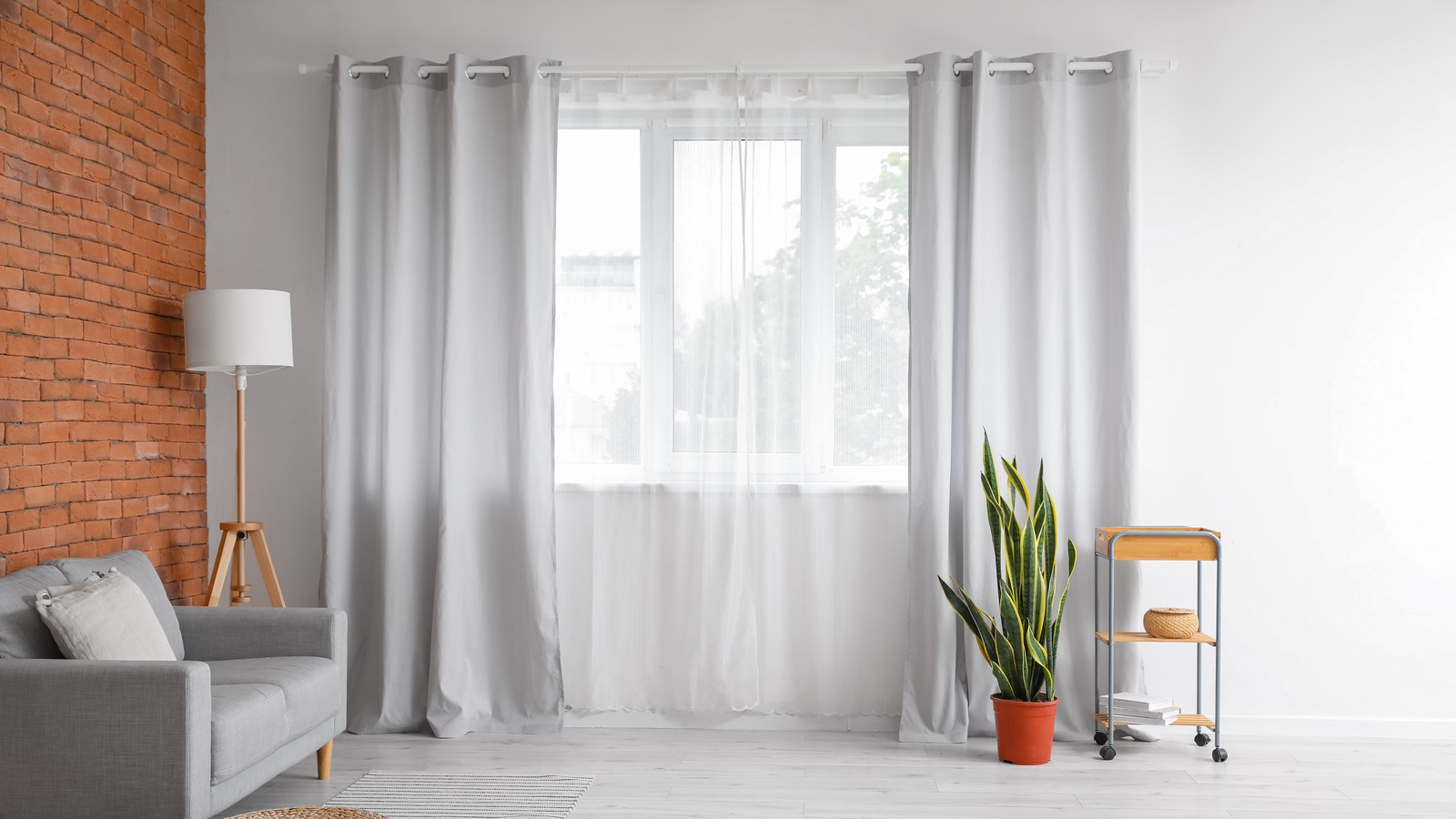
You walk into a room. It’s nice. The sofa is comfortable, the rug is soft underfoot, but something feels… off. Maybe it’s too bright? Maybe it feels cold? Often, the culprit isn’t the furniture. It’s the windows. Or rather, what’s hanging (or not hanging) in front of them.
Drapery is the eyelashes of a home. Sounds weird, right? But think about it. Eyes without lashes look bare, exposed. Windows without proper treatment feel the same way. They’re just holes in the wall. When you get it right, though? Magic. The room softens. The light changes. It becomes a place you actually want to stay.
So, how do the pros do it? How do interior designers look at a blank window and see potential instead of a problem? It’s not just about picking a pretty color. It’s a mix of science, psychology, and a whole lot of fabric knowledge. Let’s pull back the curtain—pun intended—and see what really goes into that decision.
The Weight of Light and Privacy
First things first. What does the room need to do? This is the question designers ask before they even look at a swatch book. A living room isn’t just one thing. For some, it’s a movie-watching cave. For others, it’s a sun-drenched reading nook. The function dictates the form.
If you’re trying to watch TV at 2 PM on a Tuesday, sheer linen won’t cut it. You need blackout. But here’s the trick: total blackout can feel like a bunker. Designers in 2026 are moving away from heavy, plastic-lined fabrics that crackle when you touch them. Instead, they’re looking for triple-weave textiles. These are dense enough to block 90-100% of light but still drape like real fabric. They feel luxurious, not functional.
On the flip side, if your living room faces a busy street or a neighbor’s patio, privacy is the priority. But you don’t want to live in the dark. This is where layering comes in. A designer will often specify two tracks. One for sheer, light-filtering panels that give you daytime privacy without killing the vibe. And another for heavier drapes that close up at night. It’s about control. Giving the homeowner the ability to dial the mood up or down.
Consider the direction the window faces. North-facing windows get cool, consistent light. You can get away with lighter fabrics because you aren’t battling glare. South-facing windows? That’s harsh, direct sun. It fades furniture and heats up the room. Here, designers look for UV-resistant linings. Not just for privacy, but to protect your investment in that expensive sofa. It’s practical, but it looks good too.
Fabric Texture and the Touch Test
Close your eyes. Imagine running your hand along a curtain. What do you feel? Cool, smooth silk? Rough, nubby linen? Heavy, plush velvet? This tactile experience is huge. We live in a digital world. We touch screens all day. Coming home to a space with rich, tangible textures grounds us. It makes us feel human again.
Designers obsess over "hand," which is industry speak for how fabric feels and moves. A stiff cotton might look crisp in a photo, but if it doesn’t fold softly, it’ll look awkward in real life. You want fabric that has memory. When you pull it closed, it should fall back into neat pleats, not bunch up like a crumpled shirt.
Velvet is having a massive moment in 2026. But not the shiny, cheap stuff from the 90s. We’re talking about matte velvets, cotton velvets, even hemp blends that mimic the depth of velvet without the sheen. These fabrics absorb sound. Yes, sound. Hard surfaces bounce noise around. Heavy drapery acts like an acoustic panel, soaking up echoes. In an open-concept living room, this is a game-changer. It makes conversations easier. It makes the room feel quieter, calmer.
Then there’s linen. Everyone loves linen. It’s breezy, casual, effortless. But pure linen wrinkles. Like, a lot. Some clients hate that. They want perfection. Designers have to manage expectations here. Or, they opt for linen-blends. Adding a bit of polyester or rayon stabilizes the fiber. It keeps the look but reduces the maintenance. It’s about finding the balance between aesthetics and real life. Because let’s be honest, nobody wants to iron their curtains every week.
The Architecture of the Hang
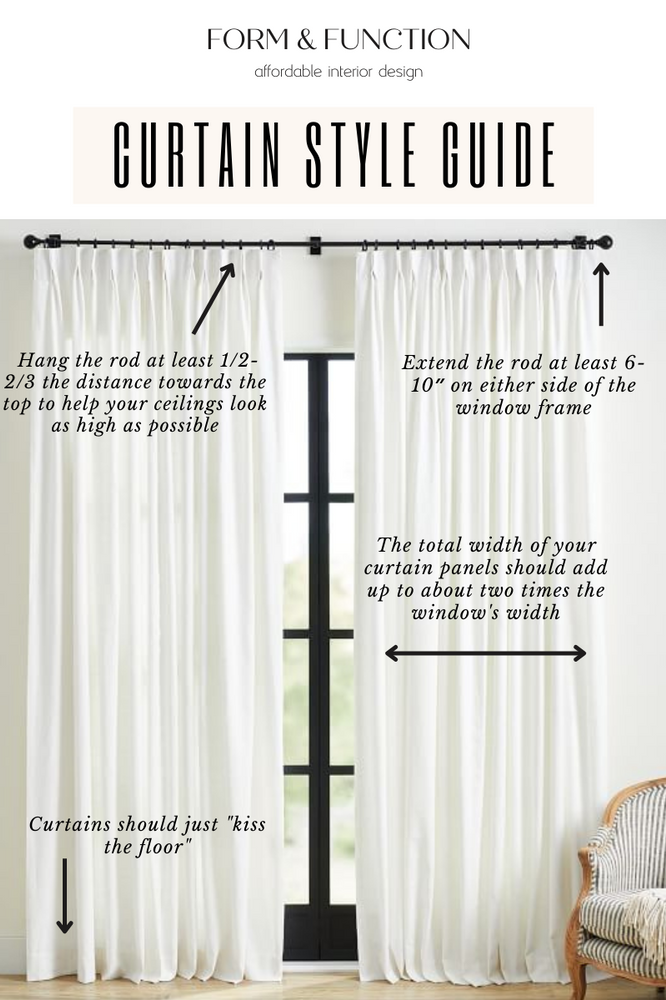
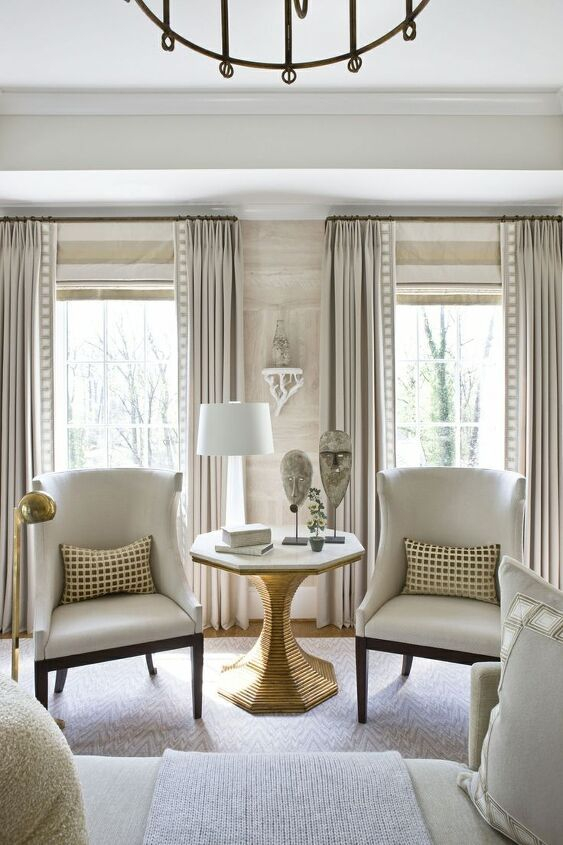
Here’s where most DIY projects go wrong. The hardware. And specifically, the height. There’s a golden rule in design: hang it high. Really high. If your window frame is six feet tall, don’t put the rod right above the frame. Put it two or three inches below the ceiling. Or even closer to the crown molding.
Why? It tricks the eye. It makes the ceilings look taller. It makes the room feel grander. It draws the eye upward, emphasizing the vertical space. When you hang drapes low, you chop the wall. You make the room feel shorter, boxier. Hanging high opens everything up. It’s a simple change with a huge impact.
Width matters too. Don’t skimp on fabric. A common mistake is buying panels that just cover the window when closed. That looks stingy. Designers calculate "fullness." You generally want 2 to 2.5 times the width of the window in fabric. So, for a four-foot window, you’d want eight to ten feet of fabric width. This creates those lush, deep folds when the curtains are open. It adds volume. It makes the window look more important.
And let’s talk about the stack. The "stack" is where the curtains sit when they’re fully open. You want them to rest mostly on the wall, not blocking the glass. If the fabric is too thin or the rod is too narrow, the curtains will hang in front of the window even when open. You lose light. You lose the view. Designers measure this carefully. They choose rods that extend far enough past the window frame to allow the fabric to clear the glass completely. It’s geometry, basically. But it feels like magic.
Color, Pattern, and Visual Weight
Color is emotional. We know this. But in drapery, color also has weight. Dark colors feel heavy. They anchor a room. Light colors feel airy. They recede. If you have a small living room with low ceilings, floor-to-ceiling white or cream drapes can make the walls disappear. It expands the space. It feels endless.
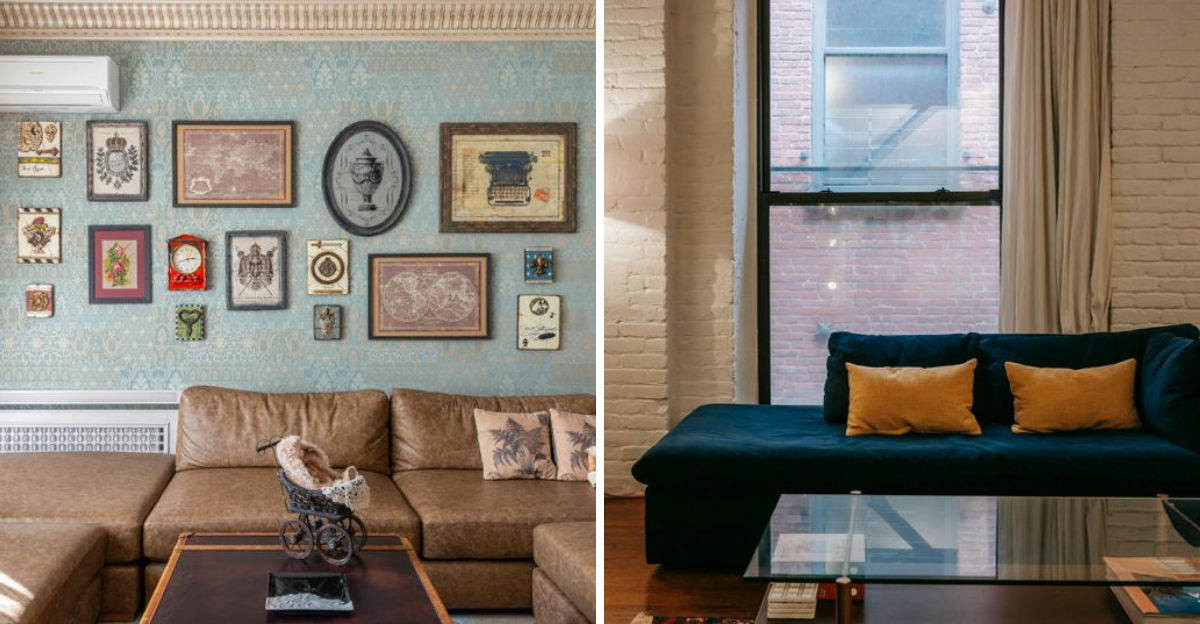
But if your room feels cavernous and cold? Dark navy, charcoal, or forest green drapes can cozy it up. They add visual weight. They ground the space. It’s like putting a warm blanket on the room. Designers look at the existing palette. Are the walls neutral? Then the drapes might be the star. A bold pattern, a rich jewel tone. Are the walls already busy with wallpaper or art? Then the drapes should probably be quiet. Solid. Textural, but not loud.
Patterns are tricky. Large-scale patterns can overwhelm a small window. Small-scale patterns can look busy from a distance. In 2026, we’re seeing a shift toward tonal patterns. Think jacquards where the design is woven in the same color as the background. It adds interest without adding chaos. It catches the light differently as the day moves. It’s subtle sophistication.
Also, consider the view. If you have an amazing garden outside, you don’t want your drapes to compete with it. You want them to frame it. Like a picture frame. Neutral tones work best here. They let the outside in. If the view is a brick wall or a parking lot? Maybe you want something more engaging inside. Something that draws the eye inward. It’s about directing attention. Where do you want people to look?
Hardware as Jewelry
For a long time, curtain rods were an afterthought. Silver tubes from the hardware store. Hidden behind the fabric. But lately? Hardware is jewelry for the windows. It’s a chance to add personality. Designers are selecting finials (the ends of the rods) and rings with care.
Brass is still king, but it’s evolving. Unlacquered brass ages. It develops a patina. It changes over time. Clients who love this story embrace it. It feels lived-in. For those who want consistency, polished nickel or matte black offers a cleaner, more modern look. The key is matching the hardware to other metals in the room. Do you have brass lamp bases? Brass cabinet pulls? Tie it together. Cohesion creates calm.
The style of the rod matters too. A thick, substantial rod suggests tradition. Stability. A thin, minimalist rod feels contemporary. Sleek. Iron rods with forged details add a rustic or industrial touch. It’s not just about holding the fabric. It’s about contributing to the narrative of the room.
And don’t forget the rings. Clip rings are easy to install, but they can look casual. Sewn-in pockets are traditional but hard to slide. Eyelet grommets are modern and slide easily, but they create a specific look (those big metal circles). Designers choose based on how often the client will open and close the drapes. High traffic? Needs smooth gliding. Decorative only? Maybe a pocket is fine. It’s about usability. Form follows function, always.
We can’t talk about design in 2026 without talking about sustainability. It’s not a trend anymore. It’s a requirement. Clients are asking: Where did this fabric come from? Is it toxic? Will it last?
Designers are prioritizing natural fibers. Cotton, linen, wool, silk. These are biodegradable. They breathe better than synthetics. They age gracefully. Synthetic fabrics like polyester are derived from petroleum. They shed microplastics when washed. They don’t break down. While they’re cheaper, the environmental cost is high. Plus, they often look cheaper. They shine in unnatural ways.
But it’s not just about the fiber. It’s about the manufacturing. Look for certifications like Oeko-Tex. This ensures the fabric is free from harmful chemicals. No formaldehyde. No heavy metals. Important for indoor air quality. We spend so much time inside. Our homes should be safe havens, not chemical soups.
Durability is also sustainable. The most eco-friendly curtain is the one you don’t have to replace in five years. High-quality construction matters. Double-stitched hems. Lined edges. These details prevent fraying. They keep the drapes looking new longer. Designers encourage clients to think of drapery as an investment. Not a disposable decor item. Buy well. Buy once.
There’s also a rise in upcycled fabrics. Vintage textiles repurposed into drapery. It’s unique. It has history. It keeps waste out of landfills. It’s a conversation starter. Every time someone asks, "Where did you get those curtains?" you have a story. And stories make a house a home.
So, next time you look at your living room windows, don’t just see glass. See potential. See the chance to change how the light falls. To change how the room sounds. To change how you feel when you walk in. It’s not just fabric. It’s the final layer of comfort. And getting it right? Well, that’s worth taking the time for.