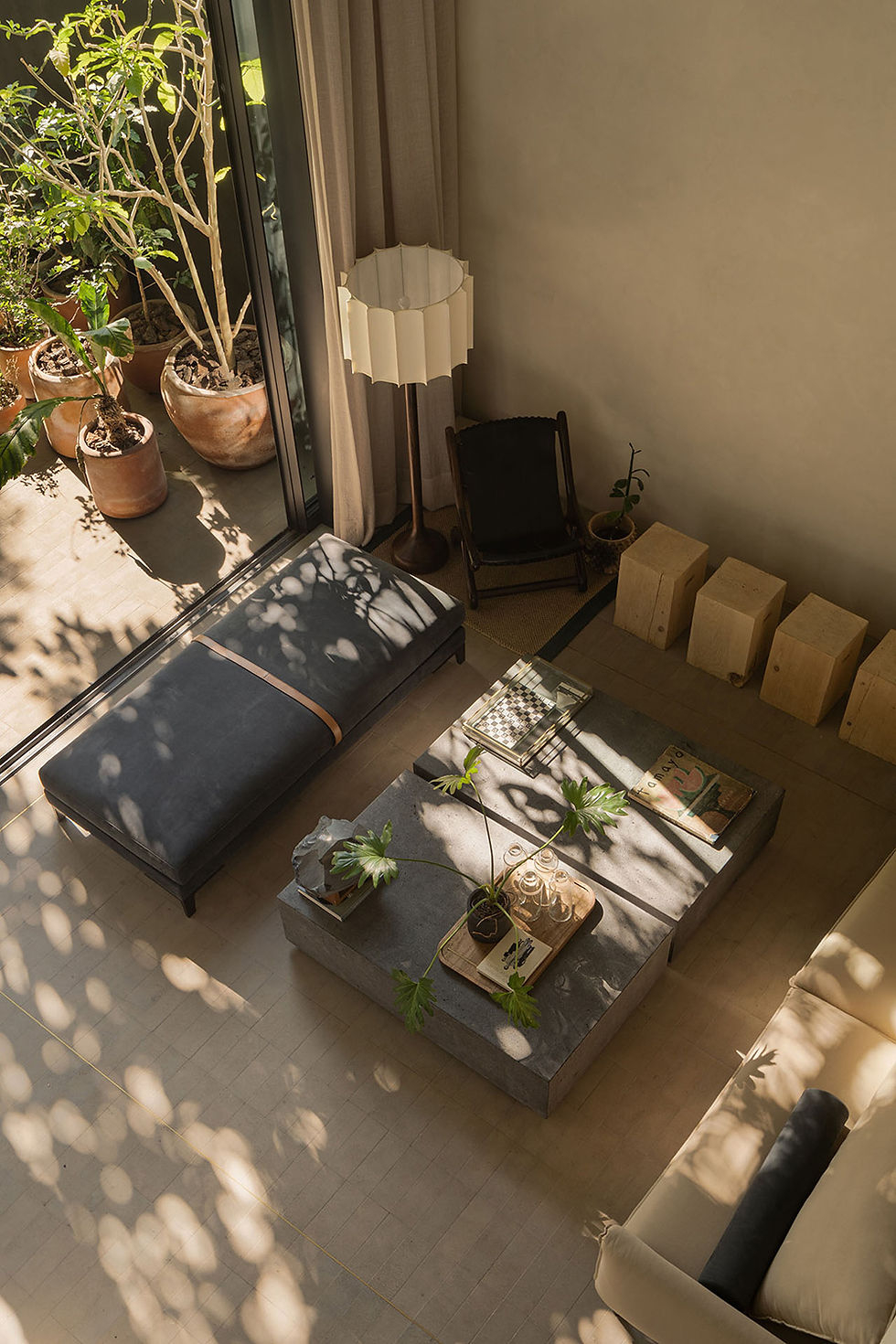
You’re standing in the middle of your living room. The paint is peeling. The floorboards creak. You have a vision, but the words to describe it keep slipping away. You tell your contractor you want something "modern." They nod. You show them a picture of a sleek, white room with curved sofas. They nod again. But when the mood board arrives, it’s full of mid-century teak and rigid lines. Something feels off.
This happens all the time. In fact, it’s probably the most common mix-up in interior design. We use "modern" and "contemporary" like they’re twins. They aren’t. They’re more like cousins who grew up in different decades and have very different tastes. Getting this wrong can cost you thousands of dollars and leave you with a home that doesn’t quite feel like you.
Let’s fix that. Right now. In 2026, the lines are blurring more than ever, but the core DNA of each style remains distinct. Whether you’re tearing down walls or just swapping out furniture, knowing the difference isn’t just about semantics. It’s about creating a space that breathes. Let’s dive in and clear up the confusion, once and for all.
The History Lesson You Actually Need
To understand where we’re going, we have to look back. "Modern" design isn’t a trend. It’s a specific historical movement. We’re talking about the early to mid-20th century. Think 1920s through the 1950s. This was the era of Bauhaus, Mid-Century Modern, and Scandinavian design. It was a rebellion against the ornate, cluttered Victorian styles that came before. The goal? Function. Simplicity. Truth to materials.
When you hear "Modern," think of a fixed point in time. It’s done. It’s finished. It’s a museum piece, but one you can live in. Icons like Eames, Saarinen, and Wright defined this era. They believed that form should follow function. If a chair didn’t serve a purpose, it didn’t belong. The aesthetic is warm but structured. You’ll see lots of teak, walnut, and leather. It’s grounded. It has weight.
Contemporary, on the other hand, is a chameleon. The word literally means "of the moment." It started gaining traction in the 1970s and 80s as a catch-all for whatever was happening right now. But here’s the twist: what is contemporary today won’t be contemporary in ten years. In 2026, contemporary design leans heavily into sustainability, smart technology integration, and fluid spaces. It’s not rooted in one decade. It’s rooted in the present.
So, if Modern is a classic rock album, Contemporary is the current Top 40 chart. One is timeless and specific; the other is evolving and eclectic. This distinction matters because when you renovate, you’re either restoring a legacy (Modern) or capturing a vibe (Contemporary). Mixing them up can lead to a disjointed feel. You might end up with a 1950s credenza sitting awkwardly next to a 2026 smart-glass partition without any bridge between the two eras.
Materials and Textures: Warmth vs. Edge
Let’s talk about what you actually touch. This is where the rubber meets the road. Modern design loves natural materials, but it treats them with respect for their raw state. Wood is king. But not just any wood—rich, dark woods like teak, rosewood, and walnut. Stone is used, but often in heavy, solid forms. Think marble countertops with bold veining or slate floors. Leather is huge too, usually in cognac or black, adding a lived-in warmth that softens the clean lines.
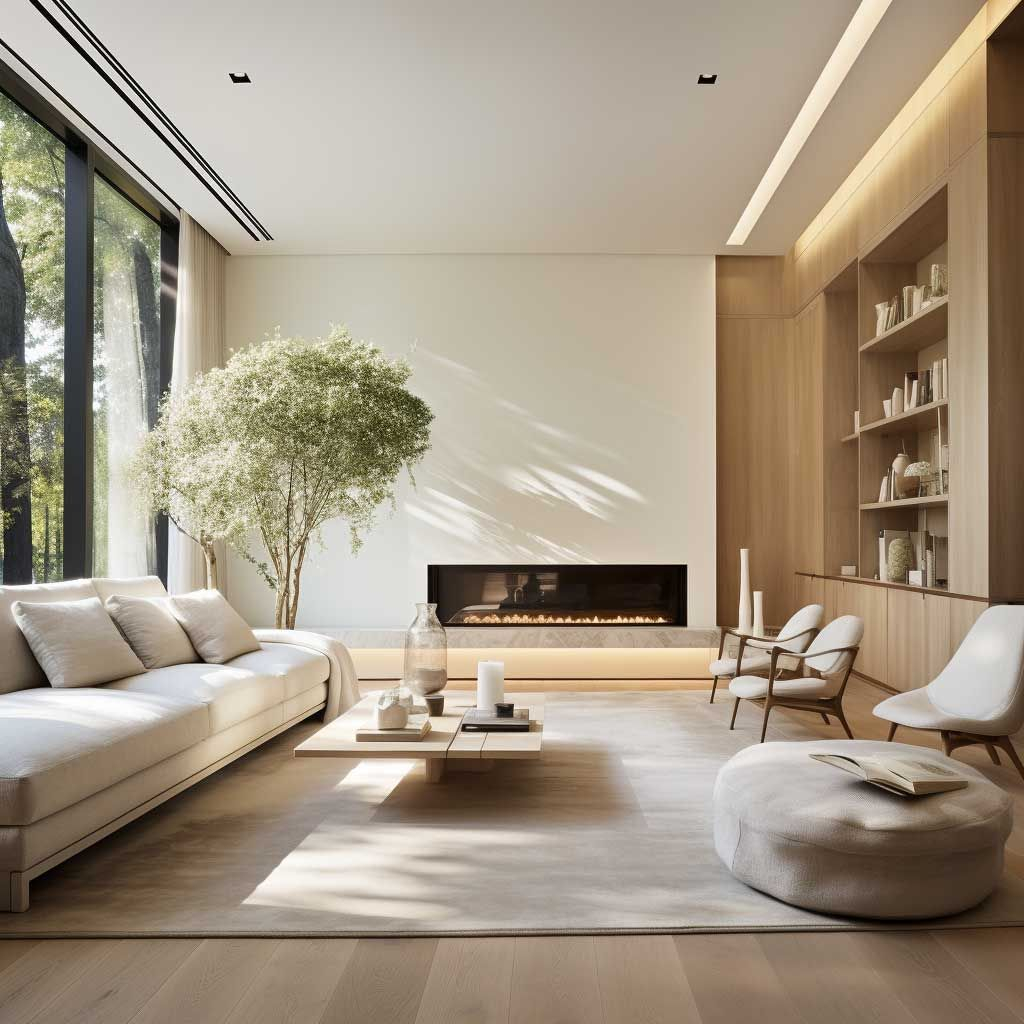
In a Modern home, you’ll feel the grain of the wood. You’ll see the imperfections. It’s organic. The textures are tactile and inviting. Even though the shapes are geometric, the materials keep it from feeling cold. It’s minimal, yes, but it’s not sterile. It’s cozy in a structured way. Like a well-tailored wool suit.
Contemporary design in 2026 plays with a wider palette. Sure, it uses wood, but often in lighter tones like oak or ash, or even engineered materials that mimic nature. You’ll see more glass, steel, and concrete. Lots of concrete. Polished, smooth, and cool. Contemporary spaces love contrast. You might have a rough-hewn stone wall next to a sleek, high-gloss lacquer cabinet. It’s about juxtaposition.
And let’s not forget the new kids on the block. Sustainable composites, recycled plastics, and bio-based materials are huge in contemporary design right now. If you’re renovating in 2026, a contemporary approach might involve a countertop made from recycled glass or flooring from reclaimed bamboo. It’s edgier. It’s sharper. It feels lighter and airier, whereas Modern feels anchored. If Modern is a leather armchair, Contemporary is a sculptural seat made from molded recycled polymer. Both are cool, but they speak different languages.
Color Palettes: Neutrals with a Purpose
Color is the easiest way to spot the difference if you squint. Modern design sticks to a strict, earthy neutral palette. We’re talking whites, creams, beiges, and browns. But it’s not boring. The interest comes from the texture and the wood tones. If there is color, it’s usually an accent—a mustard yellow pillow, a teal vase, or a burnt orange rug. These pops are deliberate and sparse. They don’t overwhelm. They highlight.
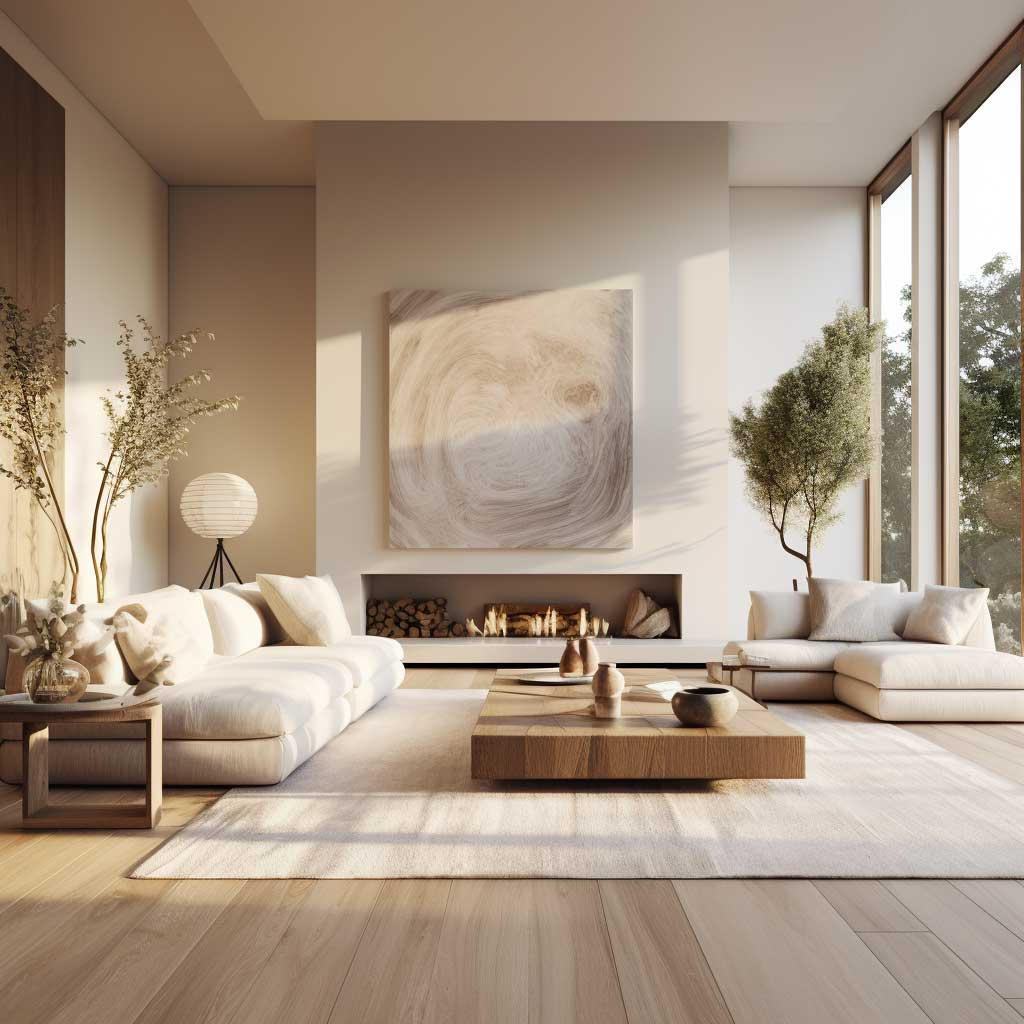
The Modern palette is calming. It’s designed to let the architecture and the furniture pieces shine. You won’t see bright white walls in a true Modern home; it’s more likely an off-white or a warm gray. The goal is harmony. Everything blends. It’s serene. It’s a backdrop for life, not a statement in itself.
Contemporary design? It’s bolder. In 2026, contemporary interiors are embracing monochromatic schemes but with high contrast. Think all-black rooms, or stark white spaces with jet-black trim. It’s dramatic. But it also loves a splash of vibrant color. Not just accents, but whole walls. Electric blue. Sage green. Terracotta. The rules are looser.
Also, notice the use of metallics. Modern design uses brass or chrome, but sparingly. Contemporary design goes all in. Gold fixtures, copper lighting, silver mirrors. It’s glamorous in a understated way. The contemporary palette shifts with trends. Right now, we’re seeing a lot of "greige" (gray-beige) mixed with deep jewel tones. It’s moody. It’s atmospheric. If Modern is a sunny day, Contemporary is a twilight evening with city lights flickering on.
Lines and Shapes: Rigidity vs. Flow
Look at the silhouette. Modern design is all about straight lines. Horizontal and vertical. Clean. Crisp. Uncompromising. Furniture legs are straight. Tables are rectangular or square. Even when curves appear, they are gentle and functional, like the arm of a chair. The architecture features flat roofs, large horizontal windows, and open floor plans that are defined by furniture, not walls. It’s grid-like. Logical.
This rigidity creates a sense of order. It’s calming for people who crave structure. But it can feel stiff if not softened with textiles. That’s why you see those plush rugs and soft throws in Modern homes. They break up the geometry.
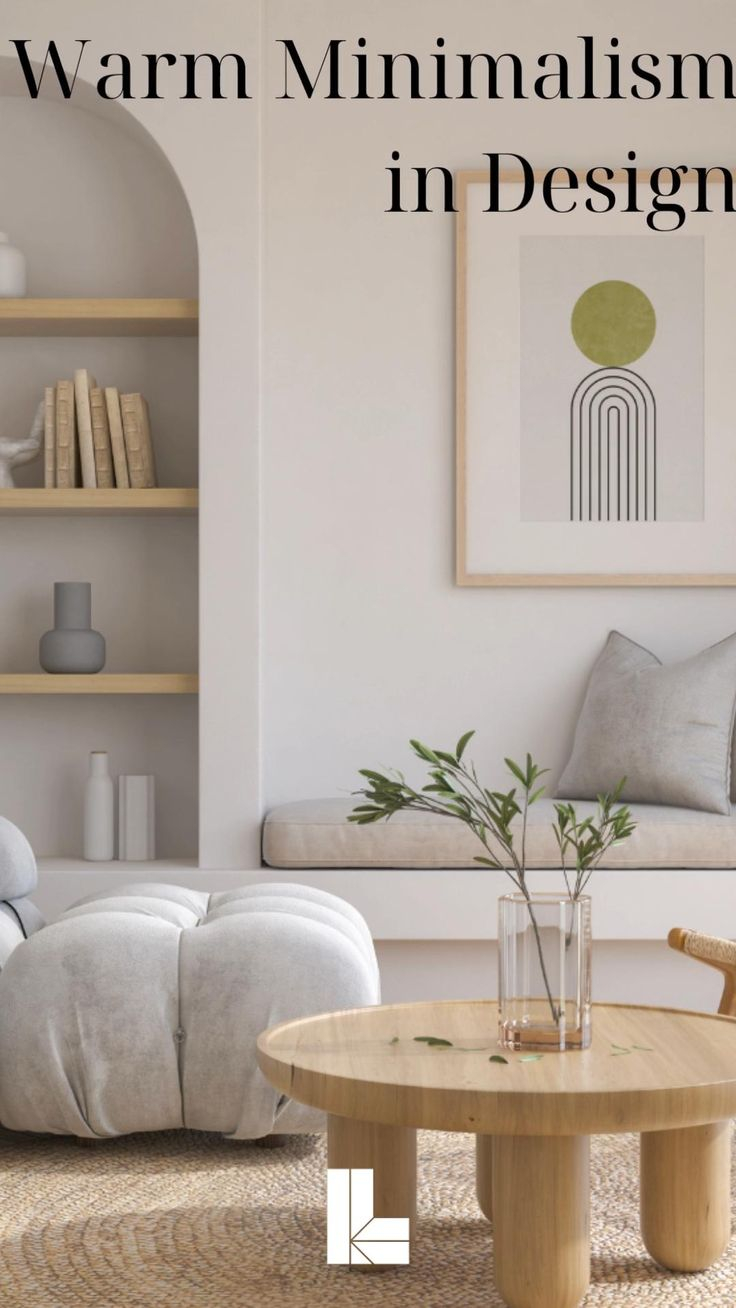
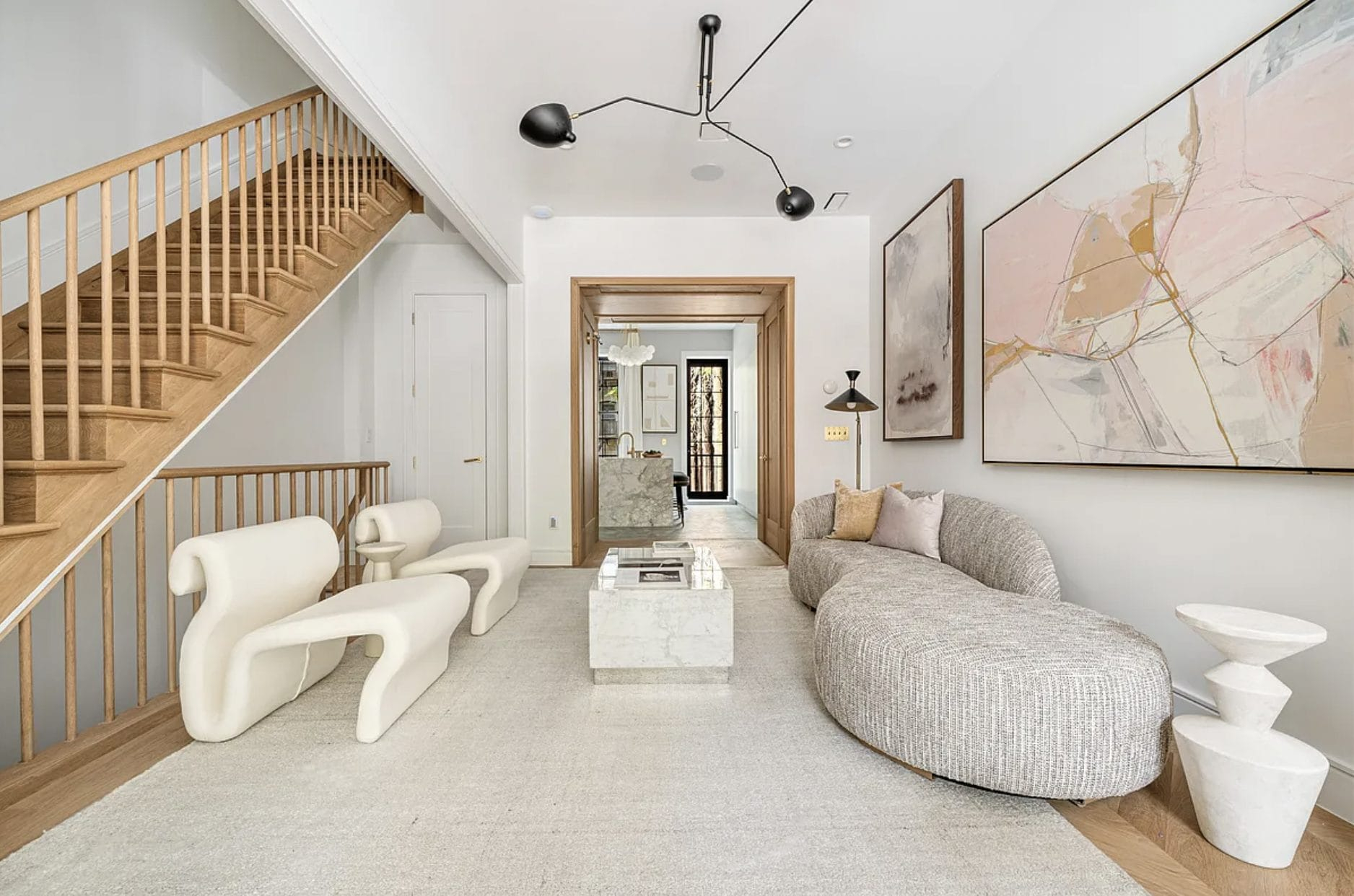
Contemporary design, however, loves a curve. In 2026, the "soft minimalism" trend is huge. You’ll see arched doorways, curved sofas, round coffee tables, and circular mirrors. The lines are fluid. They move. The architecture might feature sweeping staircases or rounded corners on walls. It’s less about the grid and more about the flow.
Think of it this way: Modern design draws a box. Contemporary design draws a wave. This doesn’t mean Contemporary is chaotic. It’s still minimalist. But it’s softer. It’s more organic in its shape, even if the materials are industrial. If you walk into a room and your eye travels in a smooth arc, you’re likely in a Contemporary space. If your eye moves in straight jumps from corner to corner, you’re in a Modern one.
Furniture and Decor: Icons vs. Statements
Furniture is where the budget often goes, so get this right. Modern furniture is about icons. You know the names. The Eames Lounge Chair. The Noguchi Table. The Barcelona Chair. These pieces are investments. They are recognizable. They hold their value. When you furnish a Modern home, you’re curating a collection of classics. Each piece stands alone. It’s sculptural. You don’t clutter. You select.
If you’re renovating a Modern space in 2026, you might mix vintage finds with high-quality reproductions. The key is authenticity. Even if it’s a reproduction, it needs to respect the original design principles. No fluff. No frills. Just pure form and function.
Contemporary furniture is more experimental. It’s about what’s new. You might see a sofa with an unusual asymmetrical shape. A light fixture that looks like a cloud. A table made from a single slab of resin and wood. It’s trendy, but in a good way. It’s fresh. It doesn’t have to be a "classic" to be valuable. It just has to be striking.
Decor in Modern homes is minimal. A single large abstract painting. A ceramic bowl. Less is more. In Contemporary homes, decor can be more eclectic. You might see a gallery wall of mixed media art. A collection of plants (biophilic design is huge in 2026). Tech-integrated decor, like frames that display digital art. It’s personal. It’s expressive. It changes with the times.
Making It Work for Your Renovation
So, which one do you choose? Here’s the secret: you don’t have to pick just one. In 2026, the best homes often blend both. This is called "Transitional" or "Eclectic" design, but it works best when you have a dominant style. Ask yourself: Do I want a home that feels timeless and grounded? Go Modern. Do I want a home that feels current and dynamic? Go Contemporary.
Start with your architecture. If you live in a mid-century ranch, leaning into Modern design makes sense. It honors the bones of the house. If you’re in a new build with open concepts and high ceilings, Contemporary might fit better. It complements the blank canvas.
But don’t be afraid to mix. Imagine a Modern kitchen with sleek, flat-panel cabinets and walnut veneers (Modern) paired with a contemporary waterfall island in quartzite and pendant lights with organic, curved shapes (Contemporary). It works because the materials bridge the gap. The wood warms up the stone. The curves soften the lines.
Practical tip: Pick one style for your "hard" finishes (floors, cabinets, tiles) and the other for your "soft" finishes (furniture, art, rugs). This prevents the space from feeling confused. If your floors are warm teak (Modern), try a sleek, curved sofa (Contemporary). If your walls are stark white concrete (Contemporary), add a vintage Eames chair (Modern).
Also, consider your lifestyle. Modern design requires maintenance. Those beautiful wood surfaces need oiling. The minimalism means you can’t hide clutter. Contemporary design, with its durable materials and flexible decor, can be more forgiving for families with kids or pets. In 2026, many contemporary materials are stain-resistant and tough, making them practical for real life.
At the end of the day, your home is your sanctuary. It shouldn’t feel like a magazine spread. It should feel like you. Whether you lean towards the warm, structured elegance of Modern design or the fluid, evolving vibe of Contemporary style, the goal is comfort.
Don’t get bogged down in purity. If you love the clean lines of Modern but hate the lack of color, add those contemporary pops of teal. If you love the drama of Contemporary but miss the warmth of wood, bring in those mid-century accents. The labels are just tools to help you communicate with your designer. They aren’t rules.
Renovating is stressful. It’s messy. But understanding these differences gives you control. It helps you articulate what you want. It saves you from buyer’s remorse. So, take a breath. Look at your space. Decide what speaks to you. Is it the timeless calm of the past? Or the exciting pulse of the present?
Maybe it’s both. And that’s okay. In fact, that’s probably the most modern thing you can do in 2026. Create a space that honors history while embracing the now. That’s not just good design. That’s good living. Now, go make some mistakes. Paint a wall. Move a chair. See how it feels. Your home is waiting.