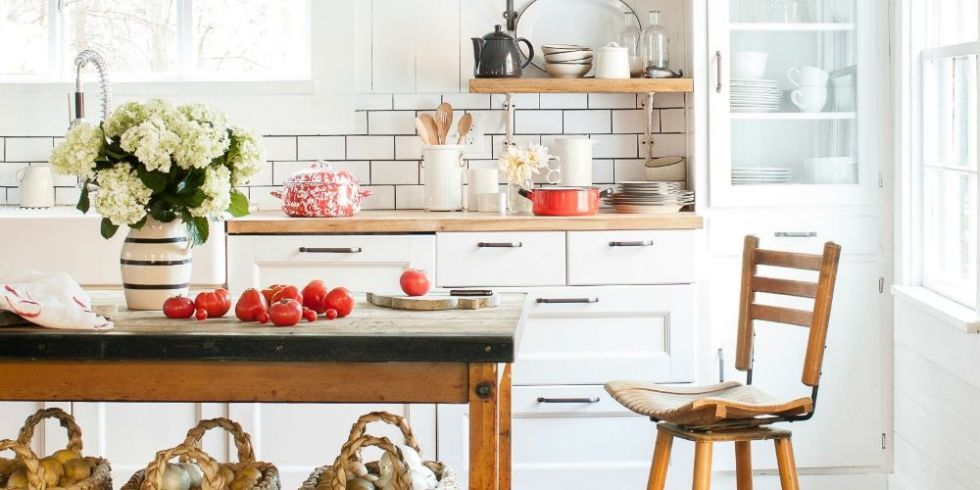
Ever feel like you are playing a high-stakes game of Tetris just trying to make dinner? You open the fridge, and the door hits the dishwasher. You prep a salad, and suddenly there is zero room for the cutting board. Small kitchens can truly test your patience, but they also hold a secret. With the right design tweaks, you can make a tiny cooking zone feel twice its actual size.
We have all looked at those giant, sprawling kitchen islands in magazines and sighed. But let’s be real—most of us are dealing with real-world footprints. The good news is that big style and high functionality do not require massive square footage. It is all about tricking the eye and maximizing every single inch of available room.
Embrace the Power of the Galley Layout
There is a reason professional chefs love a classic galley kitchen. This layout features two parallel runs of cabinetry with a walkway right down the middle. By keeping everything streamlined along two walls, you eliminate dead corners and keep your workspace incredibly efficient. It streamlines your cooking process because everything is just a step or two away.
If your space is particularly tight, consider making one side shallower than the other. Standard counters are 24 inches deep, but dropping one side down to 18 inches opens up valuable floor space. It gives you extra breathing room to move around without sacrificing all your prep area. Plus, it keeps the center aisle feeling less like a claustrophobic hallway.
Ditch the Upper Cabinets for Open Shelving
Heavy upper cabinets can make a small kitchen feel like it is closing in on you. They block light and cast shadows, making the room feel boxy. Swapping out at least some of those bulky wall cabinets for thick floating shelves instantly opens up the sightlines. Suddenly, your walls feel further away than they actually are.
Of course, the big worry here is storage. The trick is to only display the items you use every day, like your favorite mugs, plates, and bowls. This keeps dust from settling on them and ensures the shelves stay functional. For the less attractive essentials, keep them tucked away in the lower cabinets. It is a simple trade-off that yields massive visual rewards.
When your eyes move across a room, they naturally stop at big breaks in color and material. A stainless steel refrigerator or a dark dishwasher sticks out like a sore thumb in a small space, cutting the room into smaller visual chunks. This is where integrated, paneled appliances come into