Ever walked into an open layout and thought, where does the living room actually end and the kitchen begin. It is a common dilemma. We all love the bright, breezy feel of a big, wall-free space, but without a plan, it easily turns into one giant catch-all zone.
The good news is you do not need a sledgehammer or a team of contractors to fix it. Refreshing your open floor plan is all about creating smart visual boundaries that let your daily life move smoothly from breakfast to movie night. Let us look at how to bring harmony to your main living zone.
Map Out Clear Walkways First
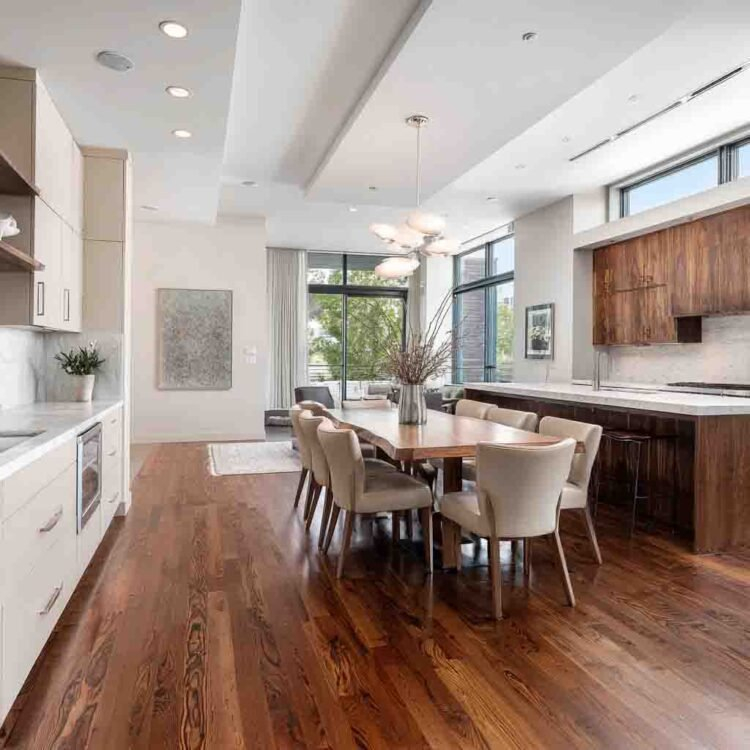
Before moving a single piece of furniture, look at how you naturally walk through the room. A great layout means you never have to dodge the corner of a coffee table or squeeze past a chair to grab a glass of water. Try to leave a clear path of about three feet for your main walking lanes.
If your sofa currently blocks the natural line of sight from the front door to the kitchen island, it is time to shift things around. Floating your furniture away from the walls rather than pushing everything against them instantly makes the room feel more intentional and spacious.
Define Zones With Area Rugs
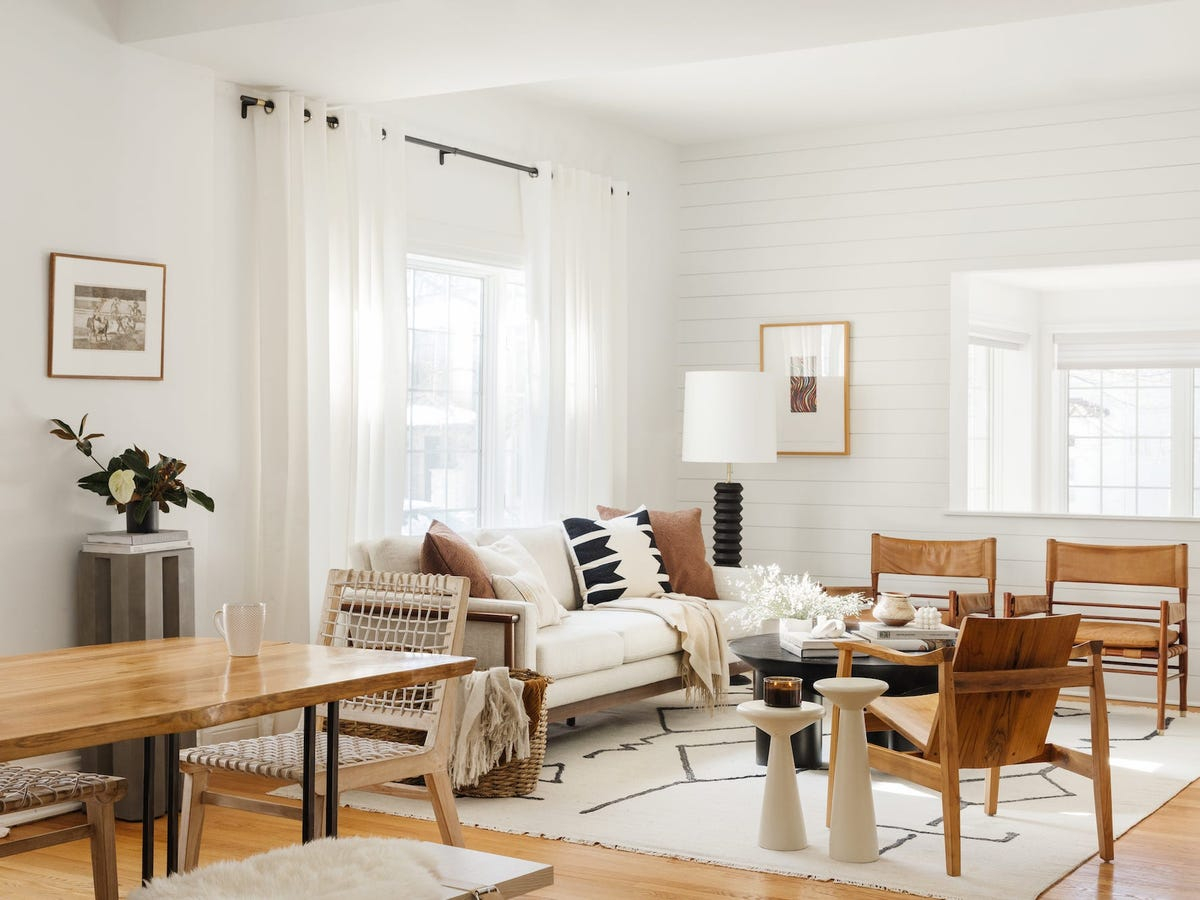
Rugs are essentially walls that sit flat on the floor. They are the easiest tool to tell your eyes where one "room" stops and another starts. A large plush rug can anchor your main sitting area, while a different texture or flat-weave style defines the dining spot.
Just make sure your rugs are big enough. A tiny rug makes a floating seating area look like it is lost at sea. Ideally, all the legs of your couch and chairs should sit on the rug, or at least the front feet.
Group Your Furniture Wit Purpose
Instead of letting your furniture scatter across the giant room, group items together into cozy little islands. Position your sofa with its back to the kitchen or dining area. This creates a subtle, built-in divider that partitions the relaxation zone without blocking light.
You can also place a slim console table right against the back of that sofa. Toss a few books and a couple of low lamps on it, and suddenly you have a beautiful transition piece that hides the plain back of your couch.
Stick to a Single Color Family
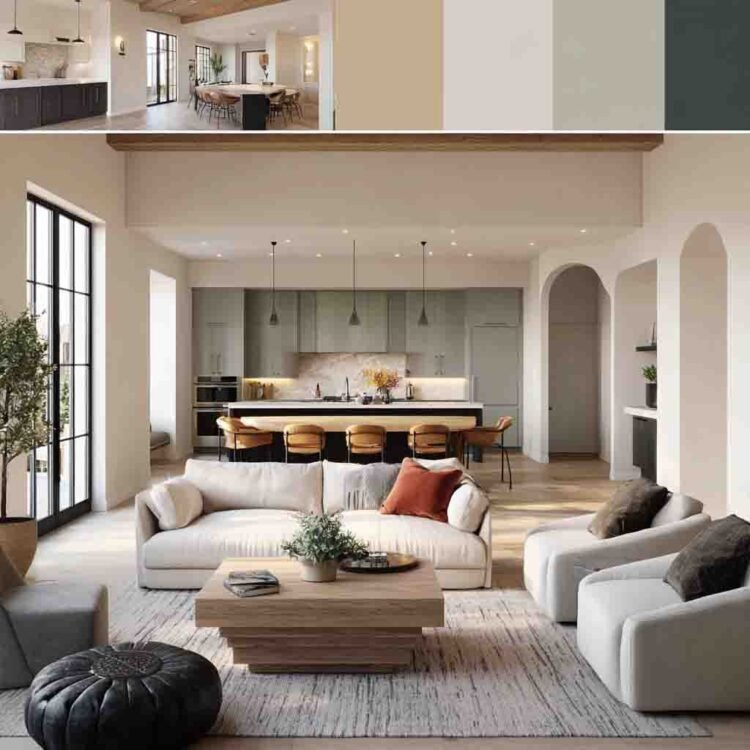
When walls are missing, color becomes the glue that holds everything together. You do not want your kitchen to feel like a sleek modern spaceship while your living area looks like a rustic cabin. Choosing a unified color palette, like warm neutrals or soft greys, creates instant visual peace.
This does not mean everything has to be the exact same shade. Pick one main color for the walls, then sprinkle matching accent colors through throw pillows, kitchen towels, and art across the entire space to tie it together.
Use Lighting to Create Different Moods
Relying on a single set of bright ceiling lights will make your open space feel cold and stark. Instead, think of lighting in layers. Put a dramatic pendant light over the dining table, place task lighting under your kitchen cabinets, and add warm floor lamps by the reading chairs.
By using different switches, you can dim the kitchen area after dinner while keeping the living room cozy and bright for game night. It changes how the room feels with the flip of a switch.
Match Your Windows for a Clean Look
It is easy to forget about the windows, but they play a massive role in how a big room feels. Using different blinds or curtains on every window visible in the main area creates a messy, choppy look.
Try to use consistent window treatments throughout the entire open space. Keeping the same style, fabric, or color across all the windows pulls the whole view together and makes the exterior and interior flow beautifully.
Refreshing an open floor plan is really just a balancing act. It is about finding that sweet spot where your kitchen, dining, and relaxation spots feel like distinct rooms but still talk to each other. When you get the flow right, your home naturally feels larger, cozier, and much more relaxing to live in.
Take a look at your space today and see where the sightlines get blocked or where a rug might add some comfort. With just a few small shifts in your furniture and decor, you can turn a chaotic great room into a beautifully connected home.