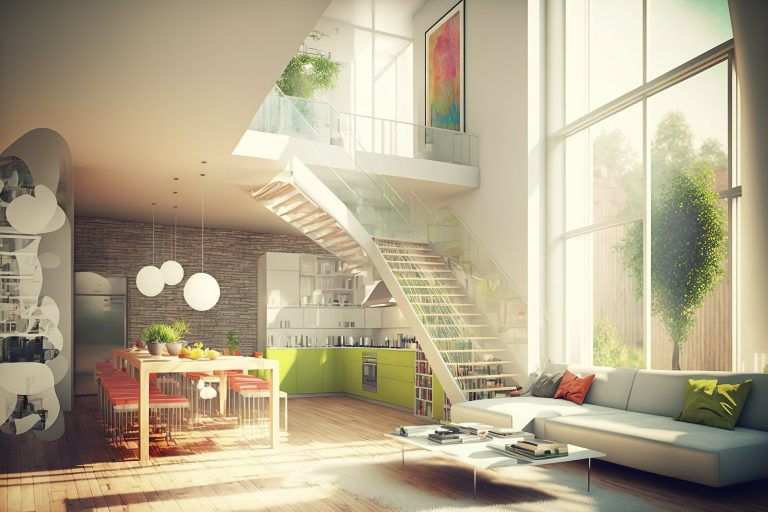
Ever walked into a room and felt instantly relaxed, but you couldn’t quite finger why. Or maybe you’ve stared at a beautifully furnished space that somehow felt cold and flat. Most people blame the furniture or the paint color. But more often than not, the real culprit is sitting right above your head.
Professional interior designers have a secret: an expensive couch won’t save a poorly lit room, but clever light placement can make budget furniture look incredibly inviting. Let’s look at the unspoken layout and illumination patterns that transform basic rooms into cozy sanctuaries.
1. Ditching the "Big Light
For decades, the standard way to build a room was to slap a single, bright light fixture right in the center of the ceiling and call it a day. Designers call this the "ambient trap." Relying on one central source creates harsh shadows and flattens your decor. It makes a home feel more like a doctor’s office than a personal haven.
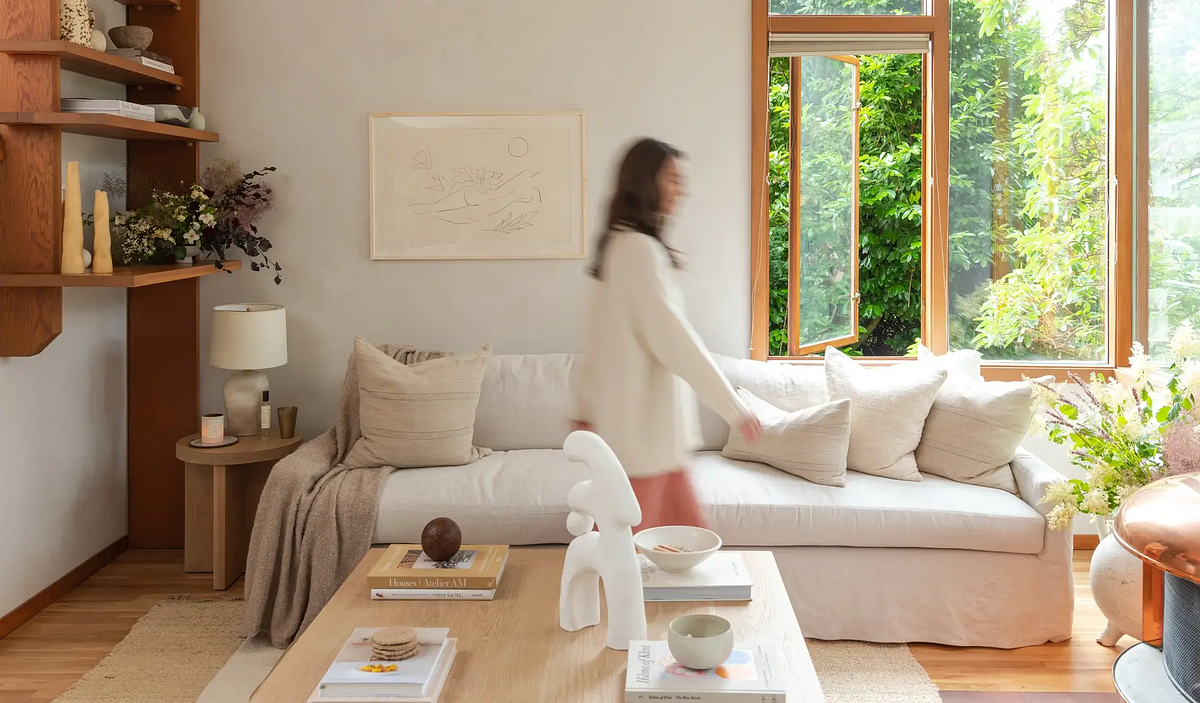
In a recent poll of one hundred interior decorators, every single one agreed that eliminating central ceiling fixtures as the primary light source is the fastest way to upgrade a home. Instead, the magic happens when you bring the illumination down to eye level using multiple table and floor lamps scattered throughout the space.
2. Mastering the Three Magic Layers
To get that rich, high-end magazine look, you need to layer your light like clothing. The first layer is ambient, which is your general overhead safety light. The second is task lighting, like a focused reading lamp next to your favorite armchair or bright under-cabinet strips in the kitchen so you don’t chop a finger off.
The third, and most forgotten layer, is accent lighting. This is where you get creative. Think of a small spotlight highlighting a beautiful painting, or a warm LED strip tucked behind a bookshelf. By blending these three types together, you create depth, contrast, and visual interest.
3. The Rules of Furniture Flow and Clearance
Layout and light are best friends; you really cannot fix one without thinking about the other. A common mistake is pushing every single piece of furniture flat against the walls, leaving a giant, awkward dead zone in the middle of the room. Designers call this "wallflower syndrome."
Instead, try pulling your sofas and chairs inward to create intimate conversation zones. Just make sure you leave about 15 to 18 inches between your coffee table and the sofa. This gives you enough legroom to move around comfortably while keeping your coffee within arms reach.
4. Getting the Color Temperature Right
Have you ever bought a bulb that looked normal in the store, but turned your living room a ghostly shade of blue. That is all about color temperature, measured in Kelvins. Beginners often overlook this, but it completely dictates the mood of your home.
For spaces where you want to relax, like bedrooms and living areas, look for bulbs labeled "warm white" (around 2700K to 3000K). Save the cooler, brighter bulbs (4000K and up) for utility spaces where you actually need to see details clearly, like the garage, laundry room, or inside your closet.
5. Finding the Right Fixture Heights
Where you hang your lights matters just as much as what they look like. If a dining room chandelier is too high, it detaches from the table; too low, and your guests will be ducking around it. A good rule of thumb is to hang dining pendants about 30 to 36 inches above the tabletop.
For living room walkways, ensure any hanging fixtures have at least 7 feet of clearance from the floor so tall guests don’t bump their heads. When placing bedside lamps, the bottom of the lampshade should sit roughly at your eye level when you are sitting up in bed reading.
Recessed cans (those little lights built into the ceiling) are great for modern spaces, but people tend to overdo them. If you line them up in perfectly straight rows down your hallway or living room, it ends up looking like an airport runway.
Instead, use them selectively to wash light down walls or highlight architectural features. Pair them with dimmers so you can soften the intensity when evening rolls around. Being able to control the brightness is the ultimate cheat code for instant atmosphere.
Fixing a room doesn’t require a massive budget or a total demo. By simply moving a few lamps, mixing up your light layers, and pulling your sofa away from the wall, you can completely change how your home feels.
Take a look around your favorite room tonight. Is the lighting doing your furniture justice, or is it time to turn off the big light and experiment with a few cozy lamps. Small shifts in placement make a world of difference.