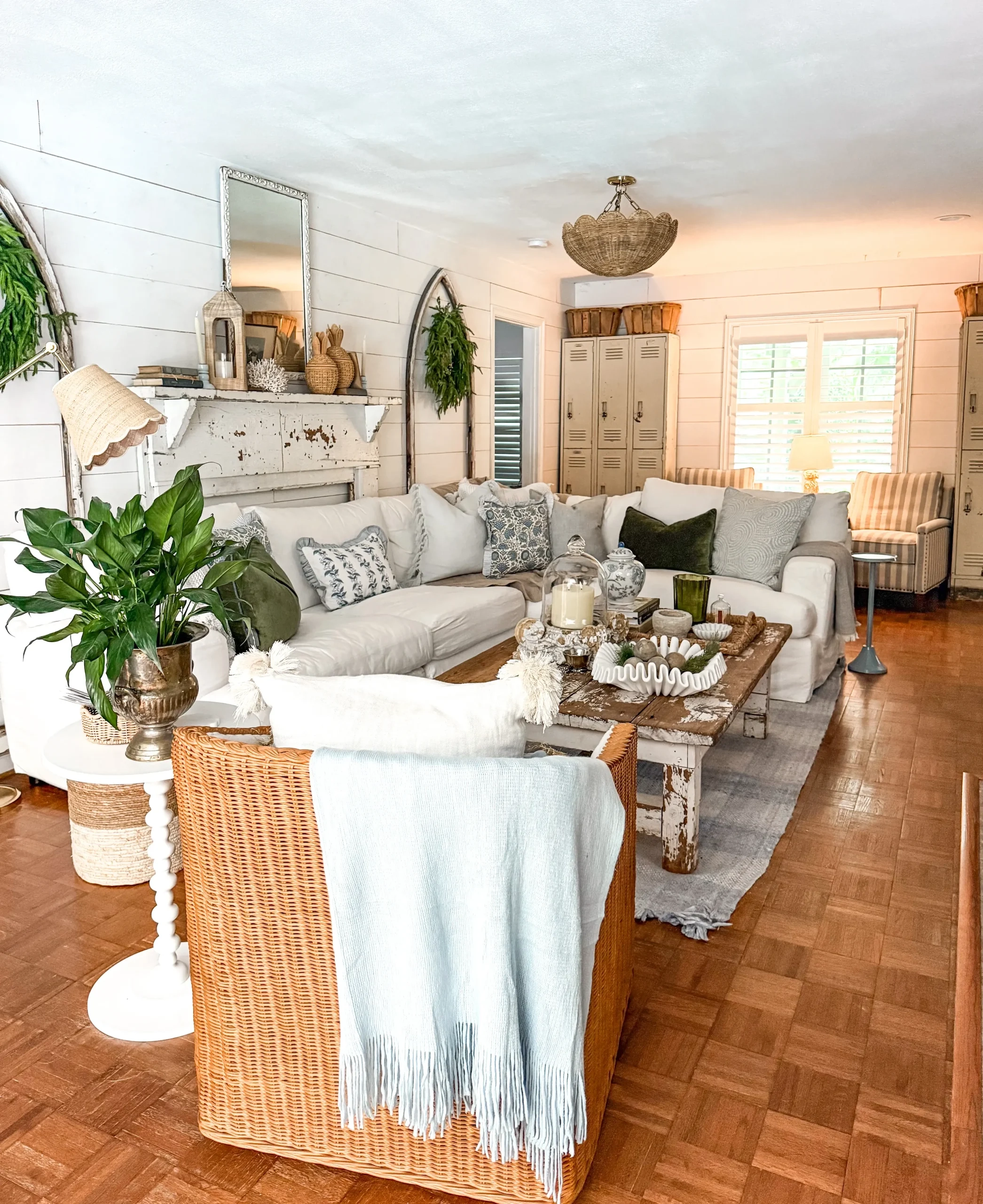
Ever stood in the middle of a completely empty room, looking at the blank walls, and felt a sudden wave of panic. It is a super common feeling. You have got this amazing new canvas, but suddenly you are paralyzed by choices. What color should the walls be? Will that couch even fit? How much is this all going to cost.
Take a deep breath. You are not alone in feeling this way. In fact, home decor fatigue is a huge thing people are talking about lately. The trick isn’t to buy everything all at once; it is actually about slowing down and enjoying the process. Let us talk about how to map out your space without the stress.
Start by Gathering Your Visual Vibs
Before you spend a single dollar, you need to figure out what you actually like. This doesn’t mean you have to become an overnight expert on historical design eras. Just start saving pictures that make you happy. You can use Pinterest, flip through magazines, or snap photos of spaces you visit.
After a few weeks, you will start to notice a pattern. Are you constantly drawn to bright, sunlit rooms with lots of plants? Or do you prefer dark, cozy spaces with heavy blankets and moody lighting? Spotting these patterns gives you a solid foundation so you don’t second-guess yourself later on.
Embrace the Magic of Slow Decorating
One of the biggest mistakes people make when moving into a new place is trying to get it completely finished in a weekend. That is a fast track to buyer’s remorse. Instead, give yourself permission to live in the space for a little while before making big choices.
See how the natural light moves through the rooms during the day. Notice where you naturally end up dropping your keys or kicks when you walk through the door. Letting your home evolve over time means you will end up with pieces you actually use and love, rather than random items you bought just to fill an empty corner.
Focus on One Room at a Time
Trying to design an entire house all at once is a recipe for total overwhelm. Break the project down into bite-sized pieces. Pick just one single room to start with—usually the one where you spend the most time, like your bedroom or the living area.
Locking your focus onto one specific zone keeps your mind clear and your budget in check. Once that room feels comfortable and functional, you will have the confidence and momentum to tackle the next space.
Invest in Your Anchor Items First
Every room has one or two main pieces of furniture that do most of the heavy lifting. In the living room, it’s the sofa. In the bedroom, it’s the bed. These are your anchor items, and they are where you should spend the majority of your budget.
Go for neutral colors and timeless styles for these big pieces. It is much easier and cheaper to swap out a couple of bright throw pillows or a rug in a few years than it is to replace a massive, brightly colored sectional that you’ve grown tired of.
Get Friendly with Your Tape Measure
Nothing kills the excitement of a new purchase like realizing it blocks the hallway or covers a heat vent. Double-check your dimensions before you buy anything.
A great trick is to use painter’s tape to outline the shape of a piece of furniture directly on your floor. This gives you a real feel for how much physical space the item will occupy and lets you practice walking around it before you make a commitment.
Once your main furniture is set up, it’s time for the fun part: adding the details that make it feel like you. This is where things like art, lighting, and textiles come into play.
Don’t worry about matching everything perfectly. Mix different textures—like a smooth leather chair with a chunky knit blanket. Hang up art that actually means something to you, whether it is a poster from a favorite concert or a framed postcard from a trip. These tiny touches are what turn a house into a real home.
At the end of the day, remember that decorating is a journey, not a race. Your home should be a reflection of your life, and lives take time to build. Don’t stress over a bare wall or an empty corner; look at them as spaces waiting for the right story to happen.
Take it one step at a time, trust your instincts, and enjoy creating a sanctuary that feels entirely your own. You have got this.