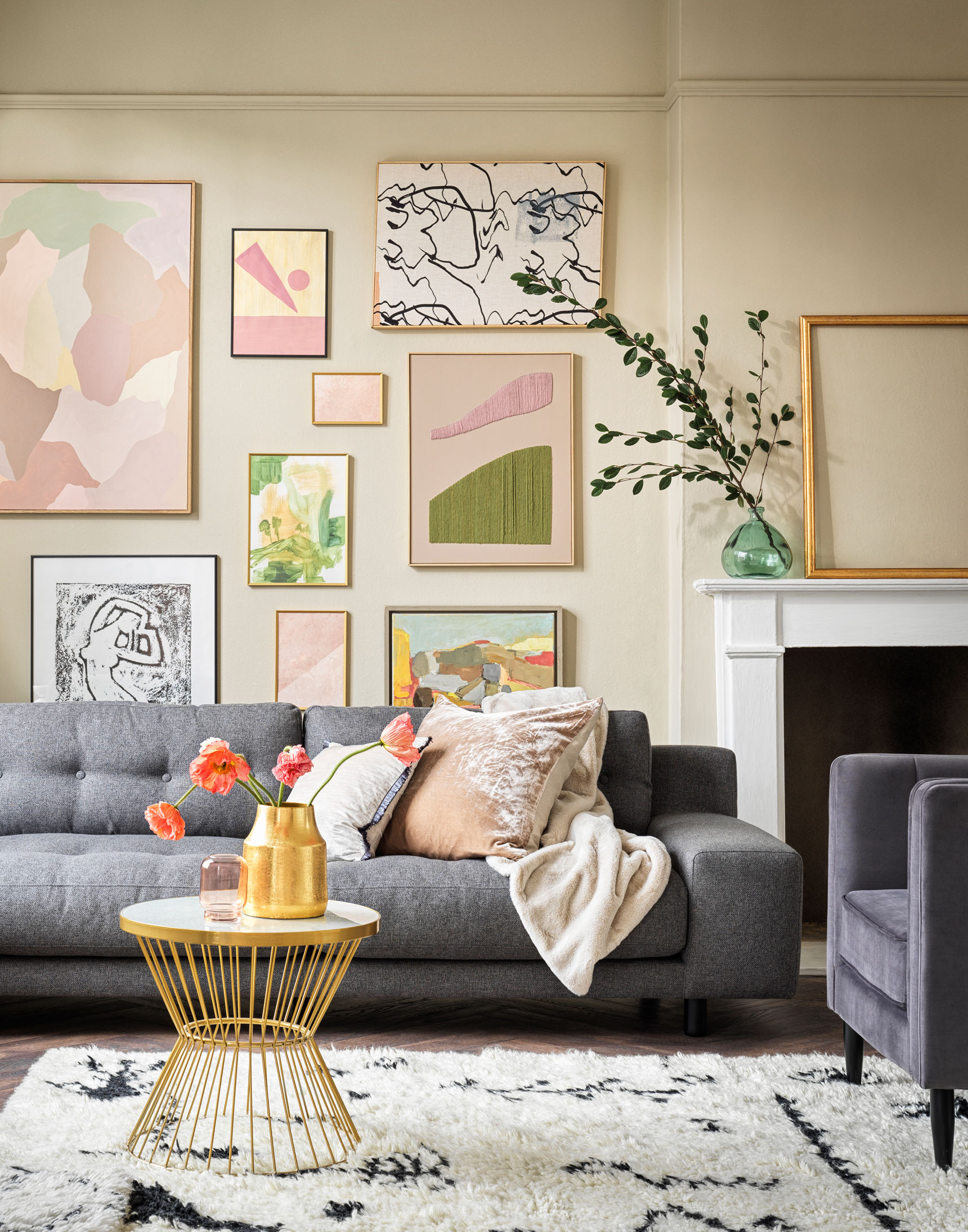
Ever walked into a room that just felt right. You know the feeling—the colors blend perfectly, the furniture doesn’t block your path, and the whole vibe feels cozy and complete. Then you look at your own space and think, "Where do I even start?"
It is completely normal to feel stuck when staring at a blank room. Buying a random couch or picking a paint color because it looked good in a store often leads to a mismatched mess. But creating a beautiful room isn’t a superpower reserved for expensive pros. Anyone can do it when they break the process down into simple, bite-sized pieces.
1. Figure Out How You Actually Live
Before you look at a single paint chip, you need to ask yourself what this room will actually do. A gorgeous room is useless if it doesn’t fit your daily routine. Think about who uses the space and what happens there.
Are you designing a living area where kids and pets will be spilling snacks? Or maybe a quiet home office where you need total focus. Jot down a quick list of your absolute non-negotiables. This keeps you grounded so you don’t buy fragile furniture when you actually need durable, stain-resistant fabrics.
2. Take Real Measurements and Tweak the Layout
Placing furniture without measuring first is a recipe for disaster. Grab a tape measure and sketch the shape of your walls. Don’t worry, you do not have to be an artist. Note down where windows, doors, and electrical outlets sit so you don’t accidentally block them later.
Once you have your numbers, use a free online layout planner like SmartDraw or Canva to play around with furniture shapes. You can drag and drop virtual couches and tables to see what fits. Make sure you leave plenty of walking space so you aren’t constantly bumping your shins on the coffee table.
3. Find Your Visual Spark
Now comes the fun part. You want to gather inspiration to figure out your personal style. Spend some time scrolling through Pinterest or saving ideas on Instagram, but don’t just copy someone else’s house exactly. Look for common threads in the photos you save.
Do you notice a lot of warm wood tones. Maybe you are drawn to moody, dark walls or bright, sunny spaces. Collect these pictures into a basic mood board. Seeing everything side-by-side helps you notice patterns and ensures the vibe stays uniform across the entire room.
4. Build a Simple Color Palette
Colors have a massive impact on how a room feels, but choosing them doesn’t need to be scary. A foolproof trick is to pick three main colors: a dominant shade for the walls, a secondary color for large furniture items, and an accent color for smaller decor pieces like pillows or art.
Try to keep your palette consistent, especially if your room connects directly to another area of the house. If you love neutral spaces, you can add visual interest by mixing different textures like chunky knit blankets, smooth leather, and raw wood instead of loading up on bright colors.
5. Choose Your Anchor Pieces First
When it is time to start buying, always start with the largest, most critical items. In a bedroom, that is your bed frame. In a living room, it is the sofa. These are your anchor pieces, and they swallow up the most visual space and budget.
Investing in decent quality for these big items pays off in the long run. Once the main piece is sitting in the room, it becomes incredibly easy to choose matching side tables, rugs, and lighting that complement it perfectly.
The final step is what makes a room feel human and lived-in. Relying on a single, bright overhead light can make a space feel cold and clinical. Instead, mix in a few different light sources like a cozy floor lamp by a chair or a small lamp on a bookshelf.
After that, toss in your personality. Hang up some meaningful artwork, add a few plants, and lay down a soft rug to tie everything together. These finishing touches don’t need to cost a fortune, but they are what truly turns a house into a home.
Mapping out a room from scratch might seem like a giant puzzle at first glance, but it gets much easier when you take it step by step. By focusing on how you use the space, nailing down the layout, and sticking to a simple color plan, you will naturally create a cohesive environment.
Don’t rush the process or feel like you have to buy everything in a single weekend. The best rooms are built over time, filled with pieces you actually love. Take a deep breath, trust your gut, and enjoy watching your blank space come together.
What room are you planning to tackle first?