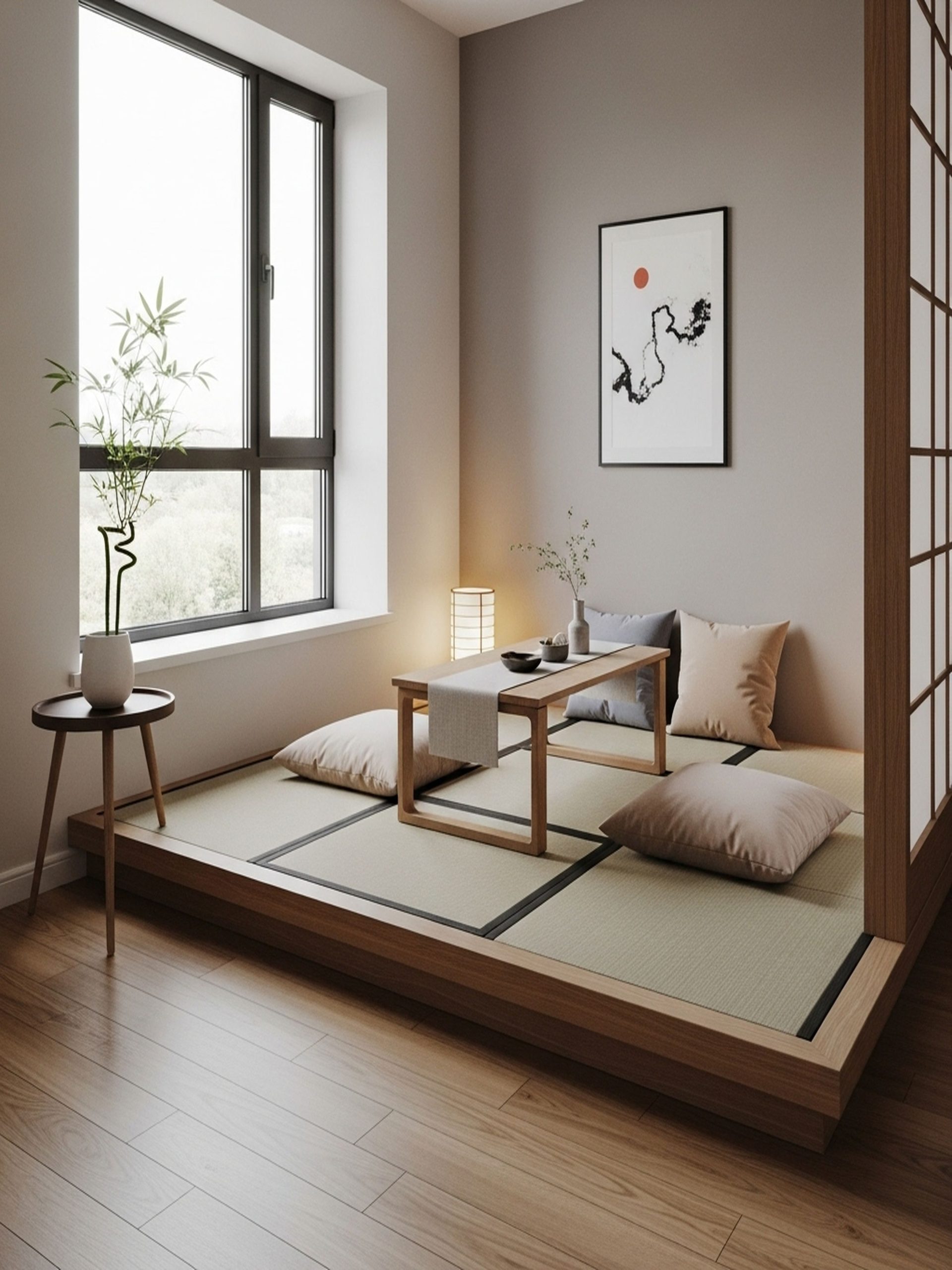
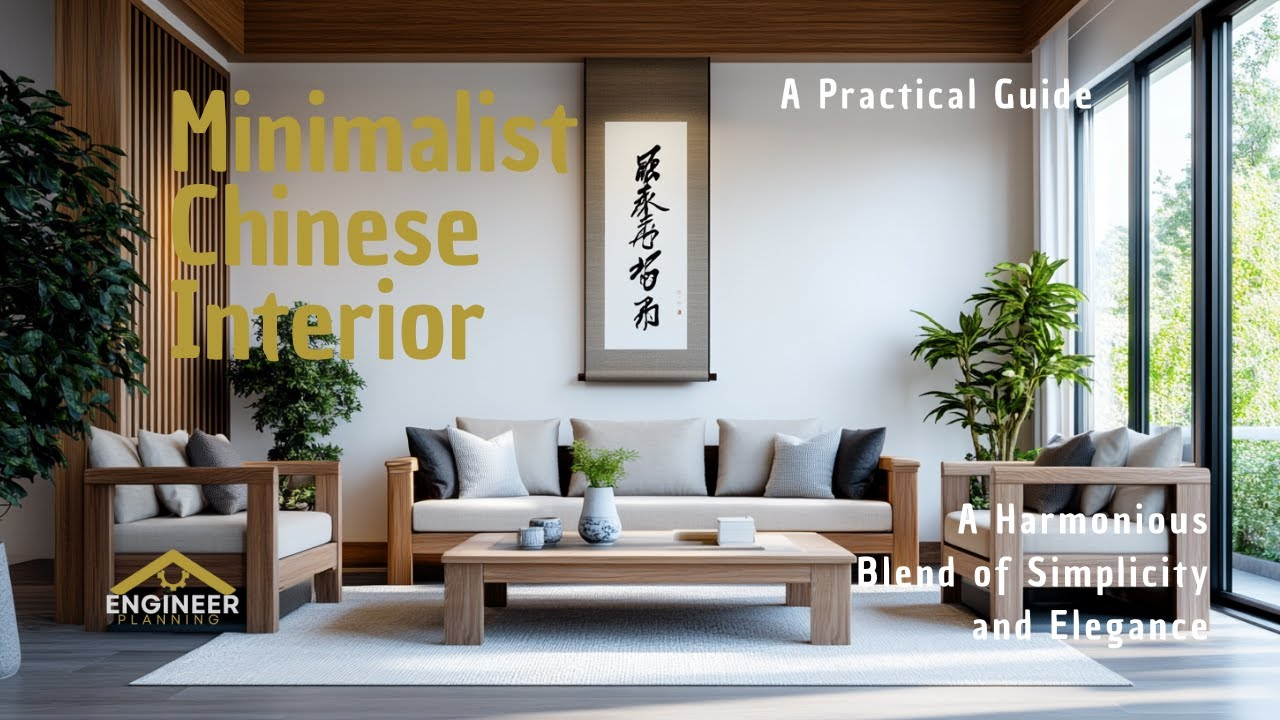
Ever walked into a room and felt… something? It wasn’t just pretty. It had weight. History. But it didn’t feel like a museum exhibit you were afraid to touch. It felt lived-in. Real. That’s the magic trick we’re all chasing, isn’t it? We want our homes to tell a story, but we also want them to function for our modern lives. We crave the warmth of the past without sacrificing the clean, easy lines of the present.
It’s a tricky dance. Lean too hard into the vintage, and your space can start to feel like a stage set for a period drama. Go full modern minimalist, and it might end up feeling cold or sterile, like a showroom rather than a sanctuary. The sweet spot? It’s right in the middle. It’s that effortless blend where a mid-century chair sits comfortably next to a sleek, contemporary sofa, and somehow, they just get along.
In 2026, this approach isn’t just a trend; it’s become the gold standard for interiors that last. People are tired of fast furniture and fleeting fads. They want pieces with soul. They want spaces that breathe. But how do you actually pull it off without it looking like a cluttered attic or a disjointed mess? That’s where having a solid game plan comes in. Think of this not as rigid rules, but as a friendly checklist to guide your eye and boost your confidence. Let’s dive in and see how we can make your space sing.
The Foundation: Understanding the Why Behind the Mix
Before we start moving furniture around, let’s talk about why this mix matters so much right now. In a world that’s constantly changing, our homes have become our anchors. Mixing old and new isn’t just an aesthetic choice; it’s an emotional one. Vintage pieces bring character. They have scratches, patina, and stories. A worn leather armchair doesn’t just sit there; it invites you to sink in and relax. It adds a layer of warmth that brand-new items often struggle to replicate on their own.
On the flip side, modern elements bring clarity and function. They offer the clean lines and open spaces that help a room feel airy and uncluttered. When you pair a sleek, modern kitchen island with vintage barstools, you’re getting the best of both worlds. You get the durability and ease of cleaning from the new, and the unique personality from the old. It creates a dialogue between eras. It says, “I respect where I came from, but I’m living firmly in the now.”
This balance also protects you from the tyranny of trends. If your entire room is based on what’s hot in 2026, it’ll look dated by 2030. But if you anchor your space with timeless vintage finds and accent them with contemporary touches, the look evolves gracefully. It becomes transitional in the truest sense—bridging gaps and defying easy categorization. It’s about creating a backdrop that feels classic yet current, allowing you to swap out smaller items as your taste changes without needing a total overhaul.
Think of it as curating a gallery of your life. Each piece, whether it’s a heirloom quilt or a cutting-edge smart lamp, has a role. The vintage items provide the emotional depth, while the modern pieces ensure the space remains practical and relevant. It’s this interplay that keeps a room interesting. Your eye travels from the smooth surface of a new table to the intricate carving on an old cabinet, and that movement creates visual energy. It’s dynamic, not static. And honestly, isn’t that what we all want? A home that feels alive?
The Golden Ratio: Finding Your 80/20 Sweet Spot
One of the biggest fears people have when mixing styles is that it’ll look messy. Like they just threw things together without a thought. The secret to avoiding that chaotic vibe? Proportion. Many designers swear by the 80/20 rule, and for good reason. It’s a simple framework that takes the guesswork out of balancing your space. The idea is to let one style dominate—about 80% of the room—and let the other style play the supporting role at 20%.
So, how does this look in practice? If you’re drawn to modern minimalism, let your sofas, walls, and major flooring be clean and contemporary. Then, bring in vintage rugs, lamps, or artwork for that 20% punch of personality. Conversely, if you’re a vintage lover at heart, fill your space with those cherished antique finds, but break up the heaviness with modern lighting or a sleek coffee table. This prevents the room from feeling like a time capsule. It keeps things fresh.
Of course, 80/20 isn’t a law written in stone. It’s a starting point. Some rooms might feel better at 70/30 or even 60/40. The key is intentionality. You need to decide which era is leading the conversation. If you try to split it 50/50, the room can feel indecisive. It lacks a clear point of view. By choosing a dominant style, you create a cohesive canvas. The secondary style then acts as the spice. Too much spice overwhelms the dish; too little makes it bland. You’re aiming for just enough to wake up the palate.
Take a walk through your home right now. Look at each room with fresh eyes. Does it feel one-note? Maybe your living room is all modern, and it feels a bit cold. Or perhaps your bedroom is packed with antiques and feels dark and heavy. Make a mental note of what’s missing. If it’s too modern, ask yourself: “Where can I add some warmth?” Maybe it’s a vintage throw pillow or an old wooden chest. If it’s too traditional, think about what could lighten the mood. A modern mirror or a contemporary piece of abstract art could do the trick. It’s about editing and adjusting until the balance feels right to you.
Texture and Material: The Secret Glue That Holds It All Together
Here’s a little secret: color and style aren’t the only things that need to match. Texture is the unsung hero of interior design. It’s what makes a room feel rich and layered. When you’re mixing old and new, paying attention to materials is crucial. You want to create connections between disparate pieces through touch and feel. For instance, the rough, organic texture of an aged wood table pairs beautifully with the smooth, cool surface of a modern glass vase. The contrast highlights the best qualities of both.
Don’t be afraid to mix metals, either. In the past, people were told to stick to one finish. Gold with gold, silver with silver. But in 2026, we know better. Mixing brass hardware on vintage cabinets with matte black modern fixtures adds depth and interest. It shows that the space has evolved over time. Just try to keep the tones somewhat harmonious. If you’re using warm woods and brass, lean into warm accents elsewhere. If you’re going for cooler grays and chrome, keep the palette crisp.
Natural materials are your best friends here. Wood, stone, linen, wool, leather. These elements age gracefully and bridge the gap between eras effortlessly. A vintage wool rug grounds a modern sectional sofa. A live-edge wood shelf adds organic warmth to a sleek, white kitchen. These textures soften the hard edges of modern design and prevent vintage pieces from feeling too dusty or heavy. They create a tactile experience that invites people to linger.
Think about the weight of your objects too. Heavy, solid vintage furniture needs breathing room. Don’t crowd it with too many other substantial pieces. Pair it with lighter, airier modern items. A delicate metal side table next to a bulky oak dresser creates a nice visual rhythm. It’s about balance, not just in style, but in visual mass. You want the eye to move smoothly around the room, resting on different textures and weights without getting stuck or overwhelmed. It’s a subtle art, but once you start noticing it, you’ll see it everywhere.
Color Palette: Creating Cohesion Across Eras
Color is the most powerful tool you have for tying a room together. When you’re pulling pieces from different decades, a unified color palette is what makes them look like they belong in the same universe. Without it, you risk the “yard sale” look, where everything feels random and disconnected. Start by choosing a neutral base. Whites, creams, grays, taupes, or soft blacks. These colors act as the quiet background that allows your furniture to shine. They don’t compete for attention.
Once you have your base, pick one or two accent colors to weave throughout the space. Maybe it’s a deep navy blue or a muted terracotta. Use these accents in both your vintage and modern pieces. A modern throw pillow in navy can echo the blue tones in a vintage ceramic vase. This repetition creates a visual thread that leads the eye from one object to another. It signals to the brain that these items are related, even if they’re from completely different time periods.
Don’t forget the power of monochrome. Using different shades of the same color can be incredibly sophisticated. Imagine a room with varying tones of beige and brown. A light beige modern sofa, a darker brown vintage leather chair, and a tan jute rug. Because they all share the same color family, they harmonize naturally. The differences in texture and shape provide the interest, while the color provides the unity. It’s a foolproof way to mix styles without worrying about clashing hues.
Also, consider the undertones. Warm whites pair better with warm woods and brass. Cool grays work well with sleek metals and painted furniture. Mismatched undertones can make a room feel “off,” even if you can’t quite put your finger on why. Take a moment to check the lighting in your room too. Natural light changes how colors look throughout the day. Test your paint swatches and fabric samples in the actual space before committing. A cohesive palette doesn’t mean boring. It means intentional. It’s the glue that holds your eclectic mix together.
Scale and Proportion: Making Sure Everything Fits
You can have the perfect color palette and beautiful textures, but if the scale is wrong, the room will feel awkward. Scale refers to the size of your furniture in relation to the room and to each other. A massive Victorian armoire will swallow a small, modern apartment bedroom. Conversely, a tiny, delicate mid-century side table might look lost next to a huge, plush contemporary sofa. It’s all about relationship. You need to ensure that your pieces converse with each other respectfully.
Start by measuring your space. Know your dimensions. Then, look at the footprint of your key pieces. Do they leave enough room to walk around? Do they block views or windows? When mixing old and new, pay attention to the visual weight. Vintage furniture tends to be heavier and more ornate. Modern furniture is often lighter and simpler. To balance this, you might pair a heavy vintage dining table with lighter, modern chairs. Or, place a substantial antique credenza against a wall opposite a sleek, low-profile modern sofa.
Height is another factor to consider. Varying the heights of your objects creates rhythm. If everything is the same height, the room feels flat. Mix tall floor lamps with low coffee tables. Hang artwork at different levels. Use bookshelves to display items of varying sizes. This vertical interest draws the eye up and down, making the space feel more dynamic and engaging. It prevents the “showroom” feel where everything is perfectly aligned and predictable.
Don’t be afraid to edit. Sometimes, less is more. If a room feels cluttered, it’s often because there are too many competing scales. Remove one piece and see how it feels. Does the room breathe better? Does the remaining furniture stand out more? Curating is about subtraction as much as addition. It’s about finding the right partners for your favorite pieces. A single, stunning vintage mirror can make a bigger impact than five smaller, mediocre ones. Choose quality and fit over quantity every time.
Lighting is the jewelry of the home. It’s often an afterthought, but it’s actually one of the most important elements in setting the mood. When mixing old and new, lighting offers a fantastic opportunity to bridge the gap. A modern chandelier can update a room filled with antique furniture. Or, a vintage sconce can add charm to a stark, modern hallway. The key is to treat lighting as sculpture. It’s not just about illumination; it’s about form and presence.
Layer your lighting. Don’t rely on a single overhead source. Use a mix of ambient, task, and accent lighting. Floor lamps, table lamps, and candles all contribute to a cozy, inviting atmosphere. Vintage lamps with their fabric shades cast a warm, diffused glow that’s hard to replicate with modern LEDs. Pair them with modern dimmer switches to control the intensity. This combination gives you the aesthetic of the past with the functionality of the present.
Accessories are where your personality really shines. This is where you can be playful. Stack old books on a new coffee table. Place a modern ceramic bowl on an antique dresser. Hang a contemporary print above a vintage fireplace. These small juxtapositions create moments of surprise and delight. They show that the space is curated, not decorated. It reflects a life well-lived and a taste that spans generations.
Don’t overlook the power of greenery. Plants are the ultimate neutral. They look good with everything. A fiddle leaf fig in a modern pot looks great next to a rustic wooden cabinet. Herbs in sleek planters brighten up a vintage kitchen window. Nature brings life and color into any space, softening the lines and adding a fresh, organic element that ties old and new together seamlessly. It’s the final, easy step to making your home feel complete.
So, there you have it. Mixing old and new isn’t about following strict rules. It’s about listening to your instincts and trusting your eye. It’s about creating a space that feels like you. Use this checklist as a guide, but don’t be afraid to break the rules if it feels right. After all, it’s your home. It should tell your story. And what better way to tell it than with a blend of the past’s charm and the present’s clarity? Go ahead. Mix it up. Make it yours.