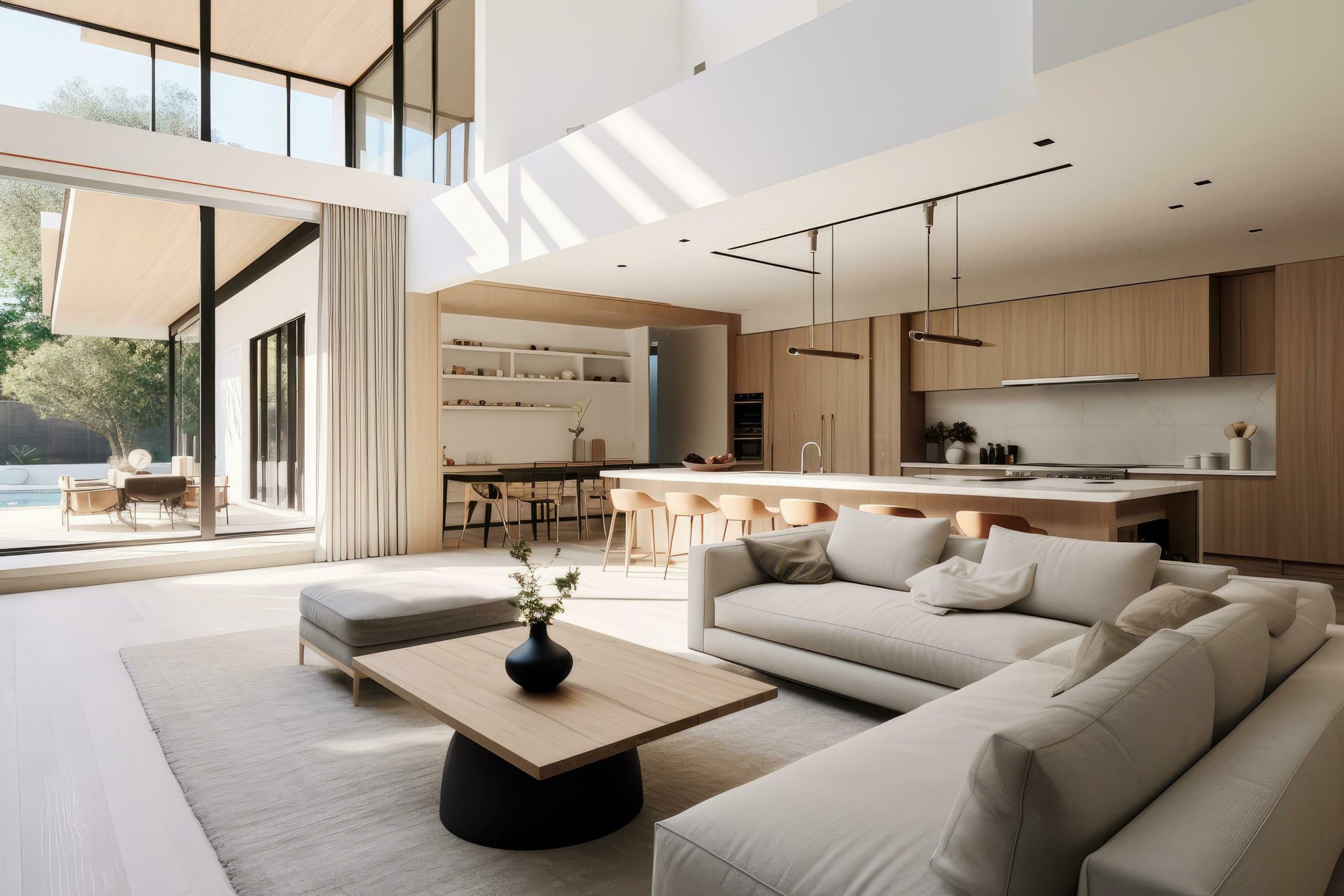
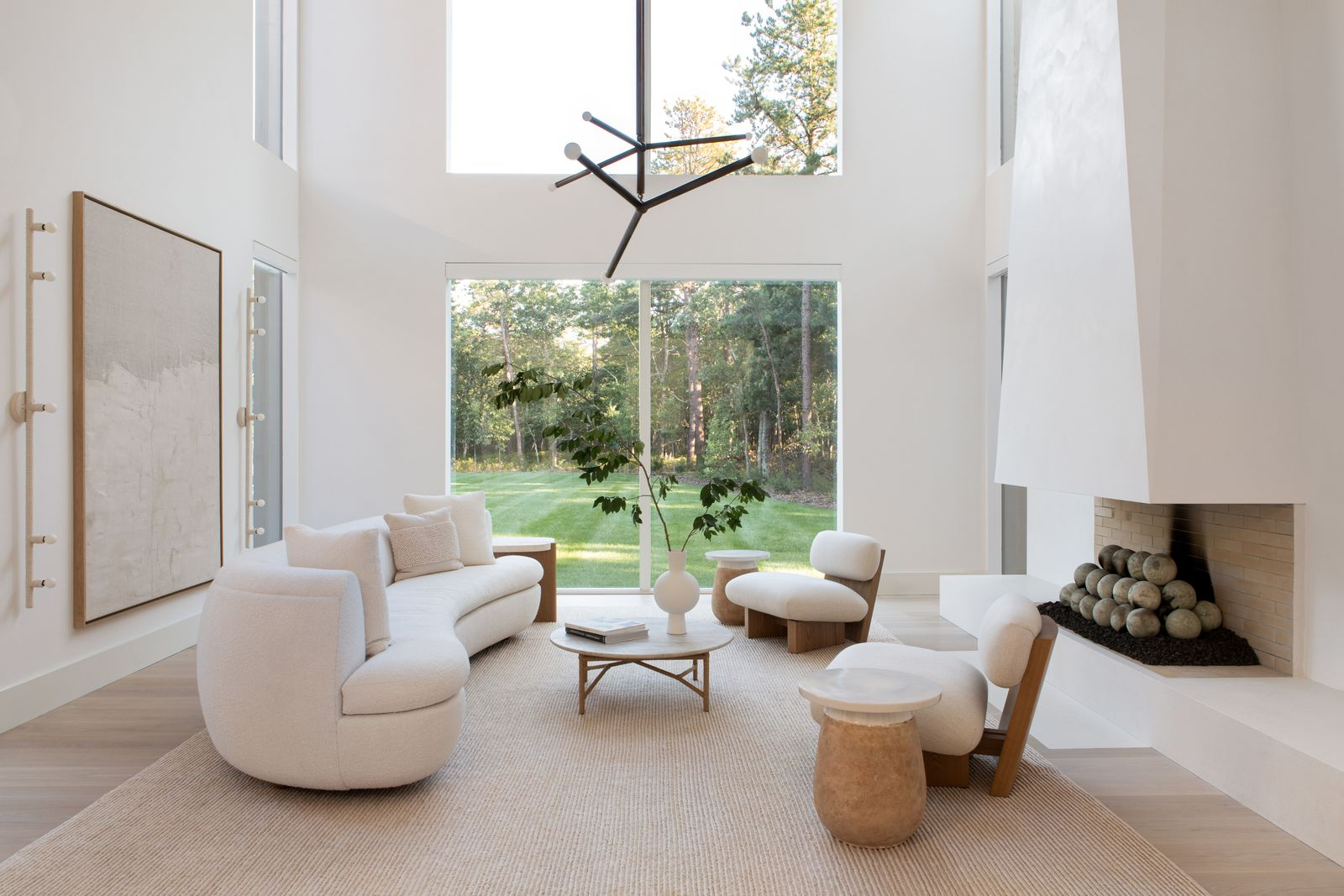
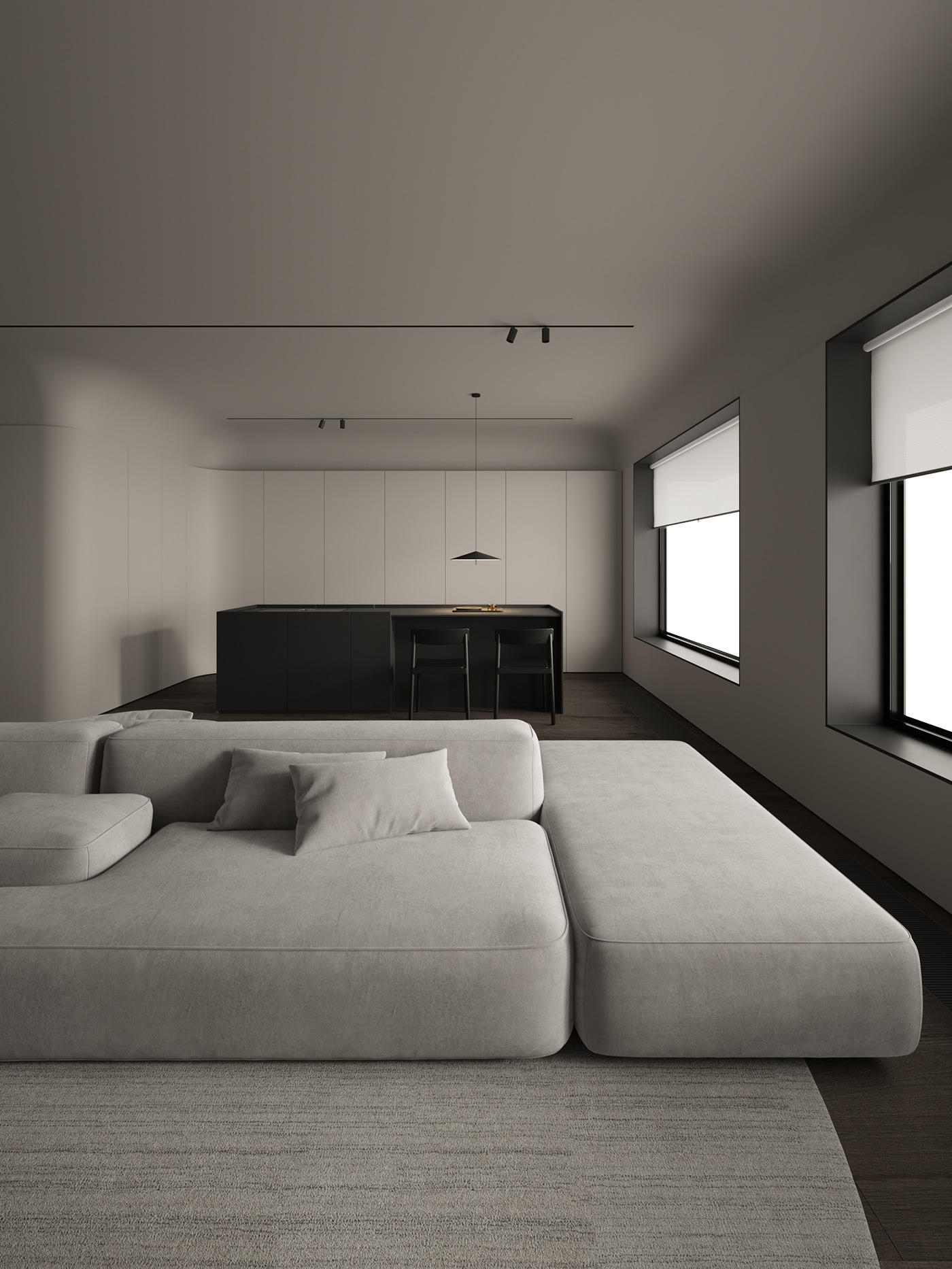
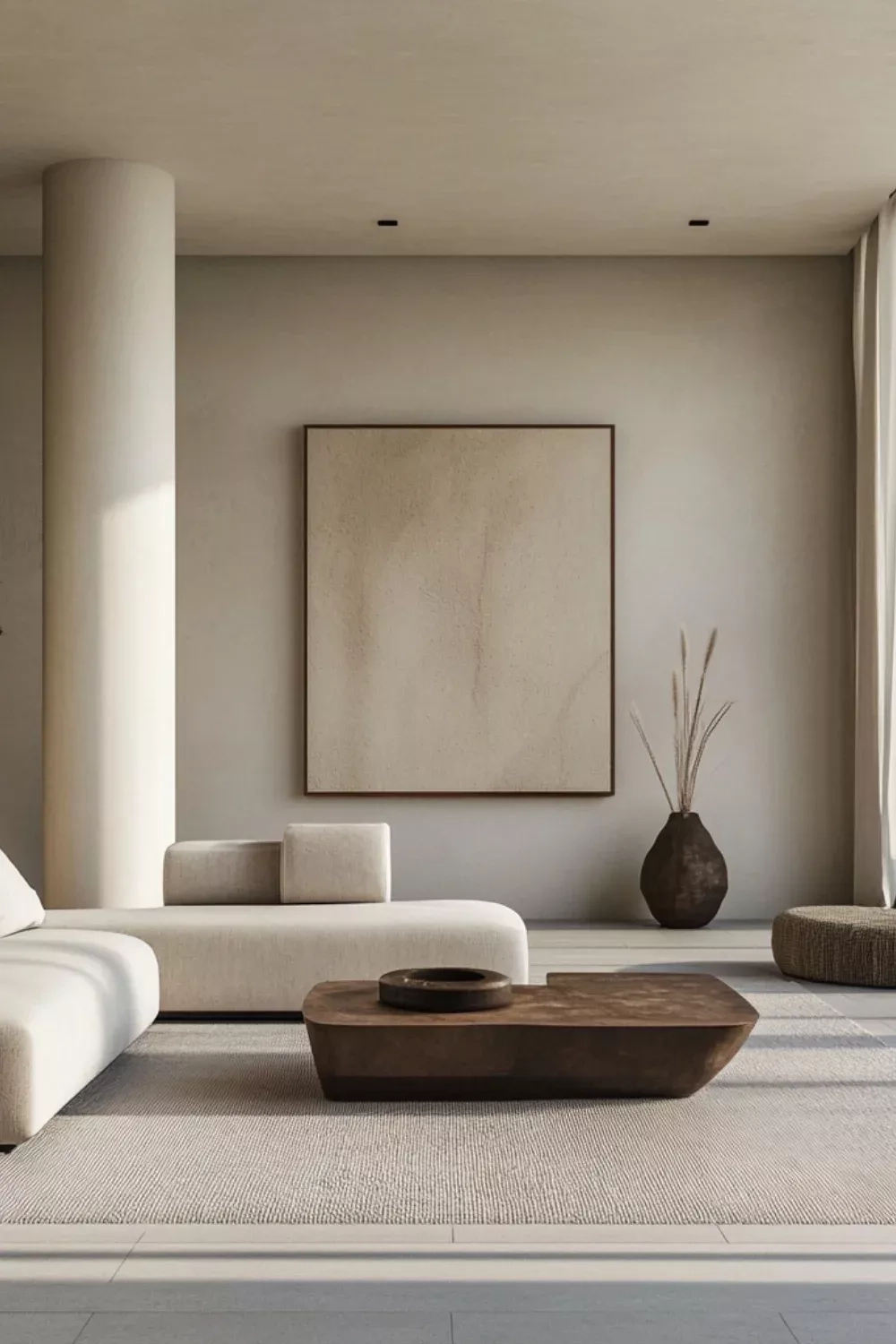
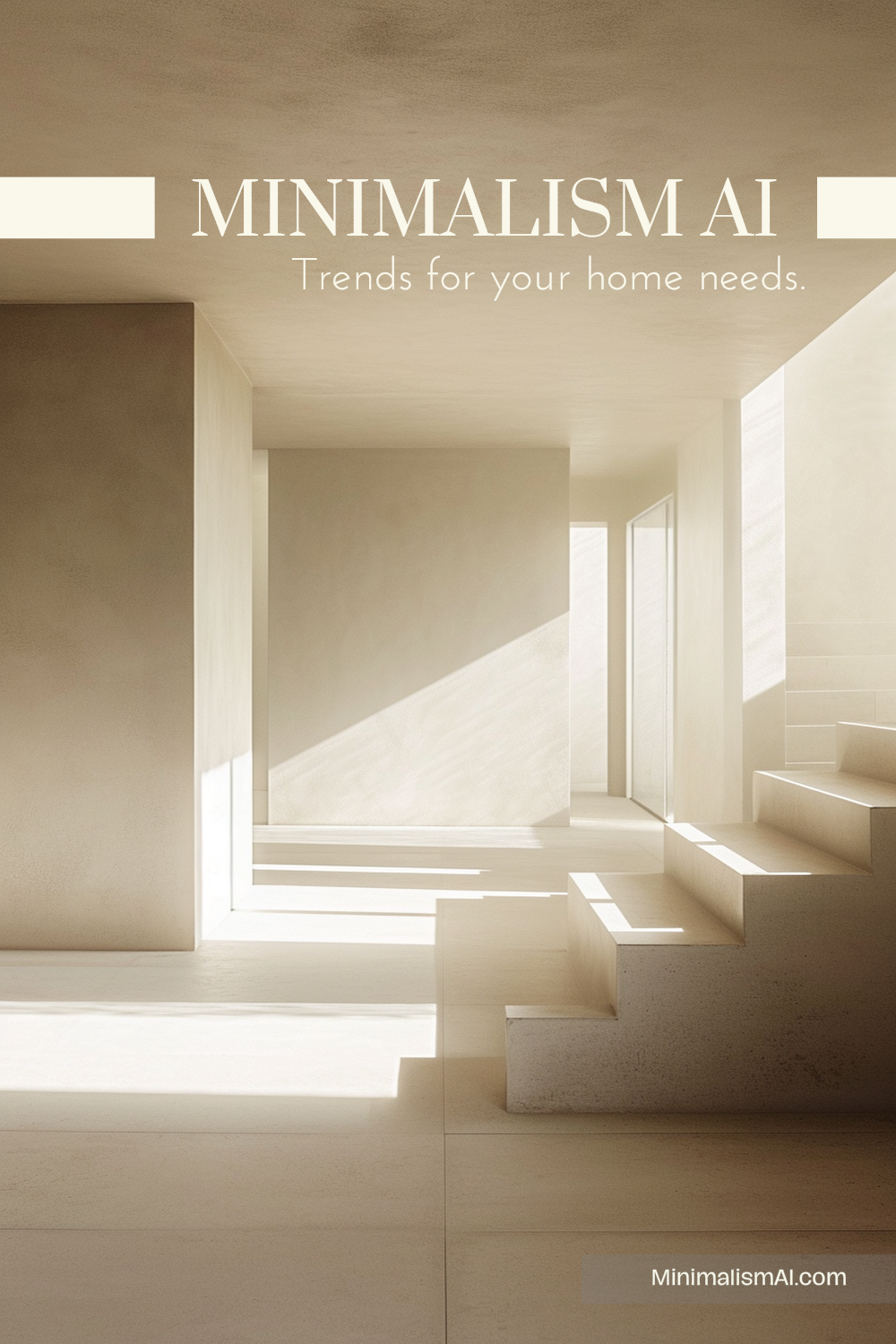
Ever walked into a room that looked amazing in a magazine but felt like a hospital waiting area? You know the type. Pristine white walls, sharp angles, and enough empty space to echo your own footsteps. It’s beautiful, sure. But it’s not exactly where you want to curl up with a book after a long day. That’s the paradox of modern architecture. We crave the clean lines and uncluttered vibes, yet we desperately need the hug of a space that feels alive.
It doesn’t have to be this way. In fact, the trend in 2026 is shifting hard away from the "ice box" aesthetic. People are realizing that a home isn’t just a sculpture to look at; it’s a vessel for living. Transforming stark architecture into an inviting sanctuary isn’t about throwing out the modern rulebook. It’s about rewriting it with warmth, texture, and intention. Let’s talk about how to make that happen without losing the sleek vibe you love.
The Rise of Warm Minimalism
Remember when minimalism meant owning nothing but a single chair and a bare bulb? Those days are gone. What we’re seeing now is what designers call "warm minimalism." It keeps the simplicity—no clutter, no chaos—but ditches the coldness. Think of it as minimalism with a heartbeat. Instead of sterile whites, we’re seeing creams, taupes, and soft greys. Instead of cold steel, there’s brushed brass or warm wood tones.
This shift isn’t just a fad; it’s a response to how we live. After years of high-stress environments, our homes have become our primary retreats. A stark space can feel demanding, like it’s asking you to be perfect. A warm minimalist space invites you to breathe. It blends the clean geometry of modern design with the comforting soul of traditional styles. You get the visual calm of less stuff, but the emotional comfort of a space that feels held and cared for.
The key here is balance. You don’t need to fill every corner. You just need to ensure that what remains has weight and presence. A single wooden bench with visible grain tells a richer story than a glossy plastic one. It’s about choosing quality over quantity, but also choosing materials that speak to our human need for connection. When you strip away the excess, what’s left better feel good to touch.
Texture Is Your Best Friend
If color is the mood, texture is the voice. Stark architecture often fails because it’s too smooth. Glass, polished concrete, and glossy paint reflect light but don’t absorb it. They feel distant. To fix this, you need to introduce tactile variety. This is where the magic happens. Imagine running your hand along a rough-hewn stone wall versus a slick tile. One grounds you; the other slips away.
Start with the floors. If you have cold concrete or tile, layer it up. A large, plush rug in natural fibers like wool or jute can instantly soften a room. It dampens sound, which is huge in open-plan spaces that tend to echo. Then look at your walls. Instead of flat paint, consider limewash or textured plaster. These finishes catch the light differently throughout the day, creating subtle shadows and depth that make the walls feel alive rather than static.
Don’t forget the soft furnishings. Throw pillows, blankets, and curtains aren’t just decor; they’re acoustic and thermal insulators. Mix materials. Pair a sleek leather sofa with a chunky knit throw. Put a velvet cushion next to a linen one. This contrast creates visual interest without adding clutter. It tricks the eye into seeing complexity where there is actually simplicity. The goal is to create a sensory experience that invites touch, making the space feel inhabited and loved.
Lighting: The Invisible Architect
Lighting can make or break a stark space. Harsh, overhead lighting is the enemy of coziness. It creates sharp shadows and highlights every imperfection, making a room feel clinical. To transform a space into a sanctuary, you need to layer your light. Think of it like dressing in layers. You have your base layer, your mid-layer, and your outer layer. Lighting works the same way.
Start with ambient light. This is your general illumination, but keep it low and warm. Use dimmers everywhere. Being able to adjust the brightness from "cleaning mode" to "movie night" is essential. Then add task lighting. A sculptural floor lamp by a reading chair or under-cabinet lights in the kitchen. These provide function but also act as focal points. Finally, add accent lighting. Highlight a piece of art, a plant, or a textured wall. This draws the eye around the room and creates pockets of intimacy.
Color temperature matters too. Stick to warm whites (around 2700K to 3000K). Cool blues feel energetic but anxious. Warm yellows feel relaxing and safe. In 2026, smart lighting systems make this easier than ever. You can program your lights to mimic the sun’s natural cycle, brightening in the morning and warming up in the evening. This circadian rhythm support helps your body relax, turning your home into a true biological sanctuary.
Bringing the Outdoors In
Nature is the ultimate antidote to starkness. Biophilic design isn’t just a buzzword; it’s a proven way to reduce stress and improve well-being. When you bring elements of the outside in, you break the monotony of man-made materials. Plants are the most obvious choice, but think bigger. Large leafy plants like Fiddle Leaf Figs or Monsteras add verticality and softness. They fill empty corners without feeling like clutter.
But it’s not just about potted plants. Consider the view. If you have windows, frame them like art. Keep window treatments simple so the outside world becomes part of your interior palette. If you’re in a high-rise, as mentioned in recent design discussions, addressing the scale is key. Large plants can help bridge the gap between the vast sky and the intimate interior. They ground the space.
Materials matter here too. Use wood, stone, bamboo, and cork. These materials have irregularities—knots, grains, veins—that remind us of their organic origins. A wooden dining table with live edges brings a piece of the forest into your dining room. Stone countertops with visible mineral deposits tell a geological story. These elements add warmth because they are imperfect. And perfection, frankly, is boring. Imperfection is human.
The Power of Personal Curation
A sanctuary isn’t a showroom. It needs to reflect who you are. Stark architecture often feels impersonal because it lacks narrative. To fix this, curate your space with items that have meaning. This doesn’t mean filling every surface with knick-knacks. It means choosing a few pieces that spark joy or memory. A vintage vase from your grandmother. A painting from a trip you’ll never forget. A bookshelf filled with your favorite reads.
These objects act as anchors. They give the eye a place to rest and the mind a story to follow. In a minimalist space, each item carries more weight. So choose wisely. Ask yourself: Does this object bring me peace? Does it remind me of something good? If the answer is no, let it go. The beauty of warm minimalism is that it allows your personality to shine through the simplicity.
Display these items with intention. Don’t just shove them on a shelf. Create vignettes. Group three items of varying heights. Leave negative space around them so they can breathe. This respectful presentation elevates everyday objects into art. It shows that you value your history and your tastes. And when you value your surroundings, you feel more valued by them. It’s a reciprocal relationship.
We often forget that a room is experienced with ears as much as eyes. Stark spaces with hard surfaces are notoriously noisy. Echoes create a sense of unease and fatigue. To create a true sanctuary, you must address acoustics. Soft materials absorb sound. Rugs, curtains, upholstered furniture, and even bookshelves filled with books act as sound dampeners. If you have a large open plan, consider adding acoustic panels disguised as art. They look great and work wonders.
Scale is another tricky beast in modern architecture. High ceilings and large windows can feel majestic, but they can also feel exposing. To humanize these spaces, break them down. Use furniture to create zones. A sofa back can define a living area. A rug can anchor a dining space. Low-profile furniture helps maintain sightlines while making the ceiling feel less overwhelming.
In high-rise apartments, this is crucial. As noted in recent interior design insights, residents transform stark glass towers by addressing these fundamental challenges. Layering natural materials helps, but so does strategic placement. Don’t push all your furniture against the walls. Float pieces in the room to create intimacy. A cozy conversation nook in a vast living room feels like a secret hideaway. It’s about creating human-scale moments within the grand architectural gesture.
So, where does this leave us? Transforming stark architecture into an inviting sanctuary isn’t about fighting the modern aesthetic. It’s about enhancing it. It’s about recognizing that clean lines provide the canvas, but warmth provides the paint. By focusing on texture, lighting, nature, personal touches, and comfort, you can create a space that is both visually stunning and deeply nurturing.
It takes intention. It requires looking past the initial impression of a room and seeing its potential for life. But the reward is a home that doesn’t just look good in photos—it feels good in your bones. In 2026, our homes are our sanctuaries. Make yours a place where you can truly exhale. Start small. Add a rug. Change a bulb. Bring in a plant. Watch how the energy shifts. You might just find that the coldest room has the warmest heart waiting to be uncovered.