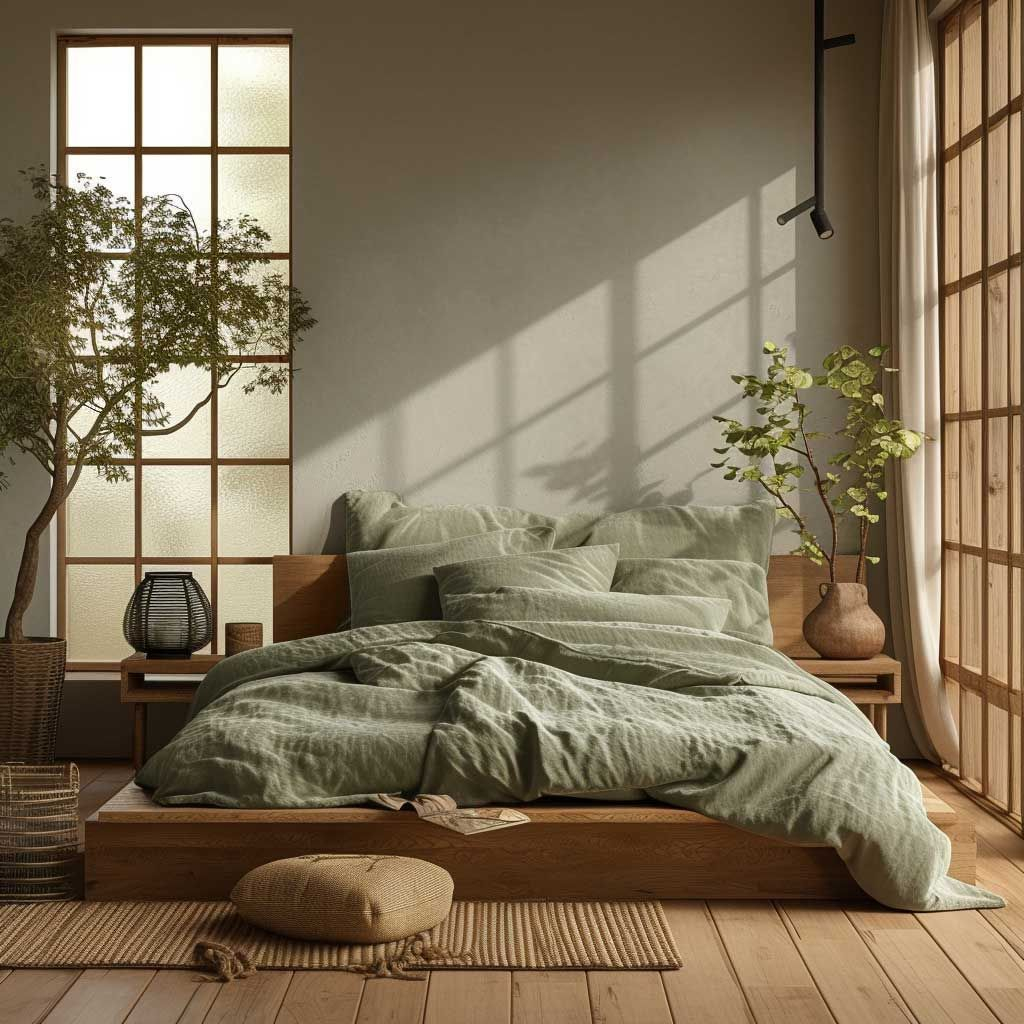
You know that feeling when you walk into your home after a long day? Maybe it’s been one of those days where notifications never stopped pinging, traffic was a nightmare, and your brain feels like it’s running on fumes. You open the door, kick off your shoes, and look around. If what greets you is a pile of mail on the counter, toys scattered across the floor, or just stuff everywhere, your stress levels probably spike instead of drop. We’ve all been there. In 2026, our homes have become so much more than just places to sleep. They’re offices, gyms, schools, and wellness retreats all rolled into one. It’s no wonder we’re drowning in visual noise.
But what if your home could actually help you exhale? That’s where Japandi comes in. It’s not just another interior design trend that’ll fade away by next year. It’s a quiet revolution. A way of living that blends the best of two worlds: the rustic warmth of Scandinavian hygge and the disciplined simplicity of Japanese minimalism. It’s about creating spaces that feel peaceful rather than chaotic. And honestly? It might be exactly what we need right now.
The Fusion of Two Worlds
So, what exactly is Japandi? The name itself gives it away—it’s a portmanteau of Japanese and Scandinavian. But it’s way more than just slapping some Nordic furniture next to a Zen garden statue. It’s a thoughtful fusion of philosophies. On one side, you have the Japanese concept of wabi-sabi, which finds beauty in imperfection, impermanence, and nature. Think of a cracked ceramic bowl repaired with gold lacquer. It’s not hidden; it’s celebrated. On the other side, you have Scandinavian hygge, which is all about coziness, comfort, and creating a warm atmosphere. It’s candlelight, soft blankets, and gathering with loved ones.
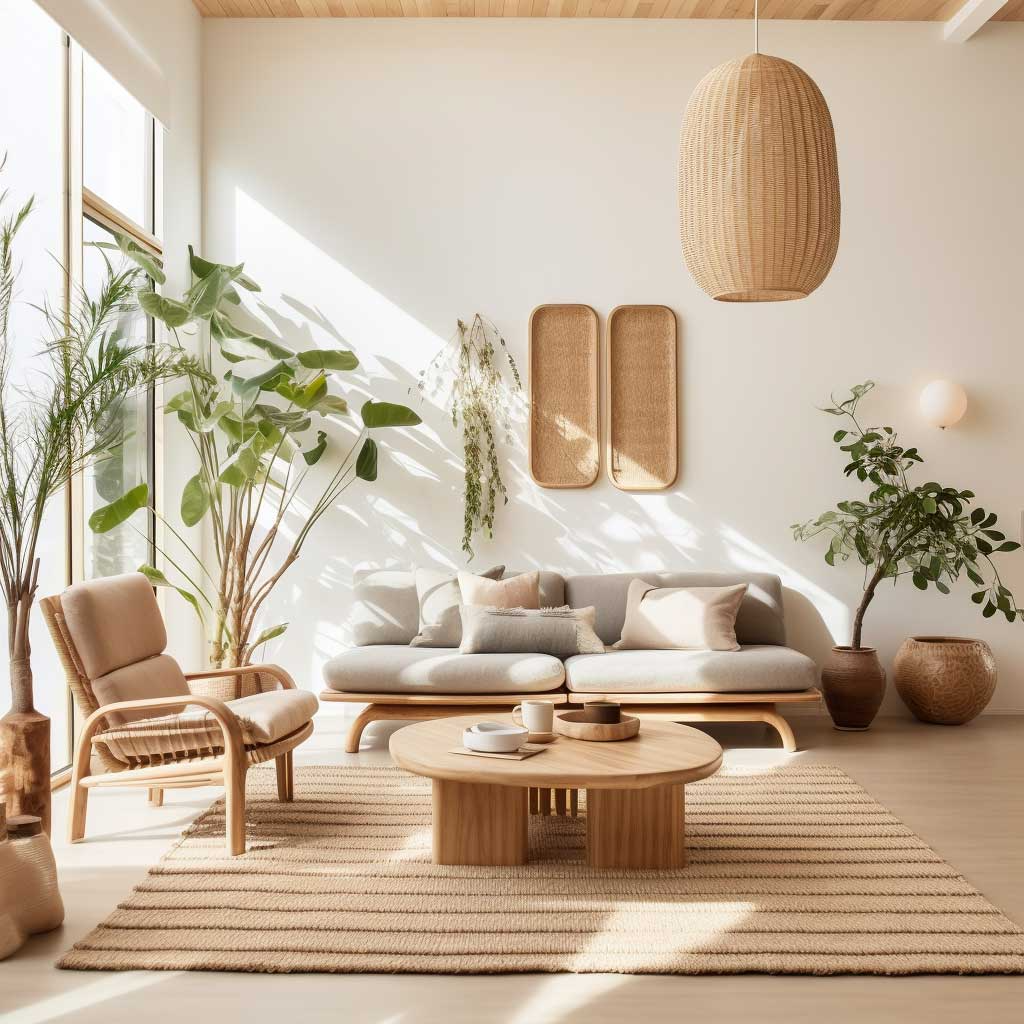
When you mix these two, something magical happens. You get spaces that are minimalist but not cold. Clean lines but still inviting. In a world that’s increasingly high-tech and fast-paced, this balance feels grounding. Japandi design uses natural materials like light oak wood, linen, cotton, and stone. The color palette is neutral—whites, beiges, soft grays, and earthy tones. There’s no shouting for attention here. Everything has its place, and every piece serves a purpose. It’s intentional living made visible.
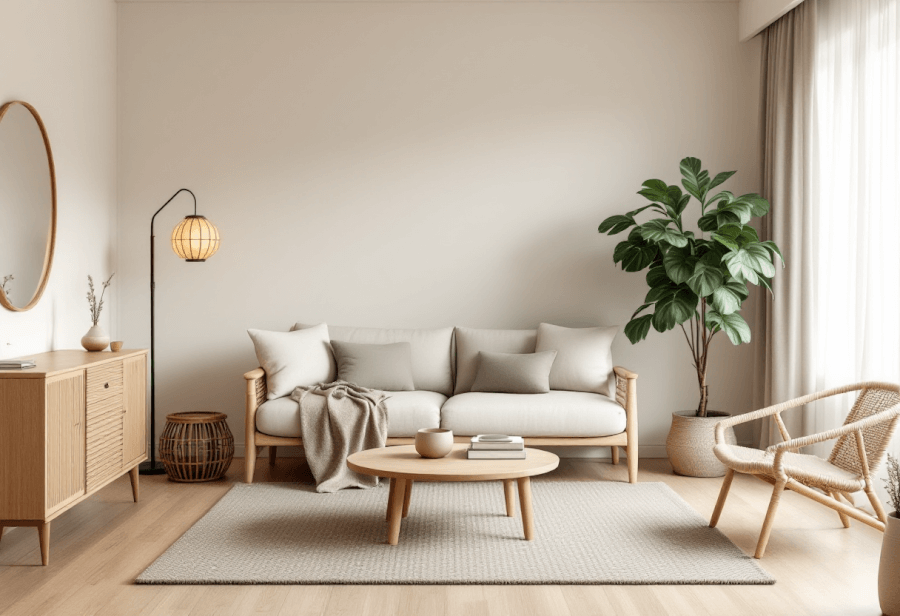
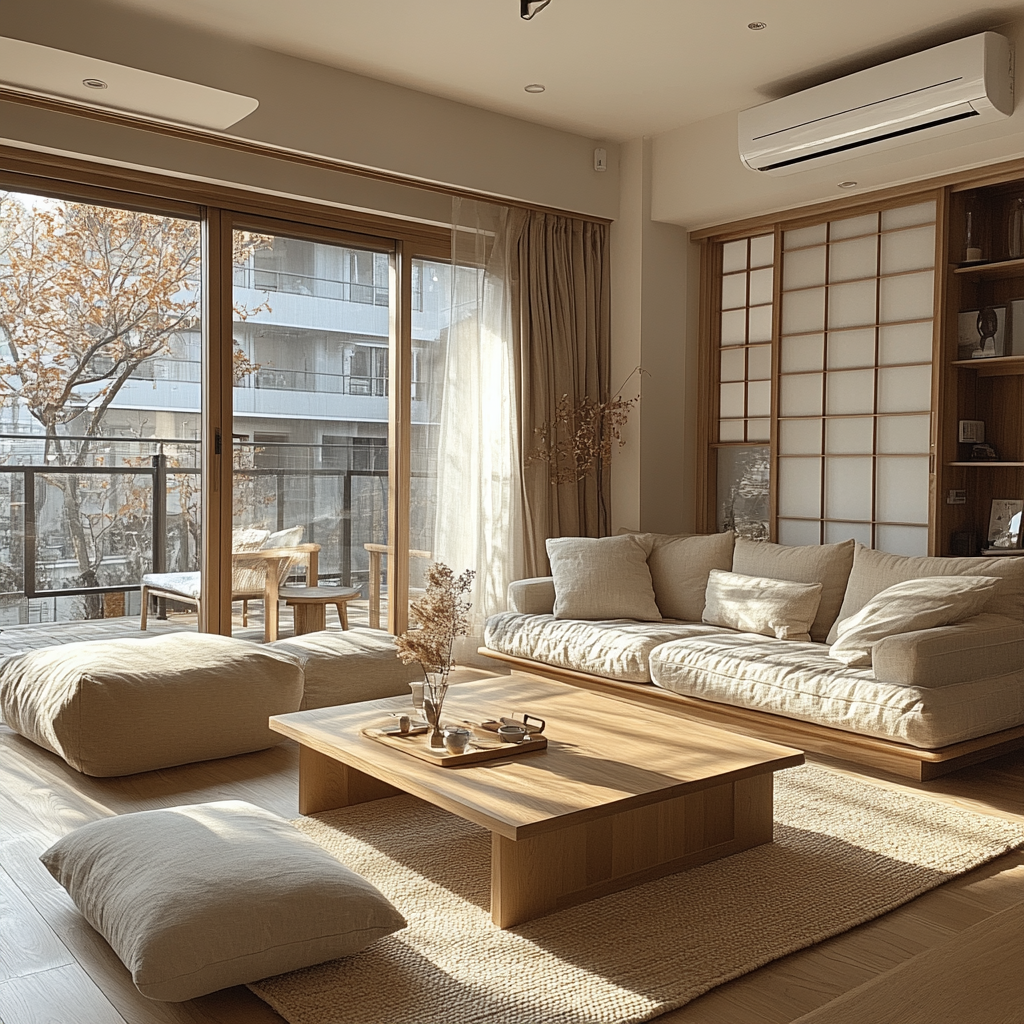
This isn’t just about aesthetics, though. It’s about how these spaces make you feel. Imagine walking into a room with low-profile furniture, plenty of natural light filtering through sheer curtains, and maybe a single beautiful ceramic vase on a wooden table. No clutter. No chaos. Just calm. That’s the Japandi promise. And in 2026, as people continue to seek sanctuaries from the digital overload, this style has moved from a niche interest to a global obsession. It makes sense, doesn’t it? We’re craving simplicity.
Taming Visual Chaos
Let’s talk about clutter. Not just the physical kind, but the visual kind. You might have a tidy house, but if your eyes don’t know where to rest, it still feels messy. Japandi tackles this head-on by prioritizing open spaces and clean lines. The idea is to reduce visual noise so your mind can relax. Every item in a Japandi space is chosen with care. If it doesn’t serve a function or bring joy, it doesn’t stay. This intentionality naturally creates a calmer environment.
But wait—what if you have kids? Or pets? Or just a lot of stuff because, well, life happens? Japandi isn’t about living in a museum. It’s practical. Experts suggest using what’s called “faux minimalism.” This means using natural containers like woven baskets, wooden boxes, or built-in cabinetry to hide the everyday mess. Those toy blocks? Toss them in a beautiful rattan basket. The remote controls? Slide them into a seamless drawer. Folding screens can also be used to section off areas and hide clutter when needed. The goal isn’t to have nothing; it’s to keep the surfaces clear so your space feels breathable.
Storage solutions in Japandi design are key. They disappear into the architecture. Think built-in shelves that blend with the wall, or cabinets with no visible handles. This maintains the clean, uncluttered look while still being super functional. It’s smart design that works with real life. You don’t have to spend hours tidying up every night. You just need systems that make sense. And when your surroundings are orderly, your mind tends to follow suit. It’s a small change that can have a big impact on your daily stress levels.
Warmth Without the Weight
One common misconception about minimalism is that it feels cold or sterile. You know, those stark white rooms with no personality? Japandi flips that script. It’s minimalist, yes, but it’s also incredibly warm. This is where the Scandinavian influence really shines. Hygge is all about creating a cozy, welcoming atmosphere. It’s the feeling of wrapping yourself in a soft wool blanket on a rainy afternoon. It’s the glow of candlelight during dinner. Japandi brings this warmth into minimalist spaces so they never feel empty or impersonal.
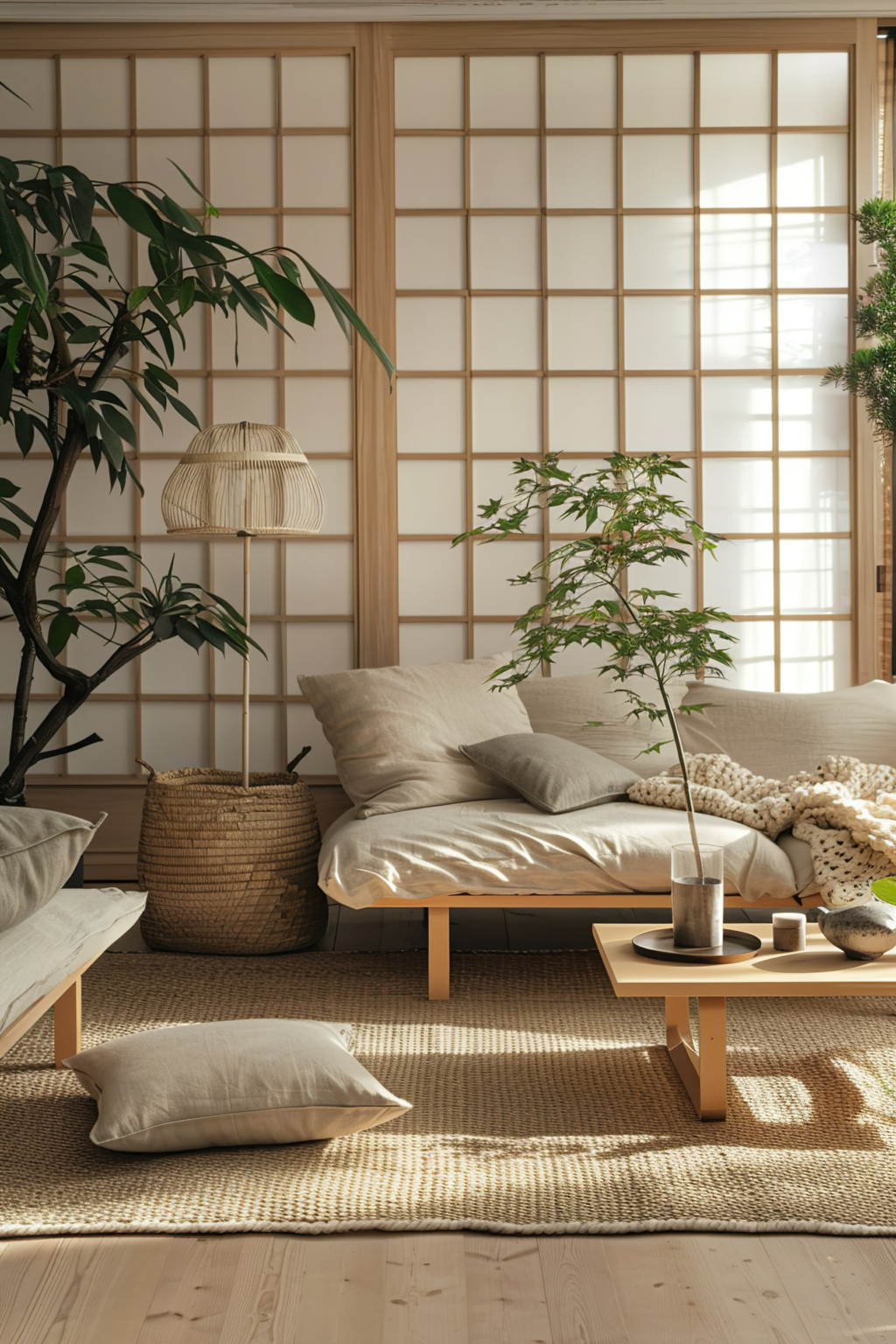
How do they do it? Texture. Lots of it. Instead of relying on bright colors or bold patterns, Japandi uses tactile materials to add depth and interest. Think linen curtains that ripple in the breeze, sheepskin rugs underfoot, or handmade ceramics with slight irregularities. These elements invite you to touch, to sit, to stay awhile. The furniture is often low to the ground, which creates a sense of intimacy and connection to the space. Low sofas, floor cushions, and low tables encourage a more relaxed posture. It’s hard to feel stressed when you’re literally closer to the earth.
Lighting plays a huge role too. Harsh overhead lights are a no-go. Instead, Japandi spaces use soft, diffused lighting. Paper lanterns are a classic choice, casting a gentle glow that mimics natural light. Floor lamps with fabric shades, candles, and even string lights can add layers of warmth. The idea is to create pools of light that highlight specific areas, making the room feel cocoon-like. It’s comforting. It’s safe. And in a world that often feels unpredictable, having a home that feels like a warm hug is priceless.
The Beauty of Imperfection
Here’s where things get interesting. Most design styles strive for perfection. Everything must be symmetrical, pristine, and flawless. Japandi says, “Nah.” Thanks to the wabi-sabi philosophy, imperfections are not just accepted—they’re cherished. A wooden table with visible grain and knots? Beautiful. A hand-thrown pot with an uneven rim? Even better. These flaws tell a story. They show the hand of the maker. They remind us that nothing lasts forever, and that’s okay.
This approach takes the pressure off. You don’t need to buy brand-new, mass-produced items to achieve the Japandi look. In fact, vintage or handmade pieces often fit better. They have character. They have soul. When you embrace imperfection, you start to see beauty in everyday objects. That chipped mug your grandma gave you? It’s not trash; it’s a treasure. That worn-out leather chair? It’s earned its place. This mindset shift can be liberating. It encourages you to value quality over quantity, and meaning over trends.
It also connects us to nature. Wabi-sabi is deeply rooted in the natural world. Materials age gracefully. Wood darkens. Stone weathers. Fabric softens. Instead of fighting this process, Japandi celebrates it. Your home becomes a living thing that evolves with you. It’s not static. It’s dynamic. And there’s something profoundly calming about that. It reminds us to slow down and appreciate the present moment, flaws and all. In 2026, when everything feels so temporary and disposable, this perspective is a breath of fresh air.
Slow Living Starts at Home
Japandi isn’t just about how your home looks; it’s about how you live in it. It supports a lifestyle of slowness and intention. When your space is clutter-free and calming, you’re more likely to pause. To breathe. To notice the little things. Maybe you’ll take time to brew tea properly instead of grabbing a coffee on the go. Maybe you’ll sit by the window and watch the rain instead of scrolling through your phone. These small rituals add up. They create a sense of presence that’s often missing in our busy lives.
Design choices in Japandi encourage this. Open spaces invite movement and flow. Natural light regulates your circadian rhythm, helping you sleep better and feel more energized. Plants bring life and improve air quality. Even the act of choosing fewer, better things forces you to think about what truly matters to you. Do you really need that tenth throw pillow? Or would you rather invest in one really good one that you love? It’s about mindfulness. It’s about being deliberate with your resources and your time.
This lifestyle shift can have ripple effects. When you’re less stressed at home, you’re more patient with your family. You’re more productive at work. You’re kinder to yourself. It’s not a magic cure-all, but it’s a solid foundation. Creating a sanctuary allows you to recharge so you can face the world with more resilience. And let’s be honest—we could all use a bit more of that. Japandi provides the backdrop for a slower, more meaningful life. It’s not about doing less for the sake of laziness; it’s about doing less of what doesn’t matter so you can do more of what does.
You might be wondering: Is Japandi just a fad? Will it look dated in five years? Here’s the thing—Japandi is built on timeless principles. Natural materials, proportional spaces, craftsmanship. These are things humans have valued for centuries. They don’t go out of style. What makes Japandi feel modern is its immediacy. It addresses current needs like mental well-being, sustainability, and functionality. But its roots are deep. That’s why it endures.
In 2026, sustainability is more important than ever. Japandi aligns perfectly with eco-friendly values. By choosing durable, natural materials and buying less, you reduce waste. You support artisans and local craftsmen. You create a home that ages well instead of ending up in a landfill. It’s responsible design. And consumers are catching on. People want their purchases to mean something. They want to know where their furniture comes from and how it was made. Japandi offers transparency and integrity.
Plus, it’s versatile. You can adapt Japandi to any space, big or small. A tiny apartment? Focus on multi-functional furniture and vertical storage. A large house? Use zoning and screens to create intimate areas. It scales beautifully. And because it’s based on balance, you can personalize it. Add a pop of color if you want. Mix in some modern art. Make it yours. The core principles remain, but the expression is unique to you. That flexibility ensures it stays relevant. It’s not a rigid rulebook; it’s a guideline for living well. And that’s something that never goes out of style.
So, is Japandi the perfect antidote to modern clutter? For many of us, it sure seems like it. It offers a way to simplify without sacrificing comfort. To find beauty in imperfection. To create homes that nurture rather than drain. It’s not about achieving some Instagram-perfect ideal. It’s about making space for what matters. And in a world that’s constantly demanding more of our attention, that’s a gift worth giving ourselves. Start small. Declutter one shelf. Add a plant. Light a candle. See how it feels. You might just find that less really is more.