Ever walked into a room that just felt… empty? Not in the minimalist chic way, but in that cold, echoey, "nobody lives here" kinda way. It’s weird how a space can have four walls and a floor yet feel completely devoid of soul. You stand there, staring at the blank canvas, feeling overwhelmed by the possibilities and paralyzed by the fear of messing it up. We’ve all been there. The bedroom is supposed to be your sanctuary, the one place where the world stops spinning for a few hours. But when it’s just bare drywall and harsh overhead lighting, it’s hard to unwind.
The good news? You don’t need a massive budget or an interior design degree to fix it. In fact, some of the most serene spaces are born from the simplest choices. It’s not about buying the most expensive bed frame or covering every inch of wall with art. It’s about intention. It’s about creating a vibe that whispers "rest" instead of shouting "look at me." Whether you’re moving into a new apartment or just finally ready to tackle that guest room that’s become a dumping ground, the journey from blank to blissful is simpler than you think. Let’s walk through it together, step by step.
Setting the Mood with Color and Theme
Before you buy a single pillow, you need a vision. Think of this as the anchor for your entire project. Without it, you’ll end up with a room that feels like a garage sale exploded. Start by asking yourself: How do I want to feel in here? Calm? Energized? Cozy? Safe? For most of us, the bedroom is about decompression, so leaning into soothing hues is usually a win. Soft blues, warm beiges, or even muted greens can lower your heart rate before you even hit the sheets.
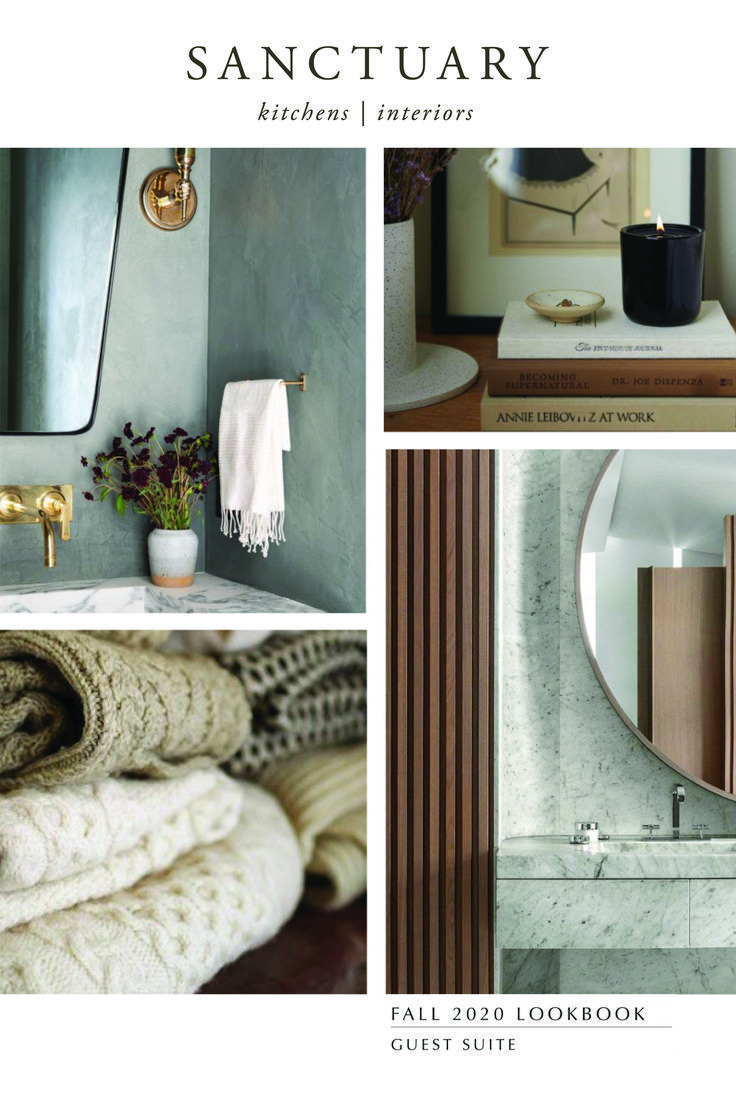
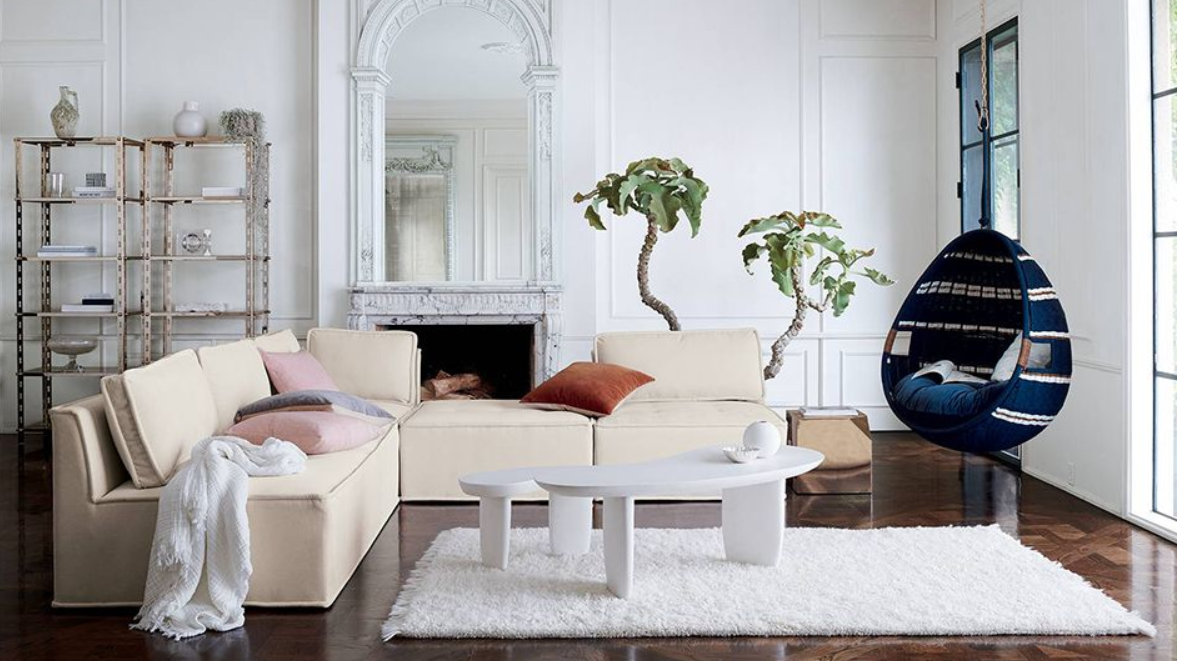
You don’t have to paint the whole room if you’re renting or just hesitant. Sometimes, a signature color on one accent wall or even through large textiles is enough. As noted in recent design trends from 2026, people are moving away from stark, clinical whites toward warmer, earthier tones that feel more grounded. If you love the idea of a white room, keep in mind that it serves as a perfect blank canvas for bold accents, like a graphic rug or a piece of abstract art. The key is consistency. Pick a palette of three colors max—maybe a base, a secondary, and an accent—and stick to it. This keeps the visual noise down and helps your brain relax.
Lighting: The Unsung Hero of Serenity
Let’s talk about the big ceiling light. You know the one. It’s bright, it’s harsh, and it makes everyone look slightly green. Turn it off. Seriously. One of the biggest mistakes people make in bedroom design is relying solely on that single overhead source. It’s functional, sure, but it’s terrible for setting a mood. To create a true retreat, you need layers. Think of lighting like clothing; you wouldn’t wear just a winter coat in summer, right? You layer based on the need.
Start with ambient lighting. This could be a floor lamp in the corner casting a soft glow upward. Then add task lighting, like small sconces or table lamps on either side of the bed for reading. Finally, consider accent lighting—maybe a small LED strip behind the headboard or under a dresser to create a floating effect. Warm bulbs (around 2700K) are non-negotiable here. They mimic the sunset, signaling to your body that it’s time to wind down. Dimmers are also a game-changer. Being able to lower the lights as the evening progresses helps transition your mind from "work mode" to "sleep mode" without any extra effort.
Furniture That Breathes
When a room is blank, the temptation is to fill it. Don’t. A cluttered room equals a cluttered mind. Minimalist design isn’t about having nothing; it’s about having only what matters. In 2026, the trend is heavily leaning toward functionality mixed with aesthetics. Choose furniture that has clean lines and doesn’t visually weigh down the space. A low-profile bed frame, for instance, can make a small room feel much larger and airier.
Storage is where things often go wrong. If you don’t have a place for everything, it ends up on surfaces, creating visual chaos. Look for pieces that do double duty. A bench at the foot of the bed that opens up for storage? Yes. Nightstands with drawers instead of open shelves? Definitely. The goal is to keep the floor visible. When you can see the floor, the room feels bigger and calmer. If you’re working with a tight budget, remember that second-hand finds can be sanded and painted to match your theme. A $60 DIY project, like refinishing an old dresser, can add more character than a brand-new, flat-pack item ever could.
Textures: The Secret to Coziness
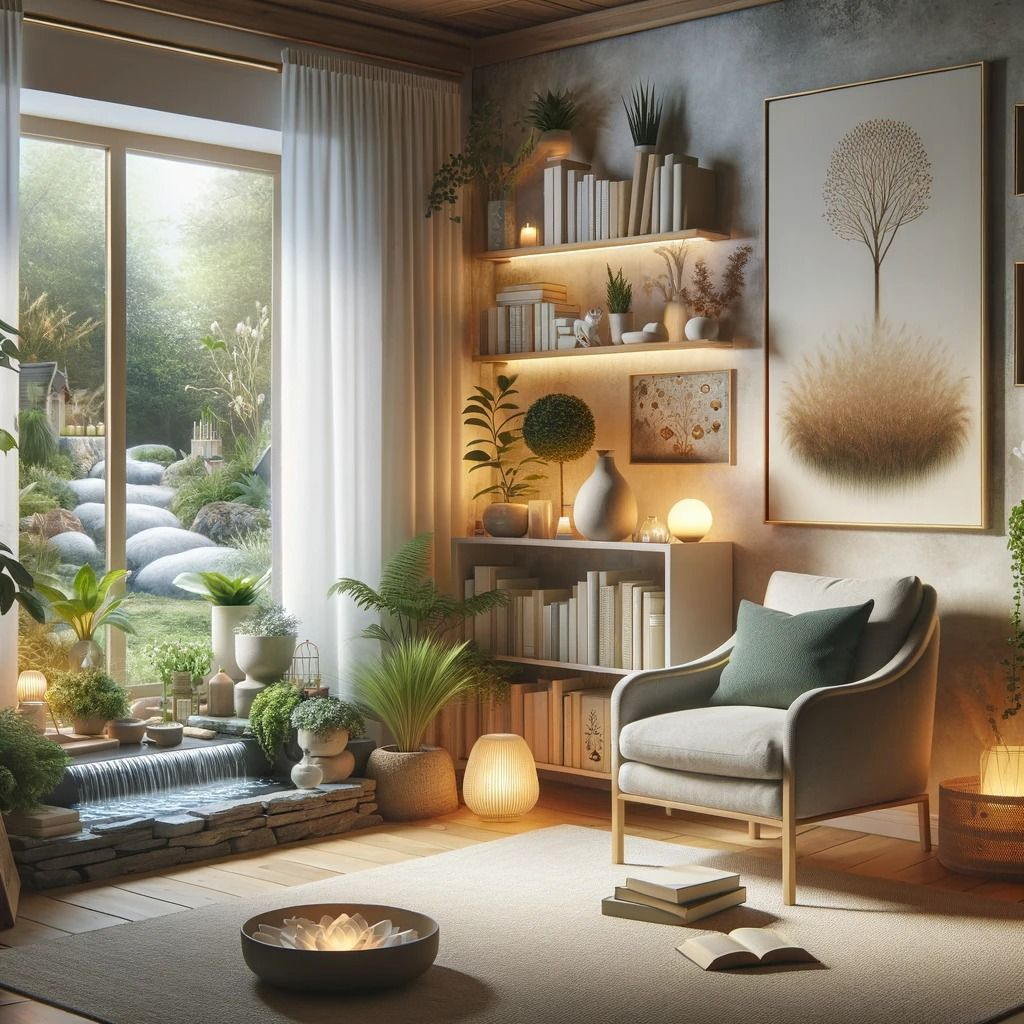
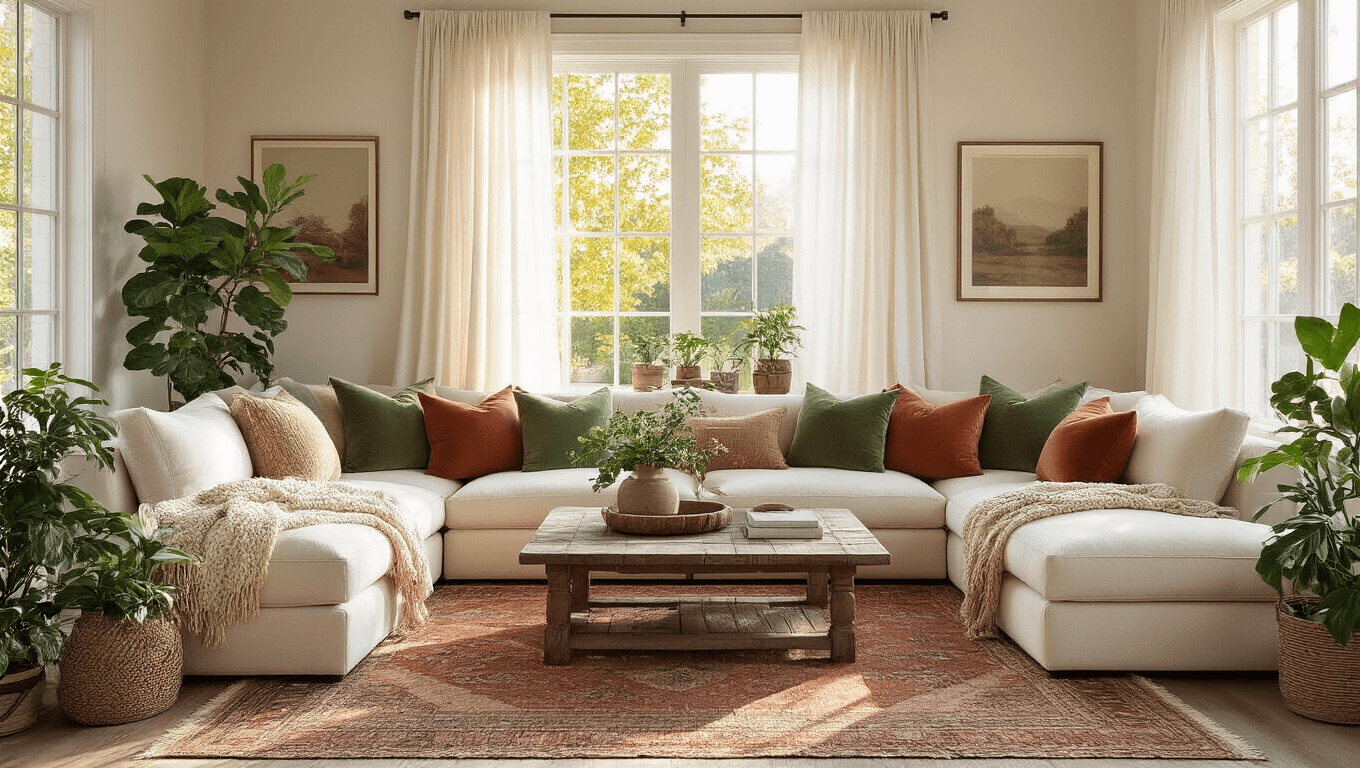
A room with smooth walls, a smooth floor, and smooth furniture might look sleek, but it feels cold. To turn a space into a retreat, you need texture. This is where you invite touch into the design. Think about the difference between sliding your hand over polished marble versus running it over a chunky knit blanket. One is impressive, the other is inviting. Layering textiles is the easiest way to add warmth without adding clutter.
Start with your bedding. Mix materials like linen, cotton, and wool. Throw a faux fur rug next to the bed so your feet hit something soft when you wake up. Add curtains that actually block light but also have some weight to them—heavy fabrics dampen sound, which is crucial for a peaceful sleep environment. Even a simple woven basket for laundry adds a tactile element that breaks up the monotony of flat surfaces. Don’t be afraid to mix patterns, but keep them in the same color family. A subtle stripe on a pillow can play nicely against a solid duvet if the tones match. It’s these little details that make a room feel lived-in and loved.
Personal Touches Without the Clutter
Here’s the tricky part: making it yours without making it messy. Your bedroom should reflect who you are, but it shouldn’t feel like a museum exhibit of your life. Choose a few meaningful items rather than displaying everything. Maybe it’s a gallery wall of black-and-white photos from a favorite trip, or a single large piece of art that speaks to you. Less is more. When you limit the number of decorative objects, each one gets to shine.
Plants are another fantastic way to add life and personality. They improve air quality and add a splash of natural color that no paint can quite replicate. Snake plants or pothos are great for beginners because they’re nearly impossible to kill. Place one on a nightstand or hang a trailing plant near the window. Also, consider scent. While not visual, it’s part of the atmosphere. A simple reed diffuser with lavender or sandalwood can subtly reinforce the calming vibe you’ve worked so hard to create. Just keep it subtle; you don’t want to overwhelm your senses.
Designing the room is only half the battle. Keeping it a retreat requires a shift in habits. The most beautiful bedroom in the world won’t feel peaceful if it’s covered in laundry and unpaid bills. Establish a "clear surface" rule. At the end of the day, take five minutes to reset the space. Put clothes in the hamper, clear off the nightstand, and fluff the pillows. This tiny ritual signals to your brain that the day is done and the space is ready for rest.
It’s also important to remember that your needs might change. Maybe next year you’ll want darker walls, or maybe you’ll realize you need a desk in here for work. That’s okay. The beauty of a simple design roadmap is that it’s flexible. Because you haven’t over-committed to trendy decor or permanent fixtures, you can evolve the space as you do. The goal isn’t perfection; it’s peace. If the room serves its purpose of helping you rest and recharge, you’ve succeeded. Don’t stress over every cushion placement. Let the room breathe, and let yourself breathe with it.
So, where do you start? Look at your blank canvas not as a void, but as an opportunity. Pick your color, soften your light, choose functional furniture, layer in some texture, add a personal touch or two, and commit to keeping it clear. It’s not about spending a fortune. It’s about spending thought. Your bedroom is the backdrop to your dreams, literally and figuratively. Make it a place you’re excited to return to. After all, we spend a third of our lives there. Doesn’t that deserve a little bit of bliss?