Let’s be honest. Walking into a cold, sterile bathroom first thing in the morning isn’t exactly the vibe we’re chasing these days. We want a sanctuary. A place that feels like a deep breath. But here’s the kicker: you don’t need to gut the whole room or spend thousands on marble countertops to get that high-end feel. Sometimes, all it takes is a fresh coat of paint and a shift in perspective.
In 2026, the design world is moving away from the stark, clinical whites of the past decade. Instead, we are seeing a huge surge in colors that feel lived-in, personal, and restorative. It’s about longevity, not just following a fleeting trend. Whether you have a tiny powder room or a sprawling master suite, the right hue can change everything. And the best part? Paint is cheap. Really cheap. So, let’s dive into how you can refresh your space without emptying your wallet.
The Rise of Warm Neutrals and Earth Tones
Gone are the days when beige was considered boring. In 2026, warm neutrals are having a major moment, but they are far from flat. Think creamy off-whites, soft taupes, and gentle greiges that have a hint of warmth underneath. These shades act as a perfect backdrop for any style, from modern minimalist to rustic farmhouse. They make small bathrooms feel larger and airier because they reflect light softly rather than bouncing it back harshly like pure white does.
Earth tones are also stepping into the spotlight. Colors like terracotta, sandy beige, and muted clay bring a sense of grounding to the bathroom. According to recent trends from sources like PlaceIdeal, these hues pair beautifully with natural materials like wood vanities or stone accents. You don’t need real stone, though. A simple peel-and-stick backsplash in a terracotta tone can add that organic touch for under fifty bucks. It’s about creating a connection to nature, even in the smallest urban apartment.
The key here is layering. Don’t just pick one shade and stop. Try painting the lower half of your walls in a deeper earth tone and the upper half in a lighter cream. This two-tone approach adds architectural interest and makes the ceiling feel higher. It’s a classic trick that designers use, but it’s easy enough for any DIYer to pull off with some painter’s tape and a weekend afternoon.
Moody Darks for Dramatic Impact
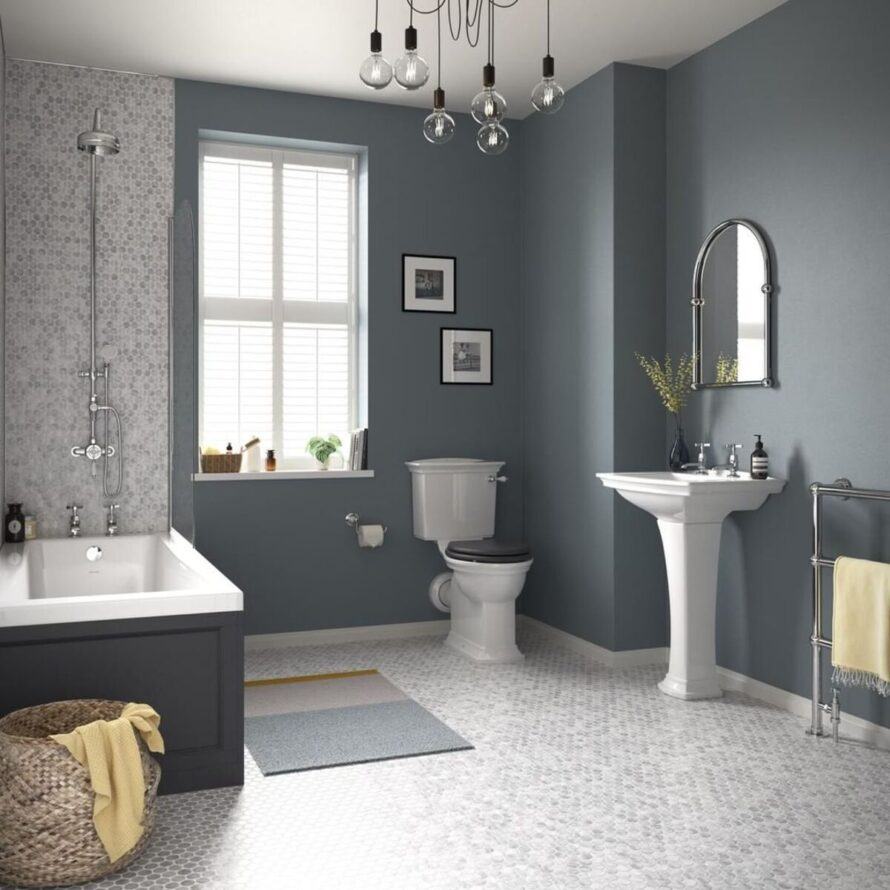
If you’ve ever been afraid to use dark colors in a small room, let me tell you: don’t be. Dark hues are surprisingly effective at making a small bathroom feel cozy and intentional rather than cramped. In 2026, we are seeing a lot of charcoal grays, deep navy blues, and even forest greens being used in powder rooms and guest baths. These colors absorb light, which can actually blur the corners of the room, making the boundaries feel less defined and more expansive in a psychological sense.
Navy blue remains a timeless favorite, but it’s getting a softer update. Instead of a bright, primary blue, look for shades with gray or green undertones. This creates a more sophisticated, spa-like atmosphere. Pairing a dark wall with crisp white trim and fixtures creates a striking contrast that looks expensive. You can find budget-friendly matte black faucets online now that complement these dark walls perfectly, giving you that high-contrast designer look for a fraction of the cost.
Charcoal gray is another powerhouse. It’s less severe than black but still offers that moody, dramatic flair. It works exceptionally well with metallic accents like brushed gold or brass. Imagine a charcoal wall with a vintage-style brass mirror and some warm lighting. It feels luxurious and intimate. Just remember to use good lighting. Dark rooms need layered light—overhead, vanity, and maybe even a small accent lamp—to keep them from feeling cave-like.
Sage Green and Nature-Inspired Hues
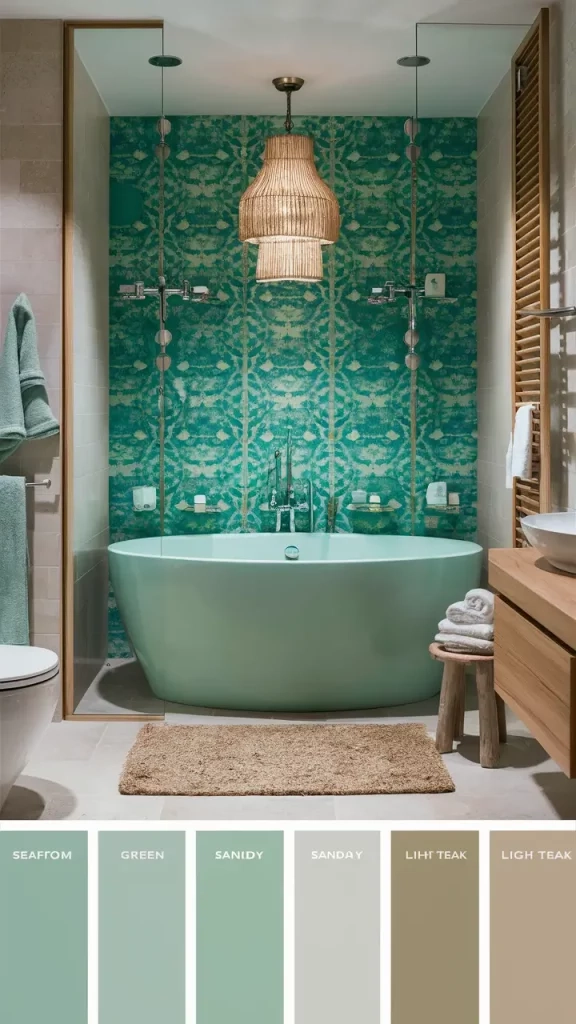
Sage green has been trending for a while, but in 2026, it’s evolving. It’s no longer just a pastel; it’s becoming richer and more complex. This color is inherently calming, which is exactly what you want in a bathroom. It connects the space to the outdoors, promoting a sense of tranquility and wellness. Sources like TheCoolist highlight how sage green pairs effortlessly with white vanities and natural wood elements, creating a fresh, clean aesthetic that doesn’t feel sterile.
For those on a tight budget, sage green is forgiving. It hides water spots and minor imperfections better than lighter colors. You can use it on all four walls for an immersive experience, or just on the vanity cabinet for a pop of color. Painting cabinets is one of the most cost-effective ways to transform a bathroom. A gallon of high-quality enamel paint and some sandpaper is all you need to turn dated oak cabinets into a modern feature piece.
Don’t forget about the accessories. You don’t need to repaint to get this look. Adding sage green towels, a bath mat, or even some potted plants can introduce the color scheme without any permanent commitment. Plants like pothos or ferns thrive in humid bathroom environments and add life to the space. It’s a simple, low-cost way to test the waters before diving into a full paint job.
Soft Pastels with a Modern Twist
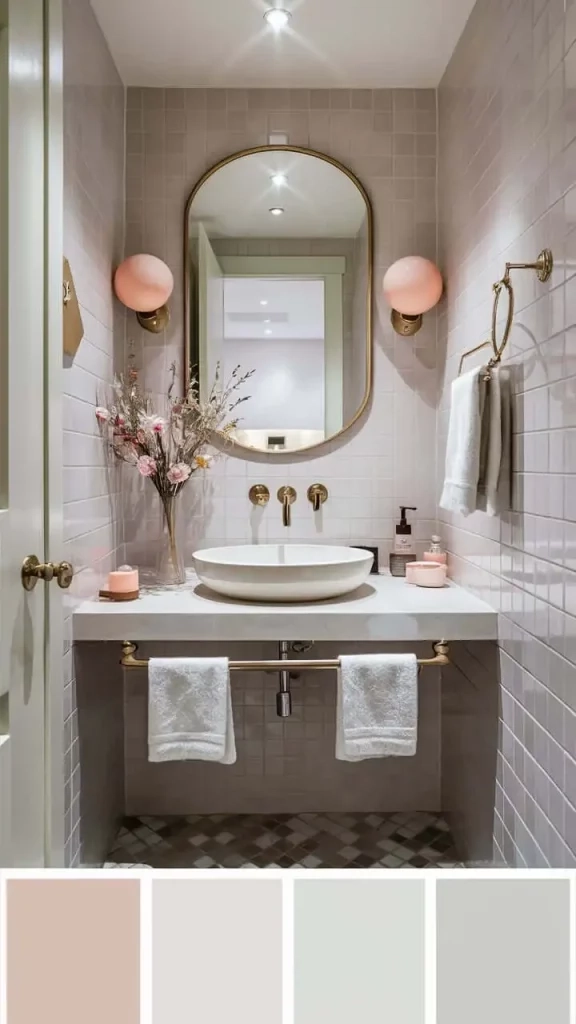
Pastels often get a bad rap for feeling childish or dated, but 2026 is bringing them back with a sophisticated edge. Think dusty pink, muted lavender, and soft sky blue. These aren’t the bright, sugary colors of the 90s. They are desaturated, complex, and incredibly soothing. Homes & Gardens notes that designers are using these joy-bringing colors to create spaces that feel personal and uplifting.
Dusty pink, in particular, is having a renaissance. It pairs surprisingly well with gray and black fixtures, creating a modern, gender-neutral palette that feels warm and inviting. It’s a great choice for a guest bathroom because it feels welcoming and unique. A soft pink wall with a sleek black faucet and white subway tiles is a combination that feels both current and timeless.
Lavender is another unexpected contender. When kept muted and gray-toned, it acts almost like a neutral. It brings a sense of calm and luxury, reminiscent of high-end spas. Use it sparingly if you’re nervous—maybe on an accent wall behind the toilet or inside a niche. It adds depth and interest without overwhelming the senses. The key is to keep the other elements simple and clean to let the color shine.
Two-Tone Combinations for Visual Interest
One of the biggest trends for 2026 is the strategic use of two-tone color schemes. This doesn’t just mean two different wall colors. It’s about contrasting walls with ceilings, vanities, or tile work. This technique adds visual weight and draws the eye around the room, making it feel more dynamic. For example, painting the ceiling a slightly darker shade than the walls can make the room feel cozier and more enclosed, which is perfect for a large, echoing bathroom.
Another popular approach is the "color drenching" of specific elements. Paint your vanity, baseboards, and door trim all in the same bold color, while keeping the walls neutral. This creates a focal point and makes the vanity look like a custom piece of furniture. It’s a bold move that costs very little but has a huge impact. You can find tutorials online for painting laminate vanities, which opens up this option for even the most budget-conscious renovators.
Tile is another area where two-tone plays well. If you can’t afford to retile, consider painting existing ceramic tiles with specialized tile paint. You can create a checkerboard pattern or just paint the bottom row of tiles a contrasting color. It’s a DIY project that requires patience but yields professional-looking results. Just make sure to use the right primer and sealant to ensure durability in a wet environment.
Knowing the colors is one thing; executing them on a budget is another. First, always invest in good quality paint. It might cost a few dollars more per gallon, but it covers better, lasts longer, and resists mold and mildew much better than cheap alternatives. Look for paints specifically formulated for bathrooms. They have additives that help prevent peeling and staining in high-humidity areas.
Preparation is half the battle. Spend time cleaning the walls, filling holes, and sanding rough spots. Use a high-quality primer, especially if you are covering dark colors or glossy surfaces. This ensures your topcoat goes on smoothly and looks uniform. Skipping prep work is the number one reason DIY paint jobs look amateurish. Take your time here, and the final result will look like you hired a pro.
Finally, don’t underestimate the power of lighting and hardware. A new coat of paint can look completely different under warm LED bulbs versus cool daylight bulbs. Experiment with bulb temperatures to see which one makes your new color sing. Swapping out old, tarnished knobs and pulls for modern matte black or brushed gold ones is a quick, cheap update that ties the whole new color scheme together. It’s the jewelry of the bathroom, and it makes a huge difference.
So, there you have it. Transforming your bathroom in 2026 doesn’t require a second mortgage. It requires a bit of creativity, some elbow grease, and the courage to step away from safe, sterile white. Whether you choose the grounding warmth of earth tones, the drama of moody darks, or the calm of sage green, the goal is to create a space that feels like yours. A space that restores you. Start small, test your colors, and enjoy the process. After all, it’s just paint. And if you don’t like it? Well, that’s the beauty of it. You can always paint over it.