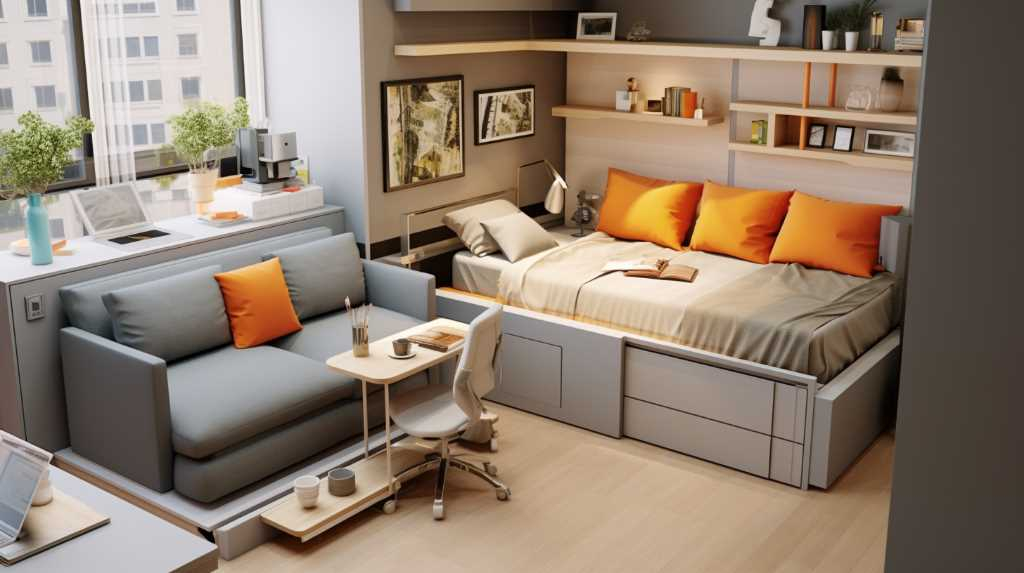
You know that feeling when you walk into your apartment after a long day, drop your keys on the counter, and immediately feel the walls closing in? It’s not just in your head. Small spaces have a way of amplifying clutter and shrinking our sense of freedom. But here’s the good news: you don’t need a sledgehammer or a contractor’s budget to fix it. In 2026, with rent prices still climbing in major cities, more of us are squeezing into compact footprints than ever before. The challenge isn’t just surviving the square footage; it’s thriving in it.
We’ve all seen those magazine spreads with endless white space and floor-to-ceiling windows. Real life looks different. It looks like a sofa bed that doubles as a dining table and a kitchen that’s also your office. But even in the tightest studio or one-bedroom, there are psychological and visual tricks that can double the perceived size of your home. It’s about light, line of sight, and how your brain processes depth. You can hack your environment to breathe easier. Let’s dive into how you can reclaim your space, starting today, with zero renovation required.
Let There Be Light (And Reflect It Everywhere)
Light is the single most powerful tool in your arsenal. Dark corners shrink a room; bright, evenly lit spaces expand it. If you’re relying on that single, sad ceiling fixture in the center of the room, you’re fighting a losing battle. The shadow it casts creates visual boundaries that make the room feel smaller than it is. Instead, layer your lighting. Use floor lamps in corners to push the walls out visually. Table lamps at eye level create a warm, inviting glow that draws the eye across the room rather than down at the clutter on the floor. And please, swap out those warm, yellow bulbs for daylight-balanced LEDs. They mimic natural sun, which tricks the brain into perceiving more openness.
But light needs help, and that’s where mirrors come in. This isn’t just about hanging a pretty glass panel; it’s about strategic placement. A mirror opposite a window doesn’t just reflect light; it reflects the outside world, effectively doubling your view and creating an illusion of depth that extends beyond your actual walls. If you have a narrow hallway, a large mirror on one side can make it feel like a thoroughfare rather than a closet. Even leaning a large floor mirror against a wall behind a piece of furniture can add a layer of dimension that flat walls lack. Just be careful not to place mirrors where they’ll reflect a pile of laundry or a messy desk—you want to amplify the best parts of your home, not the chaos.
Don’t forget the power of sheer curtains. Heavy drapes block light and visually weigh down a room. By switching to lightweight, translucent fabrics, you allow maximum natural light to flood in while still maintaining privacy. This softens the hard edges of your windows and makes the boundary between inside and outside feel permeable. In 2026, smart glass technologies are becoming more accessible, but even simple static-cling window films that diffuse light can work wonders. The goal is to eliminate harsh shadows and create a uniform brightness that makes the air itself feel lighter.
The Floor is Your Friend (Keep It Clear)
One of the biggest mistakes people make in small apartments is covering every inch of the floor. Rugs are cozy, sure, but too many of them, or rugs that are too small, chop up the space into little isolated islands. This fragmentation makes the room feel cluttered and confined. The "floor-clearing rule," often cited by professional organizers and movers like Chris Townsend, suggests that the more floor visible, the larger the room appears. Try using one large area rug that anchors the main seating area, ensuring it extends under the front legs of your furniture. This unifies the space and creates a single, cohesive zone rather than several cramped ones.
Furniture legs matter more than you think. Bulky, boxy sofas that sit directly on the floor look heavy and immovable. They block the eye’s path and stop the visual flow. Opt for pieces with raised legs—sofas, chairs, and even beds on stilts. Being able to see the floor continue underneath your furniture creates a sense of continuity. It tricks the brain into thinking the floor space is larger because it can see more of it. This is why mid-century modern styles often work so well in tiny apartments; their slender profiles and elevated designs keep the visual weight low and the sightlines open.
Vertical storage is another key component of keeping the floor clear. If your stuff is on the floor, your room feels small. If your stuff is on the walls, your room feels tall. Use floating shelves, wall-mounted hooks, and tall bookcases that draw the eye upward. When you utilize vertical space, you free up the horizontal plane for living. This doesn’t mean turning your apartment into a warehouse of shelves, but rather being intentional about where items live. A coat rack by the door, a magnetic strip for knives in the kitchen, and over-the-door organizers in the bathroom can clear significant floor real estate. The less clutter your eyes have to process at ground level, the more spacious the room feels.
Scale Down Your Furniture (And Lift It Up)
It’s tempting to buy a massive sectional because you think it will be more comfortable, but in a tiny apartment, oversized furniture is a suffocating presence. A huge sofa dominates the room, leaving no room for movement or other pieces. Instead, choose scaled-down furniture. A slim two-seater or a petite three-seater is often enough for apartment living. Look for armless chairs or sofas with narrow arms to save inches that add up quickly. Glass-top tables are another excellent choice because they are visually transparent. You can see through them, which means they don’t block your view of the floor or the rest of the room.
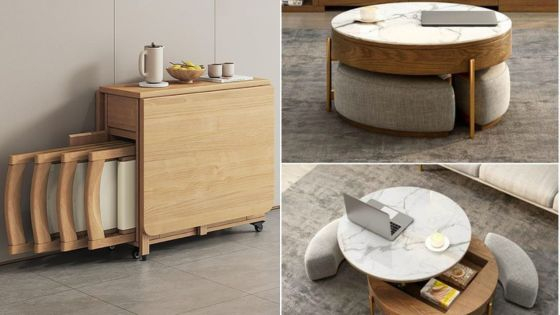
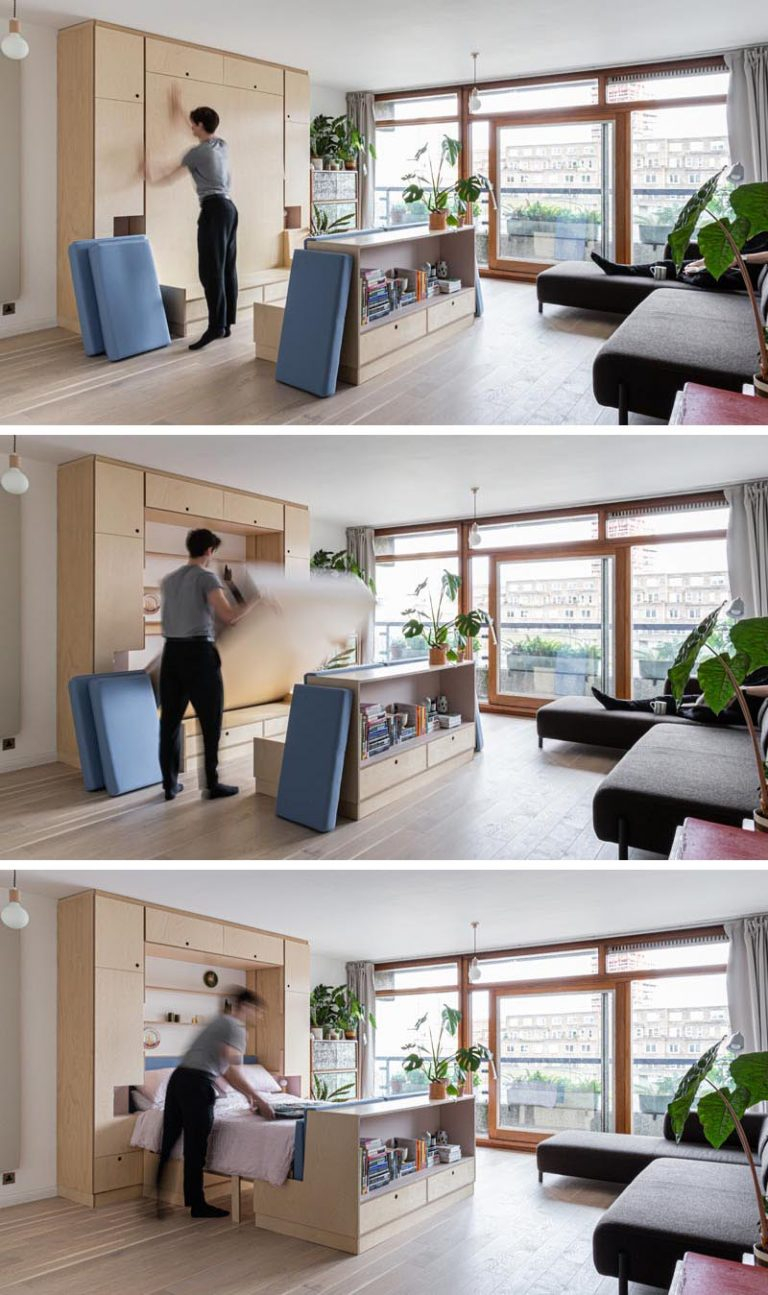
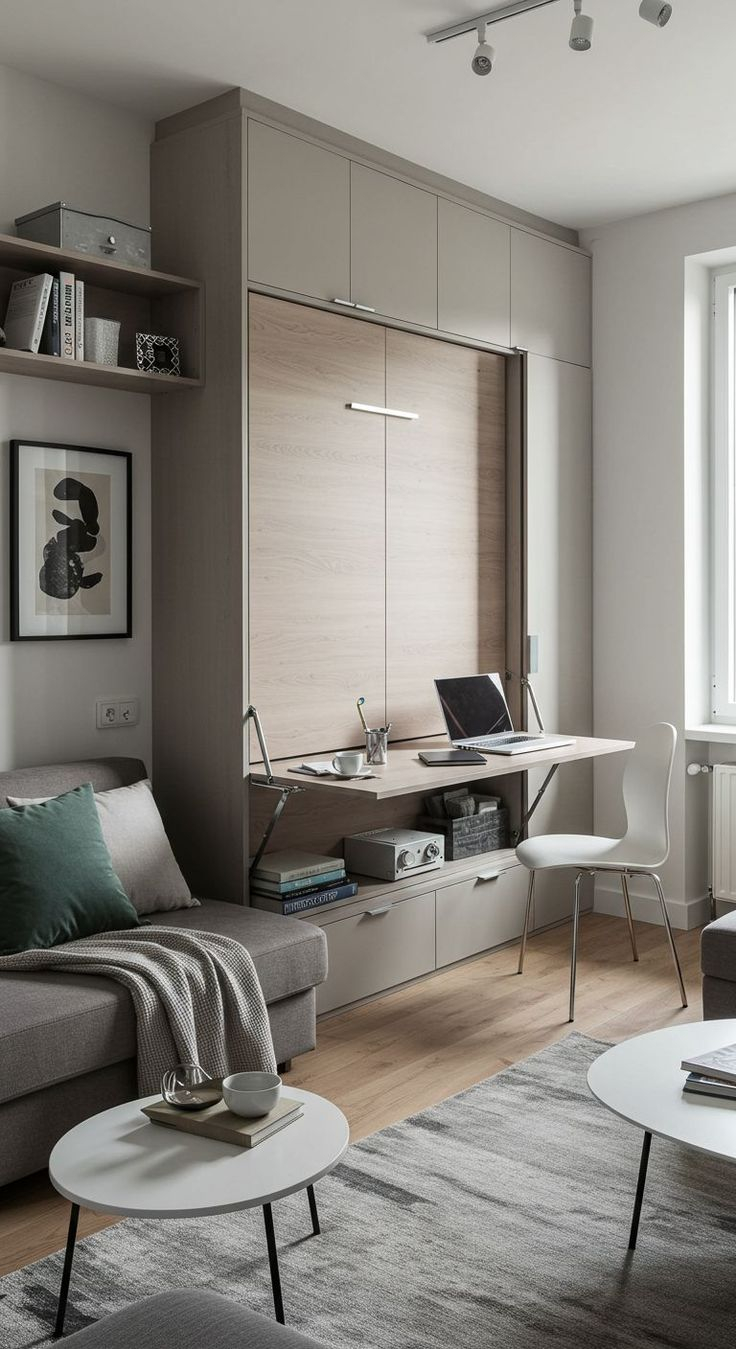
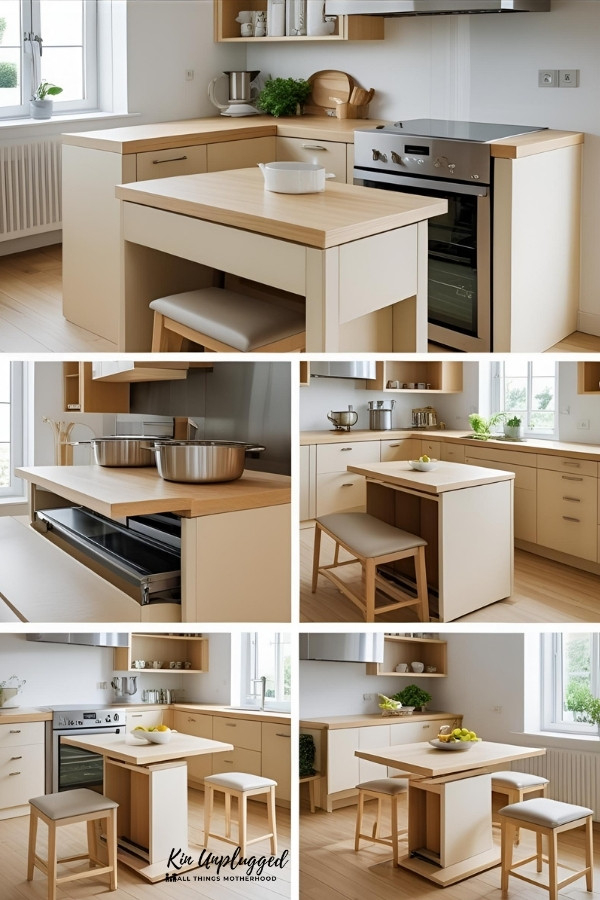
Multi-purpose furniture is non-negotiable in small spaces. Every piece should work twice as hard as you do. An ottoman with storage inside serves as a footrest, extra seating, and a place to hide blankets. A drop-leaf table can be a console against the wall when not in use and expand to seat four for dinner. Bed frames with built-in drawers eliminate the need for a bulky dresser. In 2026, we’re seeing a surge in modular furniture designed specifically for micro-living, such as nesting tables that tuck away completely and wall-bed systems that fold up seamlessly. These aren’t just gimmicks; they are essential tools for maintaining flexibility in a static space.
Arrangement is just as important as selection. Avoid pushing all your furniture against the walls. It’s a common instinct to clear the center of the room, but this actually creates a dead zone in the middle and makes the perimeter feel crowded. Instead, float your furniture slightly off the walls if space allows, or arrange it in conversational groups that encourage flow. Create pathways that are clear and direct. If you have to shimmy sideways to get from the kitchen to the living room, your layout is wrong. Aim for at least 30 inches of walking space around major pieces. This breathing room makes the apartment feel navigable and calm, rather than obstacle-course chaotic.
Color and Continuity Create Depth
Color has a profound psychological impact on how we perceive space. Dark colors absorb light and make walls feel closer, while light colors reflect light and make them recede. Painting your walls, trim, and even the ceiling in the same shade of white or off-white creates a seamless envelope that blurs the boundaries of the room. This technique, known as "color drenching," eliminates visual breaks and makes the space feel expansive. If white feels too sterile for you, try soft neutrals like pale gray, beige, or blush. The key is consistency. Using too many contrasting colors chops the room up into small, disjointed sections.
Extend this continuity to your flooring if possible. If you have different types of flooring in different rooms, use large rugs to bridge the gap, or better yet, keep the main traffic areas consistent. Visual interruptions in flooring patterns stop the eye and make the space feel smaller. Similarly, keep your window treatments high and wide. Hang curtain rods close to the ceiling and extend them beyond the window frame. This makes the windows appear larger and the ceilings higher, adding vertical volume to the room. It’s a simple trick that costs almost nothing but yields a dramatic architectural effect.
Don’t be afraid of accent colors, but use them strategically. A pop of color on a single wall, a piece of art, or a throw pillow can add personality without shrinking the space. However, avoid large, busy patterns on walls or large furniture pieces. Bold prints can overwhelm a small room and make it feel chaotic. Stick to solid colors or subtle textures for large surfaces. Textiles with texture, like a chunky knit throw or a linen sofa, add interest and depth without the visual noise of a pattern. This balance of simplicity and texture keeps the space feeling curated and calm, which is essential for mental well-being in a small footprint.
Declutter With Purpose (Not Just Panic)
Decluttering isn’t just about throwing things away; it’s about curating what stays. In a small apartment, every item must earn its place. If it doesn’t serve a function or bring you joy, it’s taking up valuable real estate. Start by clearing surfaces. Countertops, tables, and shelves should be mostly clear. Display only a few meaningful items and store the rest. Visual clutter creates mental clutter, and in a small space, that feeling is amplified. Use closed storage solutions like cabinets and baskets to hide everyday items. Open shelving looks great in photos, but in real life, it requires constant styling to avoid looking messy.
Think vertically when organizing. Use the space above doors, the backs of cabinets, and the insides of closet doors. Command hooks, tension rods, and stackable bins can transform wasted nooks into functional storage zones. For example, a tension rod under the sink can hold spray bottles, freeing up shelf space. Hooks on the back of the bathroom door can hold towels and robes. These small optimizations add up to significant gains in usable space. The goal is to have a place for everything, so you’re not constantly moving piles from one surface to another.
Regular maintenance is key. Small spaces get messy fast. Adopt a "one in, one out" rule for new purchases. If you buy a new shirt, donate an old one. If you get a new gadget, recycle the old one. This prevents accumulation and keeps your space manageable. It’s also helpful to do a quick reset every evening. Spend five minutes putting things back in their designated spots. This habit ensures you wake up to a clean, open space every morning, which sets a positive tone for the day. Living small requires discipline, but the reward is a home that feels serene and spacious rather than cramped and stressful.
Our brains are easily fooled by perspective and line. You can use this to your advantage. Vertical lines draw the eye up, making ceilings feel higher. Horizontal lines draw the eye across, making rooms feel wider. Use this knowledge in your decor. Vertical striped wallpaper or tall, narrow artwork can elongate a room. Horizontal stripes on a rug or a long, low piece of furniture can widen a narrow space. Even the direction of your floorboards matters; if you can’t change the flooring, use a rug with lines running parallel to the longest wall to emphasize length.
Transparency is another powerful illusion. Acrylic or glass furniture, often called "ghost furniture," disappears visually. A clear acrylic chair takes up physical space but occupies almost no visual space. This allows you to have extra seating without blocking views or light. Similarly, mirrored furniture can blend into the background, reflecting the room and adding depth. While these pieces can be pricey, even small accents like a glass vase or a mirrored tray can contribute to the effect. The idea is to reduce visual obstruction wherever possible.
Finally, consider the view from your entrance. The first thing you see when you walk in sets the tone for the entire apartment. Keep this area clear and inviting. A mirror or a piece of art at the end of a hallway draws the eye through the space, creating a sense of journey and depth. Avoid blocking sightlines with tall furniture right at the entrance. Let the eye travel as far as possible into the apartment. This long sightline makes the space feel larger and more connected. It’s about guiding the viewer’s experience, leading them through a space that feels thoughtfully designed and unexpectedly ample.
Living in a tiny apartment doesn’t mean sacrificing comfort or style. It means being smarter about how you use what you have. By manipulating light, scale, color, and layout, you can create a home that feels twice as big as its square footage suggests. It’s not about hiding the size of your space; it’s about enhancing its potential. These changes don’t require renovation, just intention. So take a look around your apartment today. What’s one thing you can move, swap, or clear to let the light in? Start small. The transformation might surprise you.