Let’s be honest for a second. The idea of remodeling a bathroom usually triggers one of two reactions: pure excitement about having a spa-like retreat, or absolute dread at the thought of the chaos, cost, and dust. Often, it’s both. You want that sleek, modern shower or the vintage clawfoot tub you’ve been pinning on social media for years. But then reality hits. The quotes come in. The timeline stretches. And suddenly, you’re wondering if you made a huge mistake.
It doesn’t have to be that way. In 2026, we have more tools, better materials, and smarter strategies than ever before to keep a renovation from turning into a nightmare. The secret isn’t just having a lot of money—it’s having a plan. A real, flexible, honest plan. This isn’t about cutting corners until the place falls apart. It’s about making smart choices so you can enjoy the process (yes, really) and love the result without needing a second mortgage.
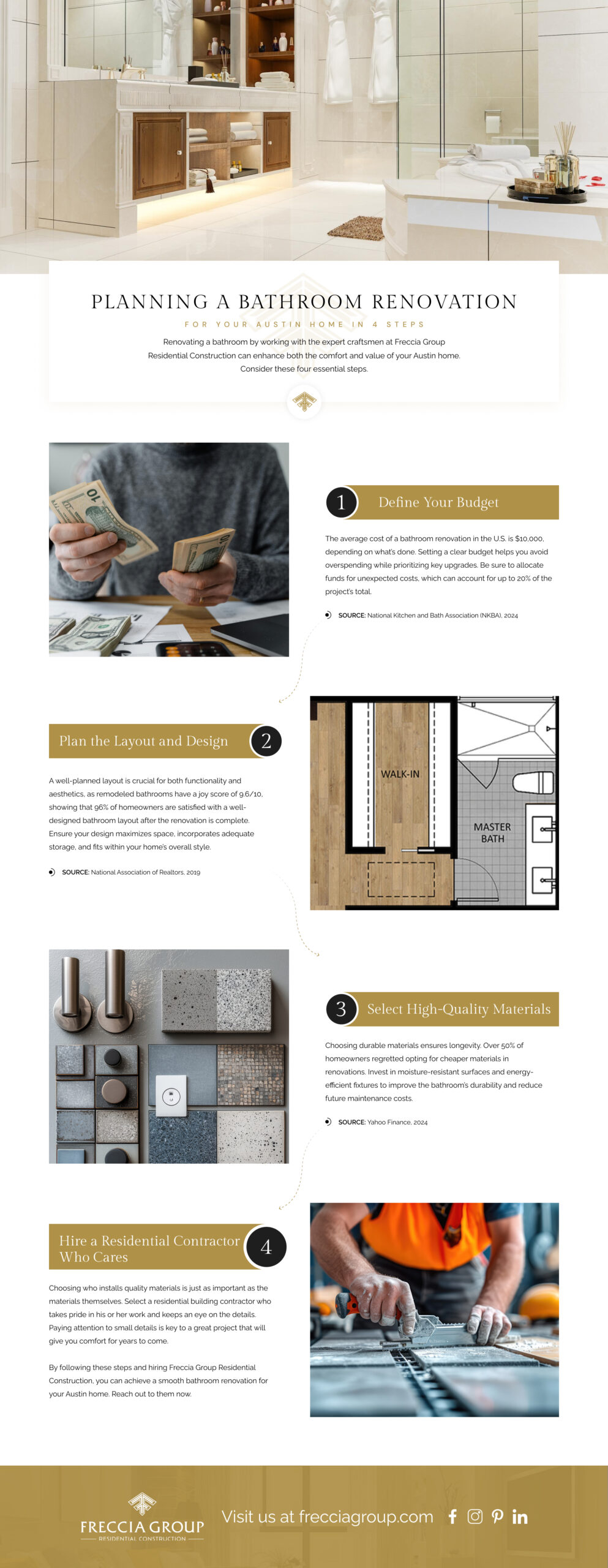
Know What You Actually Want (And Need)
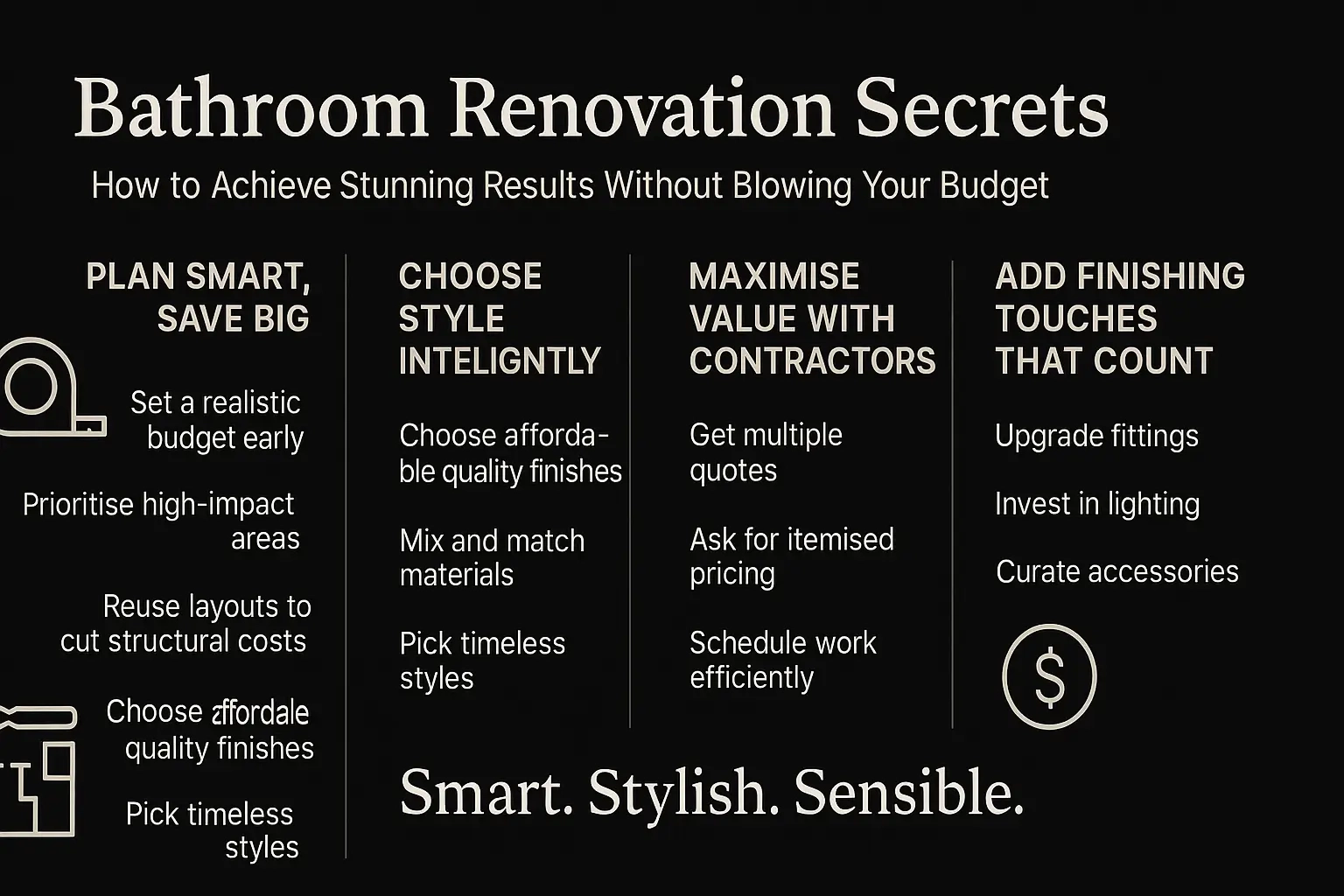
Before you even look at tile samples or call a contractor, you need to get clear on your "why." Are you fixing a leak that’s been driving you crazy? Do you need more storage because your current setup is a cluttered disaster? Or are you just trying to make the space feel less like a dungeon from the 1970s? Identifying the core issues helps you prioritize. If the plumbing is shot, that’s a need. If you want heated floors, that’s a want. Knowing the difference saves you from blowing your budget on bells and whistles while ignoring the bones of the room.
Take a good, hard look at your daily routine. Do you really need a double vanity if only one person uses the bathroom in the morning? Could a walk-in shower replace that unused jacuzzi tub that just collects dust? These aren’t just design questions; they’re budget questions. By stripping away the non-essentials early on, you free up cash for the things that truly matter to you. Maybe that means spending more on a high-quality faucet that won’t drip in six months, rather than on expensive marble that stains if you look at it wrong.
Write down your top three goals. Keep this list handy. When you’re tempted by a gorgeous but pricey light fixture, check it against your list. If it doesn’t serve one of those top three goals, put it back. This simple act of discipline is the first step toward a stress-free project. It keeps you focused when the shiny objects try to distract you. And trust me, they will try.
The Money Talk: Building a Realistic Budget
Money is the biggest source of stress in any renovation. So let’s tackle it head-on. A realistic budget isn’t just a guess; it’s a detailed roadmap. Start by researching current costs in your area for 2026. Prices for labor and materials have stabilized somewhat compared to the wild swings of the early 2020s, but they’re still significant. Get at least three quotes from contractors for the labor side. Don’t just pick the cheapest one—look for the one that communicates clearly and seems to understand your vision.
Here’s the golden rule: add a contingency fund of 15% to 20% on top of your estimated total. This is not optional. This is your "oh no" fund. Because something unexpected will happen. You’ll open up a wall and find outdated wiring. Or the subfloor will be softer than expected. If you don’t have this buffer, every surprise becomes a crisis. If you do have it, it’s just a hiccup. Using a budget worksheet, like the ones available from resources like Pennies for a Fortune, can help you track every single expense, from the big ticket items like the tub to the tiny stuff like grout and caulk.
Break your budget down by category: demolition, plumbing, electrical, fixtures, tiles, labor, and permits. Assign a dollar amount to each. Then stick to it. If you overspend on tiles, you need to underspend somewhere else, maybe on the vanity or the lighting. This trade-off mindset keeps you in control. It prevents that sinking feeling at the end of the project when you realize you’ve spent double what you planned. Being honest about your financial limits upfront allows for a much smoother journey.
The Team: Choosing Partners, Not Just Workers
You wouldn’t hire a stranger to watch your kids without checking their references, so why hire them to tear apart your home? Finding the right contractor and designer is crucial. Look for professionals who specialize in bathrooms. A general handyman might be great for fixing a fence, but a bathroom involves complex waterproofing, plumbing, and electrical work that requires specific expertise. Check reviews, ask for photos of past projects, and actually talk to their previous clients if possible. Did they show up on time? Did they clean up at the end of the day?
Communication is key. You want someone who listens. If a contractor dismisses your concerns or pushes you toward options that don’t fit your budget, walk away. A good partner will explain why certain things cost what they do and offer alternatives. For instance, if you want a specific high-end tile that’s out of stock or over budget, they might suggest a similar look-alike that’s readily available and cheaper. This collaborative approach reduces stress because you feel supported, not sold to.
Don’t forget about designers. If your layout is tricky, a professional designer can help you maximize space in ways you hadn’t considered. They can also help you avoid costly mistakes, like placing a toilet too close to the wall or choosing a door that swings into the vanity. Their fee might seem like an extra cost, but it often saves you money in the long run by preventing do-overs. Partnering with experts ensures the job gets done right the first time.
Design Choices That Save Cash (And Look Great)
You don’t need to spend a fortune to get a luxury look. The trick is knowing where to splurge and where to save. Flooring and walls are large surface areas, so expensive materials here add up fast. Consider large-format tiles. They often cost less per square foot than small mosaics and require less grout, which means less cleaning later. Or, look into high-quality vinyl plank flooring that mimics wood or stone. In 2026, these materials are incredibly realistic, waterproof, and durable, making them a smart choice for bathrooms.
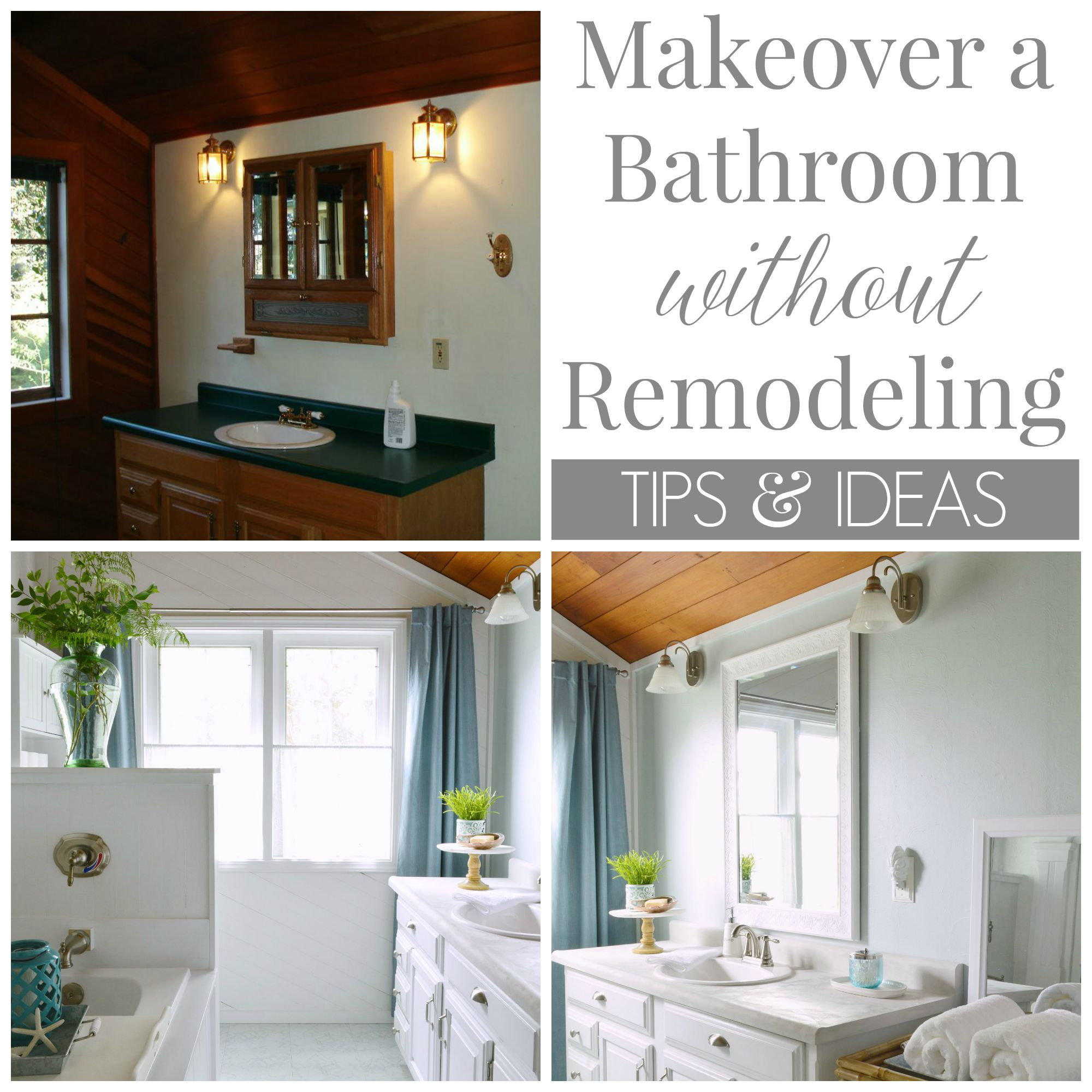
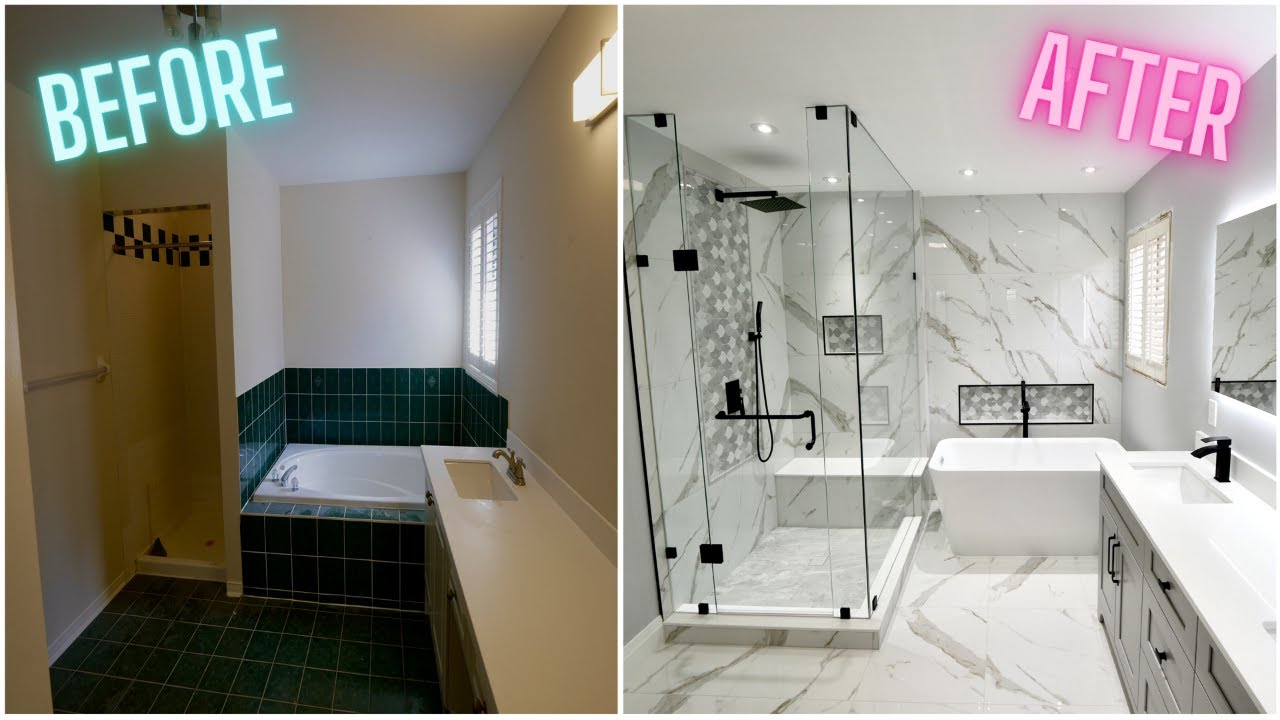
Fixtures are another area where you can be strategic. A standard white toilet works just as well as a designer one. Save your splurge for the things you touch every day, like the showerhead or the faucet handles. These tactile elements make a big difference in how luxurious the space feels. Also, consider keeping the existing layout. Moving plumbing lines is expensive. If you can keep the toilet, sink, and shower in their current spots, you’ll save thousands in labor and materials. Sometimes, just updating the finishes around the existing layout gives you the fresh look you want.
Lighting can transform a space without breaking the bank. Swap out old, dated fixtures for modern LED options. Good lighting makes a small bathroom feel bigger and more inviting. Don’t forget ventilation. A good exhaust fan is essential to prevent mold and mildew, which can cause expensive damage down the road. It’s not glamorous, but it’s one of the most important investments you can make for the longevity of your renovation.
Managing the Chaos: Timeline and Logistics
Even with the best plan, a renovation is disruptive. Accepting this fact helps reduce the stress. Create a flexible timeline with your contractor. Understand that delays happen. Supply chains are better than they were a few years ago, but unexpected hold-ups still occur. Build buffer days into your schedule. If you think it will take three weeks, plan for four. This way, if everything goes smoothly, you’re happy. If it takes longer, you’re not panicked.
Prepare your home for the construction zone. Seal off the bathroom area with plastic sheeting to keep dust from spreading to the rest of your house. Set up a temporary bathroom station if you have another half-bath, or figure out a schedule for using a gym or neighbor’s facility if you only have one bathroom. It sounds extreme, but having a plan for basic hygiene reduces daily friction. Pack up all your toiletries, towels, and decor ahead of time. Store them in a designated box so they don’t get lost or damaged.
Communication during the build is vital. Have a daily or weekly check-in with your contractor. A quick text or five-minute chat can resolve small issues before they become big problems. If you see something that looks wrong, speak up immediately. It’s much easier to fix a tile alignment issue while the mortar is wet than after it’s set. Stay involved, but don’t hover. Trust the professionals you hired to do their job. Micromanaging increases stress for everyone and rarely improves the outcome.
As the project wraps up, the excitement builds. But this is also a time when details can get rushed. Do a thorough walkthrough with your contractor before the final payment. Check every drawer, every faucet, every tile grout line. Make sure the toilet is secure and doesn’t rock. Test the shower pressure and drainage. Ensure the exhaust fan is quiet and effective. Create a punch list of any minor items that need fixing or touching up. Most reputable contractors will handle these quickly, but you need to catch them first.
Cleaning is the last hurdle. Construction dust is insidious. It gets everywhere. Plan for a deep clean, either by doing it yourself with plenty of elbow grease or hiring a professional cleaning service. It’s worth the cost to start fresh in a spotless space. Once it’s clean, bring in your new accessories. Fresh towels, a nice rug, some plants. These soft touches make the space feel lived-in and welcoming. They also help you transition from seeing it as a construction site to seeing it as your sanctuary.
Take a moment to appreciate what you’ve accomplished. You navigated the budget, managed the timeline, and made dozens of decisions. Now, you have a bathroom that works for you. Light a candle, run a bath, or just stand in the shower and enjoy the hot water. You earned it. The stress is over. The beauty remains.
Renovating a bathroom is a journey. It has its ups and downs, its surprises and its triumphs. But by planning ahead, setting a realistic budget, choosing the right team, and staying flexible, you can minimize the headaches and maximize the joy. In 2026, you have all the resources you need to succeed. Don’t let the fear of the process stop you from creating a space you love. Take a deep breath, make a plan, and dive in. You’ve got this.