Have you ever walked into a room that looked perfect on paper but felt… empty? You know the type. Clean lines, white walls, maybe a sleek sofa that looks like it belongs in a museum rather than a living room. It’s beautiful, sure. But it doesn’t hug you back. That’s the trap so many of us fall into when we chase minimalism. We strip away the clutter, the noise, and the excess, but sometimes we accidentally strip away the soul, too.
It doesn’t have to be that way. In fact, the most compelling minimalist spaces today aren’t defined by what’s missing. They’re defined by what’s there, specifically in terms of touch and feel. This is where texture comes in. It’s the secret ingredient that turns a cold box into a home. It’s the difference between looking at a photo of a fire and actually feeling its heat. By layering different materials—rough against smooth, soft against hard—we create a sensory experience that grounds us. It adds depth without adding visual chaos. And honestly? It’s easier than you think.
Why Minimalism Often Feels Cold (And How to Fix It)
Let’s be real for a second. Minimalism got a bad rap in the early 2010s. It became synonymous with sterile hospitals and rooms you were afraid to sit in because you might wrinkle the pristine white linen. The problem wasn’t the simplicity itself. The problem was the lack of variation. When everything is smooth, flat, and uniform, our eyes glide right over it. There’s nothing for them to catch on. No shadows to explore. No invitation to reach out and touch.
In 2026, the conversation has shifted. We still love the clarity of minimalism—the mental peace that comes from an uncluttered environment. But we’ve realized that human beings are tactile creatures. We crave connection. A room full of glossy surfaces reflects light, yes, but it also bounces energy around in a way that can feel anxious or restless. To fix this, we don’t need to add more stuff. We need to add more interest.
Think about it like cooking. If you eat a meal that’s all mushy texture, it’s boring, even if the flavors are good. You need crunch. You need creaminess. You need contrast. Interior design works the same way. By introducing natural imperfections and varied surfaces, we break up the monotony. A rough-hewn wooden beam against a smooth plaster wall creates a shadow play that changes throughout the day. It makes the space feel alive. It makes it feel inhabited. That’s the warmth we’re chasing. It’s not about turning up the thermostat; it’s about turning up the sensory volume just enough to feel present.
The Big Three: Wood, Stone, and Fabric
If you’re standing in an empty room wondering where to start, look to nature. Nature never does "flat." Even a calm lake has ripples. A smooth stone has grain. Start with the foundational materials: wood, stone, and fabric. These are your anchors. In modern minimalist design, we aren’t talking about ornate, heavy versions of these. We’re talking about their purest forms.
Wood is perhaps the easiest way to inject immediate warmth. But not all wood is created equal. In recent years, there’s been a huge move toward lighter, matte finishes. Think oak, ash, or walnut with a natural oil finish rather than a high-gloss polyurethane. The grain becomes part of the decor. A fluted sideboard, for instance, isn’t just storage; it’s a rhythm of light and shadow. The vertical grooves catch the morning sun differently than the afternoon light. It adds movement to a static object. Pair that with a concrete or stone floor, and you’ve got a classic contrast: the organic warmth of timber against the cool, solid permanence of stone.
Then there’s fabric. This is where comfort lives. Bouclé chairs have had a massive moment, and for good reason. Their nubby, looped surface invites you to sink in. But don’t stop there. Consider linen curtains that pool slightly on the floor, creating soft folds. Or a woven wool rug that feels substantial underfoot. The key here is weight. Lightweight, sheer fabrics can feel airy, but heavier textiles ground a space. They absorb sound, which is another huge factor in how "warm" a room feels. A quiet room is a cozy room. By mixing these three elements—wood for structure, stone for balance, and fabric for softness—you build a baseline of tactile diversity that feels intentional and calm.
Playing With Contrast: Rough vs. Smooth
Once you have your base materials, it’s time to have some fun with contrast. This is where the magic happens. The human eye is drawn to edges and changes. When you place two opposing textures next to each other, they highlight each other. A smooth surface looks smoother when it’s next to something rough. A soft pillow feels softer when it’s on a structured leather chair. It’s all about relationship.
Let’s get specific. Imagine a sleek, low-profile sofa in a tight-weave velvet. It’s smooth and luxurious. Now, throw a chunky, hand-knit alpaca blanket over the arm. Suddenly, the sofa looks more inviting. The knitwear adds a layer of casual ease that says, "It’s okay to relax here." Or consider your kitchen. Matte black cabinets are striking, but they can feel severe. Add a backsplash made of handmade zellige tiles, with their slight irregularities and glaze variations. The imperfection of the tiles softens the precision of the cabinets. It creates a dialogue between the manufactured and the handmade.
Don’t forget about metals and glass, either. While we often think of these as "cold," they can add a necessary crispness. A brushed brass lamp base has a subtle texture that catches the light without blinding you. It pairs beautifully with a rough ceramic vase. The key is to avoid matching everything too perfectly. If your coffee table is glass, don’t put a glass vase on it. Put a wooden tray. If your floors are polished concrete, don’t use a slick leather rug. Use a jute or sisal one. This push-and-pull keeps the brain engaged. It prevents the space from feeling flat. It’s a bit like jazz improvisation; you need the steady beat, but you also need the unexpected notes to keep it interesting.
The Unsung Heroes: Lighting and Greenery
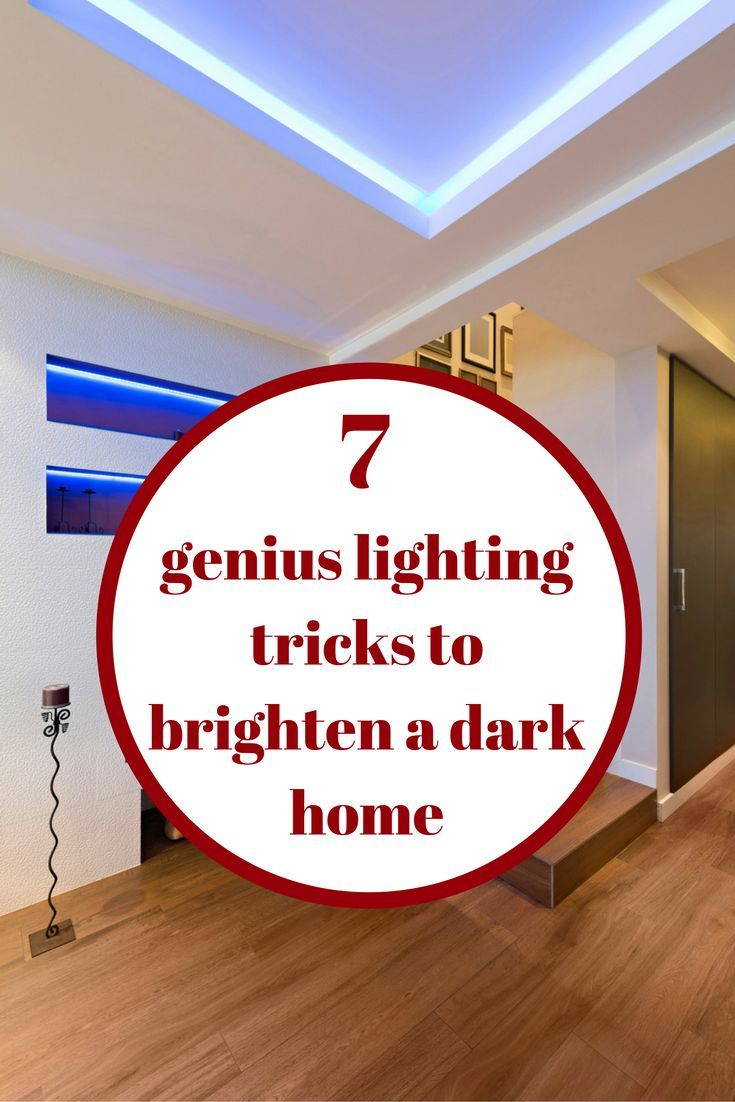
We often forget that light itself has texture. Or rather, it reveals texture. Without proper lighting, even the most beautifully textured room can look dull. In minimalist spaces, lighting shouldn’t just illuminate; it should sculpt. Shadow is just as important as light. When light grazes across a textured surface, it creates depth. This is called "washing" a wall. If you have a plaster wall with a subtle trowel mark finish, aim a light source at it from the side. The shadows will accentuate every tiny ridge and valley, turning a plain white wall into a landscape.
Layer your lighting sources. Avoid relying on a single overhead fixture, which tends to flatten everything out. Use floor lamps with fabric shades to create pools of soft, diffused light. Use table lamps with ceramic or stone bases to add weight at eye level. In 2026, smart lighting systems allow us to adjust the temperature of the light, too. Warmer tones (around 2700K) enhance the richness of wood and wool. Cooler tones can make things feel clinical. Stick to the warm end of the spectrum for living spaces to maximize that cozy factor.
And then, there’s greenery. Plants are the ultimate textural element because they are alive. They change. They grow. A large fiddle leaf fig has broad, waxy leaves that reflect light. A fern has delicate, feathery fronds that create a soft, fuzzy silhouette. Placing a plant in a rough terracotta pot next to a smooth metal stand creates a mini ecosystem of textures. Plants also soften the hard edges of furniture and architecture. They bring the outside in, reminding us of the natural world’s infinite variety. Don’t underestimate the power of a single, well-placed branch in a vase. It’s simple, minimal, yet incredibly expressive.
Small Touches That Make a Big Impact
You don’t need to renovate your entire house to add texture. Sometimes, the smallest changes make the biggest difference. This is great news if you’re renting or just not ready for a big overhaul. Start with what you can touch. Your bedding, for example. We spend a third of our lives in bed, so make it a sensory haven. Mix high-thread-count cotton sheets with a linen duvet cover and a chunky knit throw at the foot of the bed. The combination of crisp, soft, and rough feels incredible against the skin. It looks effortlessly chic, too.
Look at your window treatments. If you have bare windows, consider adding Roman shades in a natural fiber like bamboo or grasscloth. The weave adds instant visual interest without blocking too much light. Or, swap out standard plastic switch plates for ones made from wood, stone, or brushed metal. It’s a tiny detail, but every time you turn on a light, you’ll notice the quality of the material. It signals care.
Artwork is another avenue. Instead of glossy prints behind glass, look for textured art. Canvas paintings with visible brushstrokes, woven tapestries, or even framed pieces of dried botanicals. These pieces add depth to your walls without needing bold colors. A monochromatic textile hanging can be just as striking as a bright painting because it plays with shadow and form. Also, consider your everyday objects. A wooden cutting board left on the counter. A stack of hardcover books with cloth spines. A ceramic mug with a handmade glaze. These are the things you interact with daily. Making them tactile makes your daily routine feel more grounded. It’s about curating a life you can feel, not just see.
Here’s the tricky part. When we start talking about adding layers, it’s easy to go overboard. Suddenly, you’ve got five different rugs, ten throw pillows, and a shelf full of knick-knacks. That’s not minimalism anymore. That’s just clutter with a texture theme. The goal is to add warmth, not noise. So how do we keep it clean?
Edit ruthlessly. For every textured item you bring in, ask yourself: Does this serve a purpose? Does it bring me joy? Does it complement the other textures in the room, or is it fighting for attention? In a minimalist space, each piece should have room to breathe. If you have a heavily textured bouclé chair, keep the surrounding area relatively simple. Let the chair be the star. Don’t pair it with a busy patterned rug and a fringed lampshade. That’s too much competition.
Stick to a cohesive color palette. Texture shines best when color is restrained. Neutrals—whites, creams, grays, taupes, and earthy browns—allow the eye to focus on the material differences. If you introduce too many colors, the texture gets lost in the visual scramble. By keeping the colors muted, you create a serene backdrop where the interplay of light and surface takes center stage. It’s about harmony. Think of it as a choir, not a solo act. Every voice (or texture) should support the whole, not drown it out. If a room feels chaotic, take something away. Usually, less really is more.
So, where does this leave us? Minimalism doesn’t have to mean sacrificing comfort. It doesn’t have to mean living in a showroom. By understanding the power of texture, we can create spaces that are both visually calm and physically inviting. It’s about balancing the sleek with the soft, the refined with the raw. It’s about creating a home that respects your need for order but also honors your need for connection.
Start small. Feel the materials around you. Notice what feels good and what feels cold. Make adjustments. Swap a cushion. Add a rug. Change a lamp. Pay attention to how the light hits your walls in the evening. These small acts of curation add up. They transform a house into a sanctuary. And in a world that’s increasingly digital and distant, having a physical space that grounds you is more valuable than ever. Your home should be the place where you can exhale. Let texture help you do just that.