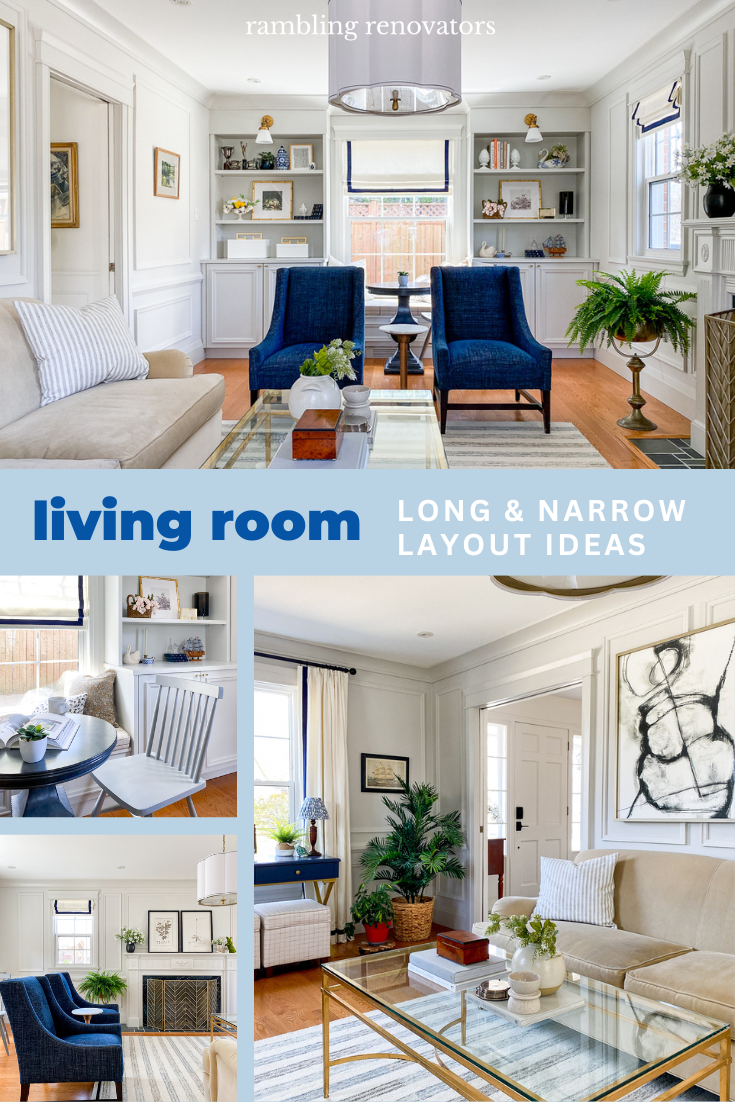
Ever walk into a room and just feel… stuck? Like the walls are closing in a bit too fast? You aren’t alone. In 2026, with urban living spaces shrinking and rent prices climbing, more of us are squeezing our lives into boxes that feel just a tad too small. But here’s the secret that interior designers have known for decades: square footage is just a number. Perception is everything.
You don’t need to knock down walls or buy a new house to breathe easier. Sometimes, all it takes is shifting a sofa two inches to the left or swapping out a lamp. It sounds almost too simple, right? But the psychology of space is real. When you manipulate light, line, and scale, you can trick your brain into seeing ten extra feet of room. It’s not magic; it’s just smart design. And honestly, it’s kind of fun once you get the hang of it.
Let’s be real though. It’s not just about aesthetics. A cramped room feels stressful. Clutter creates noise, even when it’s silent. By opening up your visual field, you’re not just making the room look bigger; you’re making your daily life feel calmer. So, grab a tape measure and maybe a cup of coffee. We’re going to turn that cozy (read: tiny) living room into a space that feels airy, open, and surprisingly spacious.
Let There Be Light (And Reflections)
Light is the cheapest paint you can buy. Seriously. If your living room feels like a cave, no amount of rearranging furniture will fix it until you address the illumination. Natural light is the gold standard, so first things first: stop blocking your windows. It’s tempting to put a bookshelf in front of that sunny spot, but resist the urge. Let the sun pour in. If you have privacy concerns, skip the heavy, dark drapes. They chop up the wall and suck the energy out of the room. Instead, go for sheer curtains or blinds that mount inside the window frame. This keeps the glass fully visible when open, maintaining that connection to the outside world.
But what about when the sun goes down? Layering is key here. Don’t rely on that single, sad ceiling fixture in the center of the room. It casts shadows in the corners, which makes the room feel smaller and boxier. Think vertically. Use floor lamps to draw the eye upward. Wall sconces can wash light across a surface, making it recede. And don’t forget mirrors. They are the oldest trick in the book because they work. Placing a large mirror opposite a window bounces natural light around the room, effectively doubling the visual depth. It’s like adding a virtual window where there wasn’t one before. Just make sure the mirror reflects something nice—like a plant or a view—not a pile of laundry.
Also, consider the color temperature of your bulbs. In 2026, smart lighting is more accessible than ever. Warm white bulbs (around 2700K-3000K) create a cozy vibe, but if you want airiness, lean toward neutral white (3500K-4000K). It mimics daylight and keeps the space feeling crisp and open. Avoid cool, blue-toned lights unless you want your living room to feel like a hospital waiting room. The goal is brightness without harshness. A well-lit corner disappears less, making the boundaries of the room feel softer and further away.
The Magic of Vertical Lines
When floor space is limited, you have to look up. Most people focus on the horizontal plane—where does the sofa go? Where does the TV sit? But the vertical space is often wasted potential. Drawing the eye upward creates an illusion of height, which tricks the brain into perceiving more volume overall. Start with your curtains. Hang them as high as possible. Ideally, mount the rod just below the ceiling molding, not right above the window frame. Then, let the fabric fall all the way to the floor. This continuous line from ceiling to floor elongates the wall, making the ceilings feel taller than they actually are. It’s a subtle shift, but the impact is huge.
Bookshelves and storage units should follow the same rule. Go tall and narrow rather than short and wide. A floor-to-ceiling shelving unit draws the gaze up and provides massive storage without eating up valuable floor real estate. If you’re worried about it looking top-heavy, keep the lower shelves open or use lighter-colored materials. You can also use vertical stripes in your decor. Maybe it’s a rug with a linear pattern, or wallpaper with a subtle vertical texture. These lines guide the eye up and down, breaking the monotony of horizontal boundaries. Even artwork can play a role. Hanging a tall, narrow piece of art instead of a wide, short one reinforces this verticality.
Don’t ignore the doors and trim either. Painting your door frames, baseboards, and even the doors themselves the same color as the walls (or a slightly lighter shade) blurs the edges of the room. When the eye doesn’t stop at a contrasting white trim, it travels further. This technique, often called "color drenching," has gained popularity recently because it simplifies the visual landscape. Fewer visual stops mean the space feels more expansive. It’s about creating flow. When there are no hard breaks in color or line, the room feels like one continuous, breathable entity rather than a collection of small, boxed-in sections.
Furniture Scale and Leggy Choices
Here’s a counterintuitive truth: putting lots of small furniture in a small room makes it look cluttered and smaller. It’s like filling a small bowl with gravel versus one big stone. The gravel looks messy; the stone looks intentional. In a compact living room, choose fewer, larger pieces. A substantial sofa that fits the scale of the room anchors the space. Multiple tiny chairs just create visual noise. Look for pieces with exposed legs. Sofas and chairs that sit directly on the floor block the view of the flooring, which cuts off the visual expanse of the room. "Leggy" furniture allows light and sightlines to pass underneath, keeping the floor visible and the space feeling open.
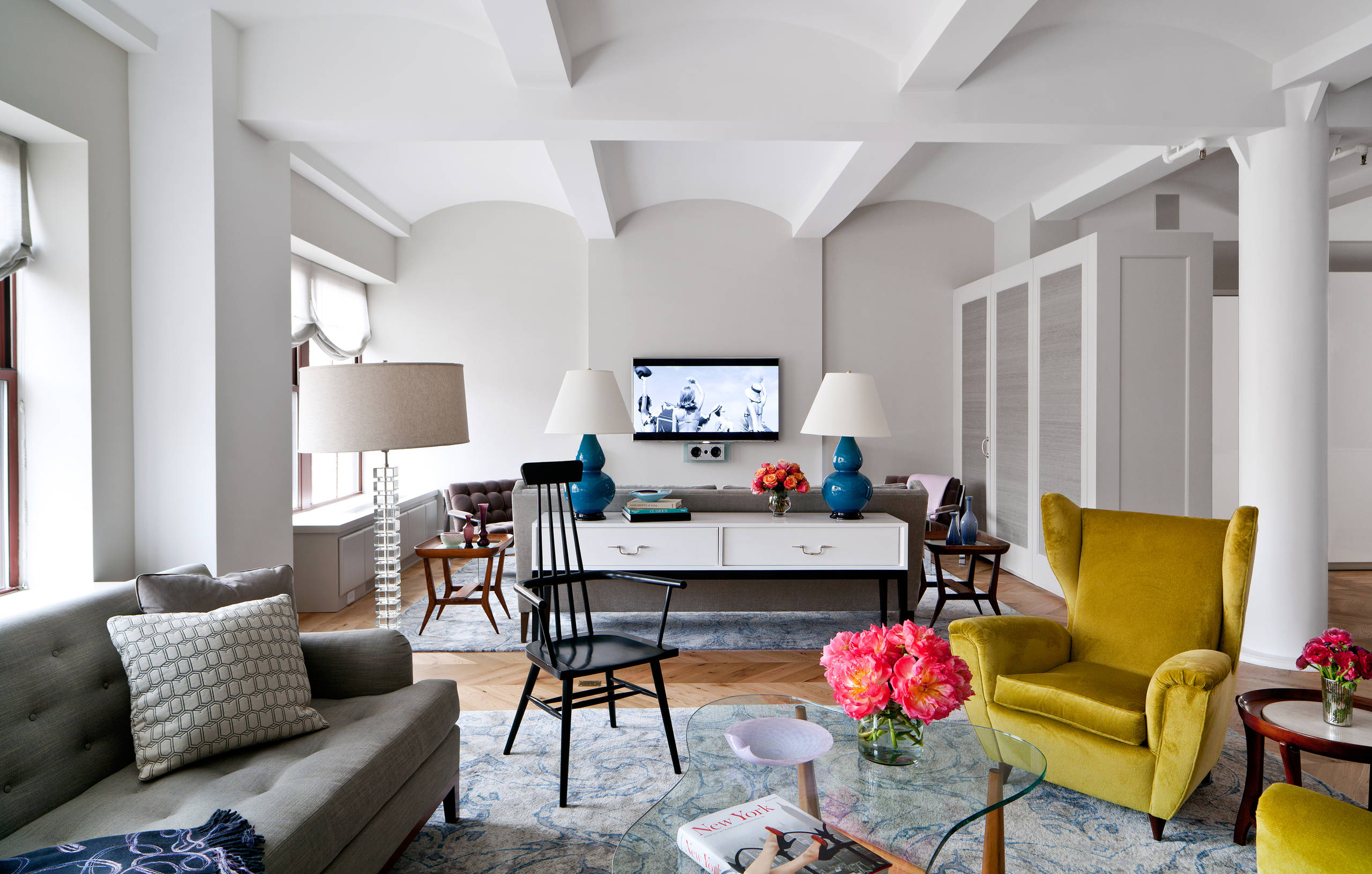
Glass and acrylic are your best friends here. A glass coffee table or transparent acrylic side chairs virtually disappear. They provide function without visual weight. You can see the rug and the floor through them, which maintains the continuity of the space. It’s not about sacrificing style for size; it’s about choosing materials that contribute to the airy aesthetic. If glass feels too cold, opt for light woods like oak or ash. Dark, heavy woods can feel imposing in a tight space, whereas lighter tones reflect more light and feel less dense.
Arrangement matters just as much as selection. Avoid pushing all your furniture against the walls. It’s a common instinct to clear the center of the room, but this often creates a awkward, empty dance floor in the middle while the edges feel jammed. Instead, float your furniture. Pull the sofa out a few inches from the wall. Create distinct zones if the room serves multiple purposes, like a reading nook and a TV area. Use the back of the sofa to define these spaces. This creates pathways and flow, making the room feel dynamic and larger because your eye has to travel around objects, engaging more of the space. Just ensure you leave enough room to walk comfortably—cramped pathways are the quickest way to kill the illusion of space.
Color Palette and Visual Continuity
Color has power. It can shrink a room or blow it open. The classic advice is to paint small rooms white, and while that’s solid advice, it’s not the only option. The key isn’t necessarily white; it’s cohesion. Monochromatic schemes work wonders. When your walls, trim, and even large furniture pieces share similar tones, the boundaries blur. High contrast chops a room up into small bits. Low contrast lets the eye glide smoothly across surfaces. If you love color, try soft, muted tones like sage green, pale blue, or warm beige. These colors recede visually, making walls feel further away than stark, bright whites which can sometimes feel clinical and close-in depending on the light.
Consider the ceiling. Many people ignore it, leaving it standard white while painting the walls a color. But painting the ceiling the same color as the walls (or even a shade lighter) removes the hard line where the wall meets the ceiling. This makes the room feel like a cube of color rather than a box with a lid. It’s disorienting in a good way. You lose track of exactly where the room ends. If you’re nervous about going full color, try painting just the crown molding the same color as the wall. It’s a low-commitment test that often yields surprising results.
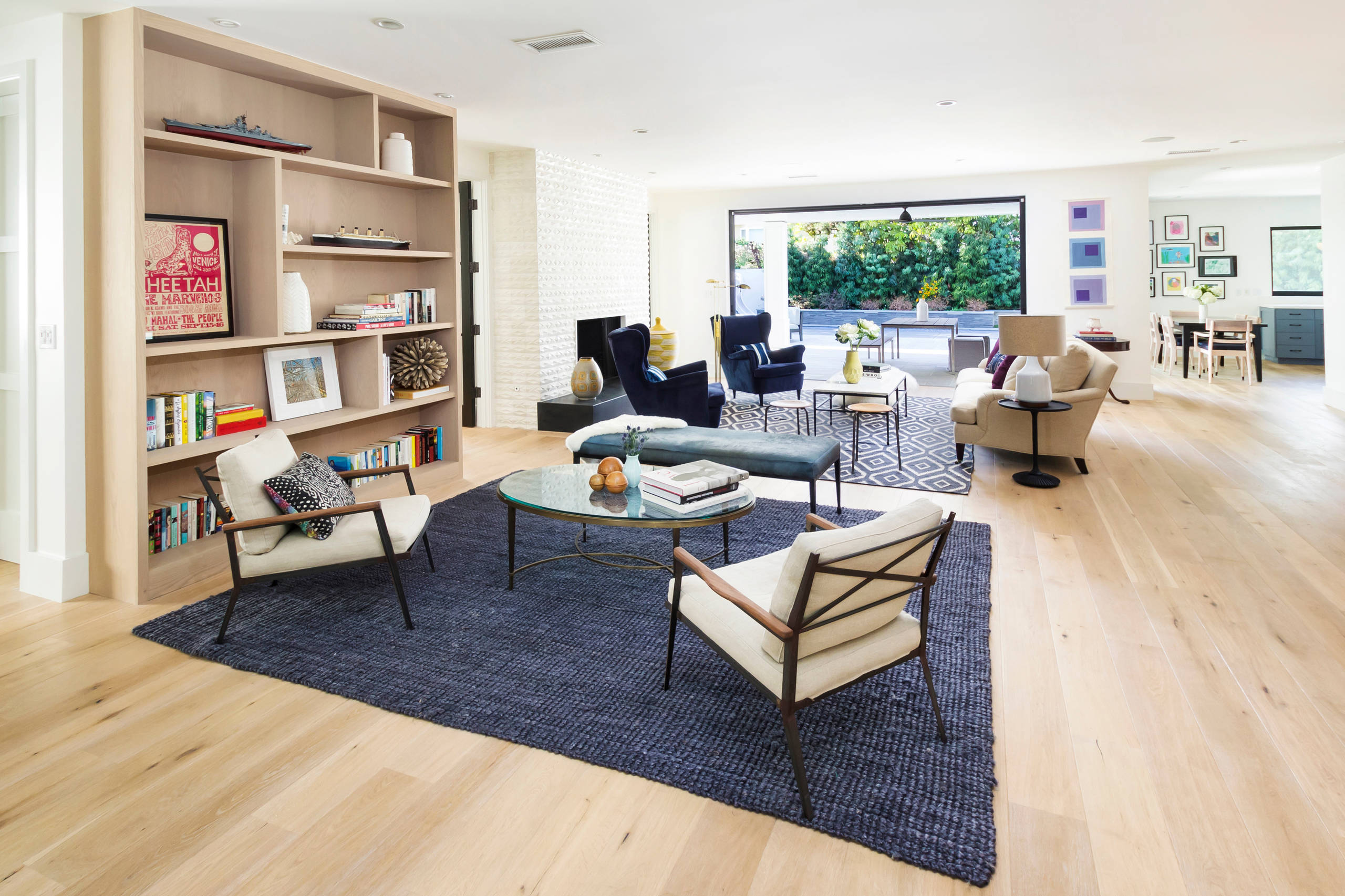
Flooring continuity is another huge factor. If you have different flooring types in adjacent areas (like hardwood in the living room and tile in the entry), it visually slices the space. Using large area rugs that match the tone of the floor, or better yet, extending the same flooring material throughout, helps. If you can’t change the floors, use a large rug that leaves a border of flooring visible around the edges. This frames the space and shows off the extent of the floor, reminding the brain that there is more ground beneath your feet than just the furniture footprint. In 2026, sustainable, light-colored bamboo or cork flooring is trending, partly because it offers that warm, expansive feel without the heaviness of dark hardwoods.
Smart Storage and Hidden Clutter
Clutter is the enemy of space. It’s not just about mess; it’s about visual noise. Every object on a surface competes for your attention. In a small room, this competition becomes overwhelming quickly. The solution isn’t just to clean up; it’s to hide things strategically. Closed storage is king. Cabinets with doors, ottomans with lift-top lids, and benches with hidden compartments allow you to store the essentials out of sight. When surfaces are clear, the eye can rest, and the room feels larger. Open shelving looks great in photos, but in real life, it requires constant styling and can easily look chaotic. Limit open shelves to a few curated items and hide the rest.
Multi-functional furniture is non-negotiable in small spaces. Why have a separate coffee table and storage chest when one piece can do both? Look for nesting tables that can be spread out when you have guests and tucked away when you don’t. Consider a sleeper sofa if you need guest space, but make sure it’s comfortable for daily use too. In recent years, modular furniture has become incredibly sophisticated. You can buy sofas that expand or contract based on your needs. This flexibility means you aren’t stuck with a massive sectional that dominates the room every day. You can adapt the space to your current activity, keeping it open when needed.
Vertical storage is also crucial for keeping the floor clear. Wall-mounted shelves, pegboards, and floating cabinets keep items off the ground. The more floor you can see, the bigger the room feels. Even behind closed doors, organization matters. Use dividers and bins to keep closets tidy. A chaotic closet can spill mental clutter into the room, even if the door is shut. Think of storage as a system, not an afterthought. Every item should have a home. When everything has a place, it’s easier to maintain that sense of calm and openness. And remember, decluttering is an ongoing process, not a one-time event. Regularly edit your belongings. If it doesn’t spark joy or serve a purpose, let it go. It’s freeing, literally and figuratively.
Decorating a small room feels risky. People often think they should use minimal decor to avoid clutter. But a bare room can feel just as small and sterile as a cluttered one. The trick is scale and placement. One large piece of artwork is far more effective than a gallery wall of ten small pictures. A large canvas creates a focal point and draws the eye, making the wall feel expansive. A gallery wall can look busy and choppy, breaking up the wall surface. If you love collections, frame them together in a single, large matting or use a consistent frame style to create unity.
Mirrors aren’t just for light; they are decor too. An oversized floor mirror leaning against a wall adds depth and a touch of glamour. It reflects the room back on itself, creating a sense of infinite space. Place it strategically to reflect a window or a beautiful corner. You can also use glossy finishes on decor items. Ceramic vases with a high-gloss glaze, metallic accents, or glass objects catch and reflect light, adding sparkle and dimension without adding bulk. These small reflections break up the solidity of furniture and walls, adding visual interest that feels light and airy.
Plants bring life to a space, but choose wisely. Large, leafy plants like fiddle leaf figs or monsteras can overwhelm a tiny room. Opt for vertical plants like snake plants or tall, slender palms. They add height without width. Hanging plants are another great option. They draw the eye up and utilize unused air space. Just don’t overdo it. One or two well-placed green elements are enough to soften the room and add a breath of fresh air. The goal is to create moments of interest that lead the eye around the room, encouraging it to explore the space rather than hitting a dead end. Thoughtful decor tells a story without shouting, making the room feel curated and spacious.
So, there you have it. Making a small living room feel bigger isn’t about magic spells or expensive renovations. It’s about understanding how we see and perceive space. It’s about letting light in, drawing the eye up, choosing furniture that breathes, and keeping the visual noise down. It takes a bit of experimentation. You might hang those curtains too low the first time. You might pick a rug that’s too small. That’s okay. Tweak it. Move things around. Live in the space and see how it feels.
The most important thing is to create a room that feels good to you. If it feels open, calm, and inviting, you’ve succeeded. Don’t get bogged down in rigid rules. Use these tips as a starting point, but trust your instincts. Maybe you love dark walls. If so, make sure the lighting is dialed in perfectly. Maybe you need lots of open storage for your books. If so, keep the rest of the room ultra-minimal. Balance is key.
In 2026, our homes are more than just places to sleep. They are offices, gyms, sanctuaries, and social hubs. Making them feel spacious is essential for our well-being. A cramped space can lead to a cramped mind. By applying these simple, strategic changes, you’re not just decorating. You’re investing in your peace of mind. You’re creating a backdrop for your life that feels generous, regardless of the actual square footage. And isn’t that what home is really about? Feeling at ease. Feeling free. Even in a small box.