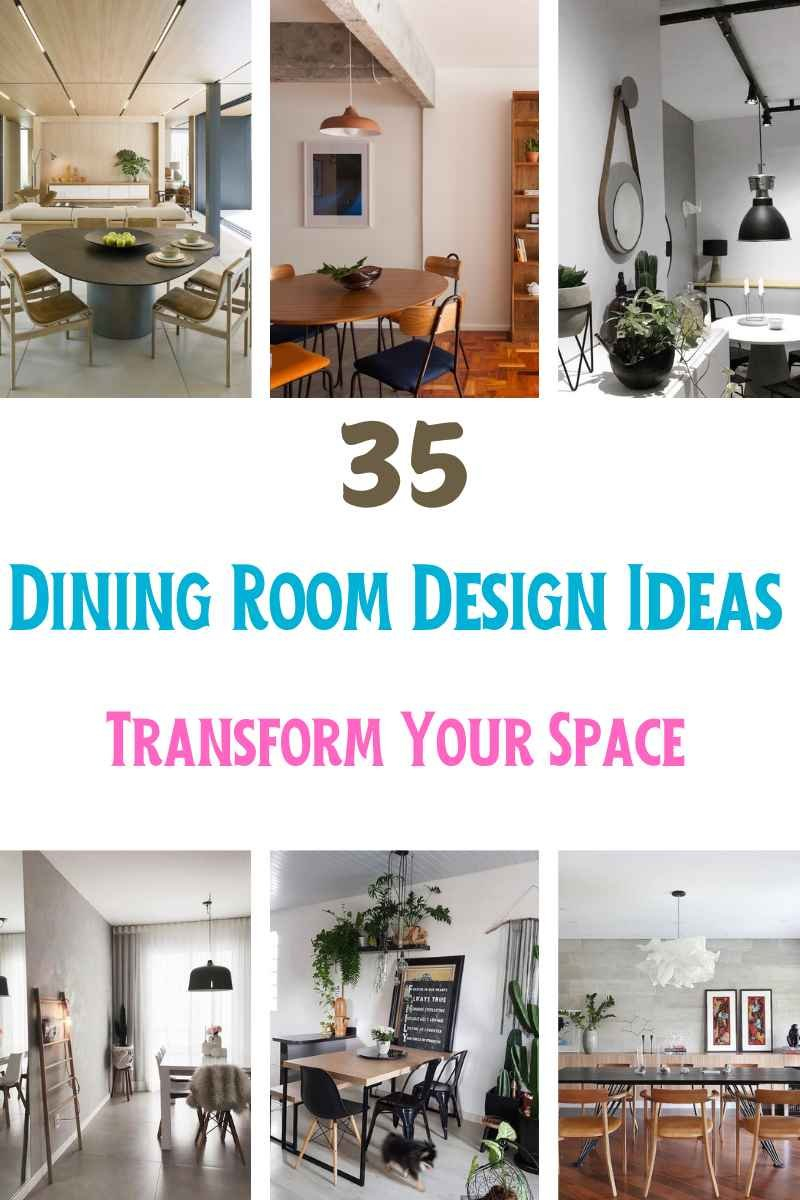
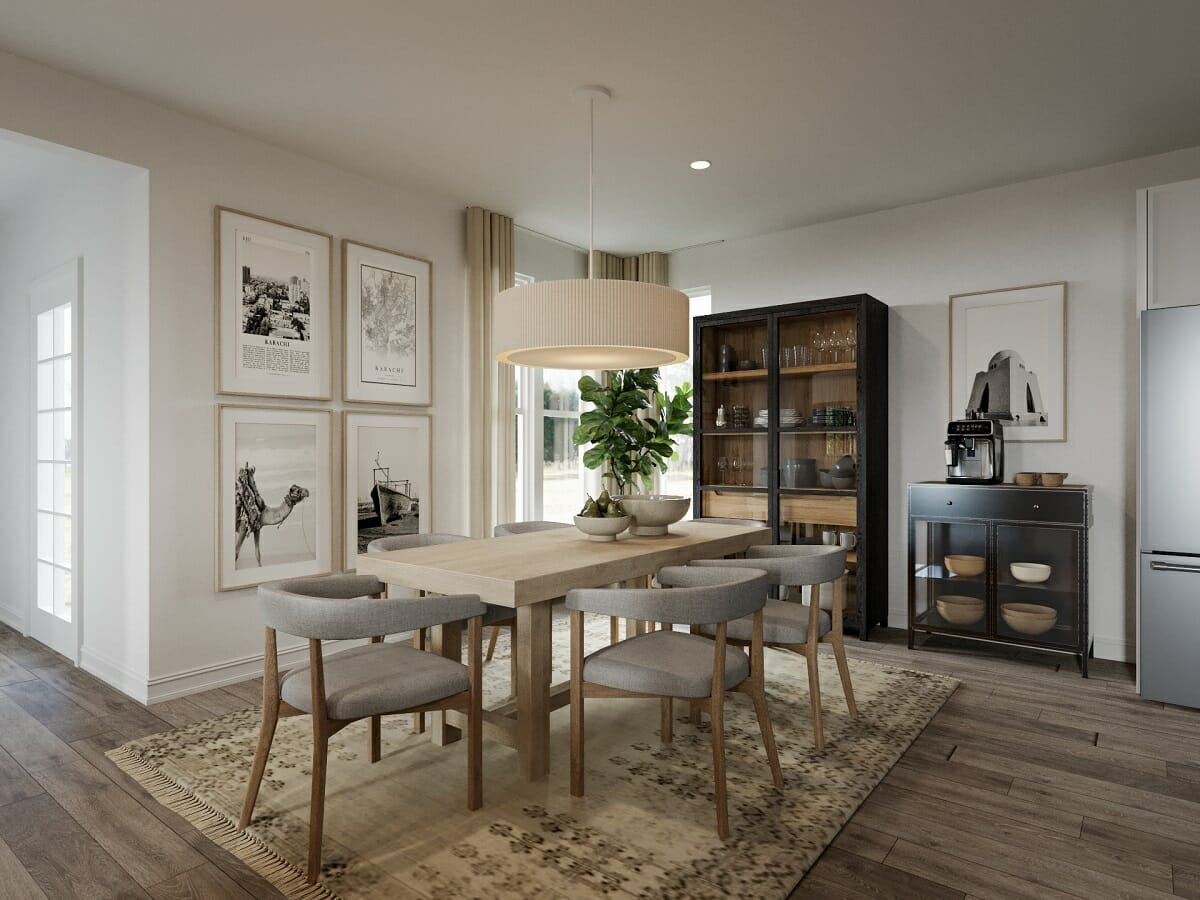
The clinking of silverware against heavy stoneware, the low murmur of overlapping conversations, and the ambient glow of a dimmed overhead fixture—these are the sensory markers of a room that has successfully mastered its purpose. Yet, walk into many contemporary homes, and the dining room is a ghost town. It sits vacant for three hundred and sixty-four days a year, functioning as a high-priced drop zone for mail, laptops, and stray backpacks, only to be franticly cleared off when holiday guests arrive. This dynamic turns hosting into a high-anxiety ordeal of deep-cleaning, rigid seating charts, and delicate heirloom surfaces that nobody dares touch.
We have somehow complicated the art of gathering. In our pursuit of hyper-curated perfection, we have built rooms that demand performance rather than connection. The antidote to this design fatigue is not another fleeting interior trend or a minimalist white box that feels clinical. The solution lies in creating a timeless dining space engineered for real life. By marrying enduring architecture, forgiving materials, and intelligent human-centric layouts, you can strip away the friction of hosting and reclaim the room as the beating heart of your home.
The concept of the dining room has evolved dramatically over the centuries, shifting from the cavernous banquet halls of medieval castles to the formal, compartmentalized parlors of mid-century suburban homes. In 2026, the pendulum has swung decisively toward functional fluidity. Designers and homeowners alike are rejecting the stiff formality of the past without sliding into the chaos of an unstructured open-plan layout where kitchen grease meets dinner conversation. A truly timeless dining space achieves a delicate equilibrium. It honors the psychological comfort of enclosure and intimacy while discarding the rigid, untouchable rules that made our grandparents’ dining rooms feel like museums.
Building this kind of space requires a fundamental shift in perspective. You are not designing a stage set for an imaginary dinner party; you are building an ecosystem for human connection. Every choice—from the clearance around the table to the patina on the tabletop—should lower the barrier between you and your guests. When a room is designed to absorb the chaos of spilled wine, sliding chairs, and hours of lingering after the plates are cleared, the host relaxes. And when the host relaxes, everyone else does too.
The Anatomy of Enduring Design and Forgiving Materials
To build a dining space that resists the relentless churn of micro-trends, you must ground your foundation in architectural integrity and tactile materials that actually improve with age. Fleeting interior aesthetics rely on high-gloss finishes, fragile glass, and delicate upholstery fabrics that trigger a visceral sense of dread whenever a child reaches for the salt shaker. Timelessness, conversely, is rooted in substance. It draws from traditional craftsmanship principles updated for modern, high-frequency living.
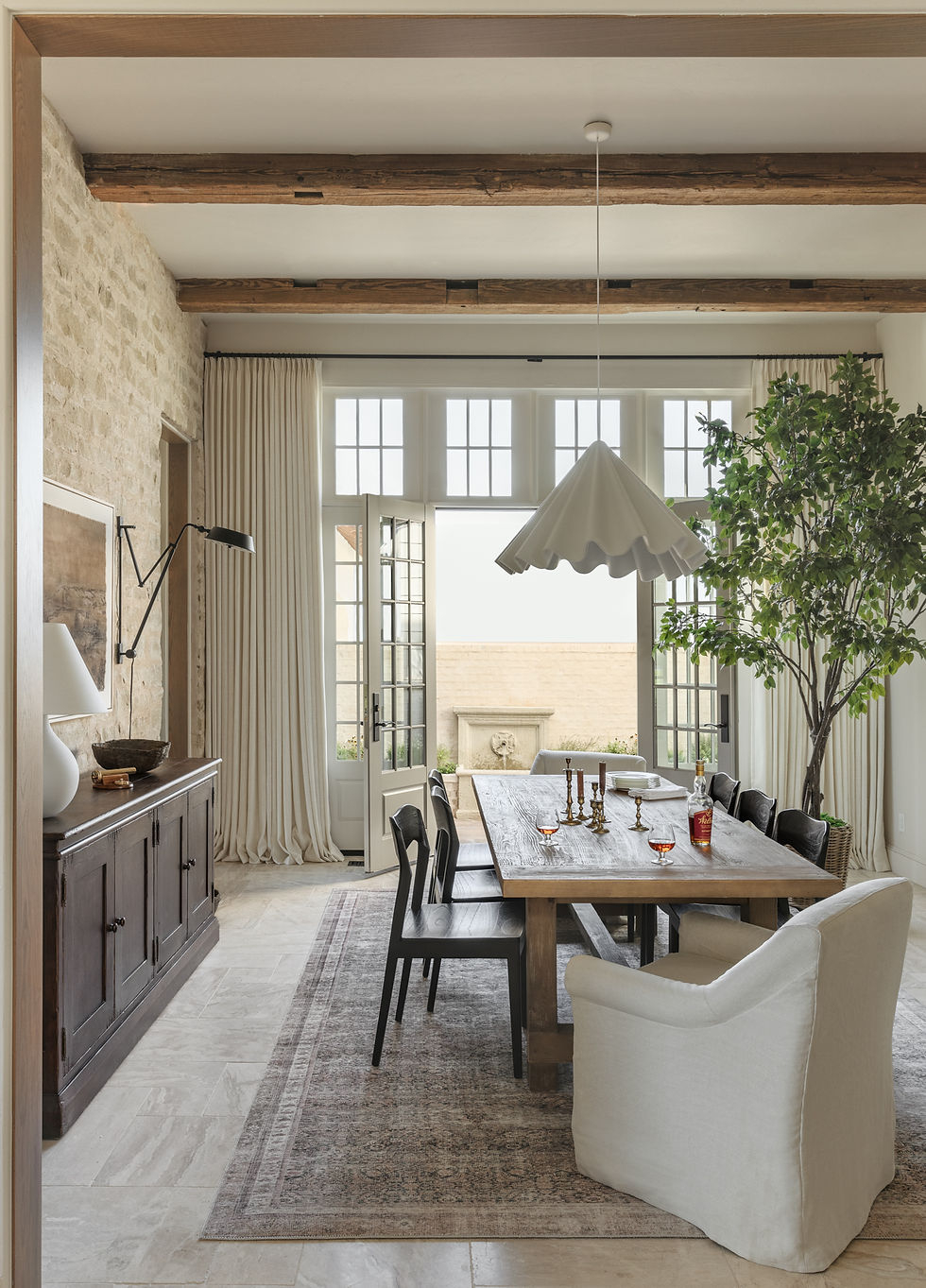
Start with the anchor of the room: the dining table. Avoid trendy engineered wood veneers with paper-thin outer layers that chip under minor impacts. Instead, look toward solid hardwoods like white oak, walnut, or reclaimed chestnut. These materials possess a natural grain and density that shrug off minor dents, transforming accidental scratches into a visual history of family meals. If you choose a wood table, opt for a matte, hard-wax oil finish rather than a thick polyurethane shell. Hard-wax oils penetrate the wood fibers, offering exceptional moisture resistance while allowing for effortless spot-repairs with a fine-grit sanding pad and a dab of oil.
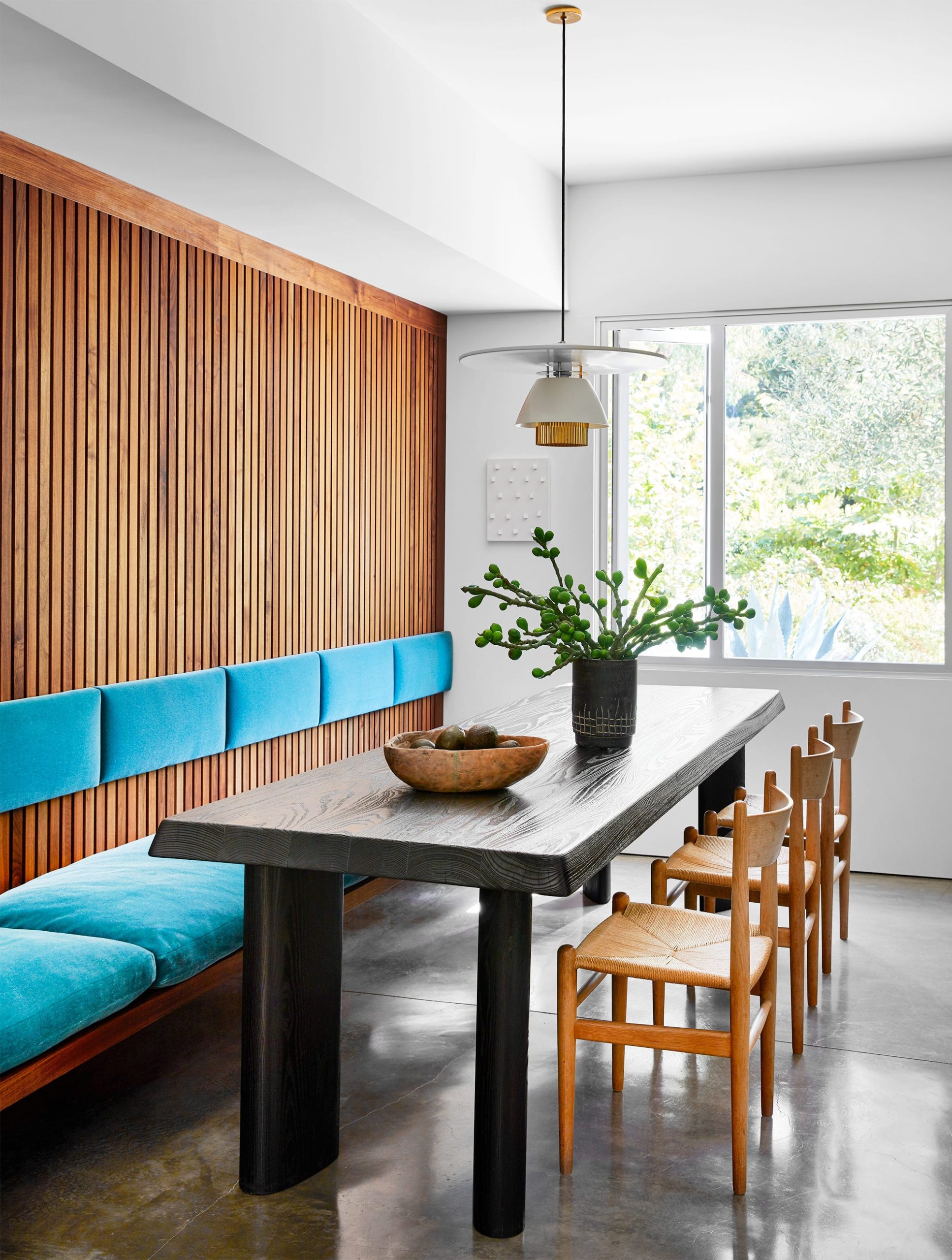
Seating is the next critical pillar. The days of matching dining sets where chairs stand at rigid attention are largely behind us, and for good reason. They look stiff and feel worse. A timeless arrangement often pairs a sturdy wooden bench or upholstered host chairs at the heads of the table with simpler, lighter side chairs along the flanks. When selecting upholstery, bypass untreated silks and high-pile velvets in favor of high-performance textiles. Crypton, treated linen blends, and solution-dyed acrylics offer the luxurious hand-feel of natural fabrics while repelling stains at a molecular level.
Architectural details also play a silent, stabilizing role in the room’s longevity. Wainscoting, board-and-batten, or simple picture-frame molding applied to the lower third of the walls do more than add visual weight; they protect high-traffic plaster from chair-back collisions and scuff marks. Paired with a muted, earthy color palette drawn from organic pigments—warm clay, muted olive, chalky limewash, or deep charcoal—these elements create a cocoon-like atmosphere. They absorb sound, soften harsh acoustics, and provide a neutral backdrop that allows the shifting cast of people, food, and seasonal table settings to take center stage.
Engineering the Flow for Stress-Free Human Interaction
Even the most beautifully appointed dining room will fail if human ergonomics are ignored. The physical layout dictates the social psychology of the room. If chairs scrape loudly against bare hardwood floors, or if guests feel trapped against a wall with no physical path to exit for a restroom break, a subtle undercurrent of tension permeates the gathering. Designing for effortless entertaining requires adhering to spatial geometry that prioritizes comfort and freedom of movement.
Consider the spatial envelope of the room itself. A functional dining space requires a minimum of thirty-six to forty-eight inches of clearance between the edge of the table and the nearest wall or large furniture piece. This clearance ensures that a guest can push their chair back, stand up, and walk around a seated diner without requiring an awkward group choreography exercise. If your room is on the compact side, scaling the table down to a round configuration is a proven spatial hack. Round tables eliminate corners, soften rigid angles, and facilitate natural eye contact among everyone seated, turning a group of ten into a single cohesive circle of conversation.
Lighting is arguably the most powerful psychological tool in the dining room, yet it is frequently mishandled. The single most common error is hanging a glaring, high-lumen chandelier directly over the table without dimming capabilities. A timeless dining room utilizes layered, dimmable illumination that mimics the transition from day to evening. Your central statement fixture—whether it is a classic brass multi-arm chandelier or a clean-lined modern alabaster pendant—should hang precisely thirty inches above the tabletop and be wired to a dimmer switch.
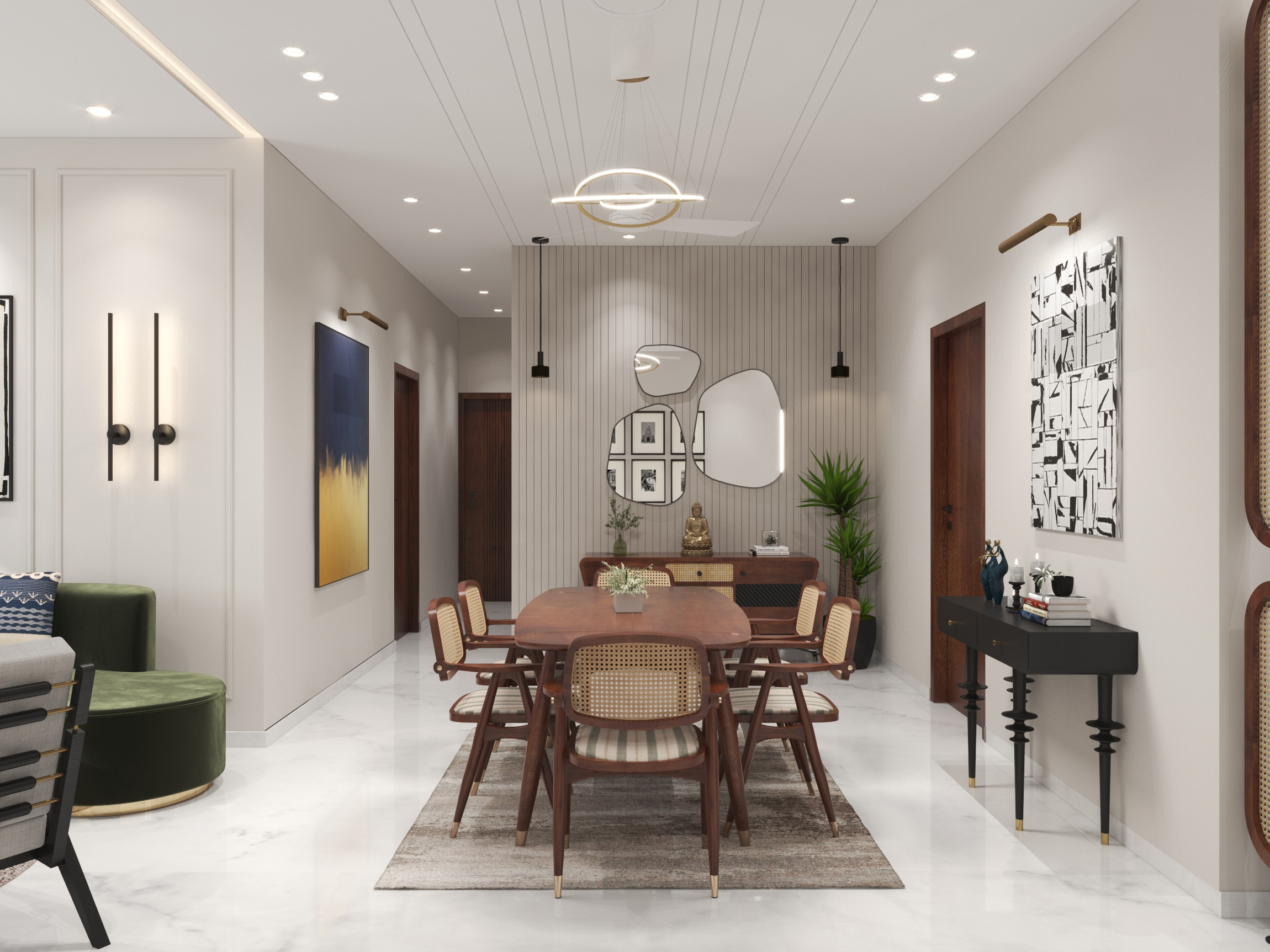
To complete the lighting ecosystem, supplement overhead fixtures with low-level ambient sources. Wall sconces equipped with warm-temperature bulbs (around 2400K to 2700K) wash the perimeter walls in a flattering, golden glow, eliminating harsh shadows. If wall wiring is absent, heavy-weighted buffet lamps placed on a sideboard or console achieve the same intimacy. This lighting strategy shifts the room’s energy instantly. As evening progresses and the overhead lights dim, the space contracts inward, encouraging longer, deeper conversations that stretch long past the final course.
A Step-by-Step Blueprint for Curating Your Gathering Space
Transforming a chaotic catch-all room or an uninspired builder-grade box into a timeless sanctuary for hosting does not happen overnight. It requires a deliberate, sequenced approach that tackles structural realities before layering on the atmospheric details.
- Step 1 (Audit the Spatial Geometry and Traffic Patterns): Measure the exact dimensions of your room, accounting for architectural quirks like door swings, heating vents, and window placements. Establish your baseline clearances, ensuring a minimum of thirty-six inches of unobstructed space around the proposed table footprint to guarantee that guests can move freely without bottlenecking.
- Step 2 (Select Your Enduring Foundation Furniture): Invest in a high-quality, solid-wood table scaled appropriately to your space, prioritizing expandable or refectory designs if you occasionally host larger groups. Pair the table with durable, ergonomic seating that balances comfort with ease of movement—avoiding overly heavy, oversized armchairs unless your room dimensions are exceptionally generous.
- Step 3 (Establish Layered, Dimmable Illumination Architecture): Install a statement light fixture centered precisely over the table surface, hung at the standard thirty-inch height threshold. Wire every light source in the room to smooth-action dimmer switches, and incorporate secondary perimeter lighting like wall sconces or buffet lamps to create a warm, shadow-free envelope.
- Step 4 (Incorporate Forgiving, Tactile Textures and Storage): Introduce a sideboard, buffet, or built-in credenza to house table linens, serving platters, and glassware out of sight, reducing clutter on the main dining surface. Layer in sound-dampening elements such as flat-woven wool rugs, upholstered wall panels, or heavy drapery to eliminate the hollow echoing common in hard-surfaced dining rooms.
- Step 5 (Style with Intentional, Low-Maintenance Decor): Style the room with durable, organic centerpieces that do not block cross-table sightlines—such as low ceramic bowls filled with seasonal fruit, heavy stoneware pitchers, or pillar candles in hurricane glass. Keep everyday tabletop styling minimal so that clearing the space for a spontaneous weeknight meal takes less than two minutes.
Navigating Common Design Pitfalls and Practical Workarounds
Even experienced home decorators stumble when translating a Pinterest board into a living, breathing room. The gap between aesthetic appeal and functional reality is wide, and certain classic design traps consistently undermine both the look and the usability of a dining space. Recognizing these hazards early saves you from costly do-overs and lingering hosting fatigue.
- Pitfall 1 (Choosing Form Over Function with Table Surfaces): Selecting high-gloss lacquered tables, porous unsealed marbles, or fragile antique glass tops that stain, scratch, or shatter under normal use. Practitioner Workaround: Opt for matte-sealed hardwoods, honed quartz, or distressed zinc surfaces that naturally mask wear and tear, allowing guests to set down glasses without needing a squadron of coasters.
- Pitfall 2 (Failing to Account for Chair Ergonomics and Scale): Buying oversized, deeply cushioned armchairs that trap diners too far from the table or prevent chairs from pushing in fully. Practitioner Workaround: Test the seat height relative to the table apron—ensuring at least ten to twelve inches of vertical clearance between the seat cushion and the underside of the table for leg movement.
- Pitfall 3 (Overcomplicating the Centerpiece and Sightlines): Placing tall, massive floral arrangements or multi-tiered candle structures directly in the middle of the table, forcing guests to lean sideways to speak to the person opposite them. Practitioner Workaround: Stick to the "eighteen-inch rule"—keep all centerpieces under twelve inches in height, or design them with ultra-slim profiles that sit well below eye level.
- Pitfall 4 (Neglecting Acoustic Management): Designing a completely hard-surfaced room with hardwood floors, bare plaster walls, glass windows, and minimalist metal chairs, creating an echo chamber where normal conversation requires shouting. Practitioner Workaround: Introduce soft textiles through heavy linen drapes, a large wool or jute area rug extending at least twenty-four inches beyond all pulled-out chairs, and upholstered seating.
- Pitfall 5 (Relying Solely on Overhead Lighting): Using a single, un-dimmed overhead pendant that casts harsh, unflattering down-lighting onto the table and leaves the rest of the room in darkness. Practitioner Workaround: Always install dimmers and supplement overhead sources with eye-level ambient lighting from wall sconces or buffet lamps to balance the room’s luminosity.
The Broader Economic and Psychological Value of Gathering Spaces
In an era defined by hyper-digital connectivity and remote work isolation, the physical dining room has quietly transformed from a domestic luxury into a vital psychological anchor. Behavioral research consistently highlights the mental health benefits of shared family meals—fostering emotional resilience in children, reducing anxiety in adults, and providing a reliable structural anchor in an otherwise unpredictable weekly routine. When a home is designed to make gathering frictionless, these informal rituals happen organically rather than feeling like heavy administrative burdens.
From an economic perspective, investing in a timeless dining space represents a masterclass in sustainability and financial pragmatism. Fast-furniture trends encourage a cycle of consumption and disposal, where trendy acrylic chairs and veneered tables end up in landfills every few years as styles shift. By contrast, investing in solid-wood craftsmanship, durable natural textiles, and classic architectural detailing creates an interior asset that appreciates in character. A well-built oak table or a solid brass light fixture carries zero expiration date. It adapts seamlessly whether you are hosting a boisterous birthday dinner with ten teenagers or a quiet, candlelit supper for two.
Furthermore, a stress-free dining room alters the social fabric of a household. When the space is unpretentious and resilient, it invites spontaneity. Neighbors drop by for a glass of wine, children spread out coloring books while dinner is prepped, and remote workers transition seamlessly from laptops to family suppers without the psychological friction of moving between zones. The room ceases to be a sacred, untouchable monument reserved for Thanksgiving and becomes what it was always meant to be: the forgiving, flexible anchor of domestic life.
Actionable Recommendations and Key Frameworks for Success
Synthesizing these design principles into a cohesive project requires keeping a clear checklist of high-impact priorities. As you plan or refresh your dining space, anchor your decisions to a few non-negotiable standards that guarantee both timeless aesthetic appeal and effortless usability.
- Prioritize Solid, Repairable Materials: Invest your primary budget in the table and flooring. Solid wood, natural stone with honed finishes, and woven wool rugs absorb the wear and tear of daily life and can be easily refinished or cleaned, sparing you the anxiety of accidental damage.
- Master the Layered Lighting Trifecta: Ensure your lighting plan includes an adjustable statement pendant over the table, warm-toned perimeter wall sconces or lamps, and universal dimmer switches on every circuit to control the mood across different times of day.
- Protect Spatial Clearances: Never crowd a room beyond its mathematical capacity. Respect the forty-eight-inch rule for wall-to-table clearance and choose round tables for smaller footprints to maximize social geometry and movement flow.
- Design for Easy Resetting: Keep everyday tabletop accessories minimal and functional. When clearing the table takes less than two minutes, the psychological barrier to using the room on a random Tuesday evening vanishes entirely.
The measure of a truly great dining room is not found in the perfection of its styling or the pedigree of its furnishings. It is measured by the hours spent lingering after the food is gone, the volume of laughter bouncing off the walls, and the complete absence of anxiety when someone inevitably knocks over a glass of red wine. By stripping away the performative pretense of formal entertaining and anchoring your space in durable materials, intuitive ergonomics, and warm, forgiving lighting, you build something far more valuable than a stylish interior.
You build a container for memory-making. Trends will continue to cycle with dizzying speed, but the human hunger for connection, good food, and shared stories remains entirely constant. When your dining room is designed to embrace that reality without stress or stiffness, it ceases to be just a room at all. It becomes the true anchor of your home—ready, waiting, and welcoming for whatever gathering comes next.