Walk into a newly constructed apartment or commercial space, and you are often met with an invisible sensory barrier. The air smells faintly of off-gassing polymers, the walls reflect light with a clinical, unyielding flatness, and every surface feels as though it has been dipped in liquid glass. It is clean, undeniably modern, and entirely devoid of life. Now, step across a threshold where a white oak dining table retains the subtle knife-marks of its milling, where the brass hardware has begun to tarnish into a rich, dark bronze under the oils of human hands, and where untreated pine beams overhead breathe out a faint, resinous aroma. The nervous system instantly down-regulates. Your shoulders drop. The space breathes back at you.
This physiological shift is not merely a matter of aesthetic preference; it is the fundamental engine driving the modern biophilic design movement. For decades, interior architecture chased an illusion of industrial perfection—surfaces sealed, lacquered, and frozen in time to resist the indignities of daily use. Yet, as our lives have become increasingly tethered to glowing screens and sterile digital interfaces, our homes have begun to crave the opposite. We are witnessing a profound architectural rebellion against the static and the synthetic, turning instead toward materials that age, patinate, and bear the honest scars of time.
Bringing the natural world indoors is no longer restricted to a collection of potted monsteras or a rattan basket tossed in the corner of a living room. It requires a fundamental rethinking of the materials we touch, walk upon, and live alongside every single day. By leaning into living finishes—metals, leathers, and stones that evolve with wear—and untreated timber textures that map the growth history of a tree, interior spaces transform from static display cases into dynamic ecosystems. This evolution bridges the psychological gap between the urban shelter and the untamed forest, reshaping how we experience domestic comfort in the year 2026.
The Psychology of Imperfection and the Anatomy of Living Finishes
For generations, manufacturing strove to eliminate the variable. Synthetic coatings, heavy polyurethanes, and industrial plastics were engineered to lock materials into a state of arrested development, ensuring that a kitchen cabinet or a brass fixture looked on day five thousand exactly as it did on day five. But this pursuit of sterile permanence created environments that feel fragile and psychologically taxing. When every surface is immune to touch, human occupants inadvertently modify their behavior to avoid marking, scratching, or altering the pristine backdrop. A home ceases to be a living canvas and becomes a museum exhibit.
Living finishes offer a radical antidote to this artificial stasis by embracing change as a design feature rather than a defect. A living finish—whether it is unlacquered brass, blackened steel, vegetable-tanned leather, or raw, porous stone—is chemically engineered or physically left untreated to interact directly with its environment. Oxygen, moisture, ultraviolet light, and the natural oils from human hands leave physical traces on these materials. The patina that develops over months and years tells a visual story of habitation. When you pull a bronze cabinet handle a thousand times, the friction reveals a lighter, glowing metallic undertone where your fingers grip, mapping your daily habits directly into the hardware of your home.
This interaction triggers deep-seated evolutionary responses. Humans are hardwired to read environmental cues that signal safety, vitality, and temporal continuity. In nature, surfaces change; wood weathers, stone smooths under running water, and metals oxidize. When our indoor environments mirror these natural cycles of decay and renewal, our subconscious mind recognizes the space as organic and safe. The psychological weight of maintaining artificial perfection lifts, replacing anxiety with a grounding sense of place and historical depth.
Decoding Untreated Timber Textures and Grain Geographies
Wood is the cornerstone of biophilic architecture, but not all timber is created equal. The commercial wood market has long favored heavily processed lumber—planed completely smooth, sanded to a microscopic grit, and coated in thick layers of synthetic varnish that seal the wood away from the world. While practical for high-traffic commercial spills, this heavy-handed treatment strips timber of its primary superpower: its tactile and sensory complexity. Untreated or minimally finished timber, by contrast, retains the microscopic cellular architecture that allows wood to regulate indoor humidity, absorb sound, and emit volatile organic compounds that promote human well-being.
To truly understand timber textures, one must look at how the tree was cut. Plain-sawn, quarter-sawn, and rift-sawn lumbers each present entirely different grain geographies to a room. Plain-sawn wood exhibits sweeping, cathedral-like arches that evoke a sense of organic movement and fluidity across a floor or wall panel. Quarter-sawn timber reveals tight, linear medullary rays that add a subtle, shimmering stiffness and structural honesty. Beyond the cut, surface manipulation techniques such as wire-brushing, hand-scraped distressing, or band-saw marking pull out the soft earlywood rings while leaving the dense latewood intact, creating a deeply tactile relief map that begs to be touched.
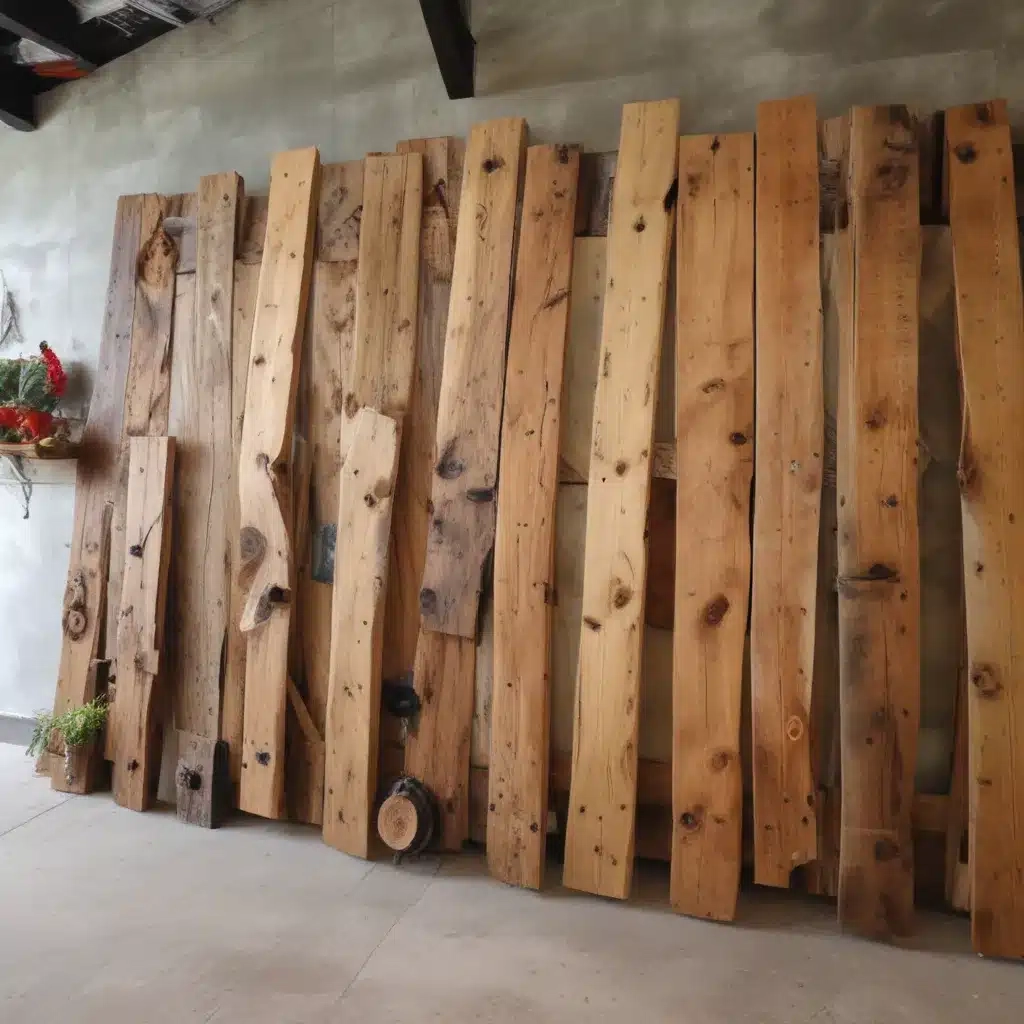
Furthermore, selecting the right species dictates the atmospheric tone of an interior. White oak offers a neutral, grayish-brown canvas with tight, linear grain that suits contemporary minimalist spaces without feeling cold. American walnut introduces deep chocolate hues and rich, swirling grain patterns that anchor a room in moody sophistication. Douglas fir and reclaimed softwoods bring knotty character and a softer, warmer tactile give underfoot. Leaving these species entirely raw or finishing them solely with natural hardwax oils allows the wood pores to remain open, ensuring that the material continues to breathe, react to light, and release the subtle, comforting scent of the forest floor into your living quarters.
Methodical Integration of Raw Wood and Patinating Metals in Residential Spaces
Translating the philosophy of living finishes and raw timber into a cohesive interior design scheme requires careful planning. Randomly scattering reclaimed barn wood and unlacquered brass throughout a room can quickly result in visual chaos rather than a harmonious sanctuary. Integration must be approached as an exercise in material hierarchy, balancing rough tactile elements with smooth, grounding counter-points like lime-washed walls, linen drapery, and unpolished stone.
- Step 1 (Material Auditing & Spatial Mapping): Begin by analyzing how natural light enters your rooms throughout the day. South-facing rooms flooded with intense sunlight can handle deep, heavily textured timber and dark patinating metals like blackened steel without feeling gloomy, whereas north-facing spaces benefit from lighter, rift-sawn white oaks and warm unlacquered brass to bounce soft ambient light around the perimeter.
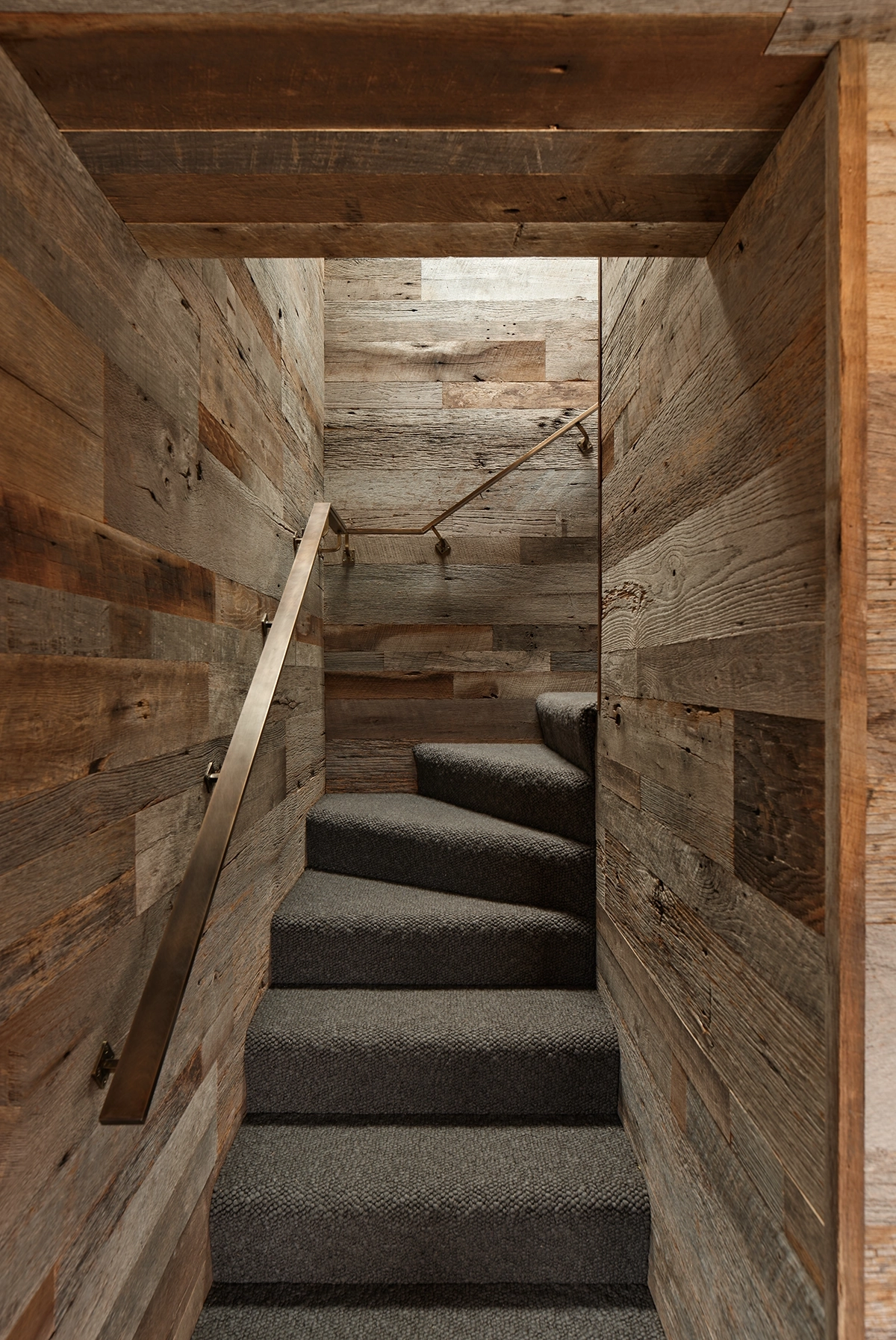
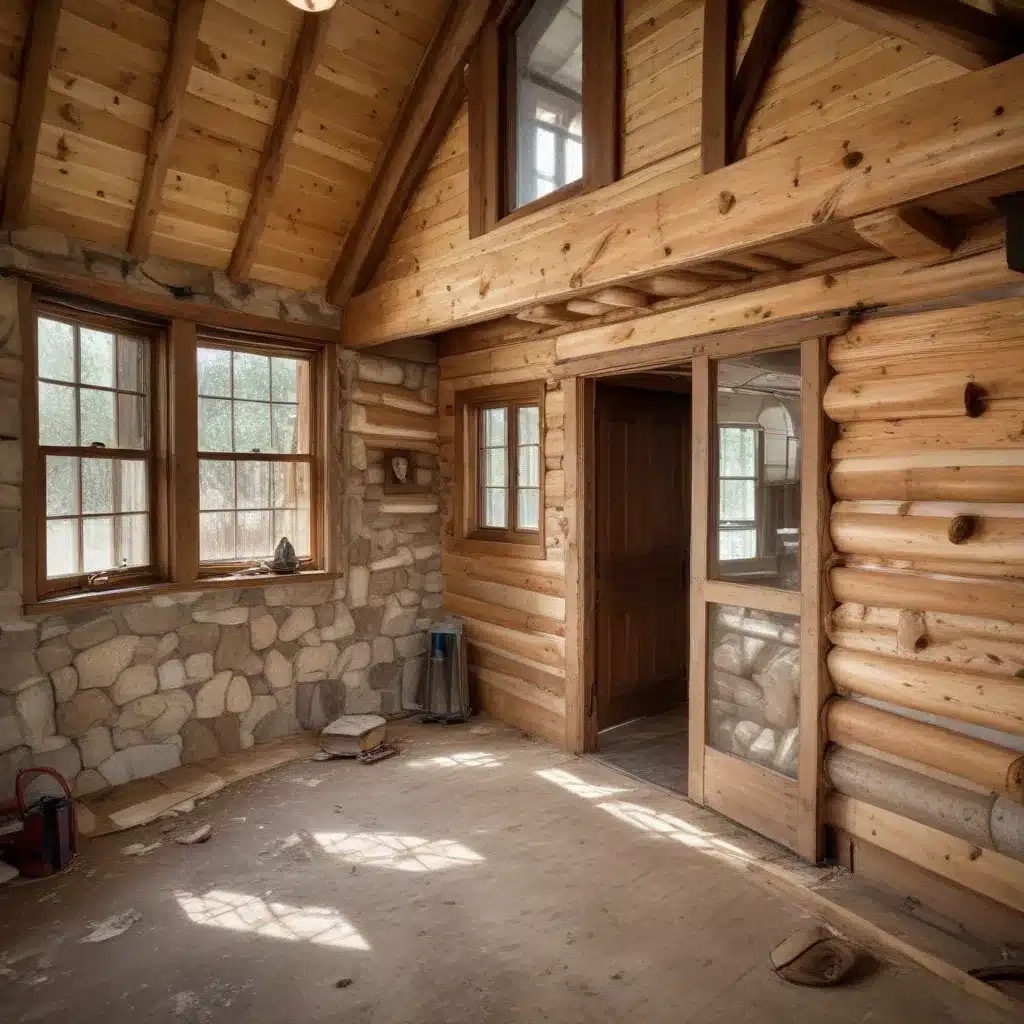
- Step 2 (Structural and Architectural Anchors): Introduce timber at an architectural scale before moving to furniture. Install exposed ceiling joists, vertical wall cladding using tongue-and-groove white pine, or wide-plank hardwood flooring treated only with natural penetrating oils. These foundational elements establish a permanent natural baseline for the entire interior envelope.
- Step 3 (Selecting Living Hardware and Fixtures): Replace standard plated or lacquered hardware with living metal alternatives. Swap out cabinet pulls, door levers, and plumbing fixtures for unlacquered brass, living copper, or oil-rubbed bronze. Educate household members that these surfaces will spot, darken, and evolve unevenly based on usage patterns, viewing these changes as a feature of bespoke luxury.
- Step 4 (Handcrafted Furniture & Focal Accents): Curate freestanding furniture pieces crafted from solid, untreated, or oil-finished hardwoods. Look for live edges, visible joinery like dovetails and mortise-and-tenon joints, and hand-planed surfaces that celebrate the carpenter’s hand. Pair these timber statements with vegetable-tanned leather seating that will soften and darken with every sitting.
- Step 5 (Balancing Textures with Softness): Prevent a timber-heavy room from feeling like a cabin by introducing tactile, organic textiles. Layer heavy linen curtains, wool loop carpets, and handmade ceramics to diffuse acoustics and soften the hard lines of structural wood and metal.
Common Missteps and Field-Tested Workarounds for Living Materials
Working with living finishes and raw timber is vastly different from installing mass-produced, factory-sealed laminates or porcelain tiles. The very qualities that make these natural materials desirable—their porosity, reactivity, and dynamic evolution—also introduce unique practical challenges that can catch inexperienced renovators off guard. Anticipating these hurdles ensures that your investment in natural architecture ages gracefully rather than degrading prematurely.
- Pitfall 1 (Moisture Damage on Raw Wood Tabletops): Untreated or minimally finished timber lacks a waterproof barrier, making dining tables and kitchen counters vulnerable to wine rings, water spots, and oil stains. Workaround: Instead of sealing the wood with shiny polyurethane, treat surfaces with a penetrating food-safe hardwax oil containing carnauba and beeswax. This builds a microscopic, breathable barrier that repels liquid long enough for you to wipe it away while keeping the raw, matte look and velvety feel of the bare timber intact.
- Pitfall 2 (Premature Green Corrosion on Exterior or Bath Brass): Unlacquered brass exposed to high-humidity environments like bathrooms can rapidly develop aggressive green verdigris crusts rather than a warm, golden-brown patina. Workaround: Wipe down high-moisture brass fixtures with a soft, dry microfiber cloth after use and occasionally apply a very thin coat of Renaissance microcrystalline wax to buffer aggressive moisture while still allowing natural patination to occur at a controlled pace.
- Pitfall 3 (Excessive Wood Movement and Cracking): Bringing kiln-dried or green timber into a climate-controlled home with aggressive winter heating can cause the wood to warp, cup, or split as it adjusts to dry indoor relative humidity. Workaround: Allow all timber materials to acclimate inside the specific room where they will be installed for a minimum of two to three weeks prior to final fitting. Ensure your home maintains a stable relative humidity range between 30% and 50% using humidifiers or dehumidifiers as seasons shift.
- Pitfall 4 (Visual Fatigue and Material Clutter): Using too many different wood species and grain patterns in a single compact room creates a disjointed, chaotic aesthetic that overwhelms the eye. Workaround: Stick to a maximum of two dominant wood species per floor plan, tying them together through consistent undertones—such as pairing white oak with ash—and use textiles and neutral plaster walls to visually separate competing grain heavyweights.
- Pitfall 5 (Aggressive Chemical Cleaning Mistakes): Using bleach, ammonia-based window cleaners, or abrasive scouring pads on living finishes strips away the protective patina and exposes raw, unnatural metal or bleached wood fibers. Workaround: Clean living metal hardware and raw timber strictly with warm water and a drop of neutral pH castile soap, drying immediately with a soft cloth to preserve the natural aging trajectory.
The Broader Ecological Narrative and Long-Term Spatial Value
The resurgence of untreated timber and living finishes is not merely an interior design trend; it represents a profound shift toward circular, regenerative material economics. In an era defined by fast furniture and disposable flat-pack goods engineered for landfill destinations within five years, investing in solid, locally sourced timber and patinating metals is an act of quiet sustainability. Solid wood can be sanded down, repaired, reshaped, and repurposed across centuries. A walnut dining table passed down through generations gains structural and aesthetic equity with every scratch, dent, and oil spill, defying the planned obsolescence that plagues modern manufacturing.
Furthermore, the indoor environmental quality of a home constructed with living materials is measurably superior to one sealed in synthetics. Processed wood panels, vinyl flooring, and synthetic lacquers continually off-gas formaldehyde, volatile organic compounds, and plasticizers that degrade indoor air quality. Untreated timber, conversely, acts as a natural hygroscopic buffer. It absorbs excess moisture from the air during humid summer months and releases it back into the atmosphere when indoor heating dries the air in winter, stabilizing ambient humidity naturally.
Economically, while initial capital investment in solid, sustainably harvested timber and artisan-forged living hardware often exceeds that of mass-market alternatives, the long-term lifecycle cost tells a vastly different story. Synthetic finishes degrade, peel, and cannot be spot-repaired, forcing total replacement. Living finishes and solid timber are infinitely renewable. A quick application of sanding paper and natural wax restores a scarred wooden tabletop to its original organic glory, cementing a sustainable loop that honors both forest ecosystems and domestic budgets alike.
Strategic Frameworks for Curating an Organic, Grounded Interior
Translating biophilic design principles into a livable, everyday environment requires a disciplined framework that balances sensory stimulation with spatial serenity. To help guide your next renovation or room styling project, consider this actionable blueprint for cultivating an authentic, nature-connected home.
- Establish a Material Baseline: Choose one primary wood species—such as European ash or American white oak—to anchor at least sixty percent of your hard surfaces, flooring, and major case goods to ensure visual cohesion across open-plan living areas.
- Embrace the Rule of Tactile Contrast: Pair heavy, rough-sawn timber elements directly against smooth, cool living stones like honed soapstone or unsealed limestone, creating a dynamic tactile dialogue that mirrors natural landscapes.
- Prioritize Open-Pore Treatments: Reject shiny plasticized lacquers in favor of natural hardwax oils, soap finishes, or raw sanding, allowing the wood to breathe, smell organic, and age alongside the occupants of the home.
- Design for Patina Acceptance: Educate household members that living metals and leathers are designed to scar, darken, and change color, reframing wear and tear as a personalized archive of family history rather than damage.
- Incorporate Living Flora as Bridges: Position live botanicals, trailing vines, and moss installations directly adjacent to timber accents and raw stone surfaces to blur the boundary between built architecture and living nature.
The home of the mid-2020s is evolving far beyond a visual stage set designed exclusively for social media photography. We are demanding spaces that nurture our mental health, respect planetary ecosystems, and ground our frantic digital lives in physical reality. By bidding farewell to artificial perfection and inviting living finishes and untreated timber textures into our domestic spheres, we reclaim a vital sensory connection to the natural world.
Every grain line, every oxidized scratch on a brass pull, and every resinous scent released by a raw oak beam serves as a quiet reminder that we are part of a living, breathing continuum. When our homes are allowed to age, patinate, and bear the honest marks of human habitation, they cease to be mere shelters. They become living sanctuaries that grow more beautiful, more personal, and more profoundly comforting with every passing year.